





Gilded Desk Accessories
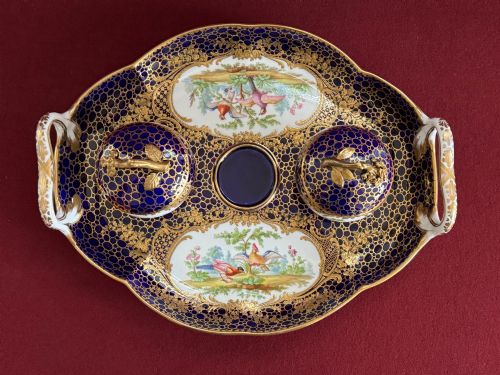
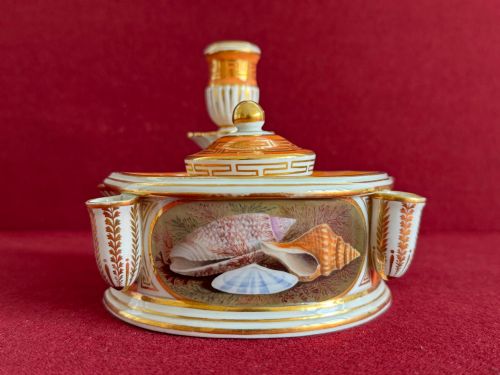
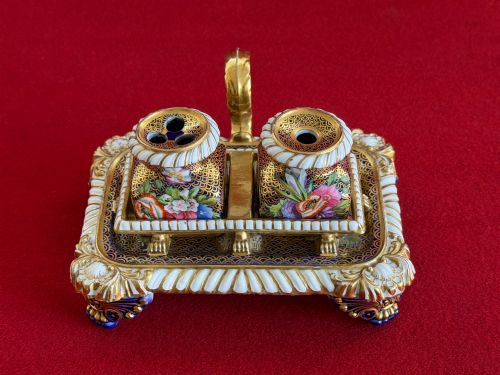
These gilded desk accessories bring heavy cast bronze, fine porcelain, and carved stone to the writing table.
Gilded Desk Accessories
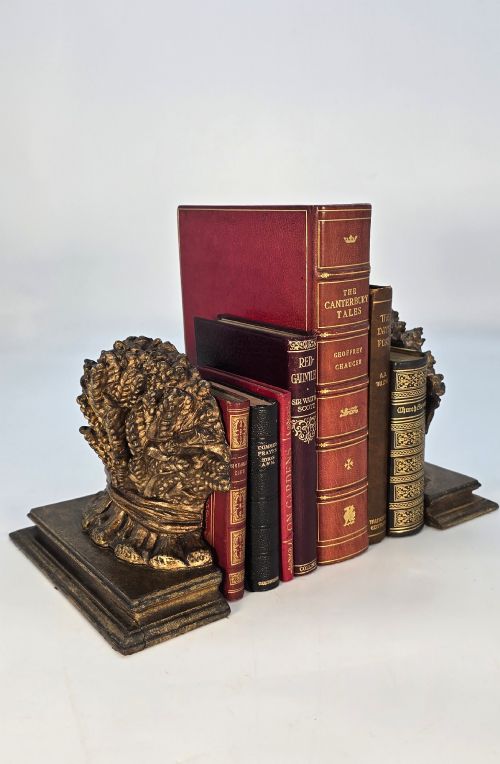
Gilded desk accessories encompass items designed for writing tables, featuring inkstands, inkwells, bookends, letter openers, and candlestands. These pieces serve functional roles while displaying decorative metalwork, ceramics, and stone.
The selection on this page centres primarily on nineteenth-century pieces, including Victorian and Regency examples alongside Georgian and later twentieth-century items. Inkstands and inkwells appear frequently alongside figural desk sets and small accessories.
Origins span English, French, German, Austrian, and Chinese workshops, uniting diverse regional aesthetics from the neoclassical period through the art nouveau era.
Assessing quality
Quality rests in the crispness of the bronze casting and the depth of the gilding, where sharp detail in figural elements separates superior work from softer secondary pieces. Master metalworkers achieve precision in the chiselling and finishing of ormolu surfaces.
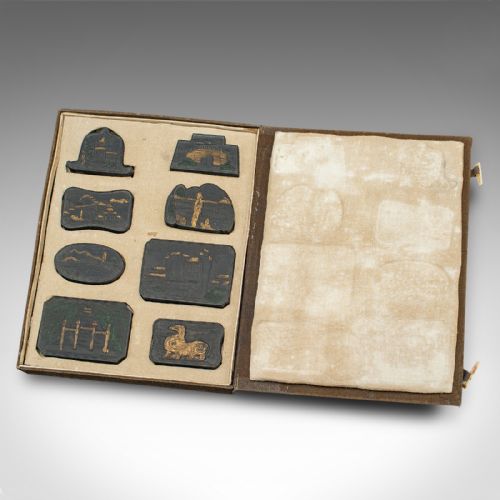
The integration of materials dictates value, particularly when high-grade hardstones like lapis lazuli or onyx support finely painted porcelain panels and intact original glass liners.
Desk accessories occasionally feature playful glass-eyed cats, stigs, and chicks peering out from heavy bronze inkwells.
Spode·Minton·Flight and Barr·Robert Hennell·Albert Marionnet·Asprey·George Betjemann·Bergmann
The Gilded Desk Accessories Glossary
- Ormolu
- Gilt bronze produced by applying a mercury and gold amalgam to a bronze base and heating it. This technique creates a durable, warm metallic finish common on French and English desk pieces.
- Pounce pot
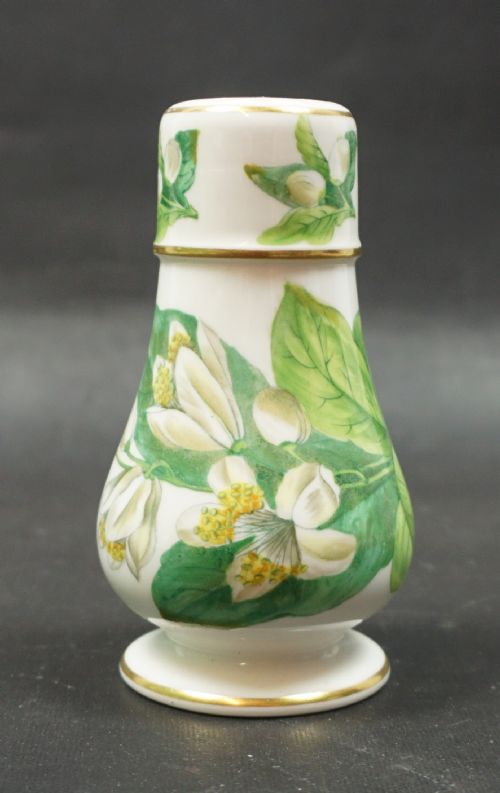
- A small shaker container used to sprinkle powdered sand or cuttlefish bone onto freshly written ink to speed drying. These small vessels often match the ceramic body of an inkstand.
- Vinaigrette
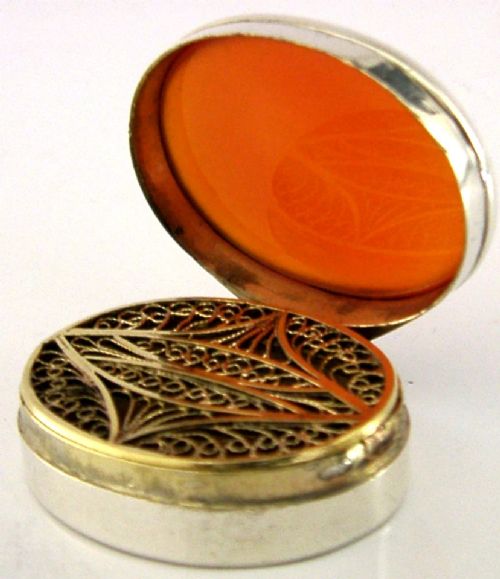
- A small decorative box containing a perforated grille and a sponge soaked in aromatic vinegar. These silver-gilt items sat upon writing tables for personal refreshment.
- Schneeballen
- A German porcelain decorative technique involving applied balls of clay resembling snowball clusters. This intricate floral style appears on early nineteenth-century inkstand covers.
Gilded Desk Accessories: Frequently Asked Questions
What is an inkstand?
An inkstand is a desk tray holding one or more inkwells alongside pen rests and sometimes a pounce pot or bell. These portable stations kept writing materials organised on the desktop.
Finer examples combined porcelain or marble bases with fitted bronze mounts to serve as centrepieces for formal correspondence.
How do I identify a Regency inkstand?
Regency pieces often display neoclassical motifs, clean architectural lines, and materials such as ormolu bronze or early English porcelain. They date from the early nineteenth century during the British Regency period.
Matching pounce pots and quill holders usually accompany these formal writing sets.
What are fake books on a desk?
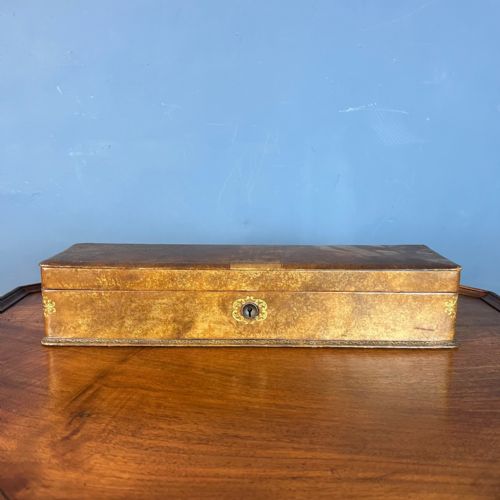
Fake books are hollow decorative boxes shaped like leather-bound volumes, used historically to conceal stationery, ink, or valuables on a writing table. These nineteenth-century objects combined utility with secret storage.
Tooled leather covers and gilded spine details helped them blend seamlessly into a library shelf or desk arrangement.
How should I clean gilded bronze?
Gilded bronze requires gentle dusting with a soft dry brush to protect the delicate gold leaf or ormolu surface. Avoid liquid cleaners and metal polishes that strip the gilding.
Preserving the original surface maintains the historical character and appearance of the metalwork.