



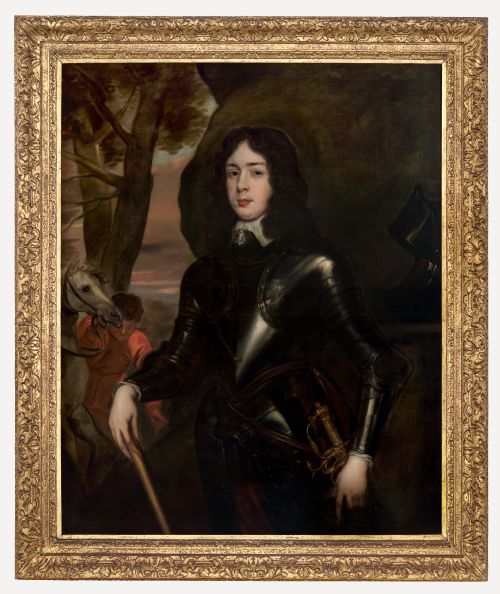
English Baroque Portrait
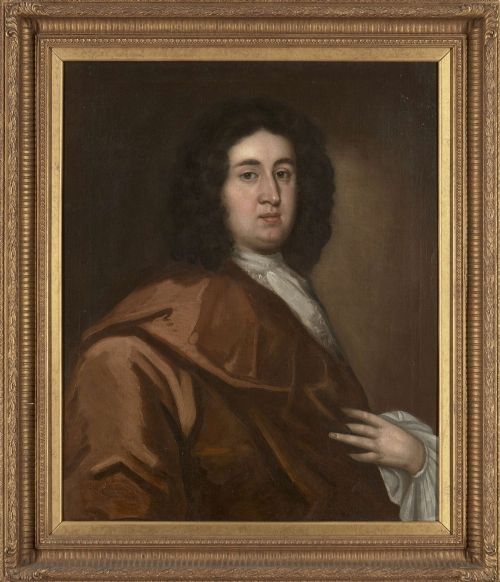
An english baroque portrait captures the gravity, status, and elaborate costume of the late seventeenth and early eighteenth centuries in oil on canvas.
English Baroque Portrait
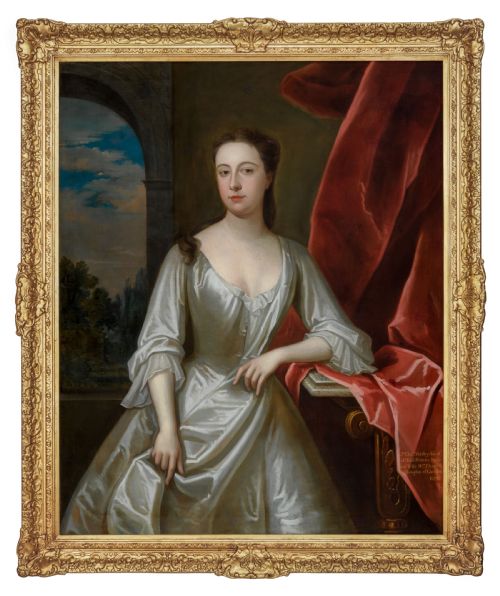
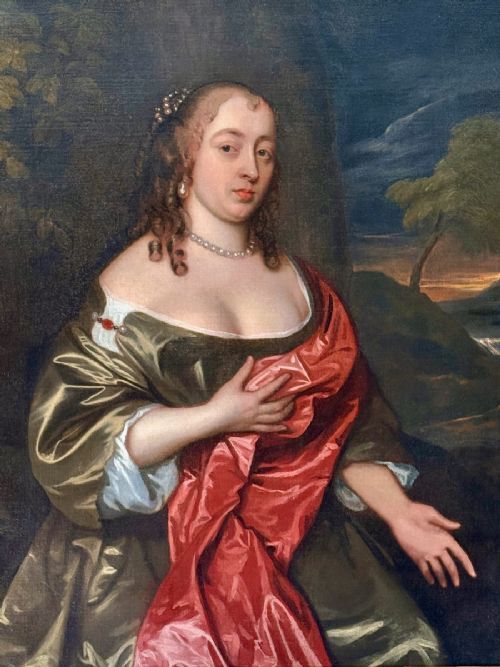
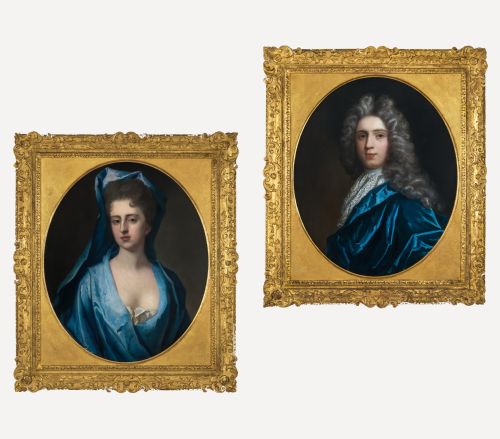
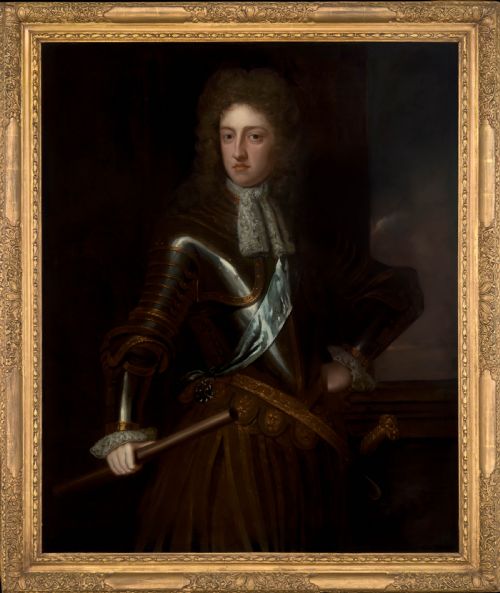
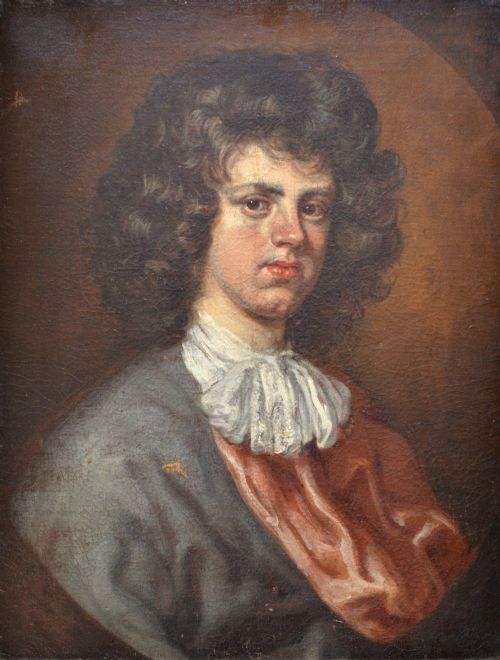
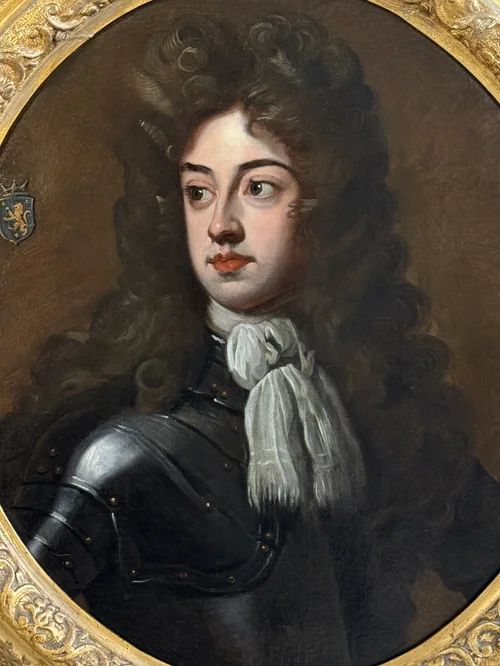
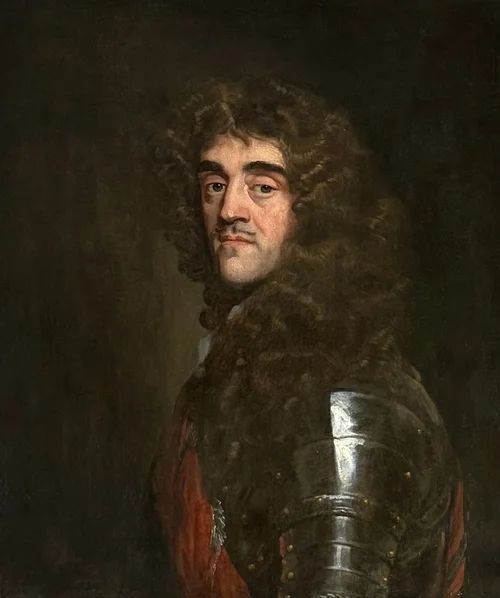
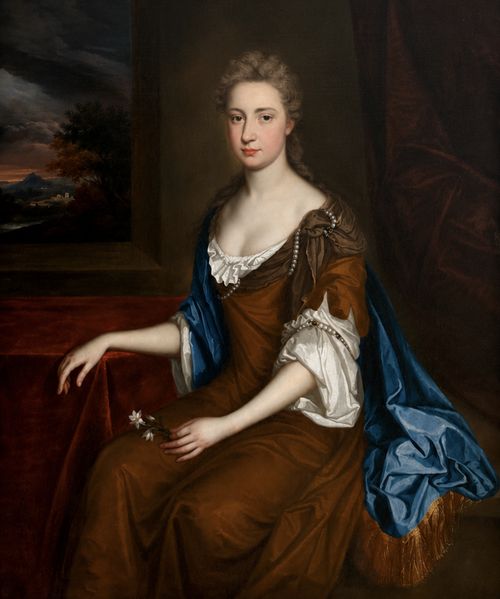
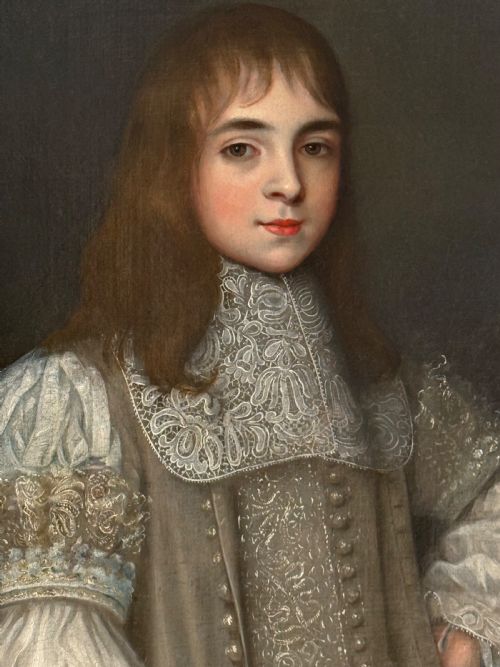
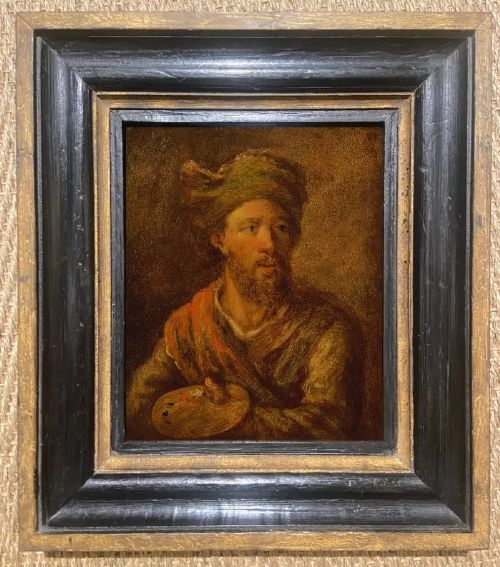
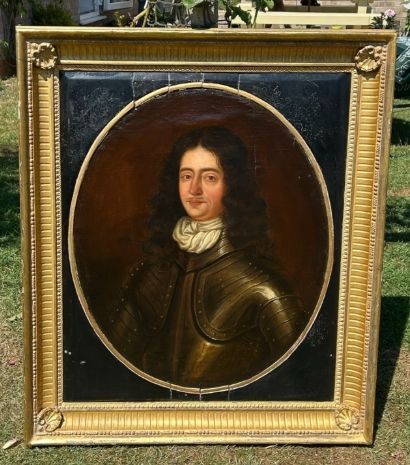
An english baroque portrait depicts aristocrats, nobility, military officers, and prominent families through formal oil paintings. These works frequently record sitters in elaborate costume, armour, velvet gowns, or classical robes.
The selections available here stem largely from the seventeenth century and early eighteenth century, stretching into the Early Georgian period. Subjects often appear half-length or full-length, placed against architectural terraces, extensive landscapes, or plain dark grounds.
Many items connect directly to major workshops or circles of prominent portraitists from the Stuart era. Buyers encounter works attributed to followers, studios, and circles of well-documented painters.
How They Were Made
The technical approach involves layered glazes and opaque highlights to render the sheen of silk, velvet, and satin gowns. Structural support relies on wooden stretchers behind the woven canvas base.
Several noble sitters share space with King Charles spaniel puppies and exotic birds.
What Varies in Quality
The strength of the handling in the hands, face, and drapery distinguishes studio production from master output. Superior examples display confident brushwork in the rendering of lace, hair, and expression.
Condition and original framing also differentiate pieces, particularly the survival of untouched paint layers and the presence of period giltwood frames. Works retaining secure provenance or clear inscriptions carry distinct archival weight.
Sir Godfrey Kneller·Michael Dahl·Thomas Murray·Mary Beale·John Michael Wright·Sir Peter Lely·John Riley·John Closterman·John Hayls·John Greenhill·Robert Byng·Jacob Huysmans·Henry Stone·Trajan Hughes
The English Baroque Portrait Glossary
- Baroque
- A stylistic period of exuberant detail, theatrical staging, and dramatic lighting in European art. It emphasises grand scale and rich textures.
- Giltwood
- Wood carved and coated with a thin layer of gold leaf or gold paint. This material forms the ornate frames typical of the era.
- Circle of
- A designation indicating the work was produced by an artist closely associated with a master, sharing identical methods and style. It denotes proximity to a major workshop.
- Studio of
- A painting executed by assistants or pupils under the direct supervision of a master painter. The output reflects the workshop's standard practices.
- Cavalier
- A term describing supporters of the monarchy during the English Civil War, frequently depicted in contemporary portraiture with long hair, armour, and sashes.
English Baroque Portrait: Frequently Asked Questions
What is a circle painting?
A circle painting originates from artists working in the immediate orbit of a celebrated master. These painters adopted the exact techniques, palette, and compositional style of the primary figure.
Such works offer high artistic quality of the period without carrying the master's direct signature. They represent the broader workshop culture of seventeenth-century studios.
How should I hang an oil painting?
Oil paintings require stable indoor environments away from direct sunlight and dramatic humidity shifts. Hang securely using appropriate wall fixings that match the substantial weight of canvas and giltwood frames.
Keep pieces clear of direct heat sources such as radiators to prevent the canvas and wooden stretcher from warping. Proper placement preserves the structural integrity of both paint and frame.
Are these works cleaned or restored?
Older oil paintings often undergo conservation over their centuries of existence to stabilise the canvas and remove discoloured varnish. Professional restoration maintains the original pigment layers while securing flaking paint.
Documentation of past conservation helps verify the physical history of the piece. Inspecting the canvas reverse under ultraviolet light reveals the extent of historical interventions.