



English Art Deco Lamp
An English art deco lamp brings geometric clarity and rich walnut grain to a room.
English Art Deco Lamp
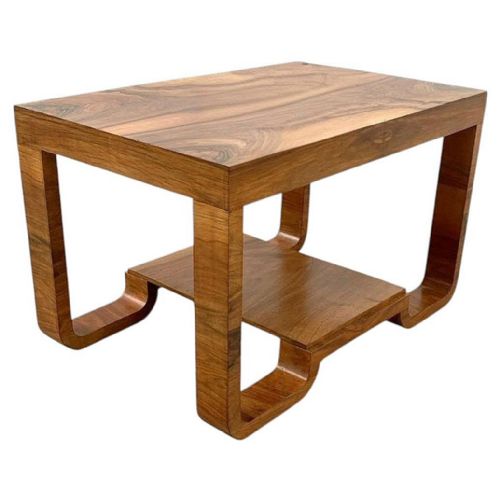
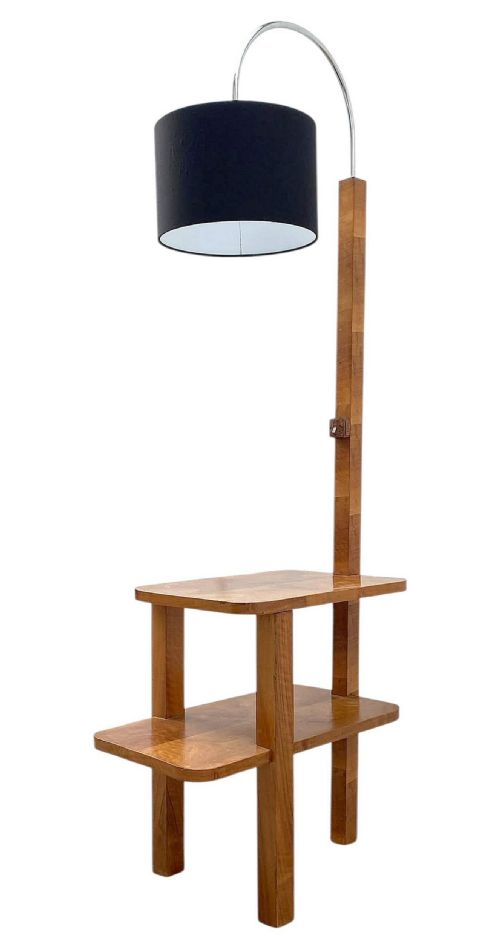
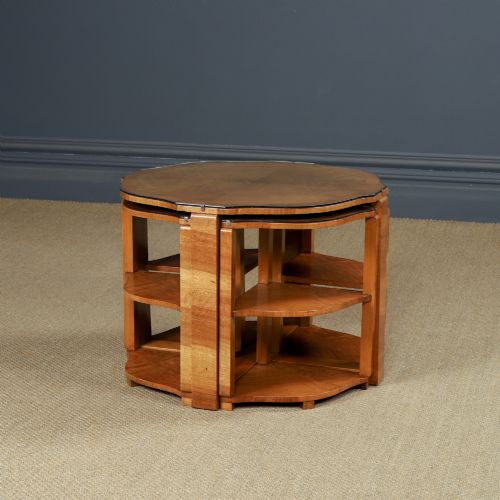
When you search for an english art deco lamp, you encounter lighting fixtures and illuminated figures produced in England during the nineteen twenties and nineteen thirties. These pieces combine utilitarian function with the distinct modernist aesthetic of the period, often integrating practical surfaces such as occasional tables.
The versions most commonly met on this page include sculptural table lamps featuring figures like the nude lady design, alongside floor standing options and specialised church lights. Alongside these stand related occasional tables and lamp tables that incorporate lighting elements or serve directly to support a lamp.
Originating predominantly from English workshops of the nineteen thirties, these objects reflect a period of transition in domestic interior design. They demonstrate how lighting moved away from Victorian heaviness toward cleaner, more streamlined forms.
Materials and construction
Makers utilised a deliberate palette of materials, pairing rich timbers such as walnut, burr walnut, and walnut veneer with industrial elements like chrome and metal. This juxtaposition of warm natural grain against cold polished metal defines the visual character of the objects.
Fabric and glass form the illuminating components, diffusing light through shades and panels that complement the solid wooden bases and metal supports. Bakelite also appears in smaller electrical components, characteristic of the period's manufacturing methods.
English Art Deco Lamp Retail Price Guide 2026
Typical asking prices for english art deco lamp among the pieces listed under this phrase on Sellingantiques today, from the lower quarter to the upper quarter. They describe what is for sale here now, not the wider market.
Listings show a concentration of walnut and burr walnut construction combined with chrome accents, originating primarily from nineteen thirty.
Distinctions in quality
Quality reveals itself in the selection of timber veneers and the precision of the metalwork. Pieces utilising figured walnut or burr walnut display careful grain matching across surfaces, while lesser examples rely on plain timber or straightforward painted finishes.
The integration of materials also dictates the standard of the piece, particularly where chrome meets wood or glass is fitted securely into metal frames. Superior examples maintain structural crispness in their geometric lines without looseness in the joints or fittings.
Hille
The English Art Deco Lamp Glossary
- Walnut veneer
- A thin layer of walnut wood applied to a secondary timber base to provide a decorative surface. This technique allows makers to display intricate grain patterns without using solid hardwood throughout.
- Burr walnut
- A prized timber harvested from a tree growth where the grain has grown in a deformed, swirling pattern. It yields highly decorative veneers frequently utilised on top-tier furniture and lamp bases.
- Bakelite
- An early thermosetting plastic moulded into electrical fittings, switches, and small components. Its presence denotes authentic period manufacture.
- Georgian revival
- A traditional style looking back to eighteenth-century proportions, sometimes blended into pieces carrying art deco influence. It manifests in conservative forms that recall earlier English cabinetmaking.
English Art Deco Lamp: Frequently Asked Questions
What defines an english art deco lamp?
An english art deco lamp is a lighting fixture or figural lamp produced in England during the nineteen twenties or nineteen thirties. These pieces exhibit the characteristic geometric lines and modern materials of the period.
They often combine wood, chrome, and glass to create functional illumination that also serves as a sculptural art object within a room.
How were these lamps used originally?
These lamps provided task and ambient lighting in domestic interiors, frequently placed upon occasional tables, sideboards, or desks. Many designs integrated surfaces directly into the lamp structure to save space.
Larger floor models stood beside seating areas, while figural lamps functioned primarily as decorative focal points on mantelpieces or occasional furniture.
How do I live with an art deco lamp?
Living with these pieces involves placing them on stable surfaces where their materials and forms can be appreciated in daylight as well as when illuminated. They pair effectively with mid-century modern or contemporary minimalist interiors.
Care should be taken with vintage wiring, ensuring any electrical components meet modern safety standards before regular daily use.
How do I tell periods apart?
Distinguishing between nineteen twenties and nineteen thirties pieces relies on observing the shift from transitional revival styles toward fully developed modernist geometry. Earlier pieces may retain traditional flourishes.
Later items embrace industrial metals like chrome and streamlined shapes with minimal ornamentation, reflecting the height of the art deco movement in England.