
English Stool
When you search for an english antique stool, you uncover centuries of domestic seating ranging from sturdy seventeenth-century joint frames to plush Victorian footrests.
English Stool
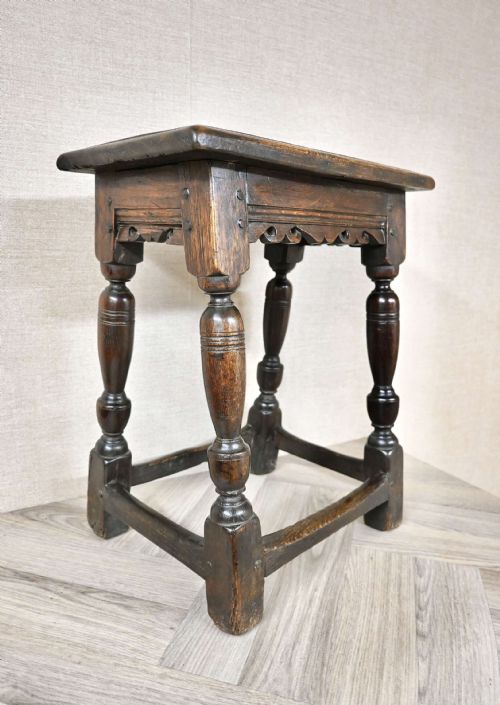
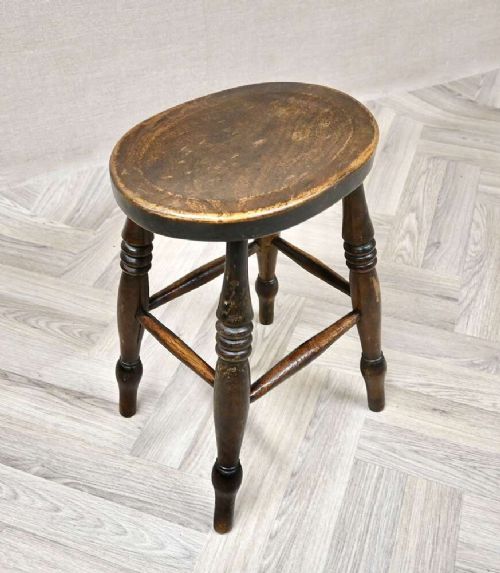
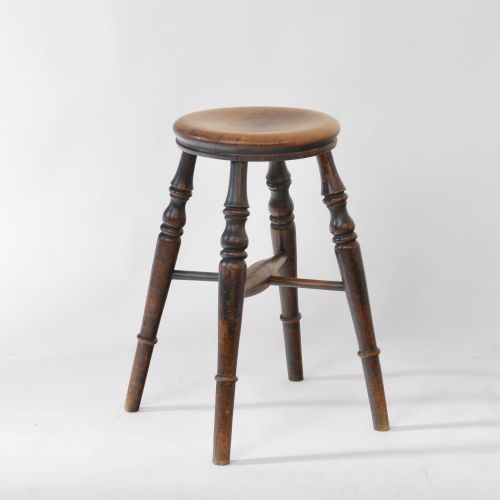
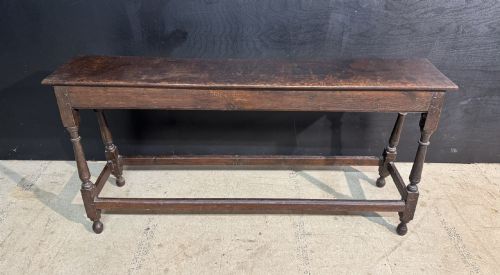
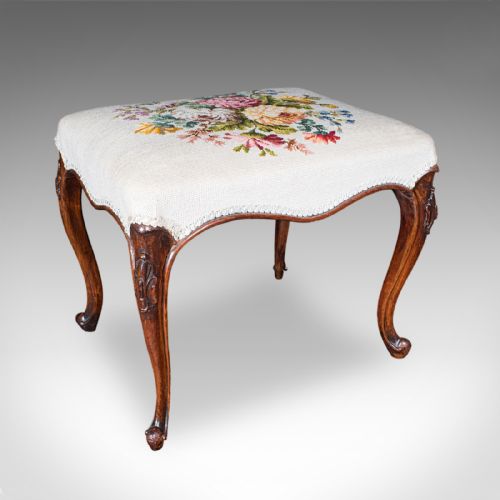
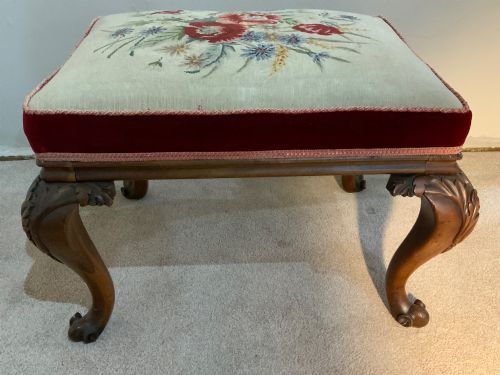
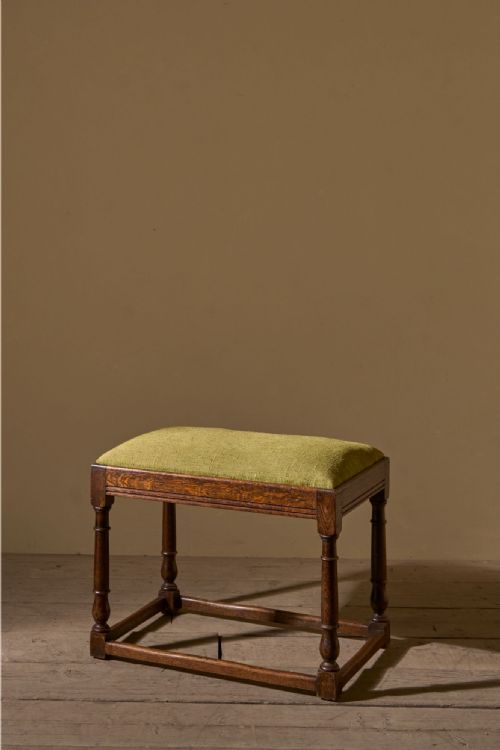
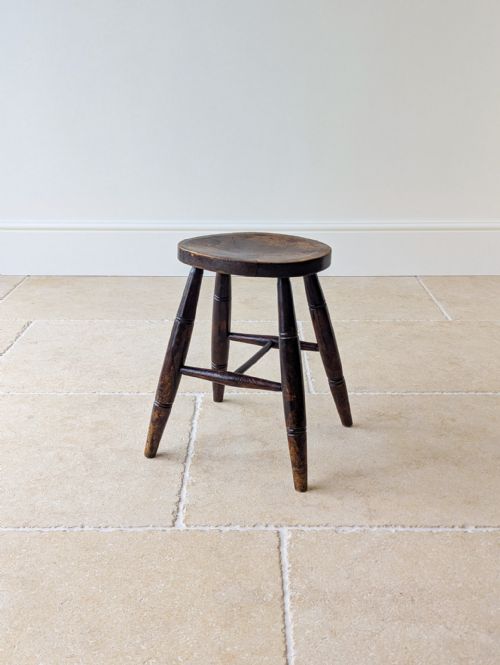
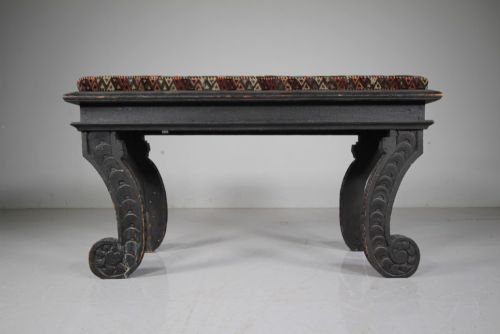
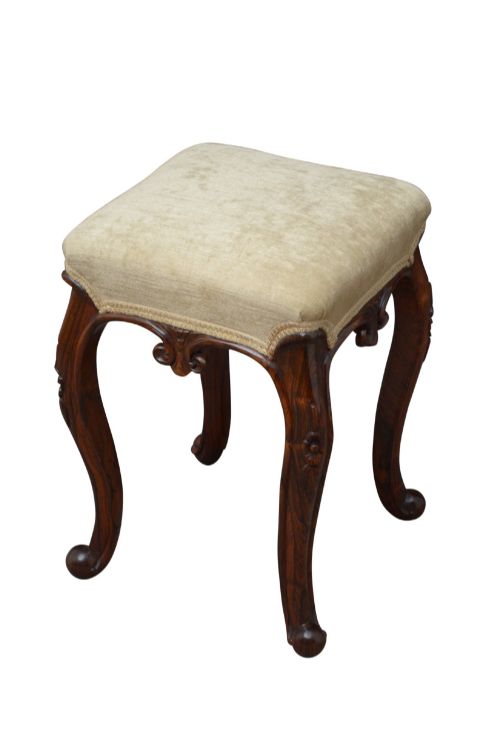
An english antique stool encompasses domestic seating without backs, emerging in forms as varied as seventeenth-century joined timber frames, rustic elm milking seats, and upholstered Victorian footstools. These pieces served practical household roles beside firesides, at dressing tables, or within taverns before evolving into decorative interior furnishings.
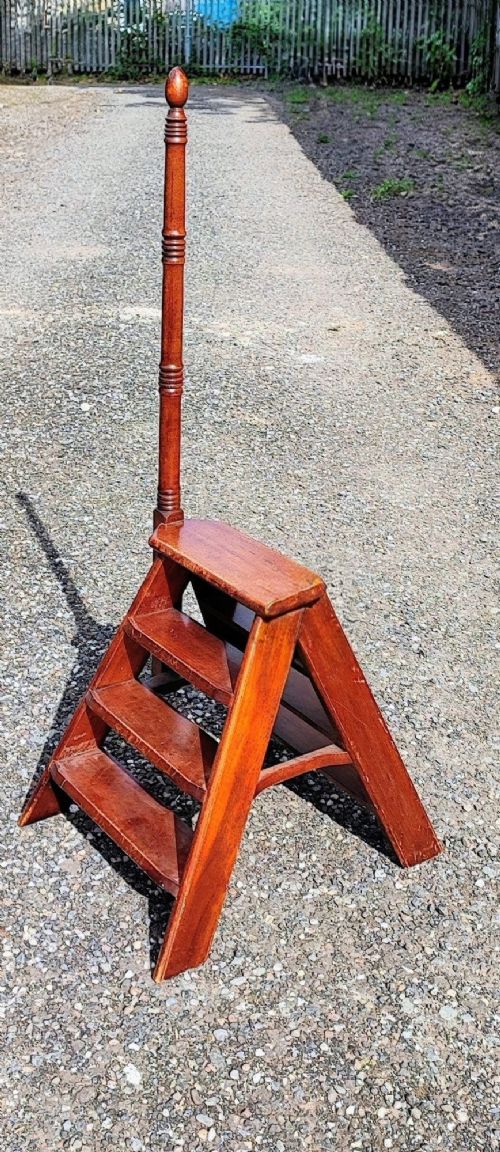
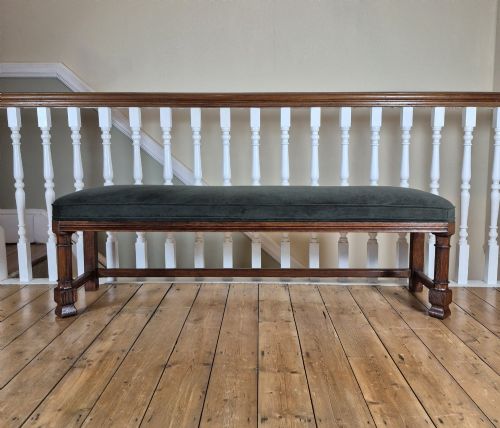
Buyers browsing this selection frequently encounter nineteenth-century vernacular seating alongside formal Georgian mahogany designs and Edwardian upholstered examples. Functional variations extend to library steps, piano benches, and compartmented box stools designed for storage.
Origins trace across English provincial workshops and urban cabinet makers using traditional joinery, turning, and upholstery methods suited to each specific period.
Materials and Craftsmanship
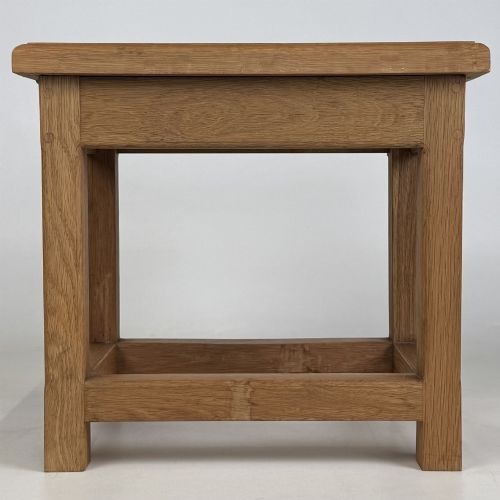
Cabinet makers and provincial joiners relied heavily on native hardwoods, selecting durable oak and walnut for formal seating alongside elm, ash, sycamore, and fruitwood for country vernacular pieces. Timber was joined using traditional pegged mortise and tenon joints or turned framing to ensure structural longevity under daily domestic use.
Surface finishing and upholstery varied according to status and decade, incorporating hand-dyed leather, needlepoint textiles, velvet, and heavy linen over webbing or buttoned padding. Secondary elements utilised brass castors, steel hardware, and rush seating to complete the construction.
Several diminutive leather beasts wait patiently by the hearth, serving as sturdy footrests rather than guard dogs.
Evaluating Quality and Character
Quality rests upon the integrity of the original timber frame, the retention of honest surface patination, and the survival of period upholstery or sympathetic reupholstery. Pieces retaining original pegged joints, untouched surface colour, and authentic wear demonstrate superior craftsmanship compared to heavily altered examples.
Proportion and stylistic cohesion separate standard utility seating from finer workshop productions, whether evaluating the carved detail on a baroque framework or the balanced turning on provincial country legs.
Howard And Sons·Omersa For Liberty
The English Stool Glossary
- Joint stool
- A solid wooden seating frame constructed with pegged mortise and tenon joints rather than simpler pegged dowels, common in the sixteenth and seventeenth centuries.
- Commode chair
- A seated furniture form enclosing a chamber pot or sanitary recess, often disguised as a standard chair or low stool during the Georgian period.
- Needlepoint
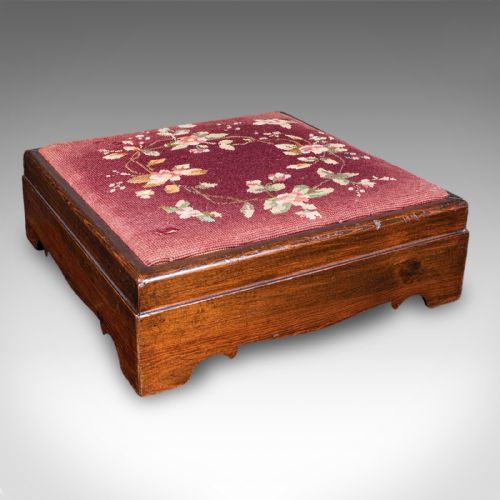
- A form of counted thread embroidery stitched onto canvas ground, frequently applied as decorative upholstery on Victorian footstools and fireside seats.
- Box stool
- A low seating form featuring a hinged or lift-off top revealing an internal compartment used for storing textiles, papers, or household accessories.
English Stool: Frequently Asked Questions
How do I identify a 17th-century joint stool?
Seventeenth-century joint stools are characterised by sturdy rectangular oak frames, heavily turned legs, and pegged mortise and tenon joinery designed to withstand heavy domestic use.
Over centuries, these pieces develop a deep patination on the bare timber, distinguishing them sharply from later revival pieces made in imitation of early styles.
What is the difference between a footstool and an ottoman?
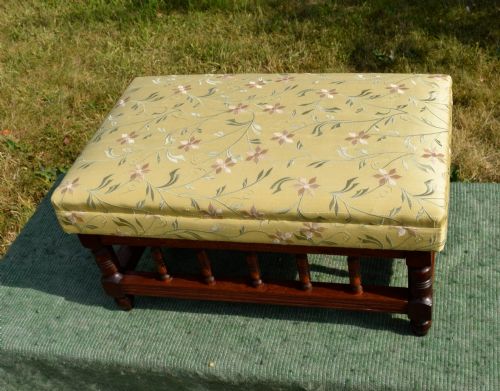
Traditional footstools generally offer compact, low-profile support for resting feet by a fireside, often upholstered in needlepoint, leather, or heavy linen.
Ottomans tend to be larger, occasionally incorporating hinged lids for internal storage or functioning as casual low coffee tables within Victorian and Edwardian interiors.
Where were elm and ash stools used?
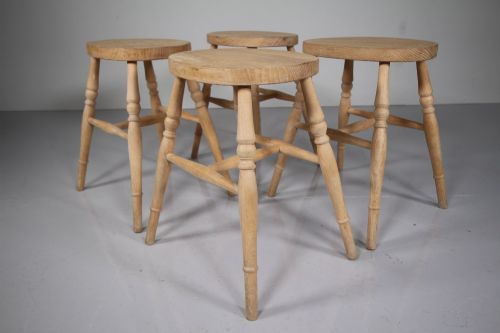
Elm, ash, and fruitwood stools originated primarily in rural workshops and provincial kitchens, serving as practical seating for daily agricultural and domestic labour.
Their simple turned legs and solid timber slab seats reflect utilitarian country traditions distinct from urban, highly polished mahogany and walnut drawing-room furniture.
How should I care for antique leather upholstery?
Antique leather seating requires gentle cleaning with appropriate conditioning treatments to preserve the original hand-dyed finish and prevent the material from drying out.
Avoiding direct sunlight and excessive dry heat helps maintain the natural flexibility and deep patination of nineteenth-century leather surfaces.