


English Frames
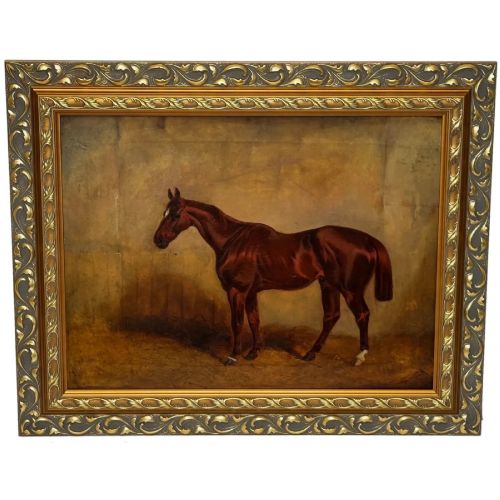
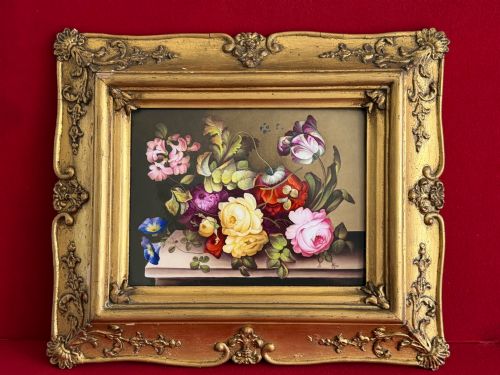
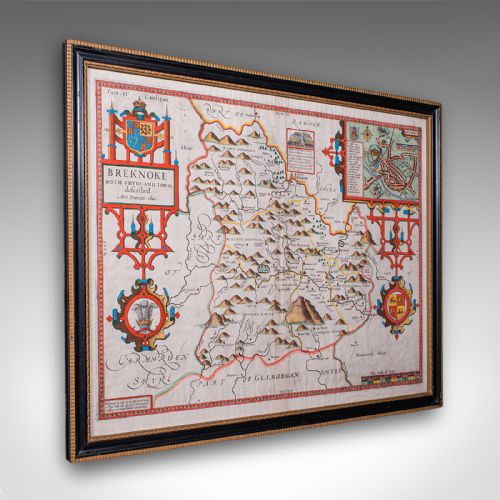
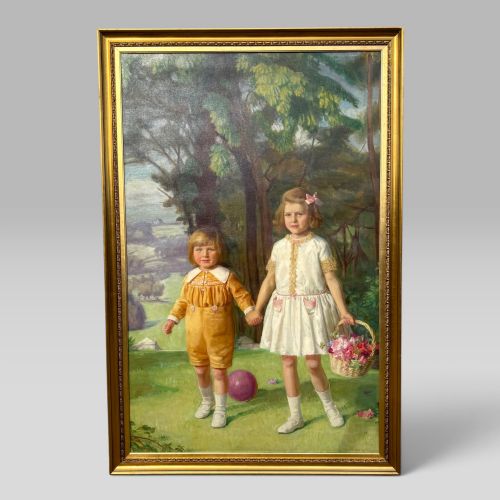
When you search for english antique frames, you encounter timber, gesso and gilt structures that preserve historic portraits, maps and mirrors across multiple centuries.
English Frames
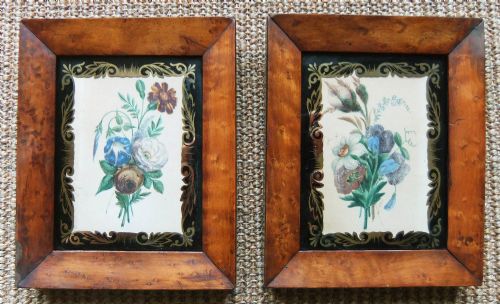
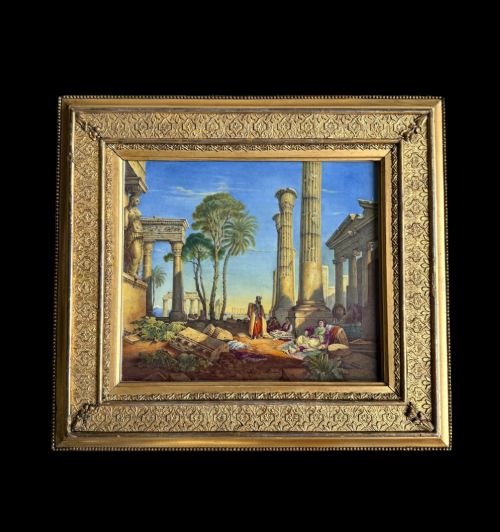
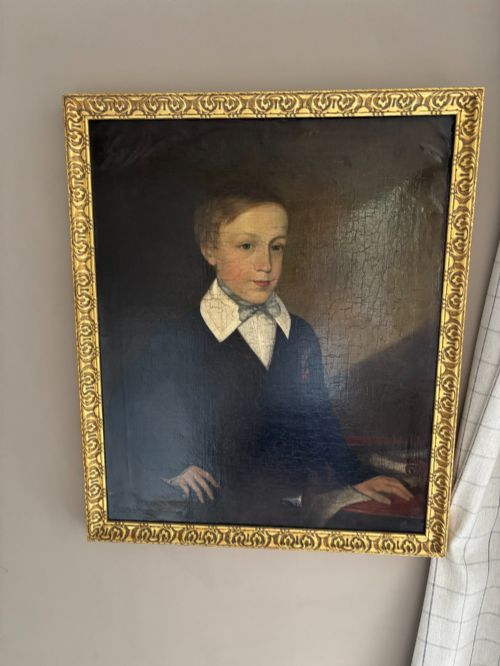
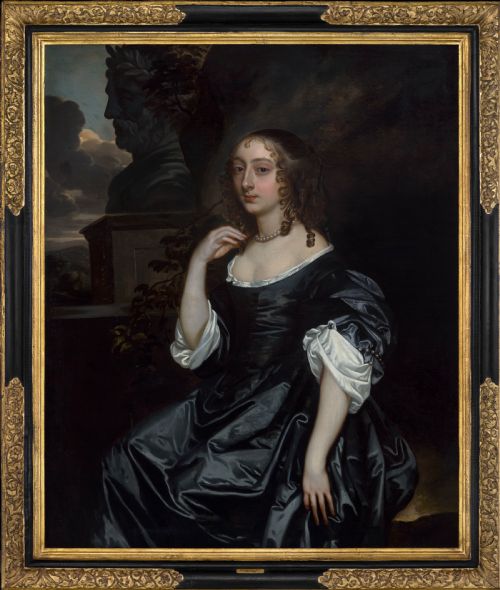
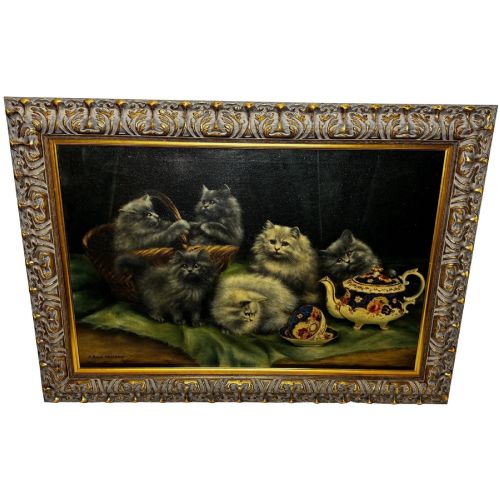
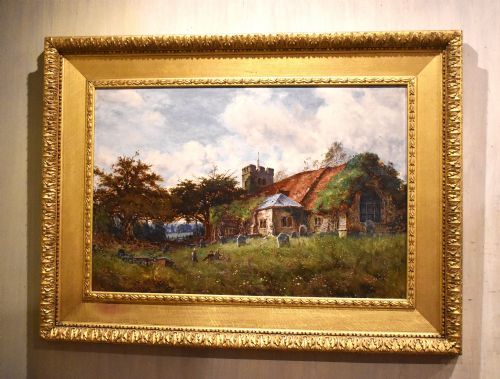
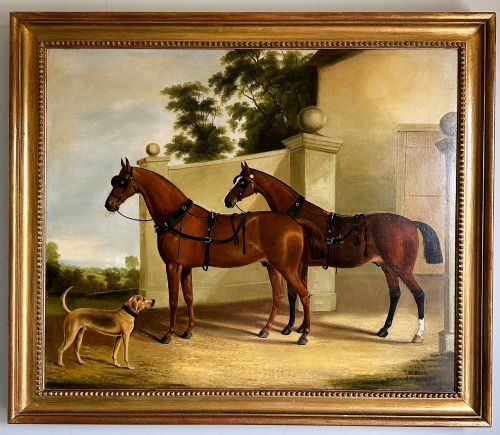
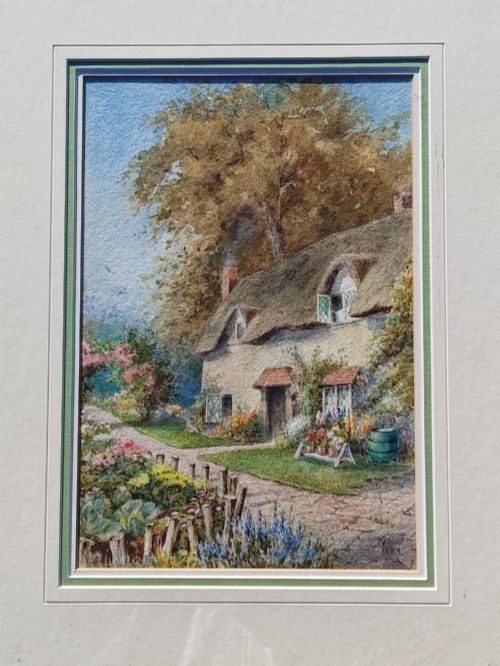
Buyers browsing english antique frames primarily encounter protective surrounds for oil paintings, watercolours, engravings and wall mirrors originating from the seventeenth century through to the Victorian era. These objects incorporate structural timber bases finished with moulded ornament or gilded surfaces designed to complement domestic interiors of their period.
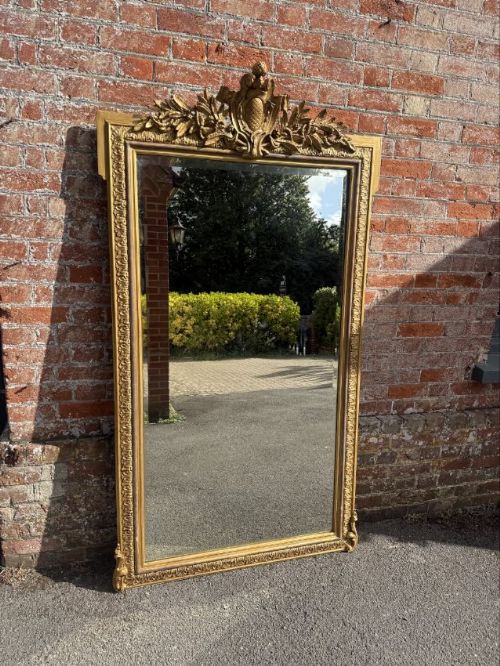
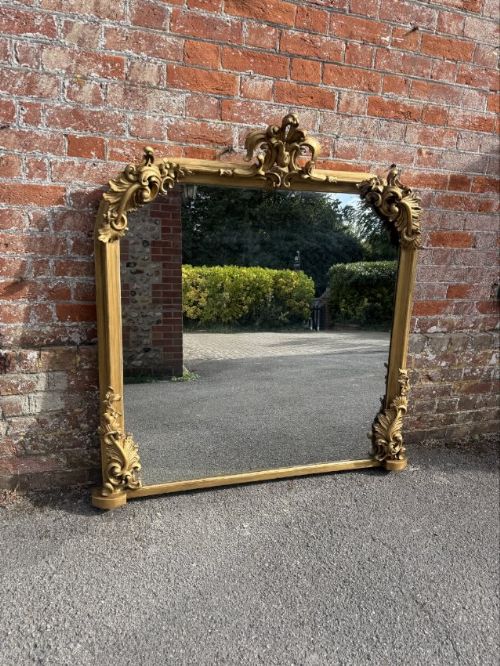
The selections available range from sturdy carved wood and gesso overmantle mirrors to narrow mouldings enclosing portrait paintings and maps. Seventeenth-century examples often present darker carved wooden profiles, while nineteenth-century items favour elaborate gilt plaster work and shaped tops.
Survivals on this page frequently accompany works on canvas or paper, though purchasers regularly assess the boundary where the art piece and its housing intersect. Identifying the correct period style helps match a frame to the specific artwork it protects.
Materials and Construction Techniques
Makers constructed the foundational structure of english antique frames from seasoned woods such as mahogany, pine or oak, joining corners securely to bear the weight of glass and heavy canvases. Artisans then applied layers of gesso, a mixture of chalk and size, directly onto the timber base to build up reliefs.
Carvers incised intricate patterns and rope twists into the prepared gesso surface or built up high-relief ornamentation by hand. Finishes typically involved the application of gold leaf over bolus, or simpler dark polished wood surfaces suited to early domestic environments.
Listings feature items spanning the 17th Century, 18th Century, and 19th Century alongside Victorian and Regency periods.
Assessing Craftsmanship and Preservation
The distinction between standard mouldings and superior examples rests upon the depth and crispness of the carved gesso ornamentation. Master craftsmen achieved sharp undercut details and smooth joins that resisted cracking over generations.
Original gilding and untouched surface patinas elevate an item significantly above pieces stripped down and re-gilded in later workshops. Structural integrity, minimal loss to applied plaster work, and authentic period backing materials further separate superior survivals.
Sir Peter Lely·George F. Bird·Agnes Augusta Talboys·James Elliot·Samuel Joseph Clark·John Greenhill·Robert Byng·Benjamin Barker of Bath·Cornelius Johnson·Cuthbert Crossley·Thomas Thomas·Robert Alexander Hillingford·William Woollett·George Stubbs·Mary Beale·Edward Charles Williams·William Shayer
The English Frames Glossary
- Gesso
- A dense preparation mixture of chalk, gypsum and animal glue applied to wooden frames to create a smooth surface for carving or gilding. This layer allows artisans to achieve crisp decorative mouldings.
- Giltwood
- Timber that has been coated in thin sheets of gold leaf, creating a brilliant metallic finish common in formal mirrors and oil paintings. It reflects interior candle and daylight.
- Overmantle
- A large mirror or painting specifically proportioned to hang directly above a fireplace mantelpiece. These pieces often feature shaped tops and substantial carved wood frames.
- Hogarth Frame
- A distinctive narrow timber moulding with a rounded profile, frequently finished in dark lacquer or black paint. It gained popularity during the eighteenth century for framing engravings.
- Doublet
- A close-fitting padded jacket worn by men during the Renaissance and seventeenth century, often visible in portraits preserved inside period frames. It marks the clothing style of the sitter.
English Frames: Frequently Asked Questions
How do I date an antique frame?
Dating relies on examining the timber species, the composition of the gesso layer, and the style of the corner joints. Earlier examples from the seventeen hundreds use heavier hand-carved elements, whereas later Victorian versions often rely on moulded plaster.
Matching the frame profile to the period of the enclosed painting or mirror provides a reliable secondary indicator of age.
Can I hang an antique mirror safely?
Heavier timber and gesso overmantle mirrors require secure wall fixings anchored directly into masonry or structural studs. Professional assessment of the hanging wire and backboards ensures the weight distributes evenly.
Routine checks of the original joints prevent accidental separation of the mitred corners over time.
How should I clean gilded wood?
Dusting gently with a dry, ultra-soft artist brush prevents particulate buildup without disturbing fragile gold leaf. Moisture and modern chemical cleaners strip away the delicate original bole and metallic surface.
Conservative maintenance preserves the historic patina developed across centuries in domestic spaces.
Why are some frames darker than others?
Earlier seventeenth-century examples frequently utilised dark polished woods or toned finishes suited to panel portraits and Jacobean interiors. Later periods shifted towards bright reflective giltwood to maximise light in formal reception rooms.
Environmental exposure and aged varnish layers also deepen the colour of exposed timber over long periods.