

English Coffee Cup
An english antique coffee cup brings the weight of eighteenth and nineteenth century kilns straight to the morning table.
English Coffee Cup
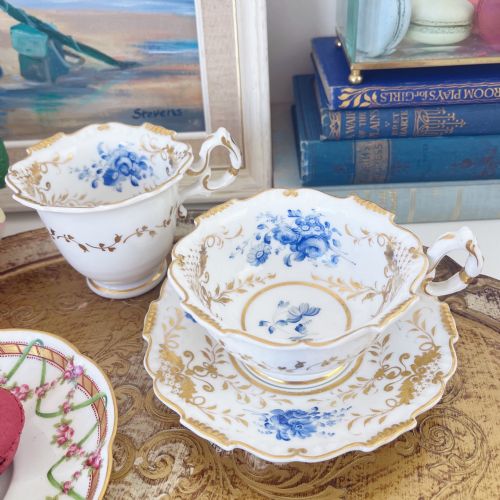
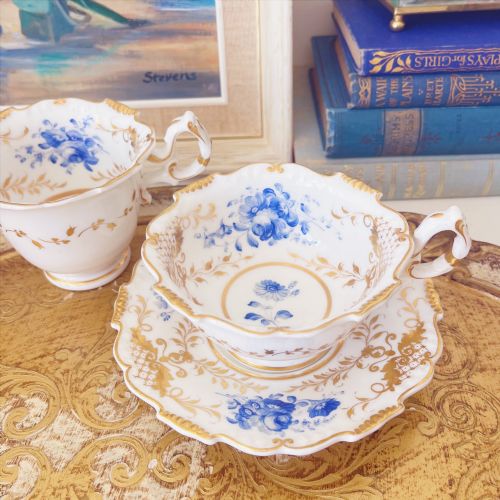
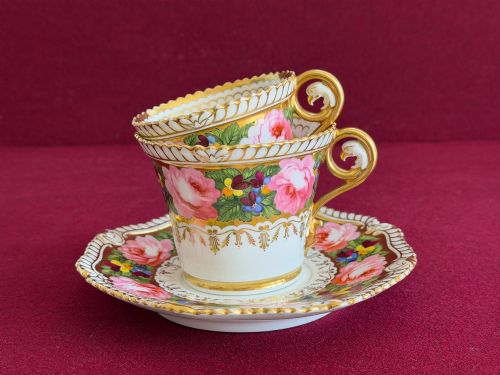
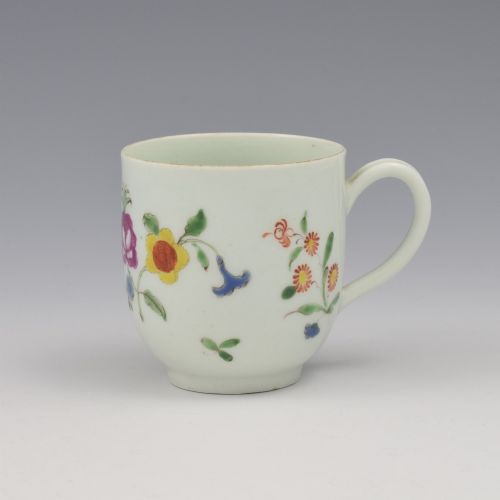
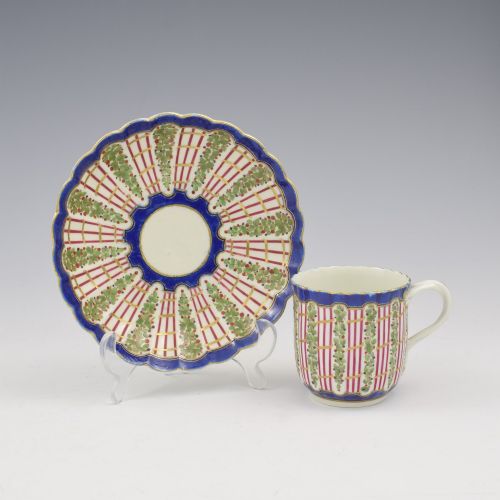
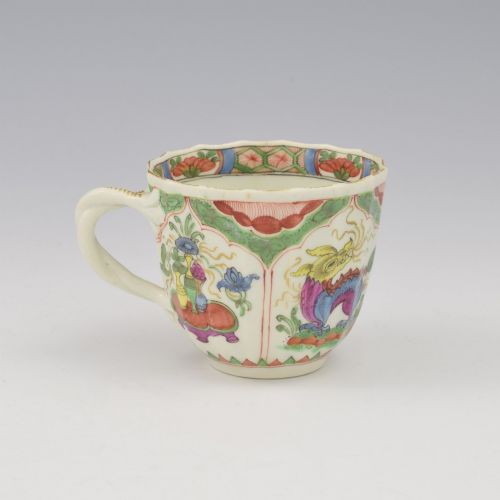
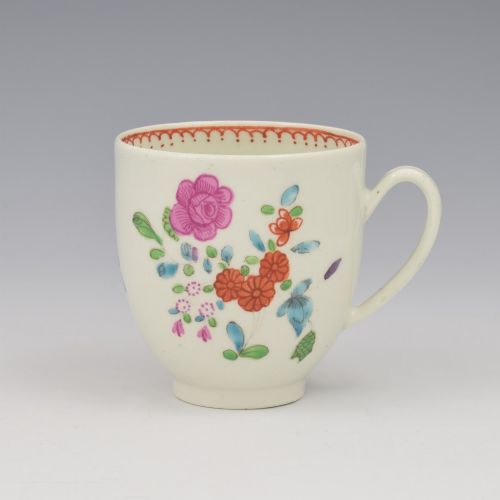
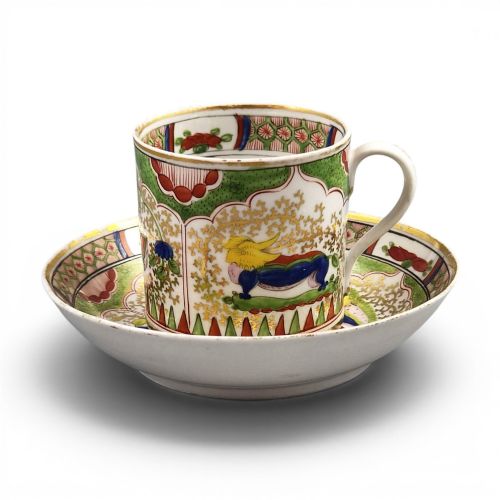
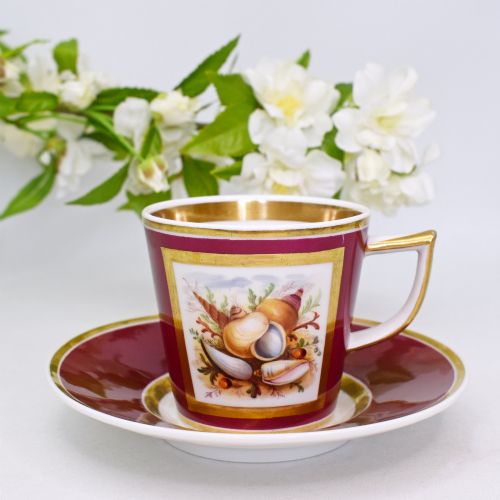
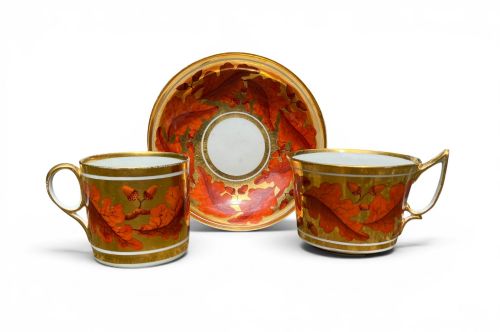
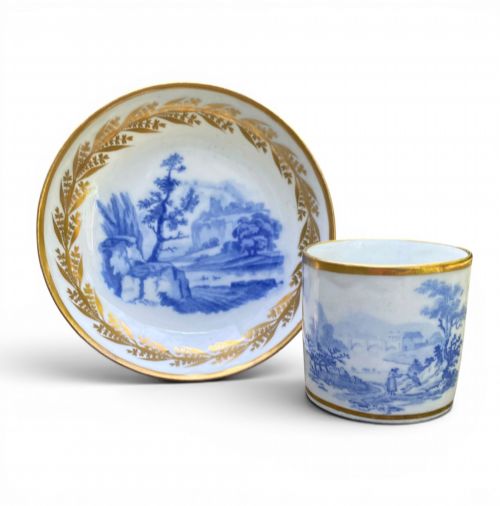
When you search for an english antique coffee cup, you encounter small porcelain vessels made for hot brew across the eighteenth and nineteenth centuries, spanning Georgian, Regency, and Victorian periods. The pieces appearing here most often take the form of straight-sided coffee cans or delicate handleless cups paired with matching saucers.
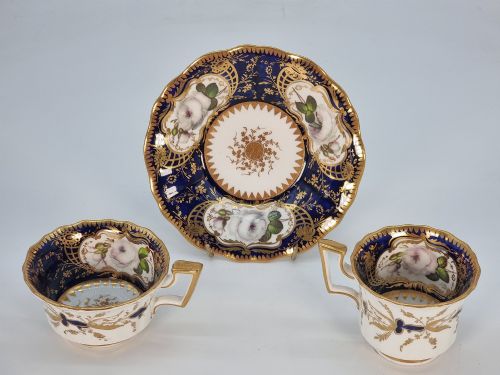
Makers from historic centres such as Worcester, Derby, Coalport, and New Hall dominate the selection, alongside pieces from Spode, Minton, and Davenport. Forms range from eighteenth century soft-paste porcelain painted with Chinese figures to Regency bone china and nineteenth century cabinet trios.
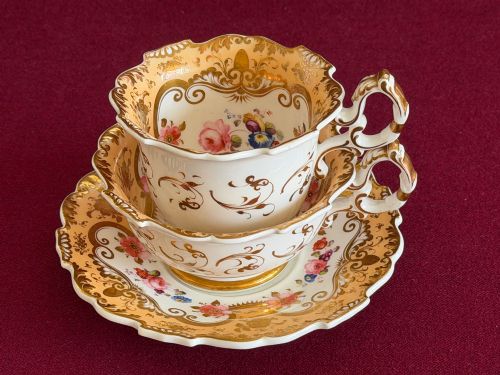
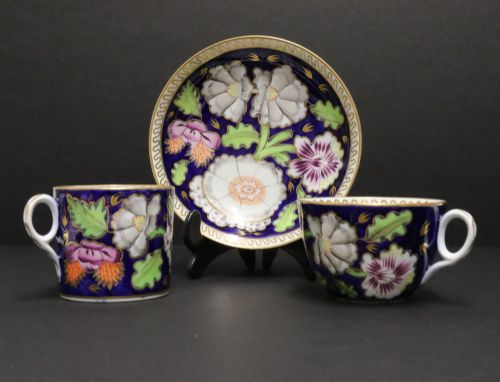
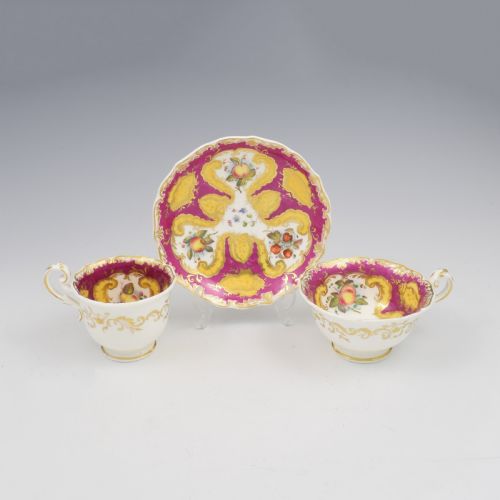
Many survivors arrived paired with teacups in matching trios, reflecting the shifting social habits of tea and coffee drinking in British parlours. The variety spans early blue and white underglaze decoration up to handpainted floral and Imari patterns from the 1820s and 1830s.
How they were made
Potters shaped these vessels using soft-paste porcelain or later bone china, throwing or moulding the clay before firing in coal-fired kilns. Early eighteenth century pieces relied on soft-paste recipes that absorbed glaze differently, giving a warm translucency.
Painters applied cobalt blue under the glaze or built up polychrome designs by hand using enamel colours and gold leaf gilding. Gilders added gold gilt accents by hand, which were then fixed with a second firing in the muffle kiln.
Listings feature eighteenth century soft-paste porcelain alongside nineteenth century bone china and twentieth century Royal Worcester demitasse cups.
What varies in quality
The standard of an english antique coffee cup rests upon the crispness of the porcelain body and the ambition of the painting. Pieces featuring handpainted landscapes, birds, or intricate Chinoiserie figures executed by skilled decorators stand apart from simpler transfer-printed wares.
Preservation of the original gilding and enamel colours dictates the desirability of a piece. Firing flaws inherent to early kilns appear across genuine examples, but the precision of the potter's throw and the fineness of the potting separate standard domestic output from high-status cabinet pieces.
H & R Daniel·Chamberlain Worcester·Richard Chaffers·Coalport·Dr Wall Worcester·Flight & Barr·Yates Leeds·New Hall·Minton·Spode·Thomas Steel·Royal Worcester·Davenport
The English Coffee Cup Glossary
- Coffee can
- A straight-sided cylindrical cup made specifically for drinking coffee, popular during the Georgian and Regency periods without the curved bowl of a teacup.
- Trio
- A matched set consisting of a teacup, a coffee cup, and a saucer, designed to accommodate both hot beverages at the breakfast or drawing-room table.
- Soft-paste porcelain
- An artificial ceramic body fired at lower temperatures than hard-paste porcelain, common in eighteenth century English factories before bone china became dominant.
- Gilding
- The application of gold leaf or gold paint to the rims, handles, and borders of ceramics to enhance their decorative richness.
- Chinoiserie
- European artistic style reflecting Chinese motifs and figures, frequently handpainted on eighteenth century porcelain.
English Coffee Cup: Frequently Asked Questions
What is a coffee can?
A coffee can is a cylindrical, straight-sided cup designed without a footed bowl or sometimes without a handle, intended for serving strong coffee in the eighteenth and nineteenth centuries.
These vessels were often potted alongside saucers and formed part of larger tea and coffee services used in formal parlours.
How do I date an antique cup?
Dating relies on identifying the paste type, factory marks on the base, and stylistic clues such as Regency shapes or eighteenth century transfer printing.
Comparing the handle form and floral or landscape painting styles against known factory production periods narrows down the exact decade of manufacture.
Can I use them for daily coffee?
Historic porcelain requires careful handling and hand washing rather than modern dishwashers due to fragile enamels and antique gold gilding.
Many collectors prefer to display or occasionally use these cups for special occasions rather than daily service.
What is a porcelain trio?
A trio is a matching set comprising a teacup, a coffee cup, and a saucer, allowing a host to serve either beverage from the same service.
These sets were fashionable across the Regency and early Victorian periods for formal morning or afternoon gatherings.