


English Carver
An English antique carver provides comfortable seating with integrated armrests, bridging the gap between a standard dining chair and an armchair.
English Carver
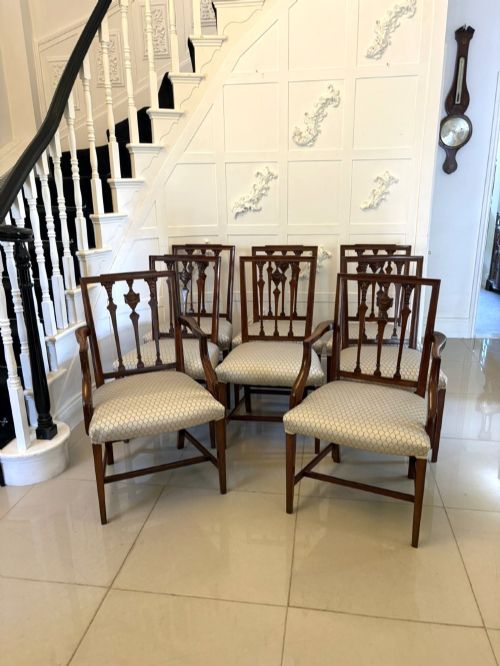
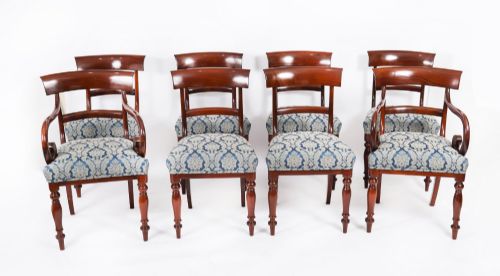
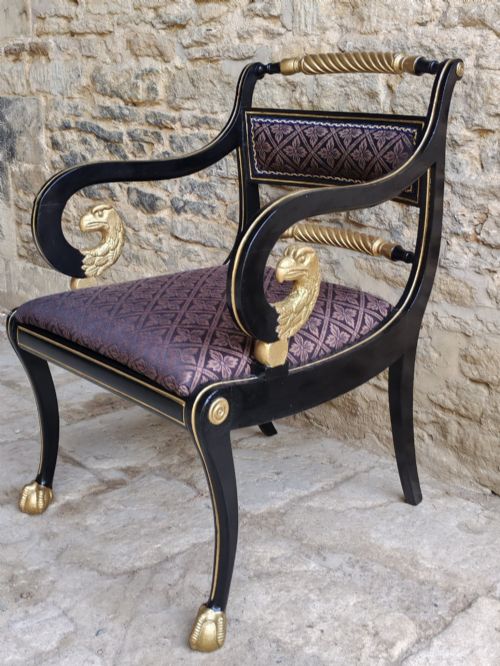
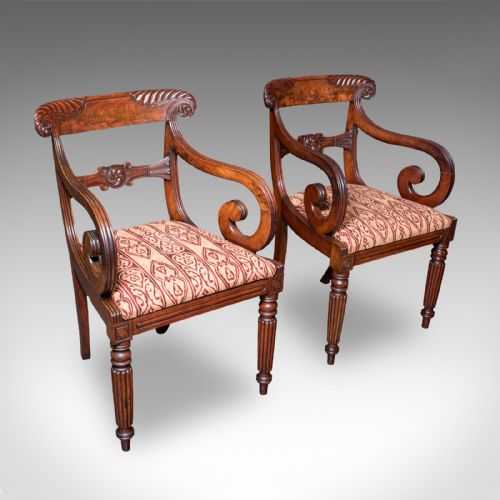
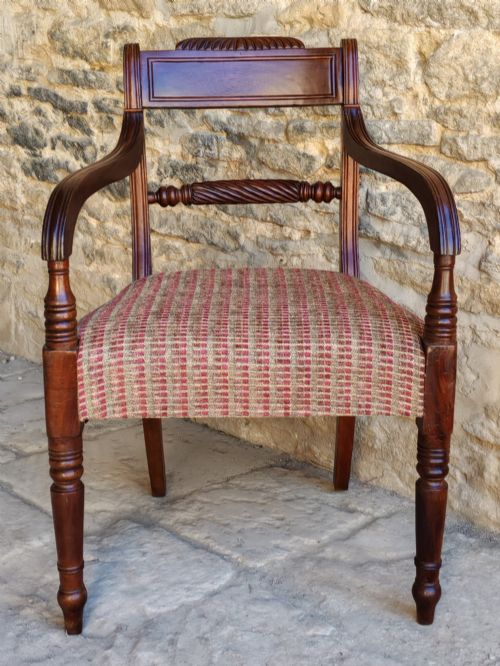
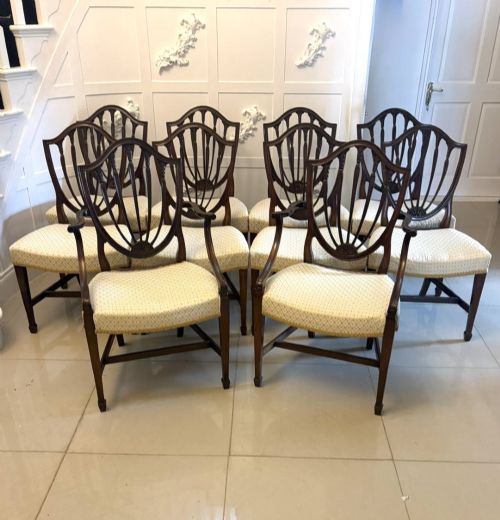
An English antique carver encompasses both formal mahogany dining armchairs from the Georgian and Regency periods and robust country vernacular seating.
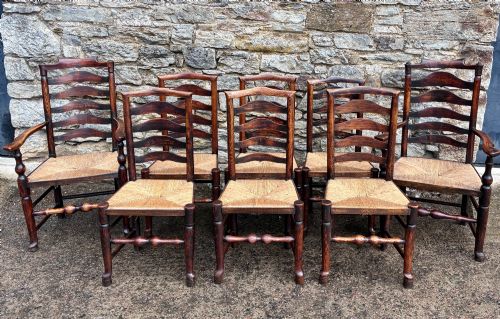
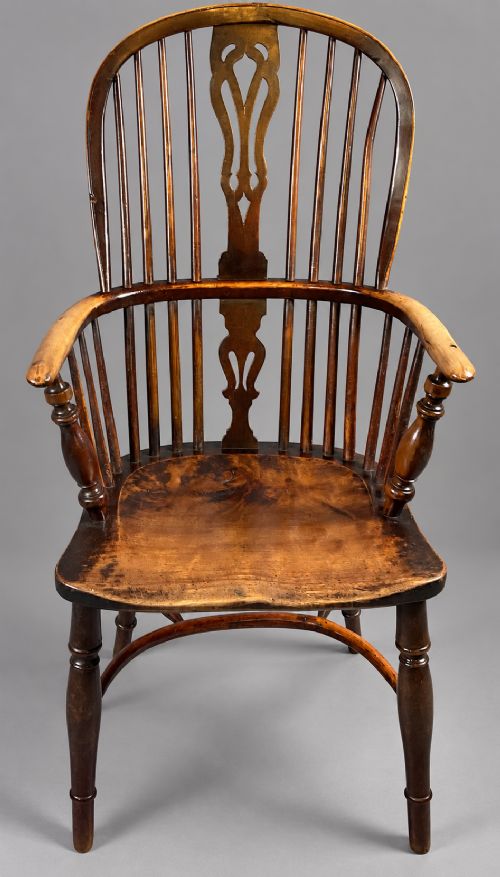
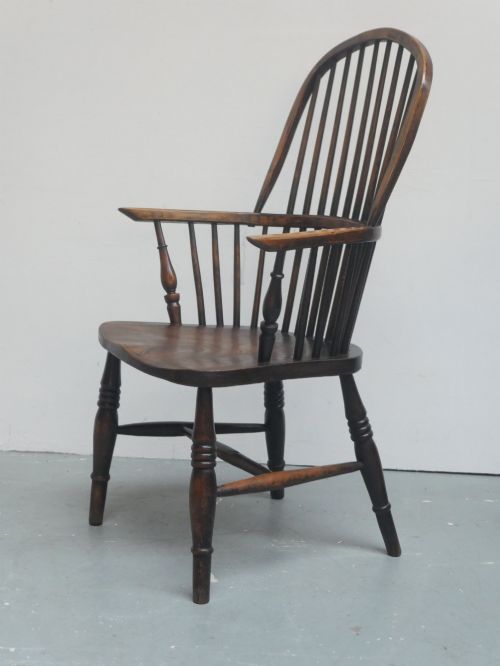
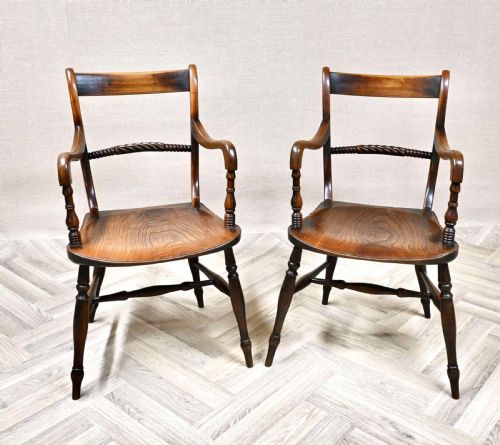
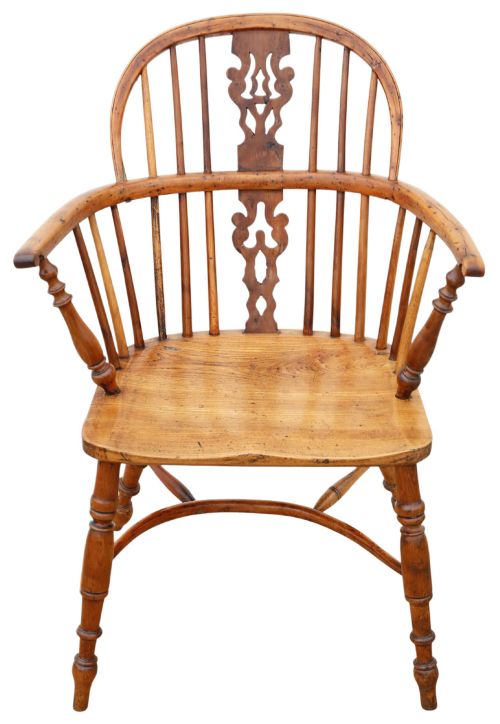
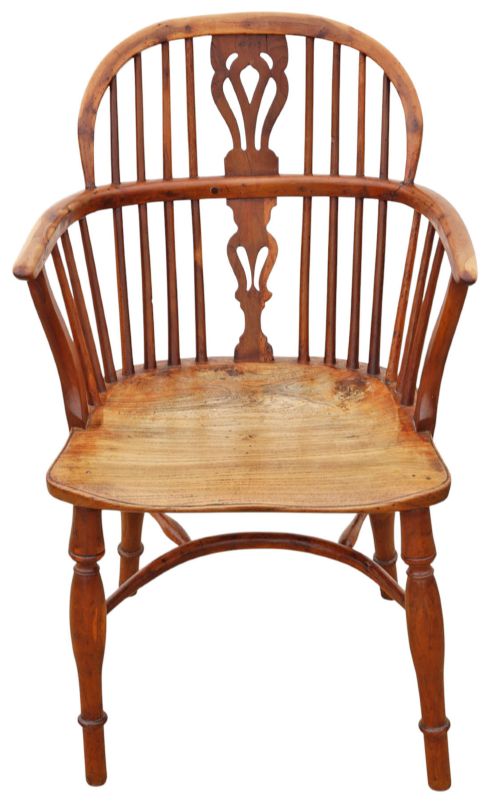
The country tradition is heavily represented by Windsor armchairs, ladderbacks, and spindlebacks originating from rural workshops during the eighteenth and nineteenth centuries.
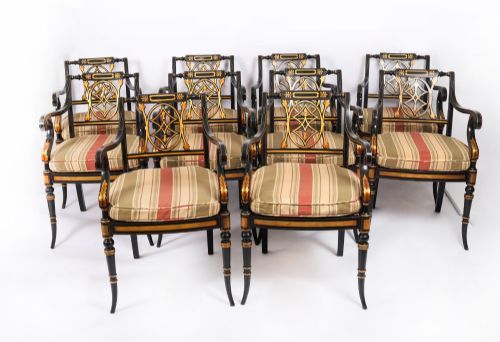
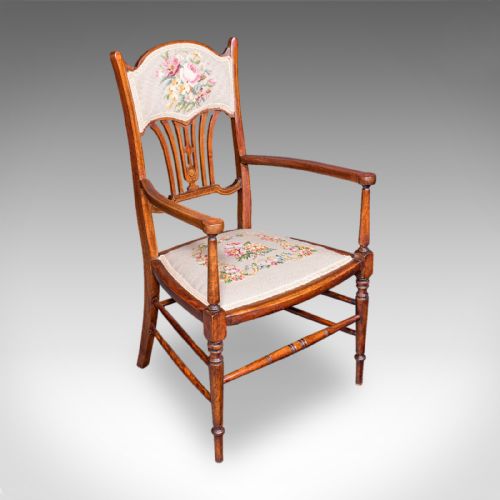
Formal town versions display stylistic influences from designers like Chippendale and Hepplewhite, utilised traditionally at the head of a dining table or within a library.
How They Were Made
Country carvers utilise mixed timber construction, typically pairing flexible ash or elm seats with steam-bent yew, beech, or fruitwood hoops and spindles.
Formal urban seating relies on dense mahogany or oak, joined with traditional mortise and tenon techniques and finished with drop-in seats upholstered in leather, fabric, or rush.
Listings feature timbers including elm, ash, mahogany, beech, rush, oak, yew, and fabric across Georgian, Victorian, and Regency periods.
What Varies in Quality
The distinction between ordinary and exceptional examples rests upon the fluidity of the timber bending, the crispness of carved details such as wheelbacks or ropetwists, and the integrity of the original joints.
Surface patination and timber selection significantly influence worth, with richly figured yew wood or untouched aged mahogany commanding greater appreciation than later replacements.
Philip Clissett·Maple And Co·Gillows
The English Carver Glossary
- Carver
- An armchair designed with arms to match a set of dining chairs, historically placed at the head of the table. These seats provide broader proportions than standard side chairs.
- Windsor
- A wooden chair featuring a solid sculpted wooden seat into which the legs, back spindles, and bow are independently fitted. This form developed extensively in English rural districts.
- Vernacular
- Everyday domestic furniture made by regional joiners rather than urban cabinetmakers, following local traditions rather than high fashion. These pieces emphasise utility and local timber availability.
- Spindle back
- A chair back constructed from a series of slender turned wooden uprights arranged vertically between a top rail and the seat. This construction method offers lightweight strength.
- Ladderback
- A chair back formed by a series of horizontal arched wooden slats resembling a ladder between two upright posts. This style appears frequently in English country dining seating.
English Carver: Frequently Asked Questions
What is an English antique carver chair?
An English antique carver chair is an armchair traditionally designed to match a set of dining chairs, offering armrests for comfort at the head of a table.
These pieces span both refined formal mahogany drawing room models and sturdy rural elm or ash country armchairs.
How do I identify a Windsor carver?
A Windsor carver is identified by a solid carved wooden seat that receives the legs and back components directly into bored holes.
They frequently feature bentwood hoops, spindle backs, and combinations of yew, elm, and ash timbers.
Where were carver chairs used historically?
Carver chairs were primarily positioned at the head and foot of formal dining tables for the host and hostess.
They also served utilitarian functions in libraries, offices, and country house morning rooms as desk or occasional seating.
What woods were used in these chairs?
Makers utilised native British hardwoods depending on the regional style and intended function of the chair.
Formal urban pieces relied on imported mahogany and native oak, while country workshops turned to elm, ash, beech, fruitwood, and yew.
How do I date an antique carver?
Dating relies on observing stylistic markers such as Chippendale splats, Regency reeding, or Victorian proportions alongside construction marks and timber oxidation.
Comparing structural joinery methods helps distinguish eighteenth-century origins from later nineteenth-century revival interpretations.