

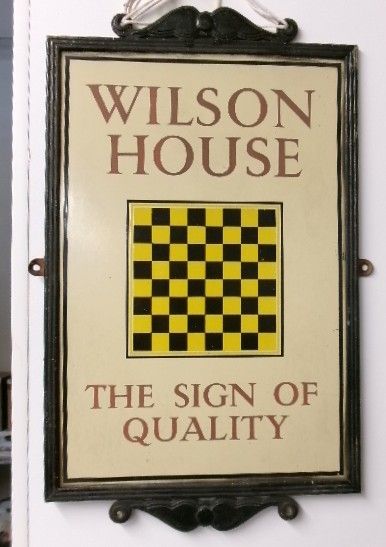




Enamelled Metal Sign
These enamelled metal sign examples bring durable commercial graphics and Japanese decorative work to your walls, combining robust construction with striking visual design.
Enamelled Metal Sign
An enamelled metal sign encompasses both utilitarian British advertising and street signage alongside intricate Japanese cloisonne and champleve decorative pieces. You will encounter robust iron and copper advertising plaques alongside delicate Meiji period chargers, dishes, and miniature vases.
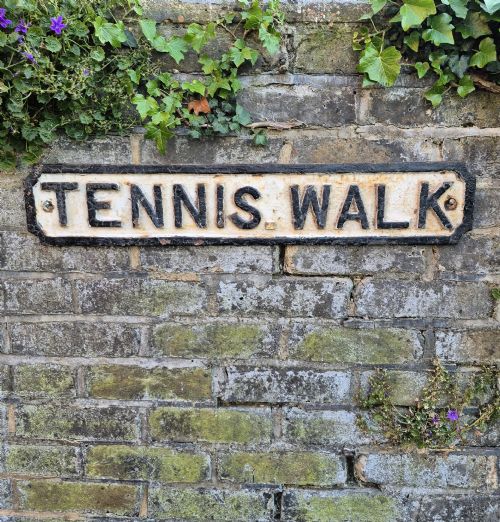
The British examples span the Victorian, Edwardian, and early twentieth century industrial periods, featuring railway stations, street names, and household products like mustard and sausages. Japanese works from the nineteenth century utilise copper and total shippo bases to create detailed motifs such as dragons and natural scenes.
Commercial survival determined the range of wall signs and door notices available, whilst skilled craft workshops produced signed chargers and netsuke. Selecting a piece involves weighing the bold lettering of commercial trade boards against the refined technique of Japanese enamelwork.
Materials and construction methods
Makers formed the British commercial boards from heavy iron and metal sheeting before applying vitreous enamel to secure the lettering and pigment against weather. This fused glass surface provided a resilient finish for outdoor railway stations, shop fronts, and pharmacy displays.
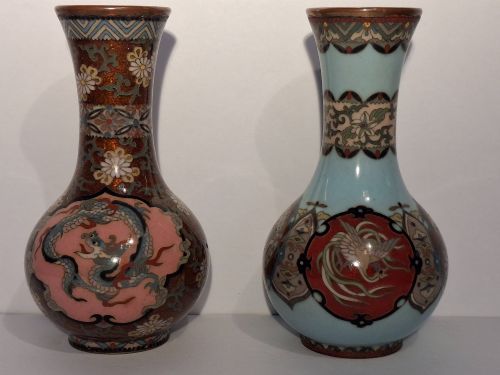
Japanese pieces relied on copper bases decorated with cloisonne wirework, champleve carving, or totai shippo techniques over wood cores. Artisans fired powdered glass pastes repeatedly at high temperatures to achieve deep coloured fields and precise pictorial details.
Enamelled Metal Sign Retail Price Guide 2026
Typical asking prices for enamelled metal sign among the pieces listed under this phrase on Sellingantiques today, from the lower quarter to the upper quarter. They describe what is for sale here now, not the wider market.
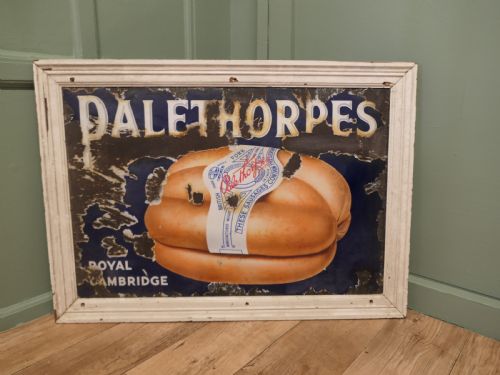
Palethorps sausages and Colman's starch once stared down daily commuters from glossy iron walls.
Assessing quality in enamelled pieces
Quality rests on the precision of the firing process and the clarity of the finished design, whether in commercial lettering or pictorial Japanese motifs. Finer Japanese chargers and miniature vases display exact wire placement and complex backgrounds, such as simulated tree bark.
Commercial sign boards rely on crisp typography, strong colour retention, and original framing or mounting hardware. Pieces that retain their full surface gloss and intended graphic impact stand apart from heavily weathered examples.
Tsukamoto Hikokichi·Kinkozan
The Enamelled Metal Sign Glossary
- Vitreous enamel
- Glass powder fused to a metal substrate at high heat. This creates a hard, glossy, and chemically resistant surface used on industrial signage.
- Cloisonne
- Enamelling technique where thin metal wires form compartments on a metal base to hold coloured glass pastes. Artisans then fire the piece to fuse the enamel.
- Champleve
- Enamelling method where troughs or cells are carved directly into a metal plate to receive coloured glass before firing. This technique produces bold linear designs.
- Totai shippo
- Japanese enamelwork created over a non-metal core, such as wood or porcelain, giving the appearance of traditional metal-based cloisonne. It often mimics natural textures like tree bark.
- Manju
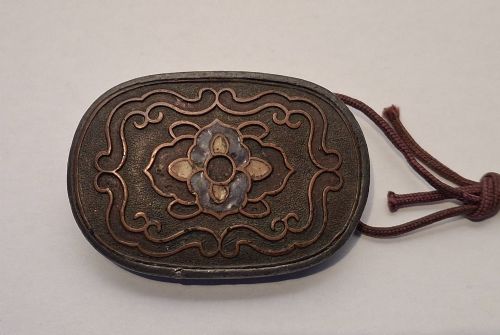
- A thick, round netsuke carved in the shape of a traditional Japanese bun. They frequently feature decorative metalwork or enamel insets.
Enamelled Metal Sign: Frequently Asked Questions
What is an enamelled metal sign?
An enamelled metal sign is a durable display piece featuring glass fused to a metal base, covering everything from British railway and shop advertisements to Japanese decorative art.
These items range from large commercial wall notices made for daily public use to delicate, signed vessels created in nineteenth century workshops.
How do I hang a heavy sign?
Heavy iron and copper signs require secure wall fixings suited to the weight of the metal and the supporting masonry or stud work. Professional framing or custom brackets help distribute the load safely without damaging the original edges.
Lighter pieces and framed trade signs often utilise standard picture hanging wire attached to reinforced backing frames or original mounts.
How are Japanese enamel pieces different?
Japanese enamel works from the Meiji period focus on intricate decorative motifs like dragons and natural scenes applied to copper vessels, chargers, and small netsuke. They employ specialised techniques such as cloisonne wirework and totai shippo rather than mass-produced commercial lettering.
British signs were built for functional outdoor advertising on railway stations and shop fronts, prioritising bold typography and weather resistance over fine decorative craft.
How do I date an enamel sign?
Dating relies on the style of the typography, the nature of the product advertised, and the specific construction materials visible on the reverse. Victorian and Edwardian railway or street signs often feature distinct lettering styles tied to particular transit networks and municipal authorities.
Japanese pieces are frequently dated by the Meiji period context and accompanying signatures from notable workshops and makers recorded on the base or body.