










Enamelled Ceramic Jar
An enamelled ceramic jar brings rich colour and painted detail to a room, spanning Qing Dynasty traditions and Meiji period Japanese works.
Enamelled Ceramic Jar
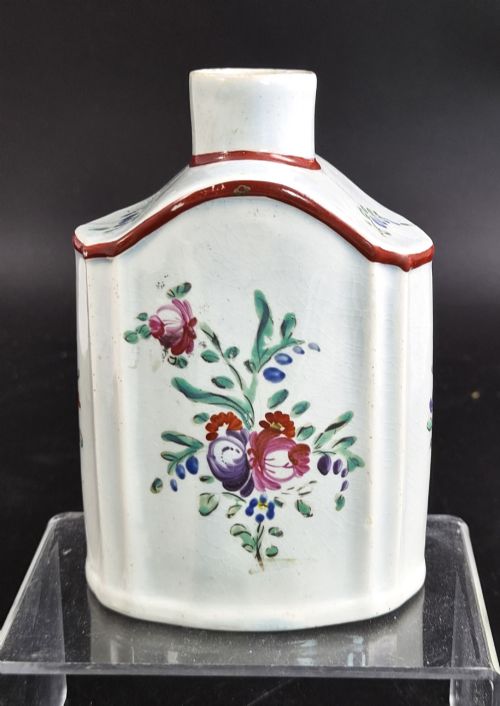
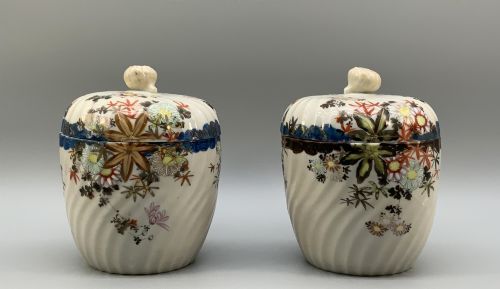
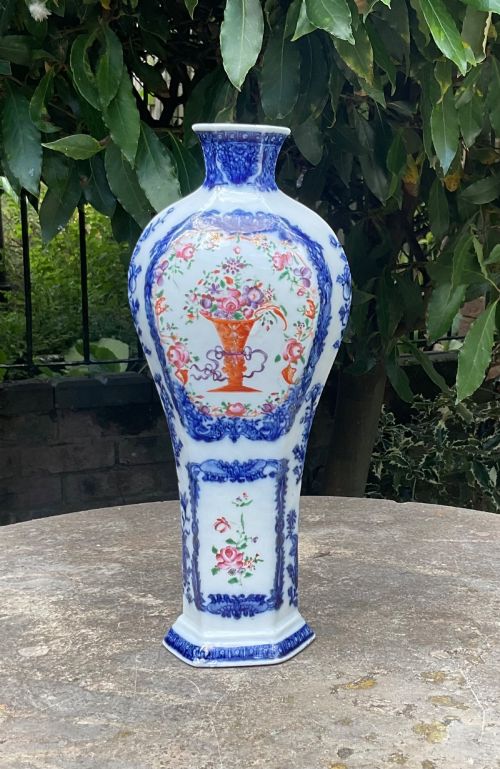
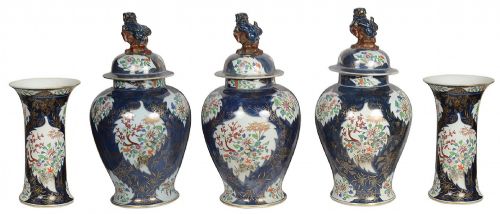
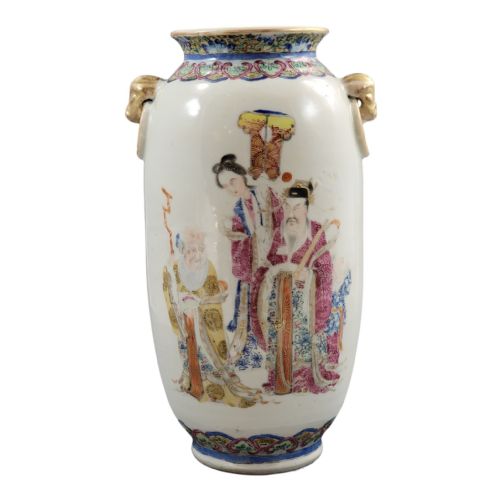
An enamelled ceramic jar represents centuries of ceramic artistry from China and Japan, taking forms such as ginger jars, lidded vessels, and koro incense burners. These pieces range from the 17th century through to the mid-20th century, capturing shifts in aesthetic tastes across dynasties and imperial periods.
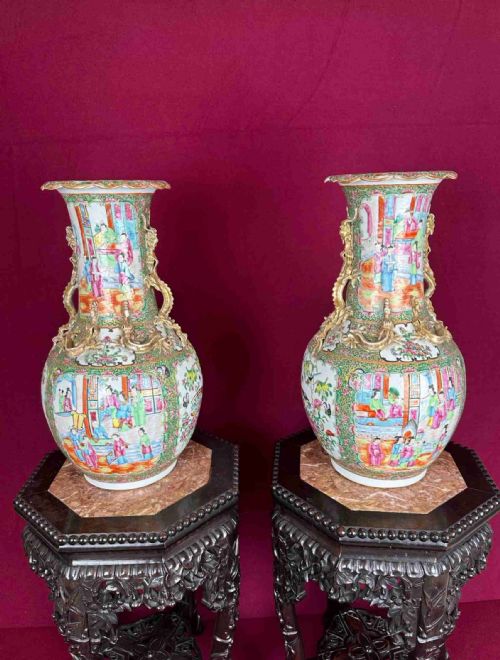
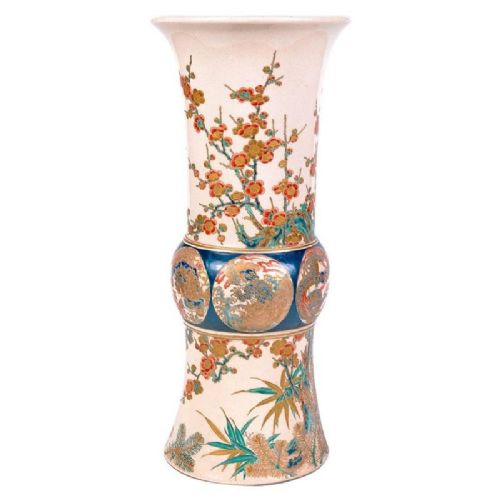
The selection here draws heavily on 19th-century production, featuring prominent styles like Famille Rose, Canton, and Satsuma wares. Buyers will frequently encounter lidded ginger jars and decorative baluster vessels adorned with floral motifs, figures, and dragons.
Originating from major ceramic centres like Jingdezhen alongside Japanese kiln sites, these objects combine utilitarian storage functions with intricate painted surfaces. The grouping bridges traditional Export wares and distinct regional studio pottery.
How they were made
Potters shaped the base bodies from porcelain, earthenware, or pottery, throwing or moulding them before applying initial glazes and underglaze pigments. Artisans then layered overglaze enamels, including iron-red, green, and turquoise pigments, alongside gold leaf and gilt detailing.
The decorated vessels underwent subsequent firings to fix the polychrome enamels and metallic leaf onto the ceramic surface. Specialised techniques like Totai Shippo involved applying enamel directly over a ceramic core, while other pieces utilised intricate hand-painted brushwork to delineate birds, flowers, and narrative scenes.
Enamelled Ceramic Jar Retail Price Guide 2026
Typical asking prices for enamelled ceramic jar among the pieces listed under this phrase on Sellingantiques today, from the lower quarter to the upper quarter. They describe what is for sale here now, not the wider market.
Tree bark textures rendered in cloisonne enamel meet ferocious dragons on sugar bowls.
What varies in quality
The standard of an enamelled ceramic jar depends heavily on the precision of the brushwork and the complexity of the enamel palette. Superior examples display crisp line work in the overglaze painting, balanced composition across the vessel, and controlled application of gold leaf.
Heavier, finely potted bodies and well-preserved surface enamels distinguish finer works from simpler production pieces. The depth of the colour saturation and the refinement of subsidiary borders separate standard decorative items from master-level studio output.
Shizan·Makuzu Kozan II
The Enamelled Ceramic Jar Glossary
- Famille Rose
- A palette of opaque overglaze enamels dominated by pink or rose colours, introduced in Chinese ceramics during the Qing Dynasty. It allowed for subtle shading and realistic depiction of floral and human subjects.
- Ginger Jar
- A broad-shouldered ceramic vessel with a high body and flat base, originally designed for storing spices and herbs. Lidded versions appear frequently in traditional Chinese porcelain.
- Koro
- A traditional Japanese incense burner, typically supported on three legs and fitted with an openwork cover. These vessels are frequently rendered in Satsuma earthenware or porcelain.
- Overglaze Enamel
- Coloured glass decoration applied on top of a fired and glazed ceramic body, requiring a lower-temperature second firing to bond. This technique permits a bright, varied palette including greens, reds, and yellows.
- Satsuma
- A type of Japanese earthenware characterised by a pale, ivory-coloured crackle glaze richly decorated with enamels and gilt. Production flourished during the Meiji period.
Enamelled Ceramic Jar: Frequently Asked Questions
What is an enamelled ceramic jar?
An enamelled ceramic jar is a vessel formed from porcelain or earthenware and decorated with coloured overglaze pigments, often fired multiple times to set the design. These pieces include ginger jars, lidded pots, and decorative vessels from Asian traditions.
They served both functional storage purposes and decorative display roles within interiors. The technique allows for intricate multi-coloured scenes depicting florals, figures, and mythical beasts.
How do I identify a Qing Dynasty jar?
Qing Dynasty jars are identified through characteristic styles such as Famille Rose, Famille Verte, or monochrome glazes applied to porcelain bodies. Formats range from large baluster floor vases to small lidded ginger jars.
Many bear reign marks or stylistic markers typical of 18th- and 19th-century Chinese kilns. The painting often incorporates traditional motifs like dragons, Buddhistic lions, and scholarly figures.
What is Meiji period Satsuma ware?
Meiji period Satsuma ware consists of earthenware ceramics featuring an ivory-coloured crackled glaze. These items are heavily decorated with detailed enamel work and gilt highlights.
Originating in Japan during the late 19th century, Satsuma pieces often depict narrative scenes or dense floral patterns. The combination of fine crackle glaze and ornate polychrome painting makes them distinct from Chinese porcelain.
How were these jars used historically?
Historically, lidded jars stored dry goods, spices, ginger, or tea leaves within merchant households and elite residences. Their sealed lids protected the contents from moisture and pests.
Over time, many of these vessels transitioned into purely decorative objects placed on mantelpieces or architectural furniture. Larger examples functioned as floor vases or were later converted into lamps.
How do I care for an antique jar?
Antique enamelled jars require gentle handling, keeping them away from direct sunlight to preserve the stability of overglaze enamels and gold leaf. Dusting should be done dry with a soft, clean brush.
Water and liquid cleaners should be avoided, particularly on earthenware or pieces with delicate surface gilding. Ensuring stable placement on a flat surface prevents accidental tipping.