


Enameled Trinket Box
An enameled trinket box brings pocket-sized colour and miniature craftsmanship to a dressing table or desk.
Enameled Trinket Box
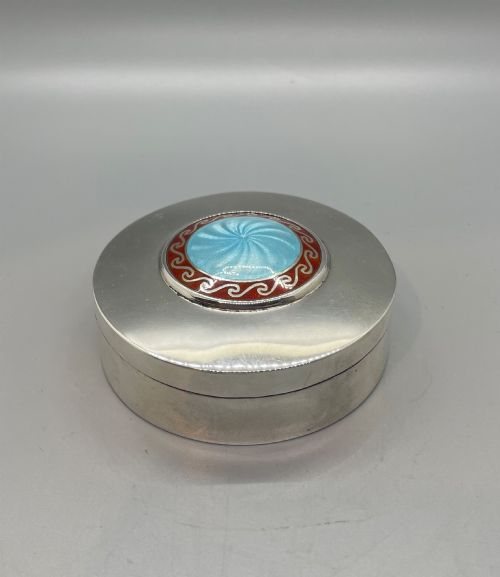
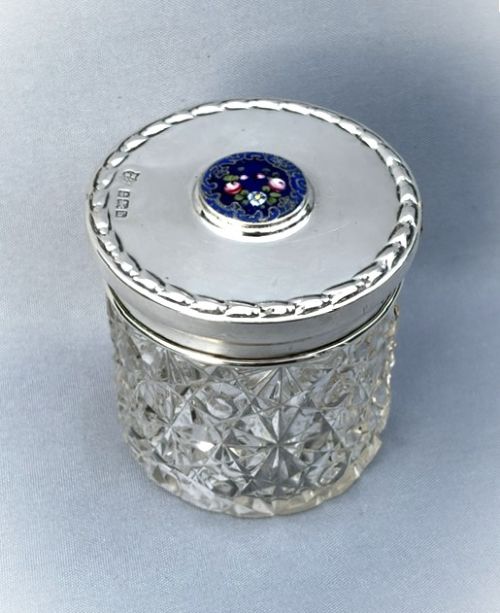
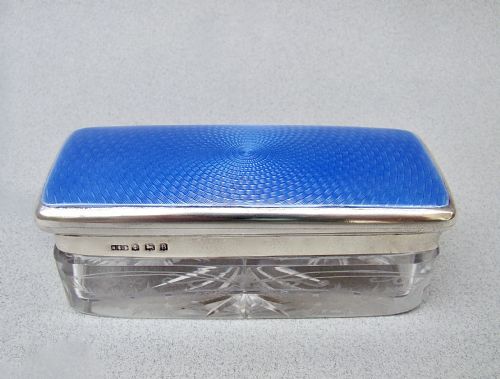
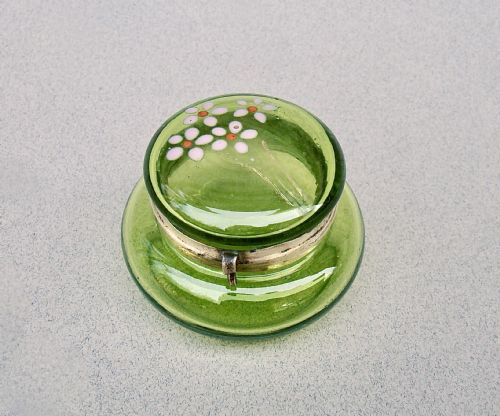
An enameled trinket box is a small receptacle designed for holding pills, patches, snuff, or small pieces of jewellery. These objects span from Georgian Staffordshire patch boxes to Art Deco sterling silver and guilloché enamel dressing table jars.
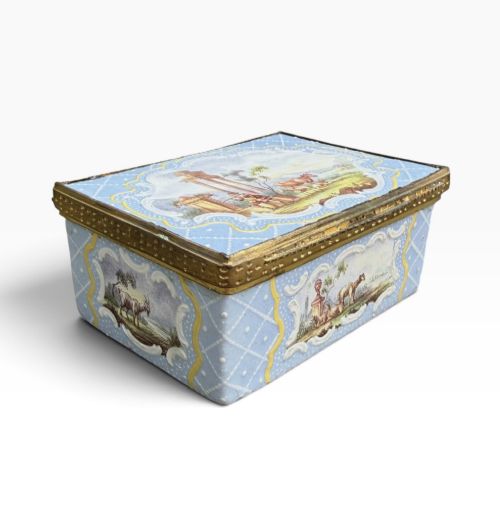
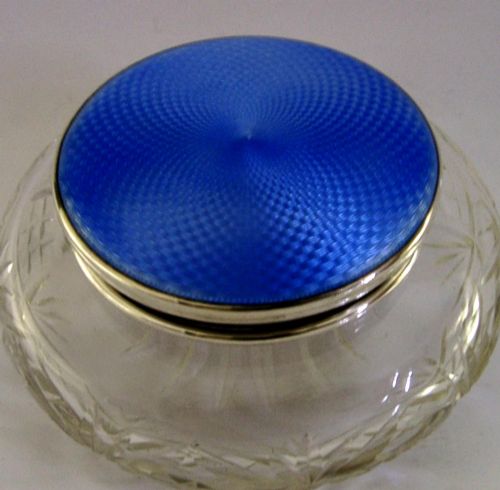
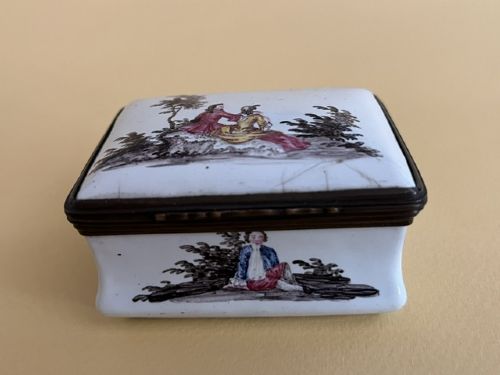
The version most commonly met on this page is the early twentieth-century silver and guilloché enamel jar or Edwardian trinket pot, alongside eighteenth-century Bilston and South Staffordshire enamel boxes.
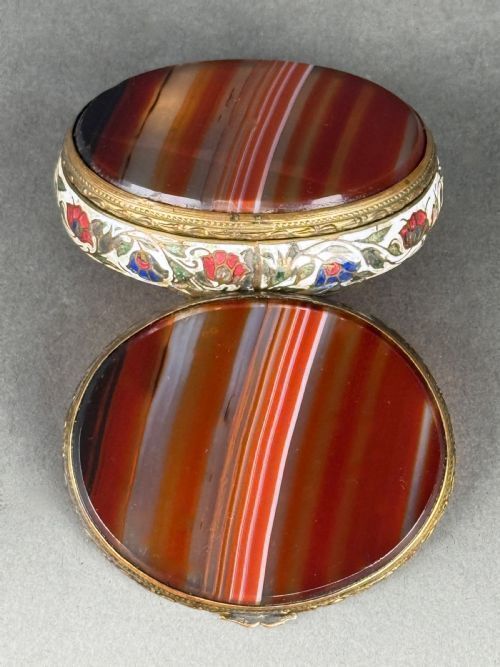
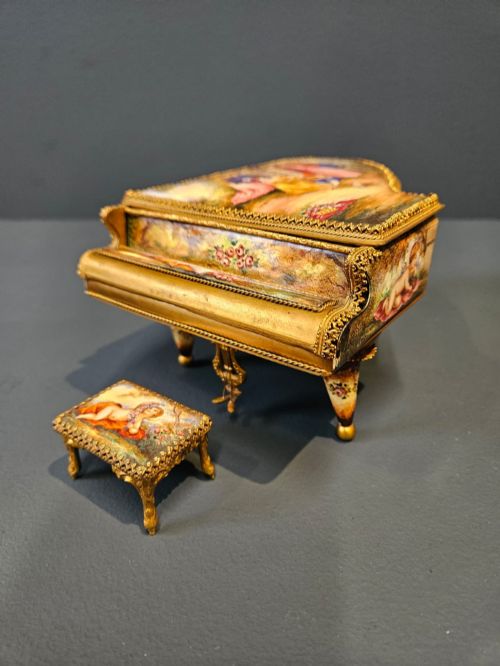
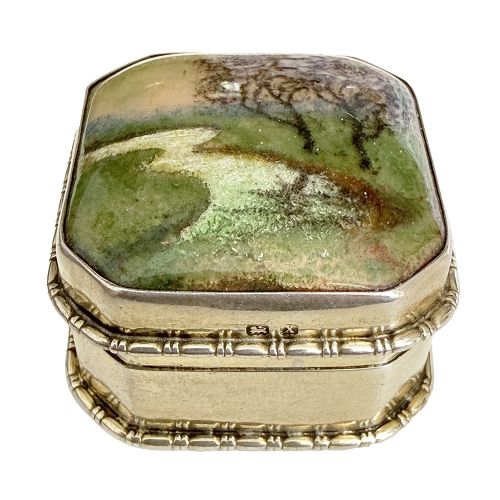
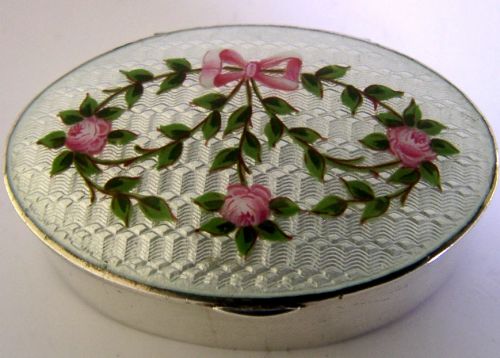
Makers utilised various base materials including copper, brass, sterling silver, porcelain, and glass, applying vitreous enamel surfaces in geometric, floral, or scenic designs.
How they were made
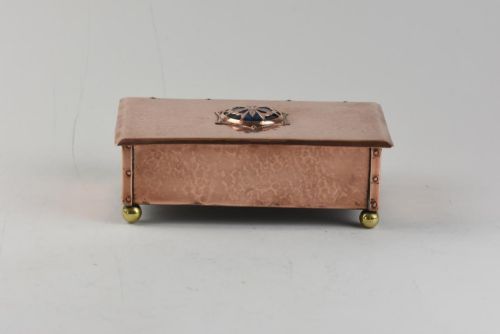
Makers constructed the bodies of these boxes from beaten copper, turned wood, cast or stamped sterling silver, brass, cut glass, and porcelain, frequently mounting hinged lids with secure clasps. Surfaces received coatings of powdered glass or vitreous enamel, which underwent firing in a kiln to produce a smooth, glassy finish.
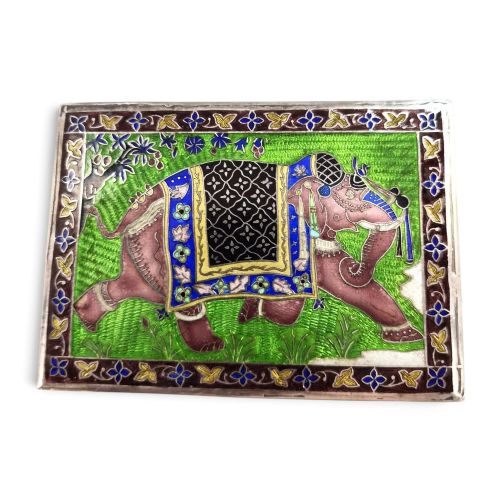
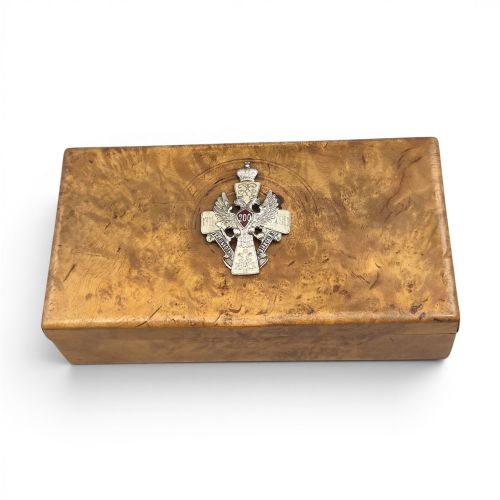
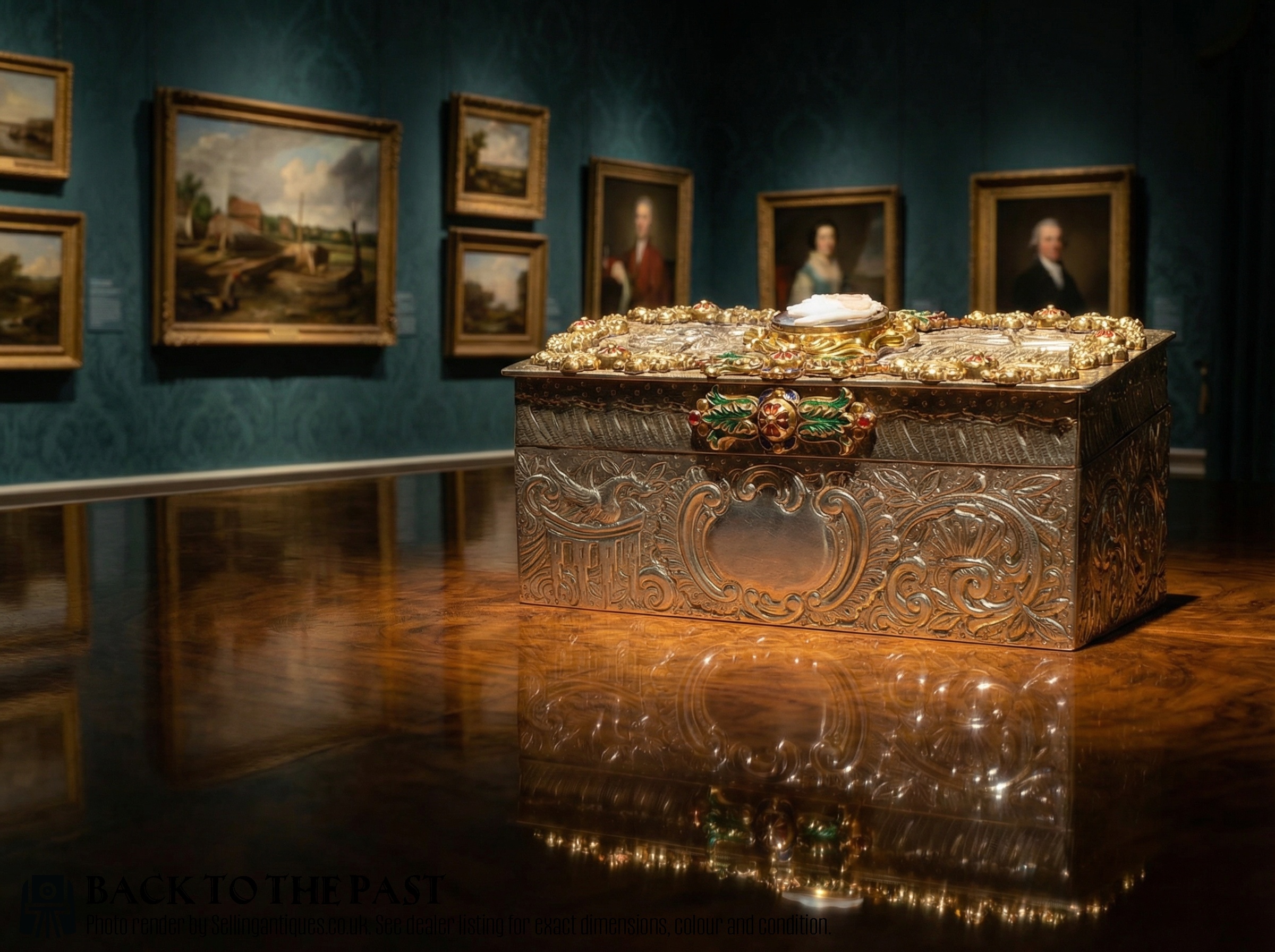
Techniques varied from champlevé and cloisonné to hand-painted Staffordshire compositions and engine-turned guilloché patterns beneath translucent coloured enamel. Artisans mounted central cabochons, applied copper butterfly overlays, or set regimental badges into the lids to complete each piece.
One unexpected item is an officer's box fitted with a Karelian birch body and a silver enamel regimental badge from 1914.
What varies in quality
The standard of an enameled trinket box depends upon the crispness of the metalwork, the weight of the silver or copper chassis, and the precision of the engine-turning beneath translucent enamel. Hand-painted scenes showing detailed figures in parklands or precise floral motifs indicate higher artistry than standard stamped decoration.
Condition of the vitreous surface remains central, as intact enamel free from chipping or extensive hairline cracking elevates a piece. The quality of the hinge mechanism and the clarity of Birmingham, London, or continental hallmarking further distinguish finer examples.
Henry Clifford Davis·Fleetwood Varley·George Adam Scheid
The Enameled Trinket Box Glossary
- Guilloche
- An ornamental pattern produced by an engine-turning lathe that etches precise geometric designs into metal. This technique creates a shimmering background effect when covered with translucent enamel.
- Champleve
- A technique where troughs or cells are hollowed out of a metal surface and filled with enamel powder before firing. The surrounding metal walls remain visible as part of the design.
- Cloisonne
- A method of decorating metal objects by soldering flat wire to the base to create compartments for enamel paste. Each colour area is separated by these thin metal partitions.
- Patch box
- A small container originally used in the eighteenth century to hold small fabric patches worn on the face to conceal blemishes. These boxes typically featured interior mirrors.
- Bilston enamel
- Enamelware produced in the Staffordshire town of Bilston during the eighteenth century. These pieces usually consist of copper bases coated in opaque white or coloured enamel with hand-painted top designs.
Enameled Trinket Box: Frequently Asked Questions
What were small enameled boxes used for?
These small containers held items such as snuff, medicinal pills, or decorative beauty patches for the face. People carried them in pockets or displayed them on dressing tables.
Over time, owners also utilised them as vanity jars, ring boxes, and miniature caskets for keepsakes or folded notes.
How can I tell an eighteenth century box?
Eighteenth-century examples frequently feature copper bases with hand-painted enamel lids depicting pastoral scenes or inscriptions. They often originate from Bilston or South Staffordshire.
Later nineteenth and twentieth-century boxes tend to incorporate stamped sterling silver, machine-turned guilloché patterns, or modern glass bodies.
What is guilloche enamel?
Guilloché enamel involves machine-engraving a precise geometric pattern into a metal surface, usually silver. Transparent enamel is then applied over the top so the engraved pattern shows through.
This technique was particularly popular during the Art Deco and Edwardian periods for dressing table jars and compacts.
How do I care for antique enamel?
Keep enamel pieces away from harsh chemicals, abrasive cleaners, and direct impacts that might chip the glass surface. Gentle dusting with a soft cloth preserves the finish.
Store them individually to prevent the metal mounts or glass bodies from scratching the delicate enamel lids.