
Enamel Watch Fob
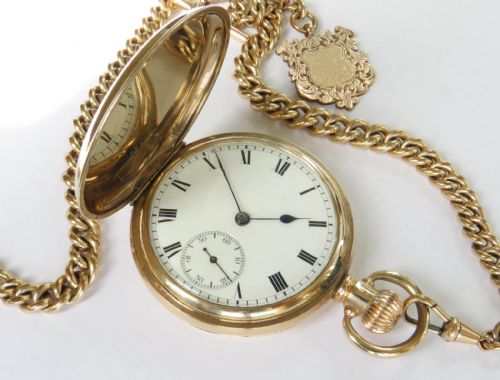
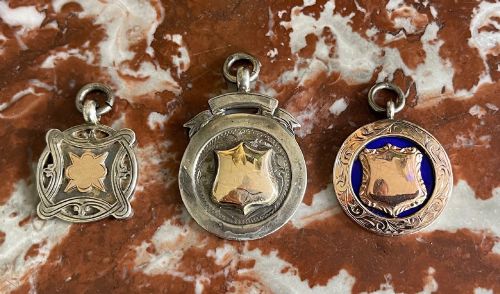
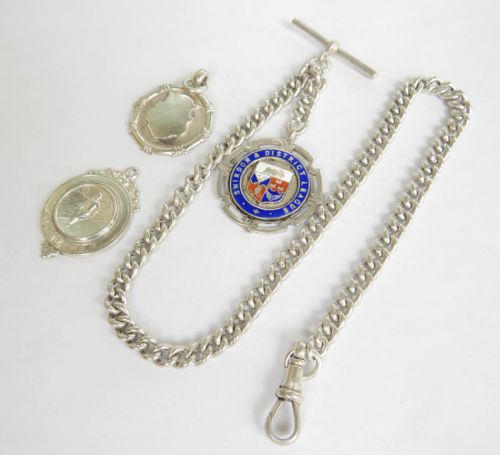
An enamel watch fob hangs from a pocket watch chain, bringing colour and heraldic detail to a gentleman's or lady's waistcoat.
Enamel Watch Fob
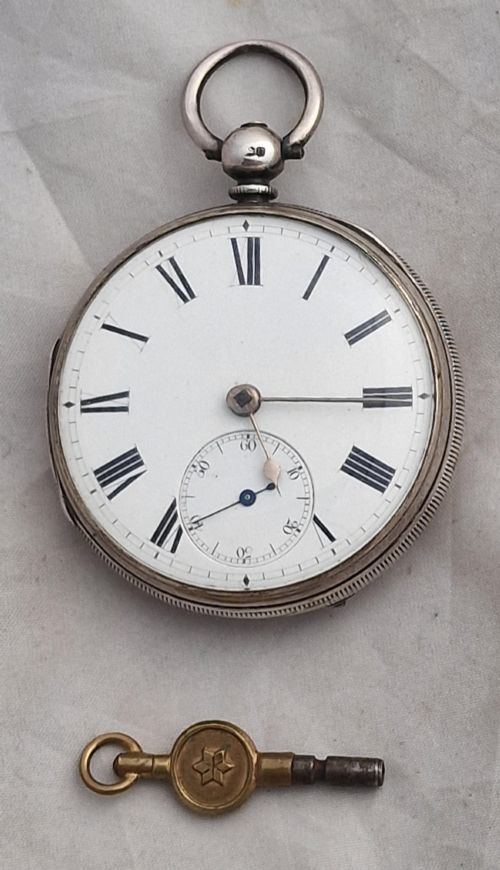
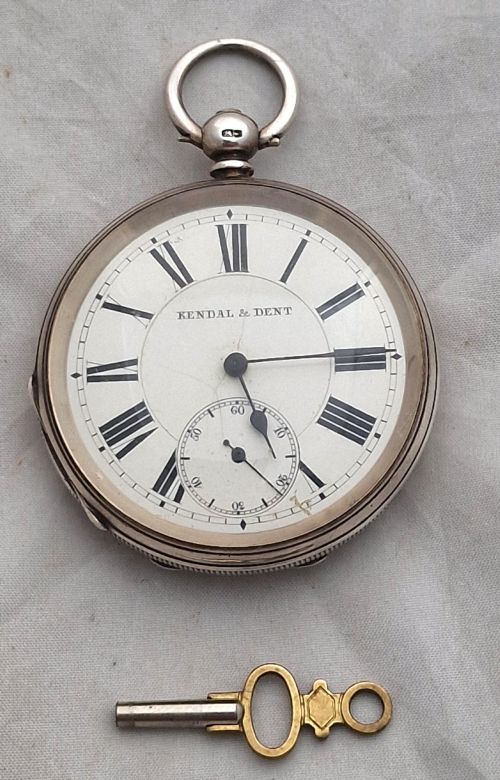
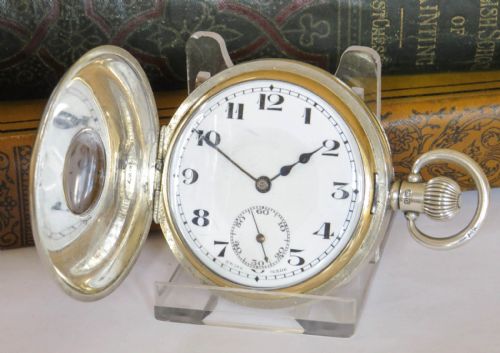
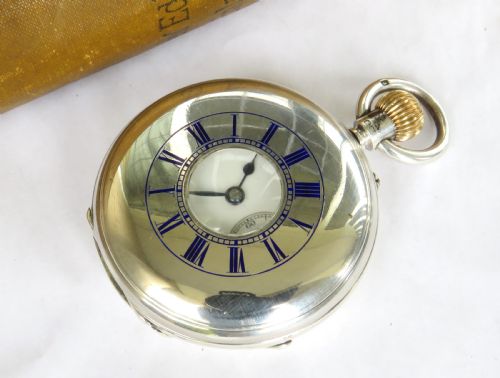
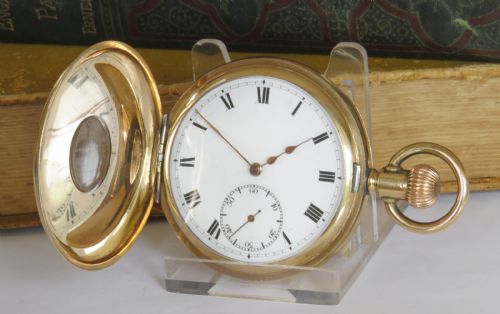
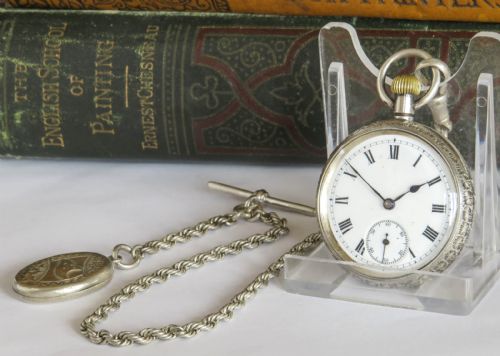
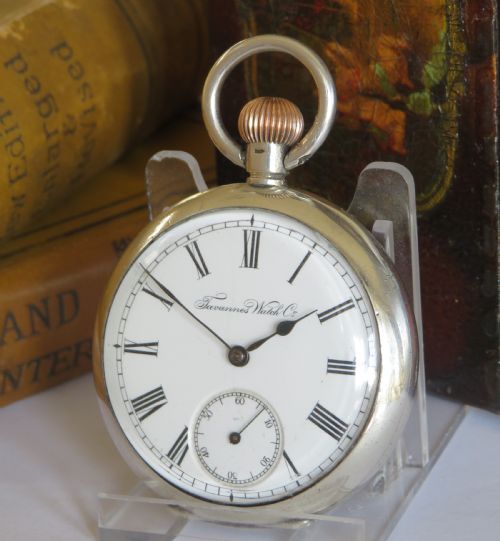
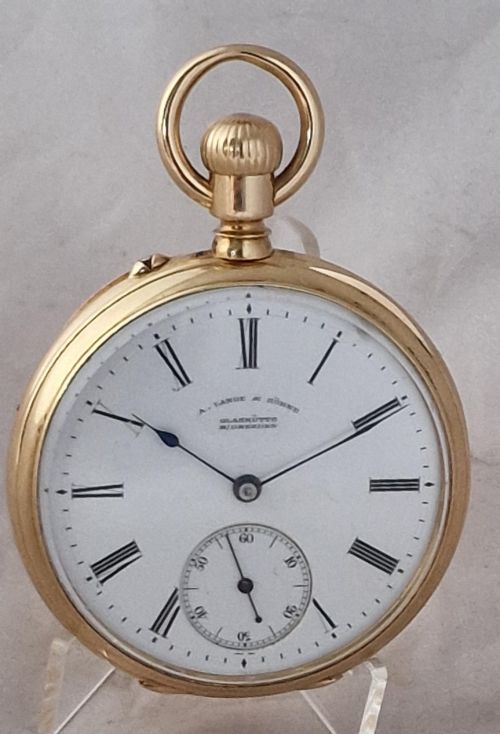
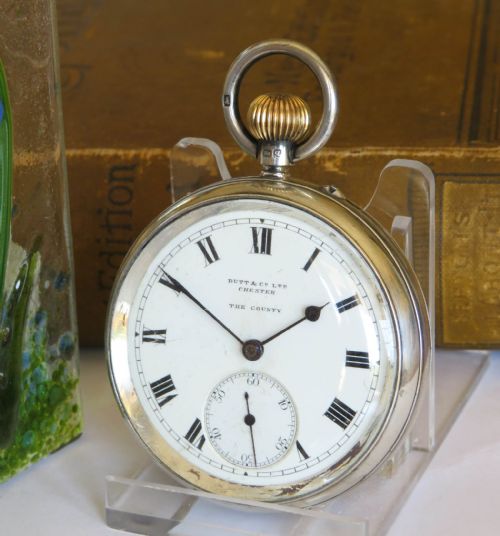
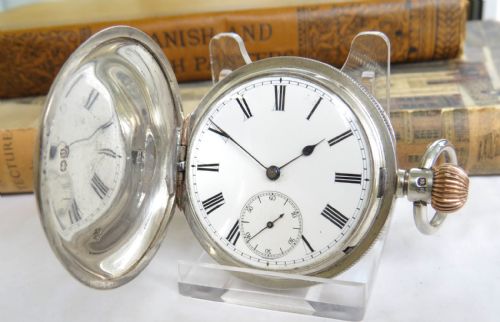
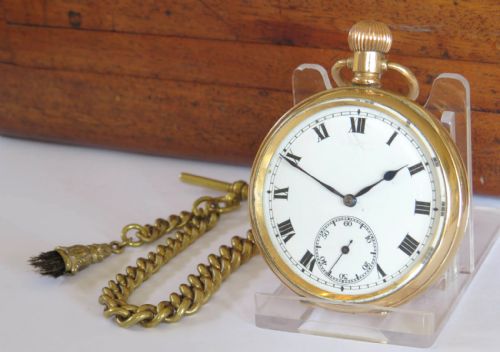
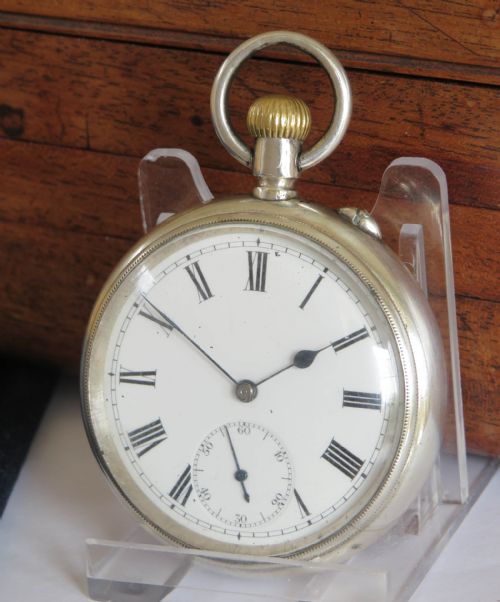
An enamel watch fob is a decorative pendant attached to a pocket watch chain, appearing across the Victorian, Edwardian, and Art Deco periods alongside pocket watches and watch chains. The pieces seen here include silver fob watch cases, watch chains with fobs, and novelty items like an Irish football fob or a darts board fob.
Most examples date from the nineteenth and early twentieth centuries, spanning the 1880s through to the 1930s. They frequently accompany pocket watches by makers such as Waltham, Omega, and Longines, functioning as personal insignia or presentation pieces.
Makers utilised various regional motifs, ranging from sporting association badges to commemorative medals. Buyers find these items paired with silver albert chains or integrated directly into watch fob assemblies.
Materials and construction
Metals form the structural base of these items, with sterling silver, gold plate, brass, and gold appearing across the inventory alongside glass and steel components. Jewellers fused coloured glass powder onto metal surfaces through high-temperature firing to create durable enamel designs.
Techniques varied from plain vitreous enamel infill to intricate guilloché patterns etched beneath translucent coloured layers. Engraving on silver and gold mountings often frames the enamelled centrepiece, adding texture and contrast to the metalwork.
Listings feature items from the Victorian, Edwardian, and Art Deco periods, utilising silver, gold, enamel, and brass.
What separates examples in quality
Quality rests in the crispness of the enamel work and the precision of the underlying metal engraving. Fobs displaying multi-coloured cloisonné or detailed guilloché patterns require greater skill than flat, single-colour enamelled surfaces.
The integrity of the vitreous paste defines longevity, as superior pieces show minimal chipping or stress fractures around the metal bezels. Hallmark clarity and the weight of the silver or gold mounting also indicate superior manufacture.
Kendal & Dent·Lange & Sohne·Waltham·Omega·Longines
The Enamel Watch Fob Glossary
- Enamel
- A glassy substance fused to metal through heat. It provides vibrant colour and a smooth surface to watch fobs.
- Albert chain
- A short length of watch chain worn across a waistcoat. It typically suspends a pocket watch from one end and a fob from the other.
- Guilloché
- A decorative mechanical engraving technique. It produces precise, intricate patterns beneath a translucent enamel coating.
- Full hunter
- A pocket watch style featuring a spring-loaded metal cover. This lid protects the dial from scratches and wear.
- Vitreous
- Made of or resembling glass. This term describes traditional high-fired enamels used on antique pieces.
Enamel Watch Fob: Frequently Asked Questions
How do I attach a watch fob to my chain?
A watch fob connects to an albert chain via a small metal swivel spring clip or a jump ring attached to the top loop.
The fob hangs centrally from the T-bar drop of the chain when worn across a waistcoat buttonhole.
What periods do these pieces come from?
The items originate primarily from the late nineteenth century through to the 1930s, encompassing Victorian, Edwardian, and Art Deco styles.
Specific dates on this page span from the 1880s up to the 1930s, reflecting the popularity of pocket watches and fob accessories during those decades.
Were enamel fobs worn by men or women?
Both men and women wore watch fobs, though the styles differed according to the fashion of the period. Gentlemen displayed sporting or club fobs on heavy silver albert chains, while ladies wore smaller fob watches and decorative pendants.
What metals were used for these fobs?
Makers constructed these pieces from sterling silver, gold, gold plate, and brass, often combining them with steel and glass components.
Silver is the most common metal found on this page, frequently bearing Birmingham hallmarks from the early twentieth century.