





Empire Style Marble Commode
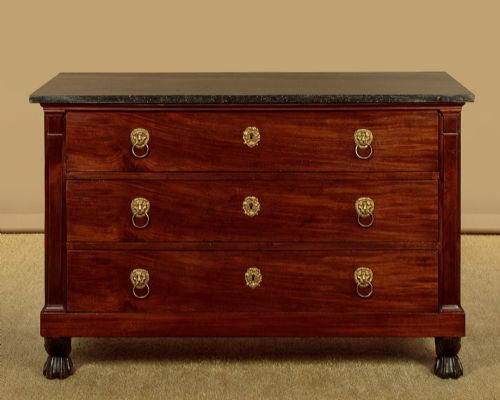
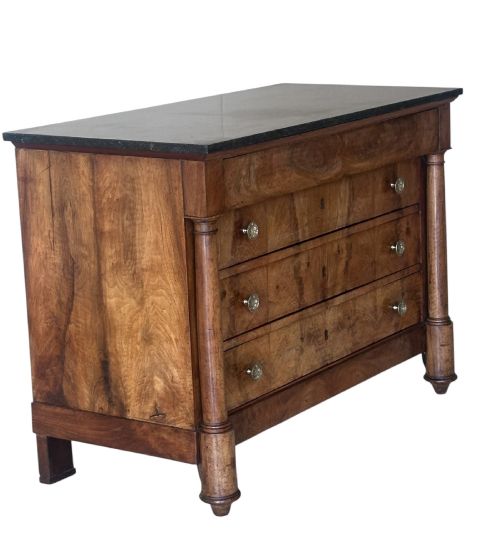
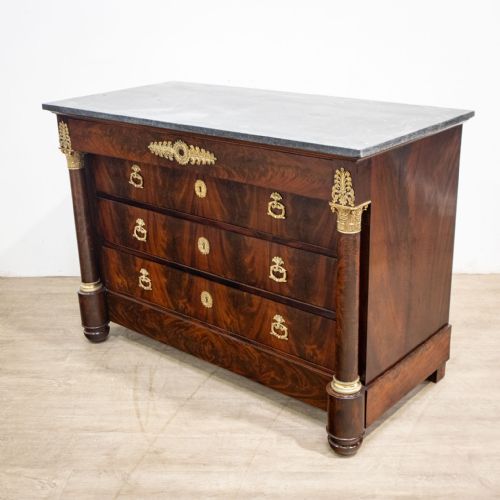
An empire style marble commode brings architectural dignity and substantial presence to a room, offering both generous storage and a cool stone surface.
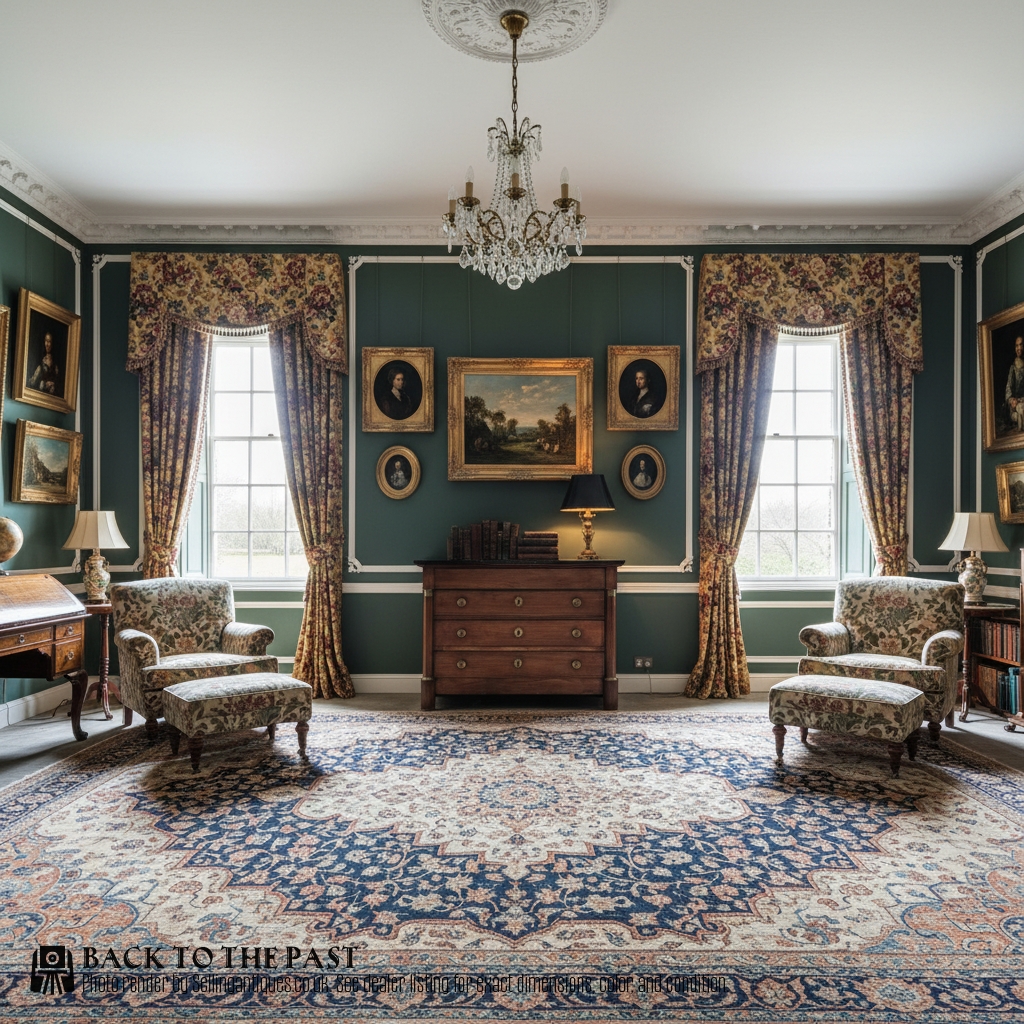
Empire Style Marble Commode
When you search for an empire style marble commode, you encounter a distinct form of storage furniture defined by rectilinear proportions and classical restraint. The pieces gathered here predominantly date from the nineteenth century, including examples from the French Empire and Charles X periods, alongside later revival iterations.
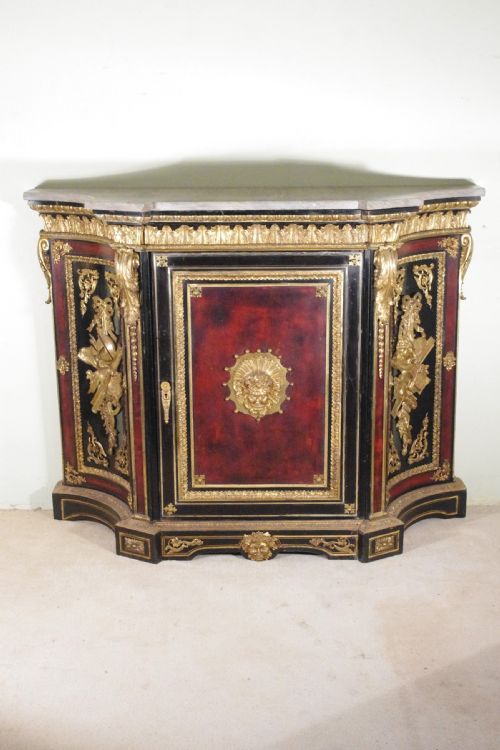
The primary form is a chest of drawers or commode, frequently supplemented by side cabinets, chiffoniers, and dressing chests. Most examples originate from France or Italy, displaying the characteristic heavy mass and imposing presence associated with these continental workshops.
Makers of these commodes prioritized formal symmetry and architectural order over delicate ornamentation, resulting in case furniture that anchors a room. The integration of a stone surface defines the top of each piece, uniting utility with the cool formality of marble.
How they were made
Construction relies upon solid timber carcases of mahogany, walnut, or burr walnut, chosen for stability and rich grain pattern. Ebonised finishes and marquetry details also appear, providing darker contrasts or patterned surfaces across the drawer fronts and panels.
Surface adornment makes extensive use of cast and chased or gilt metal mounts, brass, and ormolu applied along key architectural lines. These metallic elements accentuate the structural rhythm of the piece without cluttering the broad expanses of polished wood.
The defining element rests upon the cabinet top, where heavy slabs of marble or fossil marble are fitted precisely to follow the contour of the commode. These stone surfaces required expert masonry to achieve smooth planes and finished edges capable of withstanding daily use.
Listings feature nineteenth-century examples alongside Charles X and Italian Neoclassical pieces, constructed from mahogany, walnut, and burr walnut.
What varies in quality
Quality reveals itself first in the selection of timbers and the handling of veneer grains, where choice cuts of mahogany or burr walnut create harmonious patterns across the front. Finer examples display continuity of grain across drawer tiers, whereas lesser pieces rely on simpler, plain timber surfaces.
The crispness of the gilt metal and ormolu mounts separates standard production from superior craftsmanship, as sharper casting and deeper chasing define the best decorative accents. Poorly cast mounts appear flat and lack the defined edges that catch the light.
The selection and fitting of the marble top indicate the tier of the piece, with thicker slabs of figured or fossil marble marking out the most ambitious commissions. Inferior commodes may carry thin or plain replacement stone surfaces that lack the integration seen in original builds.
The Empire Style Marble Commode Glossary
- Ormolu
- Gilt bronze mounted or applied to furniture. This technique involves gilding a metal object with a gold amalgam.
- Commode
- A low chest of drawers, typically standing at waist height. The form developed in France and serves as both storage and a display surface.
- Chiffonier
- A tall narrow chest of drawers or cabinet. It offers similar storage to a commode but occupies a smaller floor footprint.
- Marquetry
- Decorative patterns formed by the insertion of pieces of wood into a veneer. These designs often create geometric or floral motifs across cabinet fronts.
- Fossil marble
- Limestone containing distinct fossil fragments, polished to form a decorative stone surface. It provides a heavily patterned top for classical case pieces.
Empire Style Marble Commode: Frequently Asked Questions
Where should I place an empire commode?
These pieces command significant visual weight, making them well-suited as focal points in large hallways, living rooms, or bedrooms. Their flat marble tops also provide a practical surface for lamps, mirrors, or decorative objects.
Ensure the floor is level to support the substantial timber and stone weight without straining the joints. Avoid placing them in direct sunlight to protect the polished mahogany and walnut finishes from fading.
How do I care for the marble top?
Clean the stone surface regularly with a soft cloth and warm water, avoiding acidic cleaners that can etch the polish. Promptly wipe away spills of wine, citrus, or oil to prevent permanent staining.
Periodically apply a neutral stone wax to maintain the sheen and protect the pores of the marble. This preserves the cool texture characteristic of these classic cabinet tops.
How do I distinguish French Empire from later revivals?
Original pieces from the early nineteenth century typically exhibit construction methods appropriate to their period, such as hand-cut dovetails and native secondary woods. The mounts on these pieces tend to be finely chased bronze or ormolu with high detail.
Later nineteenth-century revival pieces and twentieth-century interpretations often employ machine-made fixings and slightly different proportions. Examining the interior timber and the sharpness of the metalwork clarifies the age of the piece.
Can I use a commode for everyday clothing storage?
The deep drawers on these chests provide ample space for garments, linens, or general household storage. The internal timber construction remains sturdy enough for regular daily use.
Pull out each drawer carefully to check the runners, ensuring smooth operation without binding. Lining the bases with clean acid-free paper protects delicate fabrics from older timber surfaces.