

Emerald Gemstone Jewellery
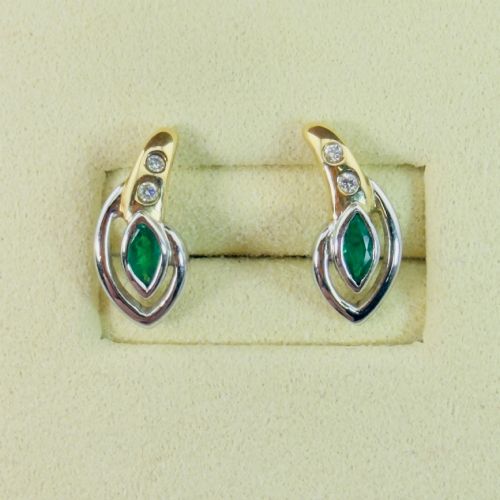
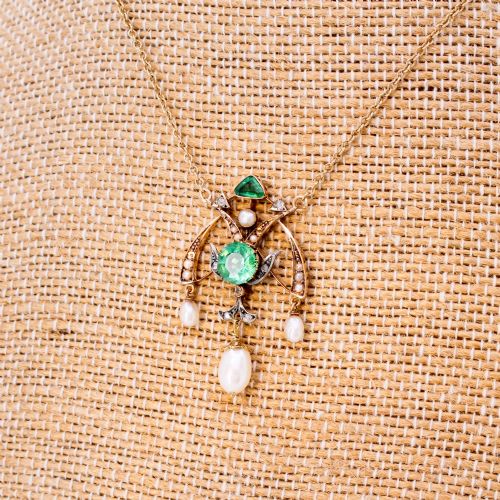
Emerald gemstone jewellery brings together vivid green beryl and precious metals to create rings, earrings, brooches and pendants spanning from the Victorian era to the mid-twentieth century.
Emerald Gemstone Jewellery
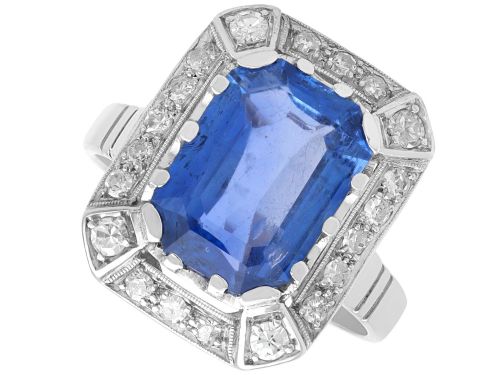
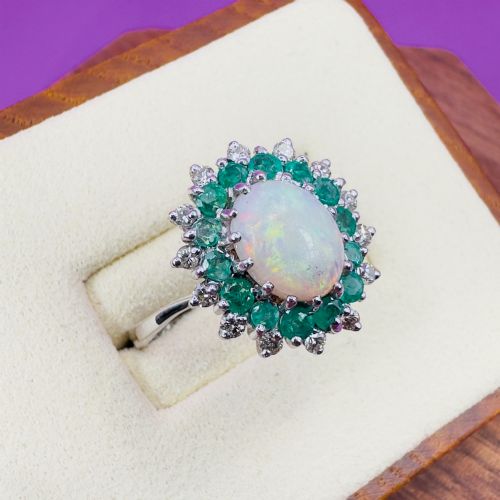
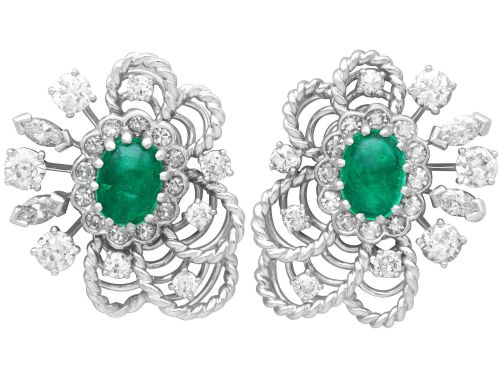
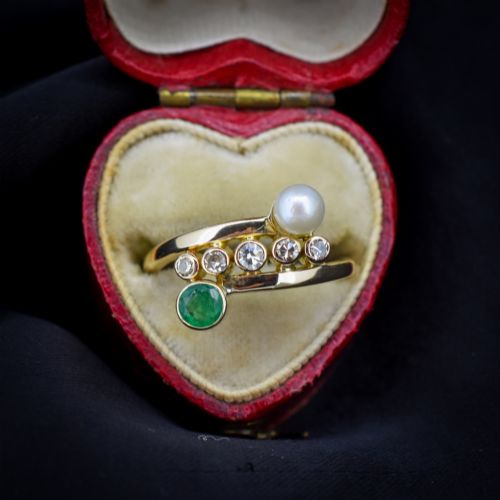
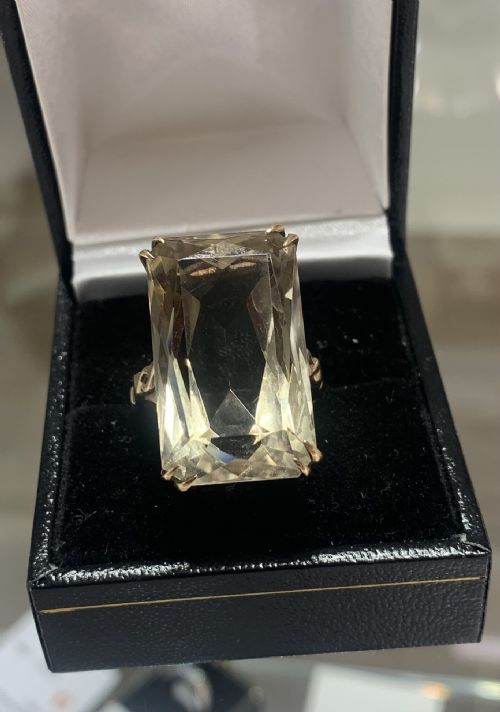
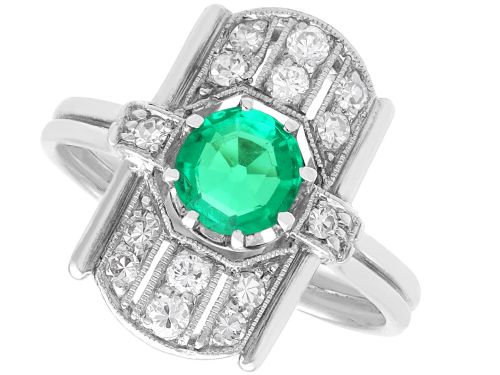
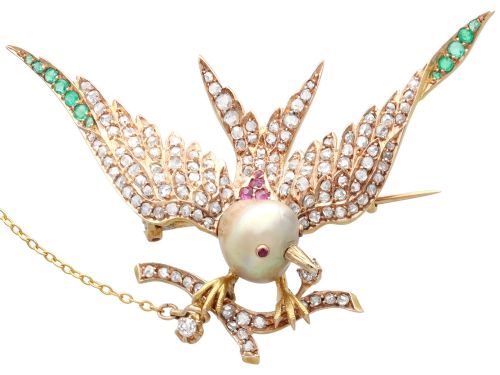
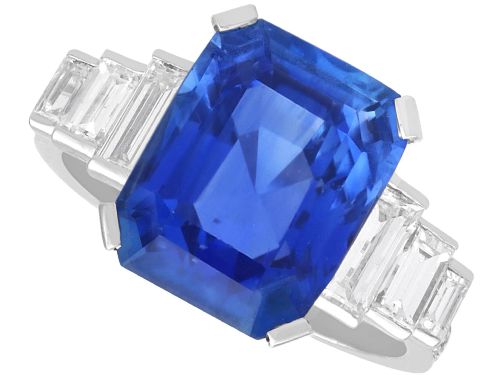
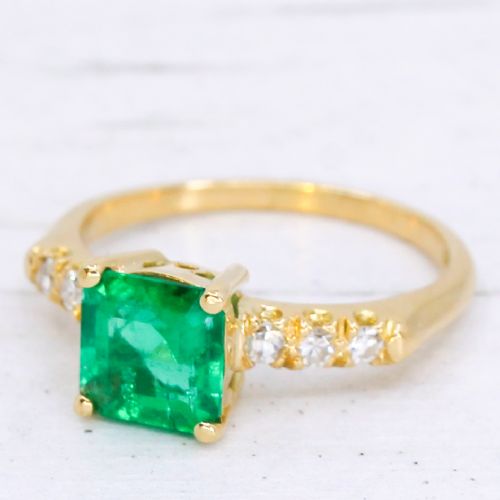
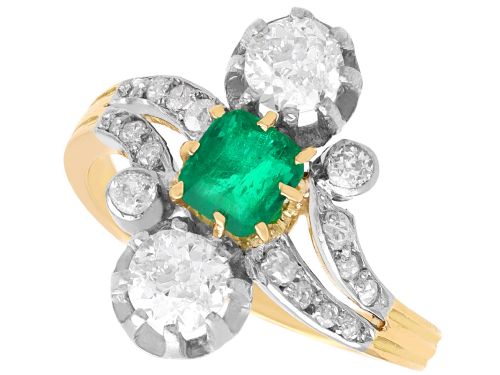
When searching for emerald gemstone jewellery, collectors encounter rings, earrings, pendants and brooches spanning from the Victorian period through Edwardian, Art Deco and mid-century designs. Rings dominate the selection, appearing as cluster settings, multi-stone bypass twists and traditional three-stone configurations.
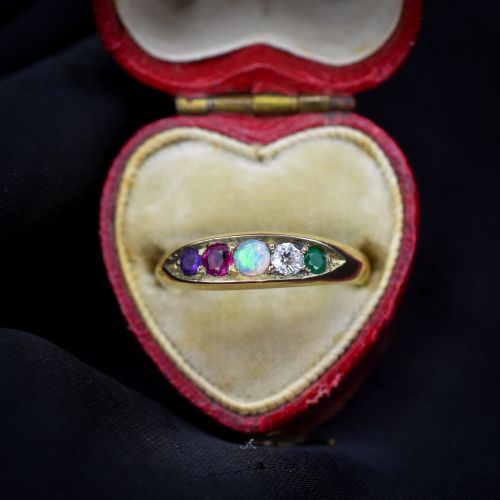
The pieces incorporate emeralds alongside diamonds, pearls and other coloured stones like sapphires and rubies. Settings utilise platinum, white gold and yellow gold, ranging from nine-carat up to eighteen-carat purity.
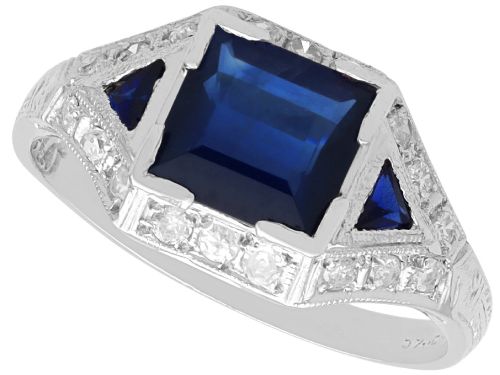
Art Deco and vintage mid-century designs sit alongside older Victorian and Edwardian examples. These items reflect changing aesthetic preferences across decades, moving from ornate floral motifs to geometric lines.
Materials and construction methods
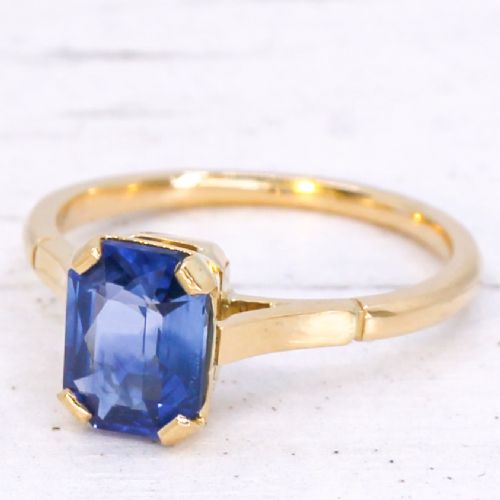
Goldsmiths set emeralds into durable mountings of platinum, white gold and yellow gold to secure the softer green stones. Platinum and palladium gain particular favour in twentieth-century pieces for holding intricate geometric designs without adding excessive weight.
Craftsmen pair emeralds with old-cut and diamond accents, utilising claw settings, bezel mounts and cluster arrangements. Construction techniques evolve from heavy yellow gold claw mounts in nineteenth-century work to sleek, platinum-framed geometric settings during the Art Deco period.
Emerald Gemstone Jewellery Retail Price Guide 2026
Typical asking prices for emerald gemstone jewellery among the pieces listed under this phrase on Sellingantiques today, from the lower quarter to the upper quarter. They describe what is for sale here now, not the wider market.
A surprising number of feathered emeralds manage to look deeply mysterious while simultaneously reminding everyone of a very leafy garden salad.
Factors determining quality
The depth of green colour and the presence of natural inclusions dictate the desirability of the central stone. Colombian origins and minimal oil treatments elevate specific vintage pieces above standard commercial examples.
The precision of the metalwork and the matching quality of surrounding diamonds influence the overall standard. Robust platinum or eighteen-carat gold mountings with secure, undamaged stone settings represent superior manufacture.
The Emerald Gemstone Jewellery Glossary
- Cluster ring
- A ring design featuring a central gemstone encircled by a group of smaller stones, typically diamonds.
- Bypass ring
- A style where the shanks wrap around the finger and pass each other rather than meeting directly.
- Old-cut diamond
- A hand-faceted diamond cut popular before modern brilliant cutting techniques were standardised, characterised by a smaller table and larger culet.
- Minor oil
- A classification for emeralds that have undergone minimal fracture filling with oil to enhance clarity.
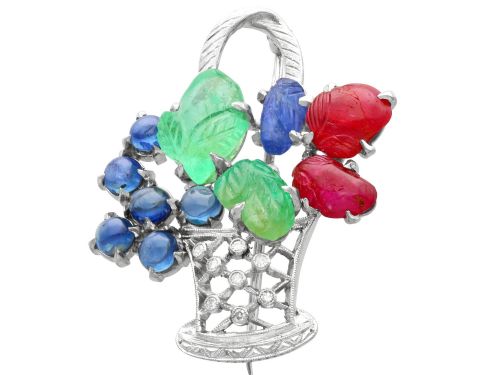
- Tutti Frutti
- A multicoloured jewellery style incorporating carved gemstones like emeralds, rubies and sapphires in floral or basket motifs.
Emerald Gemstone Jewellery: Frequently Asked Questions
How do I care for emerald jewellery?
Emeralds are softer than diamonds and require gentle handling during everyday wear. Clean them using warm soapy water rather than ultrasonic machines to protect the stones and any natural treatments.
Store pieces individually in soft pouches to prevent scratching from harder gems like diamonds. Avoid exposing vintage settings to harsh chemicals or sudden temperature changes.
Are these pieces suitable for daily wear?
Many items feature sturdy platinum or eighteen-carat gold mountings suitable for regular use. Rings with delicate claw settings benefit from occasional checks by a jeweller to ensure stones remain secure.
Softer emeralds and older antique pieces require more mindful wear compared to modern robust designs. Removing rings during manual tasks protects both the metalwork and the central gems.
How can I tell the period of a piece?
Stylistic clues such as geometric platinum mountings indicate Art Deco origins, while yellow gold scrollwork often points to Victorian or Edwardian craftsmanship. Maker marks, hallmarks and metal purity stamps provide further chronological evidence.
Cut styles of accompanying diamonds also help date the item, as old-cut stones typically appear in pieces created before the mid-twentieth century.
What does minor oil mean for emeralds?
Minor oil refers to a low level of traditional oil treatment used to fill natural surface-reaching fractures in emeralds. This practice improves the visual clarity of the gemstone while preserving its natural state.
Stones with negligible or minor oil treatments are generally more desirable to collectors than heavily treated equivalents.