





Embroidered Wool Tapestry Panel
An embroidered wool tapestry panel brings centuries of handwork to your walls, offering tactile depth and historic character.
Embroidered Wool Tapestry Panel
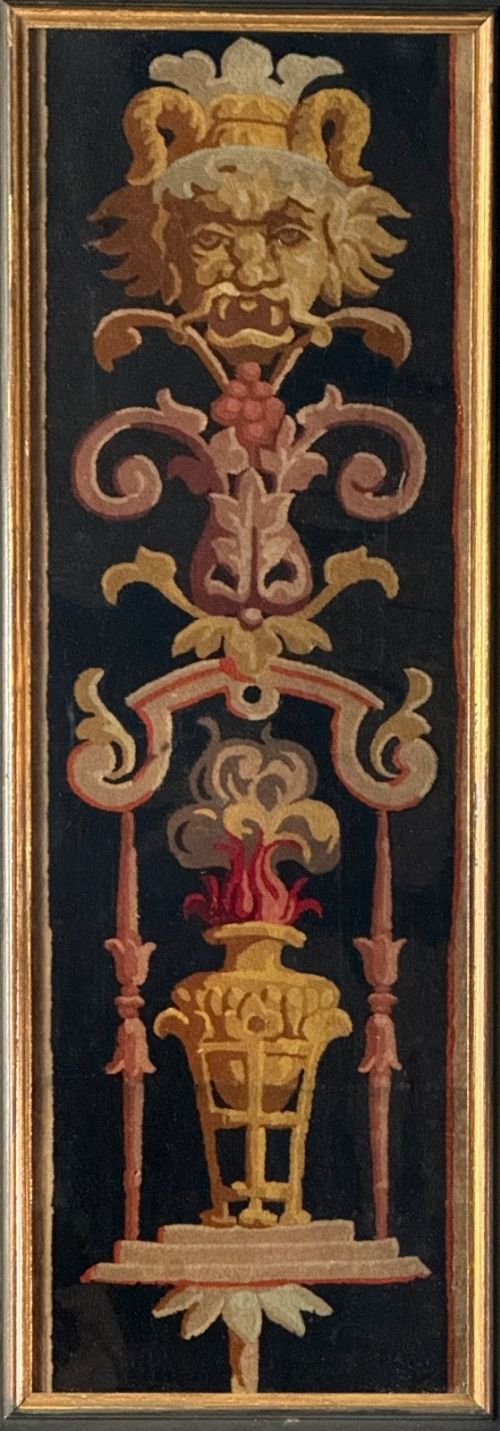
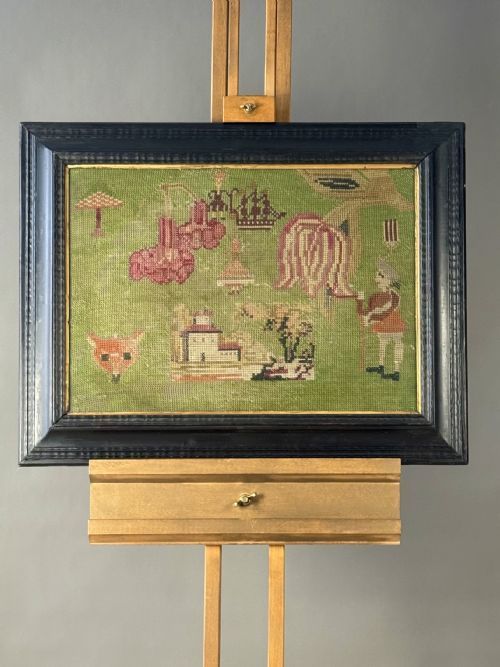
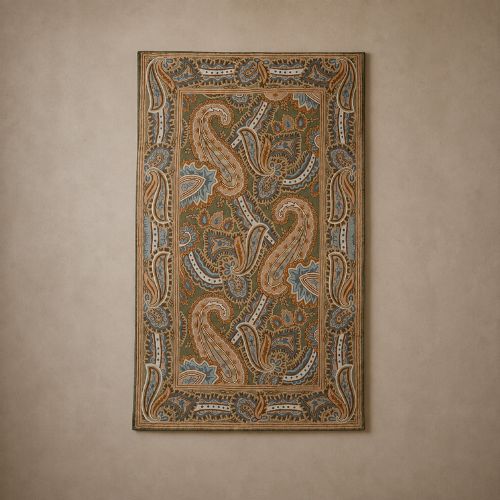
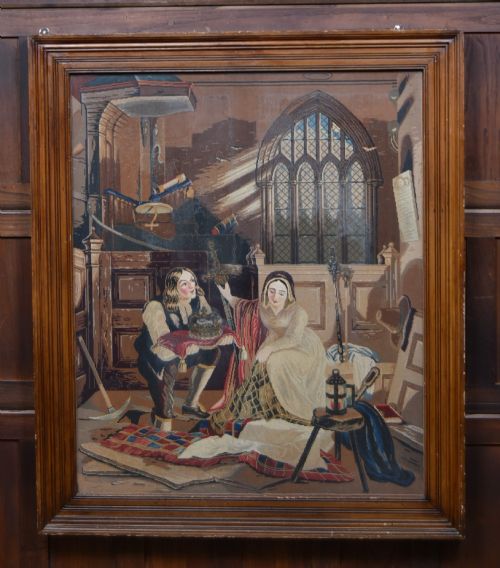
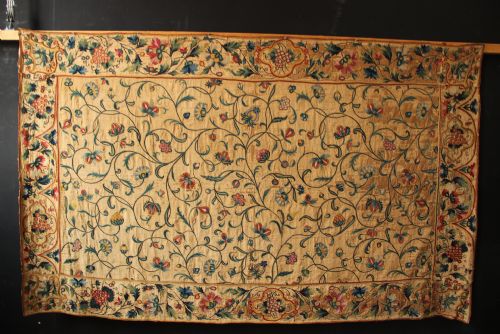
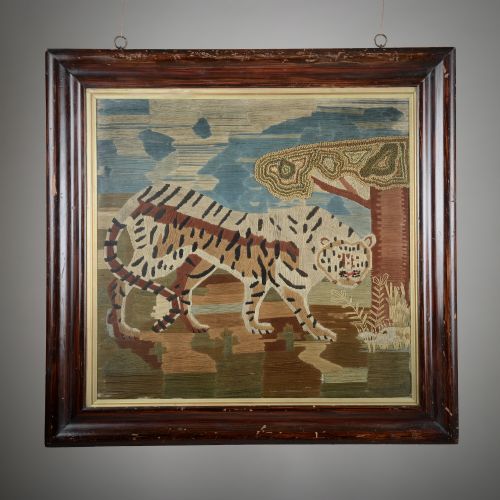
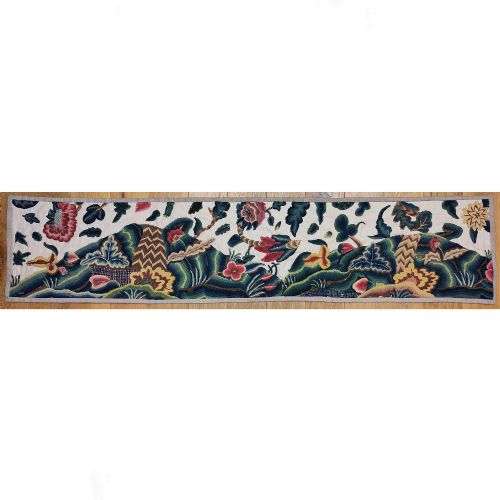
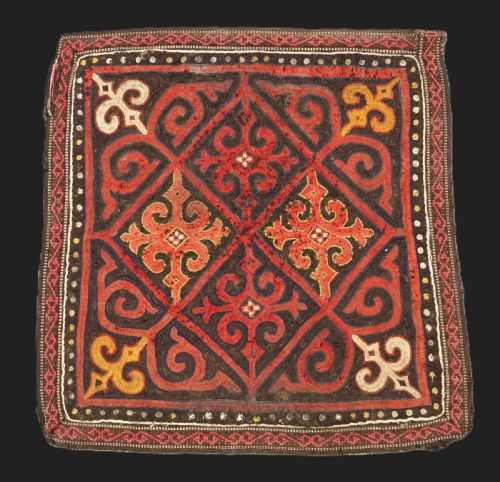
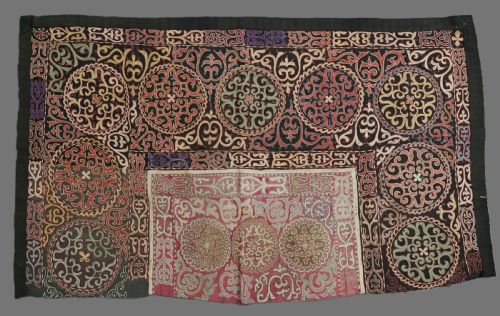
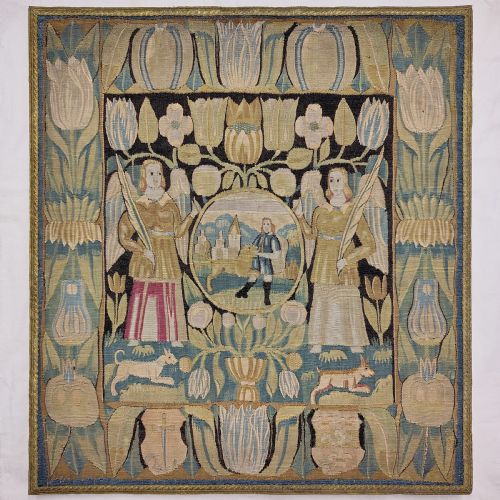
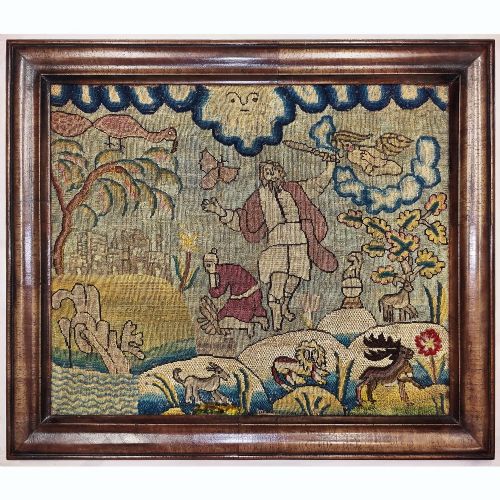
An embroidered wool tapestry panel covers a range of historic needlework, crewelwork, and needlepoint wall hangings spanning from the seventeenth century through to the early twentieth century. When you search for an embroidered wool tapestry panel, you find pieces framed as wall art, mounted as textiles, or integrated into furnishings like cushion covers and screens. The examples on this page predominantly feature wool worked on linen, canvas, or felt foundations, taking forms such as needlework pictures, crewelwork hangings, and Kyrgyz yurt wall decorations.
The origins of these panels stretch across English, French, and continental workshops alongside Turkish and Kyrgyz traditions. You encounter seventeenth century classical and Jacobean styles, eighteenth century needlework pictures, and later Victorian folk art and Arts and Crafts pieces. Whether you examine a medieval-style tapestry or a nineteenth century wool work depicting a tiger, each piece represents traditional hand-stitched artistry intended for domestic display.
What varies in quality
Quality rests upon the fineness of the stitchwork and the complexity of the pictorial composition, distinguishing master needlework from simpler folk art. Early English crewelwork and continental needlepoint pictures demonstrate superior dexterity through intricate shading and precise execution of detail.
The preservation of the wool fibres and the integrity of the ground fabric dictate the longevity and visual impact of each hanging. Original framing, such as period giltwood, adds notable distinction to needlework panels preserved from the seventeenth and eighteenth centuries.
Object types include wall hangings, framed textiles, tapestry cushion covers, and flatweave rugs.
The Embroidered Wool Tapestry Panel Glossary
- Crewelwork
- Embroidery executed with wool yarn on a linen or cotton ground, historically associated with Jacobean and English wall hangings. This technique allows for varied stitch types that build rich surface texture.
- Gros-point
- A needlepoint stitch worked on canvas using wool yarn, producing a durable and bold textured surface. It appears frequently in nineteenth century tapestry pictures and cushion covers.
- Needlework picture
- A framed textile artwork created with wool and silk threads to depict figures, animals, or classical scenes. These pieces function as wall art much like oil paintings.
- Cicim
- A flatweave textile technique utilised in Turkish panels and rugs, incorporating supplementary weft threads to create patterned designs. You find these employed as decorative wall hangings.
- Grotesques
- Decorative ornaments featuring intertwined human, animal, and foliage forms popular in seventeenth century continental design. They bring imaginative complexity to needlework panels.
Embroidered Wool Tapestry Panel: Frequently Asked Questions
How do I hang a heavy tapestry panel?
Heavy wool panels require even weight distribution, typically achieved by mounting the textile onto a padded wooden batten or professional display frame. This prevents undue strain on the historic fabric and wool stitches.
Ensure the hanging method keeps the piece away from direct sunlight and damp walls to protect the wool and linen components over time.
How do I date an antique needlework picture?
Dating relies on stylistic clues, framing materials, and the types of canvas or linen backing visible beneath the stitching. Seventeenth and eighteenth century examples often feature distinct crewelwork motifs or classical subject matter.
Examining the specific wool yarns and stitch density helps differentiate early Jacobean or Georgian pieces from later Victorian and Arts and Crafts revivals.
Are these panels suitable for daily use?
Wall hangings and framed needlework panels suit domestic display where physical handling remains minimal. Pieces mounted as cushions or screens experience more friction, so gentle placement preserves the delicate wool work.
Regular light dusting with a soft brush keeps the wool fibres clean without disturbing the historic threads.
What is the difference between crewelwork and needlepoint?
Crewelwork uses wool yarn for freeform embroidery typically stitched onto a linen ground to create flowing floral or pictorial designs. Needlepoint follows a counted grid on canvas, filling the entire background with dense stitches like gros-point.
Both techniques utilise wool extensively but yield very different surface textures and visual weights.