




Embossed Fireplace Guard
An embossed fireplace guard is a metal screen or kerb placed before a hearth, combining utility with decorative metalwork.
Embossed Fireplace Guard
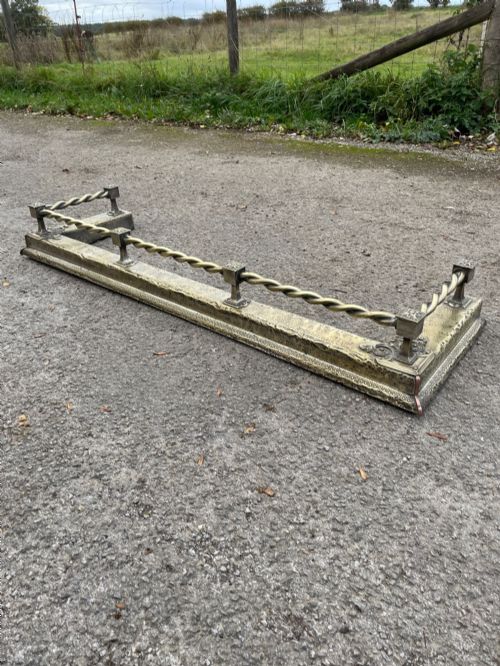
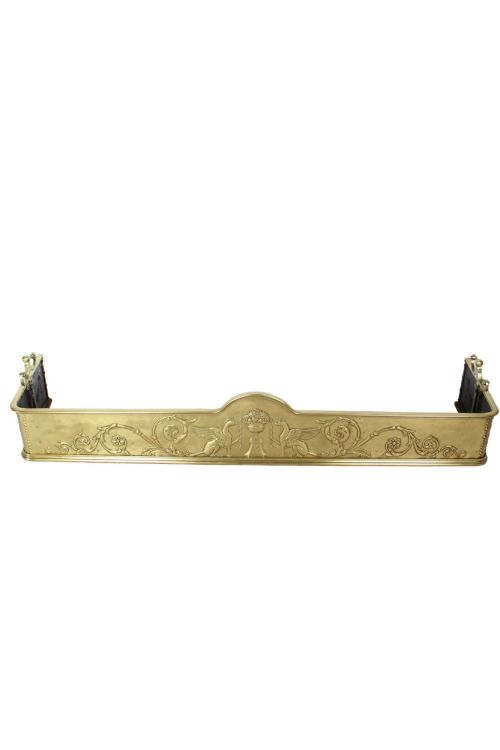
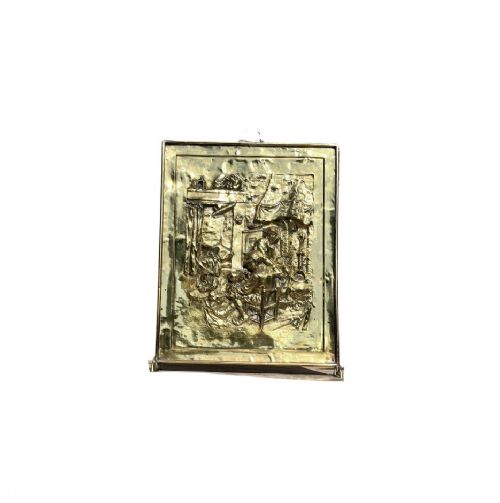
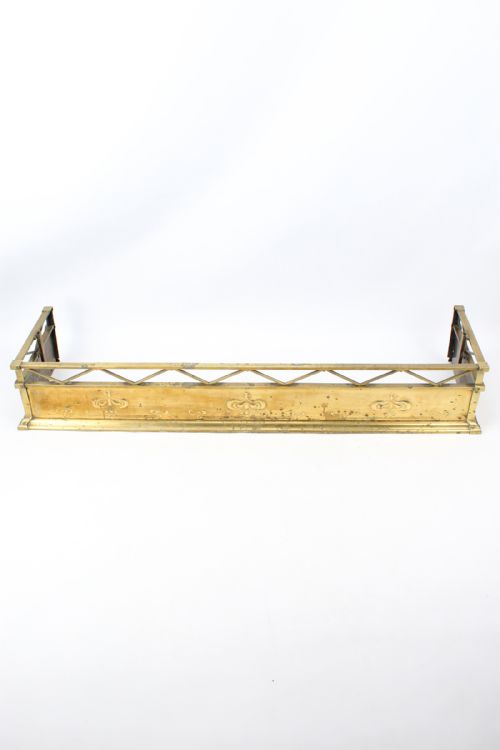
When you search for an embossed fireplace guard, you encounter a selection of hearth furniture spanning the Victorian era, the nineteenth century, and around nineteen hundred. These pieces primarily take the form of fire screens, fire fenders, fire kerbs, and fireplace accessories.
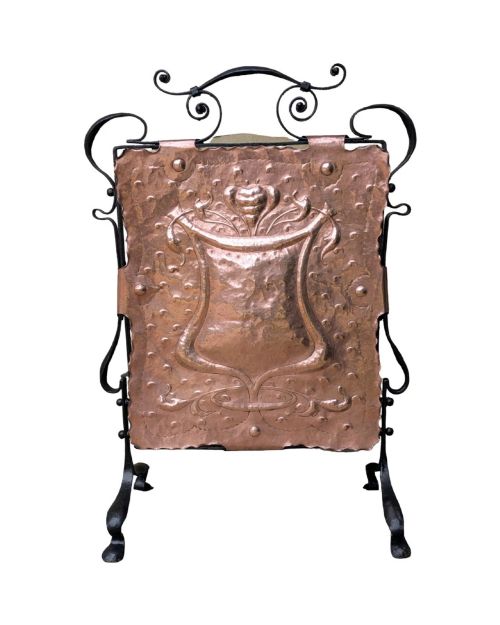
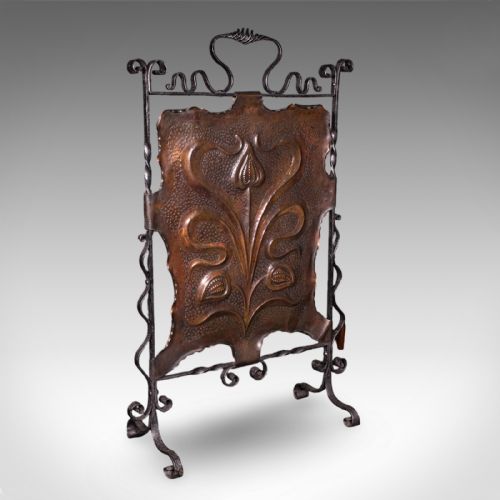
The objects appearing on this page range from simple brass screens to elaborate examples executed in copper, iron, and wrought iron. Stylistic influences include Arts and Crafts, Art Nouveau, Victorian Neoclassical, Dutch Renaissance Revival, and Adam style.
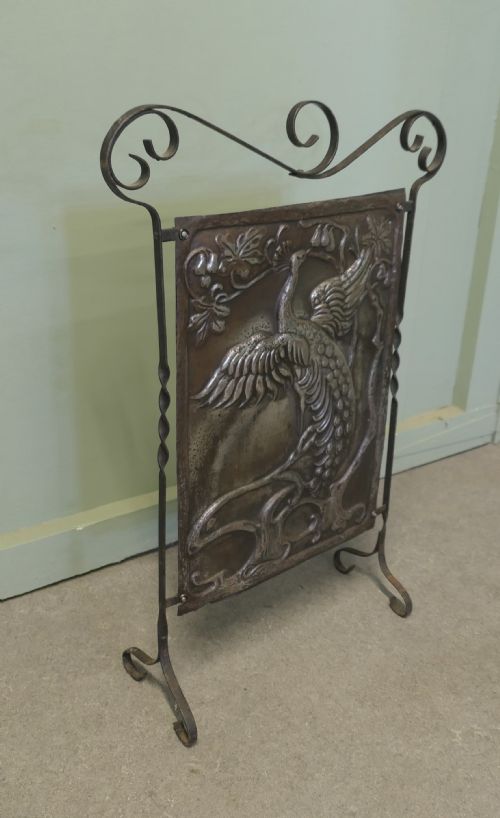
You are most likely to meet Victorian brass and copper screens featuring beaten or raised ornamentation, alongside substantial fireplace fenders and kerbs in polished or cast brass. Some examples incorporate oak frames or specific motifs such as the peacock design or heraldic coats of arms.
Materials and construction
These guards rely on metals such as brass, copper, and iron, manipulated into sheet panels, cast components, or wrought frames. Artisans utilised techniques like embossing and chasing to raise decorative patterns from the metal surface.
Selected pieces combine metalwork with wooden elements, notably oak framing, to support heavy copper panels or brass surrounds. Finishes vary from polished brass and polished iron to patinated copper and dark wrought iron.
Embossed Fireplace Guard Retail Price Guide 2026
Typical asking prices for embossed fireplace guard among the pieces listed under this phrase on Sellingantiques today, from the lower quarter to the upper quarter. They describe what is for sale here now, not the wider market.
The listings on this site feature brass, copper, iron, and oak across Victorian, Arts and Crafts, Art Nouveau, and seventeenth-century periods.
Distinctions in quality
Quality in these pieces rests upon the depth and crispness of the metalwork, distinguishing carefully chased and embossed panels from flat or mechanically stamped alternatives. Substantial weight in the brass or iron framework and the integration of sturdy materials like oak denote superior manufacture.
Design complexity also separates standard items from exceptional examples, with artistic movements such as Arts and Crafts or Art Nouveau reflected in purposeful motifs like the peacock design or heraldic crests rather than generic ornamentation.
The Embossed Fireplace Guard Glossary
- Fire screen
- A movable panel placed in front of a fireplace to block excess heat or conceal an unlit hearth.
- Fire fender
- A low metal barrier fitted around the hearth to contain ash and embers.
- Embossed
- A technique where a design is raised in relief from the surface of sheet metal by hammering from behind.
- Chased
- A method of sinking metal by hammering from the front to refine and detail an embossed design.
- Wrought iron
- Iron that has been heated and hammered into shape by hand, resulting in a fibrous structure and distinctive texture.
Embossed Fireplace Guard: Frequently Asked Questions
What is an embossed fireplace guard?
An embossed fireplace guard is a metal screen or kerb designed to sit before a hearth, featuring raised patterns hammered into brass or copper.
These pieces served to deflect heat and decorate the fireplace opening during warmer months when fires were not lit.
How do I date an embossed fireplace guard?
Dating relies on stylistic clues, materials, and construction methods characteristic of periods like the Victorian era, Arts and Crafts movement, or Art Nouveau.
Evidence on this page shows pieces originating from the seventeenth century through to nineteen hundred, often identified by specific revival styles and metalworking techniques.
What is the difference between a screen and a fender?
A fire screen stands upright on feet or a frame to shield the room from the hearth, whereas a fender forms a low horizontal perimeter around the fireplace floor.
Both items frequently utilise embossed brass or copper and often appear together within period interior schemes.
How were these guards used historically?
They were positioned in principal rooms to protect inhabitants from the intense heat of open coal or wood fires and to hide unlit grates.
Wealthier households utilised decorative copper and brass panels adorned with coats of arms or artistic motifs to enhance the appearance of the fireplace.