

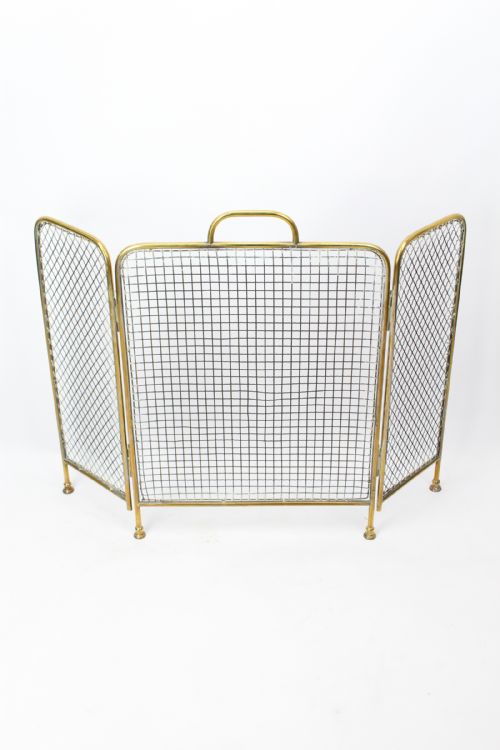


Brass Fireplace Panel
A brass fireplace panel guards the room from stray embers while adding polished metalwork to the hearth.
Brass Fireplace Panel
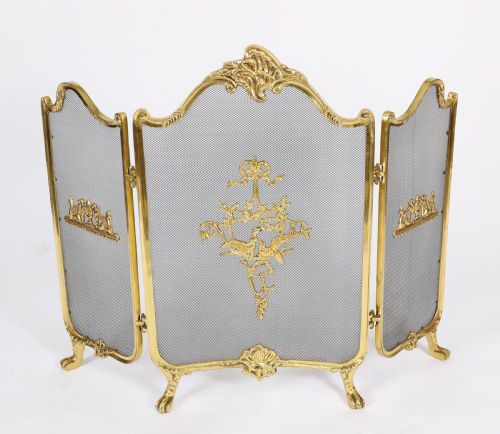
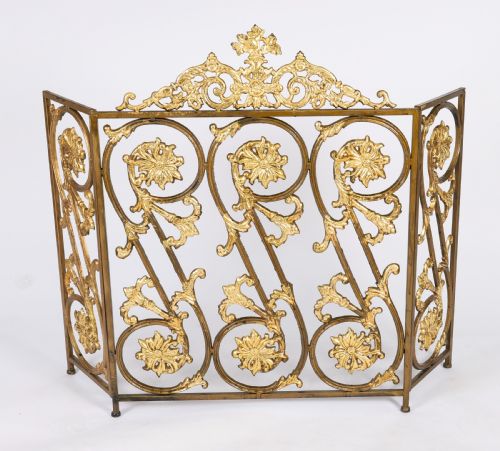
The selection includes multi-fold spark guards with wire mesh and standing pole screens featuring needlework panels, mirror inserts, or poker work. Most examples date from the Georgian and Regency periods through to the early twentieth century, encompassing Arts and Crafts and French Chateau styles.
Buyers will encounter various forms, including tripartite folding frames and adjustable screens made for placement before an active fireplace. Each piece reflects the interior protection and decorative tastes of its period.
How they were made
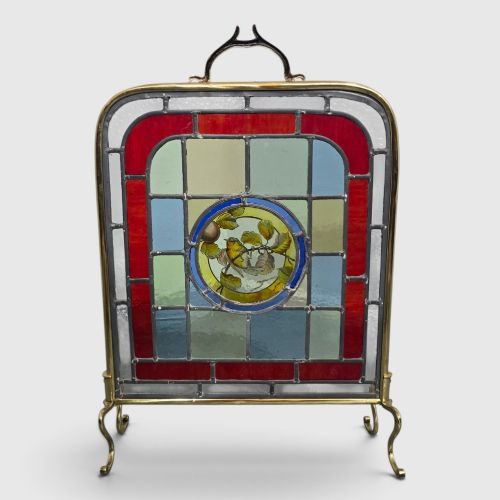
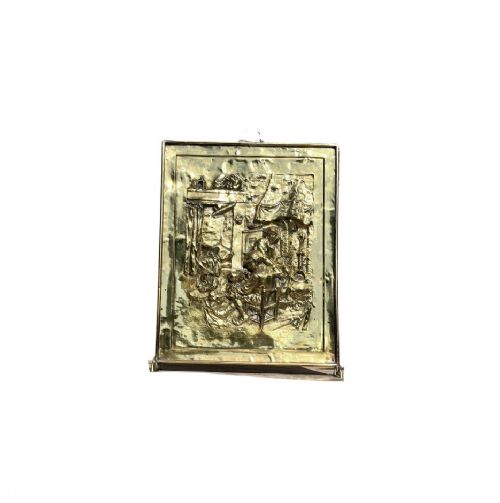
Construction relies heavily on sheet and cast brass, often combined with iron frames, wire mesh, and copper to build sturdy folding panels and spark guards. Finer decorative examples incorporate gilt bronze, gilt brass, and stained glass, while earlier pole screens utilise rosewood standards paired with fabric, mirror, or needlework panels.
Joinery and assembly involve hinged sections for multi-fold guards and adjustable wooden or metal mechanisms for pole screens. Surface finishes range from polished brass and black metal finishes to detailed fire-gilding and intricate needlework.
Brass Fireplace Panel Retail Price Guide 2026
Typical asking prices for brass fireplace panel among the pieces listed under this phrase on Sellingantiques today, from the lower quarter to the upper quarter. They describe what is for sale here now, not the wider market.
Materials across these listings include brass, wire mesh, rosewood, gilt bronze, iron, glass, gilt brass, and stained glass.
What varies in quality
Quality shows in the weight and substance of the metalwork, distinguishing heavy cast brass and gilt bronze from thinner, pressed wire mesh frames. The complexity of the design, such as French Rococo casting or Arts and Crafts mirror integration, sets finer pieces apart.
The integrity of the materials, including the selection of rosewood for poles and the fineness of the needlework or poker work panels, determines the standing of an individual screen within its period.
The Brass Fireplace Panel Glossary
- Spark guard
- A protective barrier of wire mesh and metal designed to catch flying embers from an open fire. These guards frequently feature folding sections for adjustment.
- Pole screen
- A standing screen with an adjustable panel mounted on a vertical wooden pole, used to shield the face from hearth heat. They often display needlework or poker work.
- Gilt bronze
- Copper alloy coated with a layer of gold, commonly utilised in ornate French revival pieces for enhanced visual richness. It provides a durable and decorative metallic finish.
- Tripartite
- Composed of three sections, typically describing folding fire screens that can be angled around a hearth. This configuration allows the guard to adapt to different fireplace widths.
Brass Fireplace Panel: Frequently Asked Questions
What is a brass fireplace panel used for?
These panels act as a physical barrier between the open hearth and the room, stopping stray sparks and embers from damaging flooring or furniture.
Beyond safety, they serve as a decorative focal point during warmer months when the fireplace is not in use.
How do I identify a Victorian fire screen?
Victorian examples often feature heavy brass construction, folding wire mesh panels, or integrated mirror glass typical of the Arts and Crafts movement.
They tend to show heavier metal casting compared to lighter twentieth-century spark guards.
What is the difference between a pole screen and a guard?
A pole screen consists of a single adjustable panel mounted on a wooden standard, designed originally to shield an individual's face from the direct heat of a fire.
A fire guard or panel stands wider to encompass the entire fireplace opening and contain sparks.
Can these screens be used with modern fires?
Many folding brass and wire mesh guards remain suitable for catching embers in traditional open hearth settings.
Care should be taken to match the size and stability of the screen to the heat output and dimensions of the fireplace.