



Embossed Brass Bucket
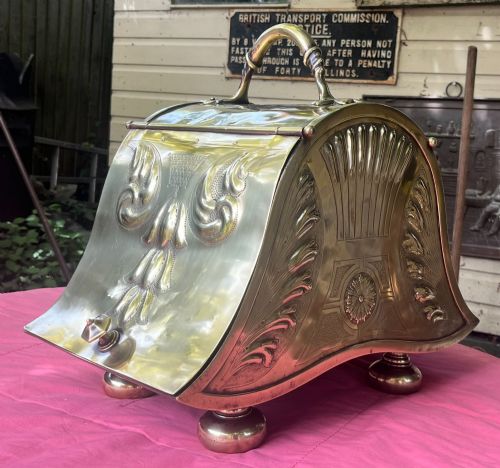
An embossed brass bucket brings weight and bright reflection to a fireside, serving both as fuel storage and decorative container.
Embossed Brass Bucket
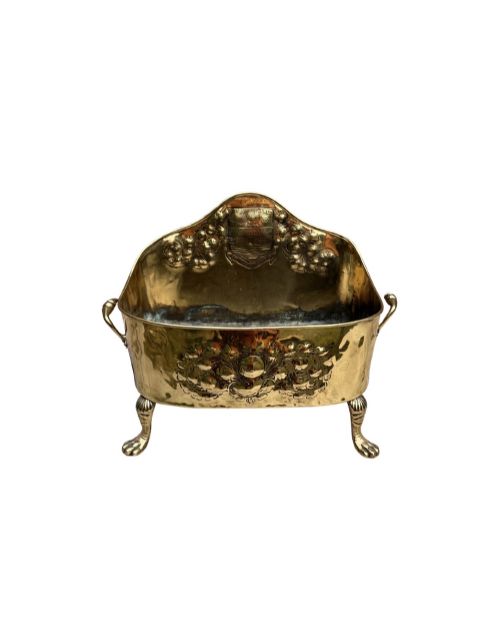
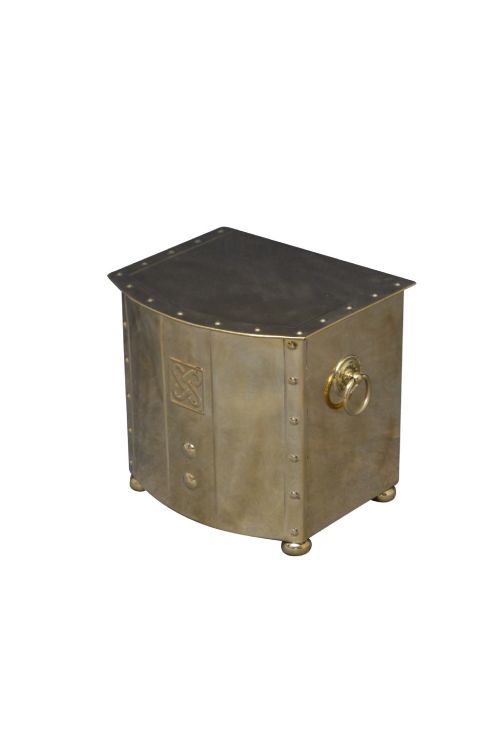
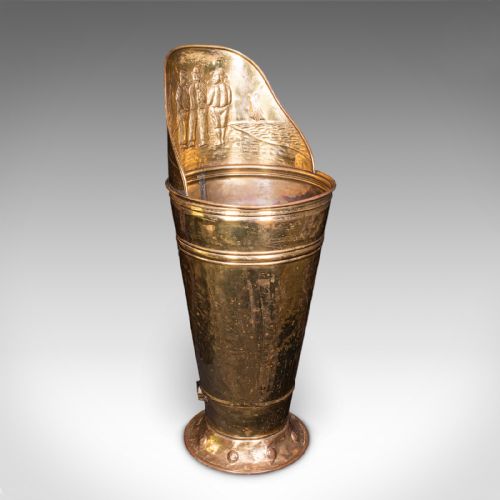
When you search for an embossed brass bucket, you are looking at utilitarian metalware transformed into decorative household objects. The pieces appearing here span the Victorian era, the nineteenth century, and periods into the early twentieth century, taking forms such as coal scuttles, log bins, jardinières, planters, and stick stands.
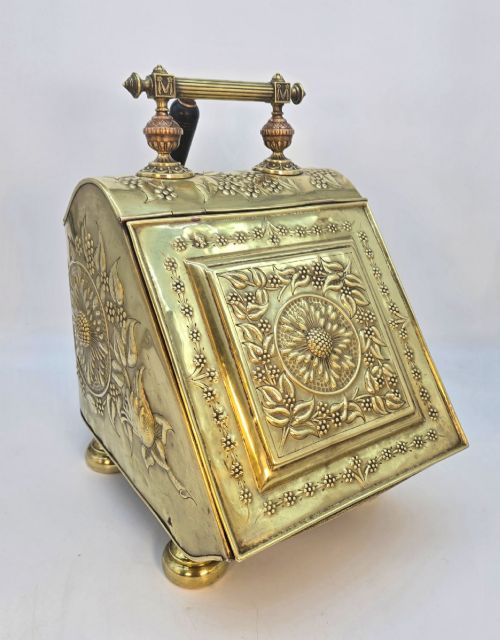
The version you are most likely to meet on this page is a Victorian or nineteenth-century vessel featuring raised ornamentation, often associated with fireside accessories or country house interiors. These containers vary from simple cylindrical bins to helmet-shaped scuttles and lidded receptacles, occasionally incorporating copper bands or wooden handles.
Origin styles also stretch across regional traditions, including Dutch traditional designs, French revival pieces, and Arts and Crafts movement examples. Whether utilised for coal, logs, umbrellas, or plants, each item combines sheet metal construction with hammered or pressed surface decoration.
How they were made
These vessels are constructed primarily from sheet brass, frequently combined with copper sections, iron mountings, or wooden elements such as ebonised wood handles. Makers used forming and joining techniques to shape the metal bodies, attaching seams and reinforcing rims for daily utility.
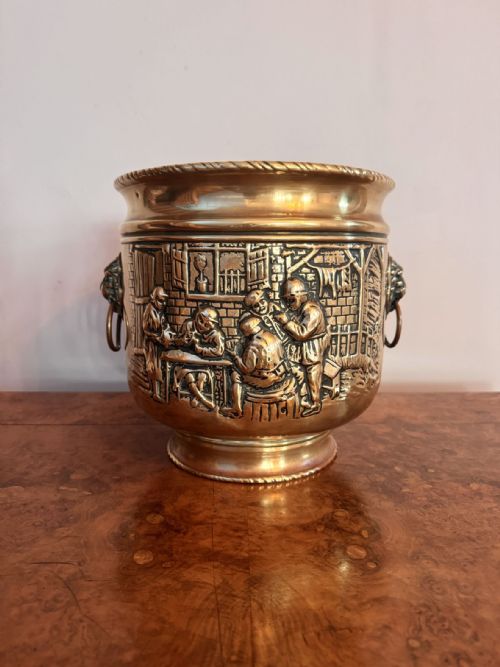
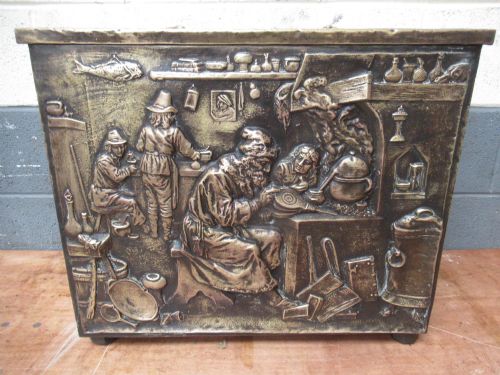
Surface ornamentation relied on embossing and repoussé methods, where designs were hammered or pressed into the metal from behind to create raised motifs such as tavern scenes, crests, and floral patterns. Some items incorporate dinanderie techniques or polished finishes to heighten the contrast of the metal.
Embossed Brass Bucket Retail Price Guide 2026
Typical asking prices for embossed brass bucket among the pieces listed under this phrase on Sellingantiques today, from the lower quarter to the upper quarter. They describe what is for sale here now, not the wider market.
Several heavy coal buckets proudly display embossed tavern scenes, bringing raucous taproom festivities directly to the Victorian hearth.
What varies in quality
The distinction between ordinary utility items and finer examples rests on the depth and crispness of the embossing, alongside the structural integrity of the metal. Superior pieces display sharply defined motifs, secure riveted or dovetailed joints, and substantial gauge brass that resists bending under normal use.
Additional quality markers include the integration of contrasting materials, such as copper bands, polished brass mountings, or original turned wooden handles, which elevate the piece beyond standard mass-produced fireside hardware.
Benham and Froud·Henry Loveridge·Petrus Ramus
The Embossed Brass Bucket Glossary
- Embossing
- A stamping or hammering technique that raises a design in relief above the surface of the metal sheet. This method defines the decorative character of many fireside containers.
- Coal Scuttle
- A specialised bucket or box designed for holding and transporting household coal to a fireplace. These often feature hinged lids, drop handles, and sloping mouths.
- Jardiniere
- An ornamental pot or stand intended for holding growing plants or floral arrangements. In brass, these often double as heavy log bins or umbrella holders.
- Dinanderie
- A medieval and later term for objects made of hammered brass or bronze, particularly associated with domestic vessels and decorative wares. The designation covers various forms of decorative sheet metalwork.
- Purdonium
- A specific type of enclosed coal box, frequently featuring a sloping front door and an interior metal liner. They became common domestic items during the Victorian period.
Embossed Brass Bucket: Frequently Asked Questions
How do I date a brass bucket?
Dating relies on examining stylistic indicators, construction methods, and material combinations recorded across the pieces. Victorian and nineteenth-century examples often feature specific revival styles, such as French Rococo, Arts and Crafts, or Dutch traditional motifs.
Additionally, markers such as maker stamps, the presence of copper bands, or specific handle designs help narrow the period of manufacture between the early nineteenth and early twentieth centuries.
Are these buckets safe to use for fireside fuel?
Most of these containers were originally engineered to hold solid fuel like coal or wood, making them suitable for modern fireside use. Many retain their original structural integrity, though some benefit from gentle cleaning or checking internal linings.
Buyers often continue to utilise them for logs and kindling, while others repurpose them strictly for dry storage or as ornamental planters to preserve the antique finish.
How should I clean antique brass?
Maintaining antique brass involves removing dust and light grime with a soft, dry cloth without stripping the aged patina that accumulates over decades. Aggressive chemical polishing can remove historical character and wear down embossed details.
Preserving the surface requires minimal intervention, occasionally applying appropriate metal waxes if protection against atmospheric moisture is necessary.