




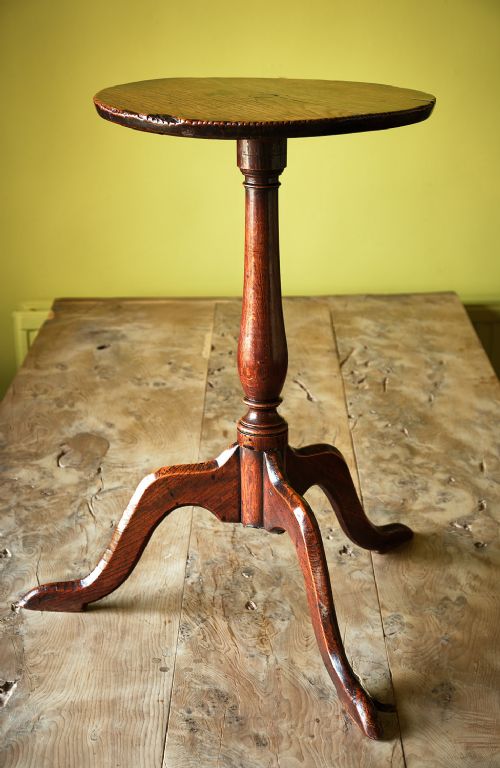

Elm Tripod Side Table
An elm tripod side table brings character and honest country craftsmanship into a room.
Elm Tripod Side Table
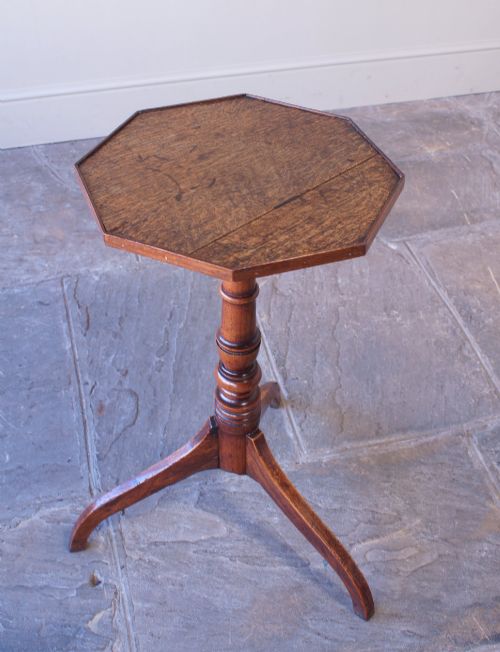
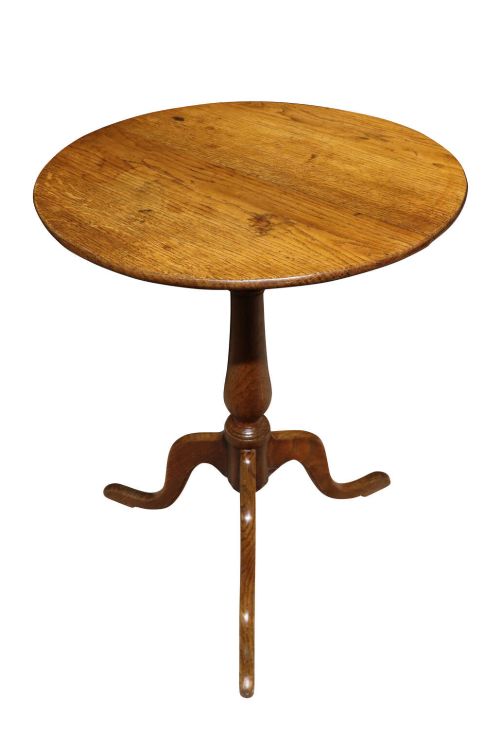
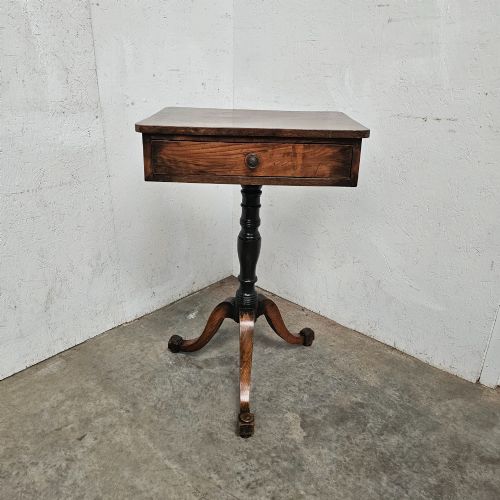
An elm tripod side table combines a sturdy timber top with a three-legged pedestal support, offering a practical surface with a distinct silhouette. These pieces often emerge from vernacular rural traditions, carrying the simple lines favored by country makers across generations.
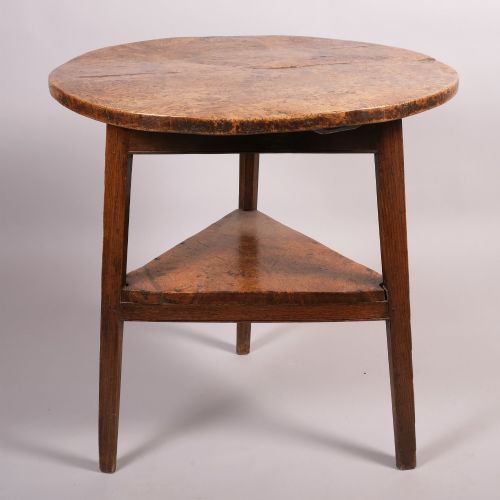
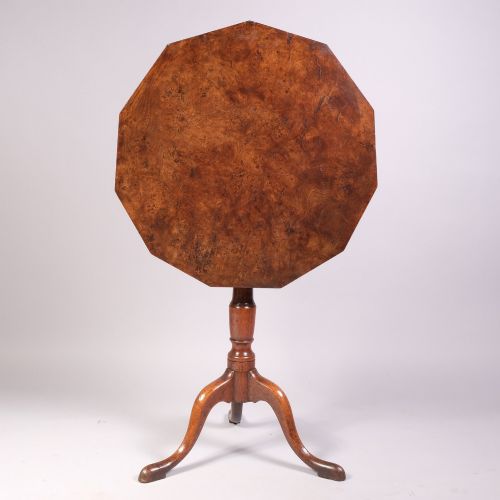
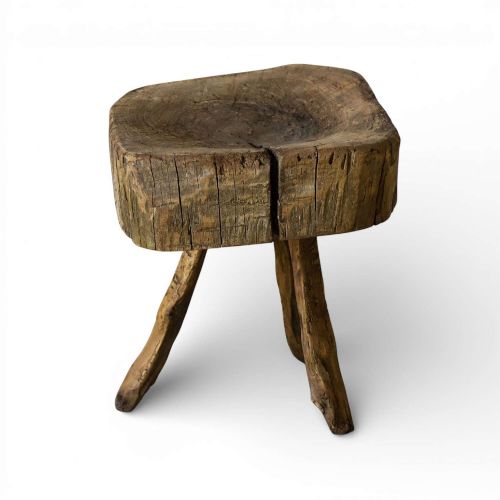
The versions most commonly met on this page span the Georgian and nineteenth-century periods, showcasing the rich grain of native timber. Whether formed as a tilt-top pedestal or a cricket table, each piece reflects functional domestic use.
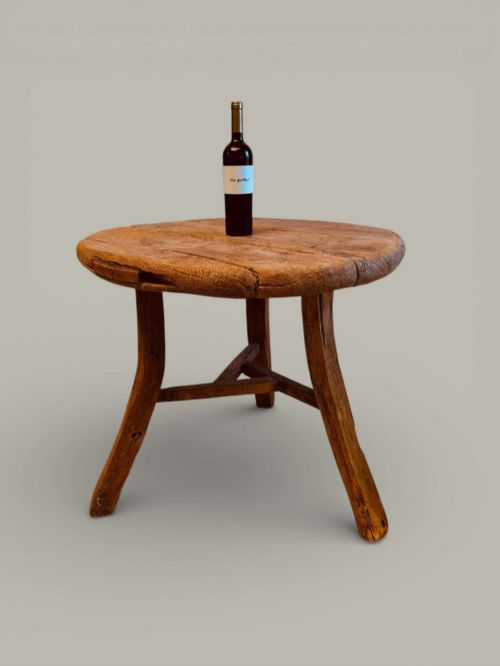
Makers shaped these tables from solid timber, frequently pairing elm tops with oak or ash bases to create durable household furniture. The search phrase covers occasional tables, lamp tables, and wine tables that suit both traditional and modern interiors.
How they were made
Makers selected solid elm and burr elm for their toughness and richly figured grain, often turning the central pedestals on a lathe. Legs were typically tenoned directly into the central pillar or underside of the top, creating a stable three-point stance that sat level on uneven stone floors.
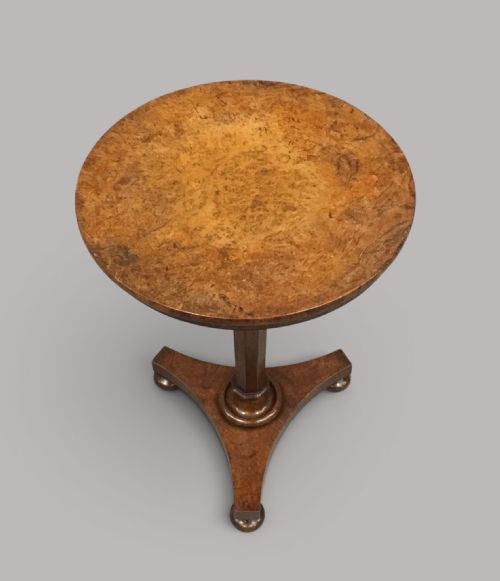
Working by hand, craftsmen shaped edges with drawknives and planes, leaving subtle tool marks that reveal the early manufacturing process. Burr elm sections were chosen for prominent display surfaces, while supplementary timbers like oak provided structural strength for the legs and underframing.
Elm Tripod Side Table Retail Price Guide 2026
Typical asking prices for elm tripod side table among the pieces listed under this phrase on Sellingantiques today, from the lower quarter to the upper quarter. They describe what is for sale here now, not the wider market.
What varies in quality
Quality rests in the balance of proportions and the natural figure of the timber used for the top. A well-chosen piece displays dramatic burr figuring or a deep, warm patina developed through decades of domestic service.
The integrity of the tripod base and the snugness of the central joinery determine the lasting stability of the table. Examples with original legs and minimal structural alteration hold greater integrity than those with heavily restored or replaced components.
The Elm Tripod Side Table Glossary
- Tripod table
- A small occasional table supported by a central pillar resting on three legs. This design prevents wobbling on uneven floors.
- Burr elm
- A woody outgrowth on an elm tree producing complex, swirling grain patterns. Cabinet makers prized this timber for decorative table tops.
- Tilt-top
- A tabletop hinged to the pedestal so it can be flipped vertical when not in use. This mechanism saved valuable floor space in smaller rooms.
- Cricket table
- A small three-legged table with a round wooden top and low undershelf. The three legs ensured stability on uneven farmhouse floors.
- Pad foot
- A simple rounded foot terminating the end of a cabriole or straight leg. It rests flat on the floor without requiring a separate shoe.
Elm Tripod Side Table: Frequently Asked Questions
What is an elm tripod side table used for?
These tables serve as versatile surfaces for holding lamps, books, or drinks beside a chair or sofa. Their compact footprint makes them useful in smaller spaces where a large table would overwhelm the room.
Historically, similar small stands held candlesticks or tea service equipment in domestic parlours. Today, they function well as accent pieces that introduce natural wood texture into an interior.
How do I tell an 18th-century table from a 19th-century one?
Eighteenth-century examples often display simpler joinery techniques and proportions associated with Georgian country cabinet making. The timber surfaces tend to show deeper patination accumulated over longer periods of domestic use.
Nineteenth-century pieces sometimes incorporate more elaborate turning on the pedestals or feature burr elm veneers. Examining the underside and the peg fixings helps reveal the working methods of the period.
Are three-legged tables stable on carpets?
Tripod tables actually sit more steadily on uneven or slightly plush surfaces than four-legged furniture. The three points of contact naturally adjust without rocking.
Placing the table on a thick carpet requires checking that the legs rest evenly on the backing. Heavier items placed on the edge should be avoided to maintain balance.
How should I care for a historic elm surface?
Keeping the timber away from direct heat sources and strong sunlight prevents the wood from drying out and splitting. Regular dusting with a soft, dry cloth preserves the finish.
Applying a traditional beeswax polish occasionally helps nourish the grain and maintain the natural lustre of the timber. Water spills should be wiped away promptly to protect the antique polish.