



Elm Storage Drawers
Elm storage drawers combine stubborn timber with practical compartmentalisation, offering durable storage through figured grain and sturdy construction.
Elm Storage Drawers
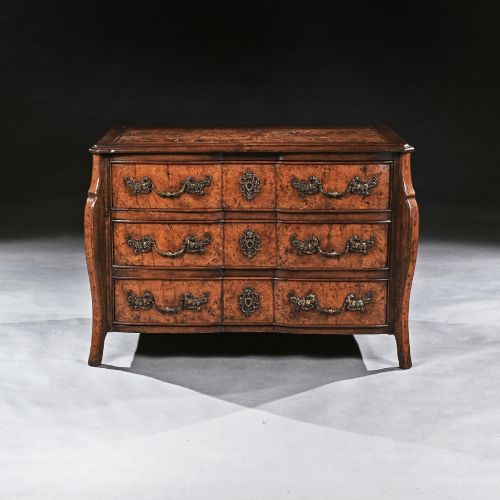
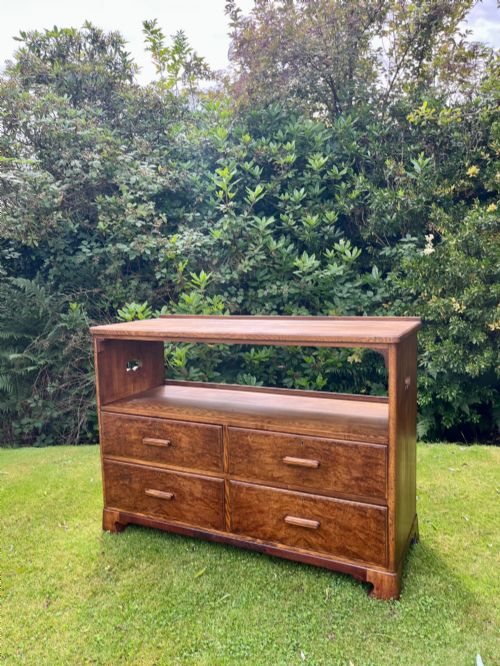
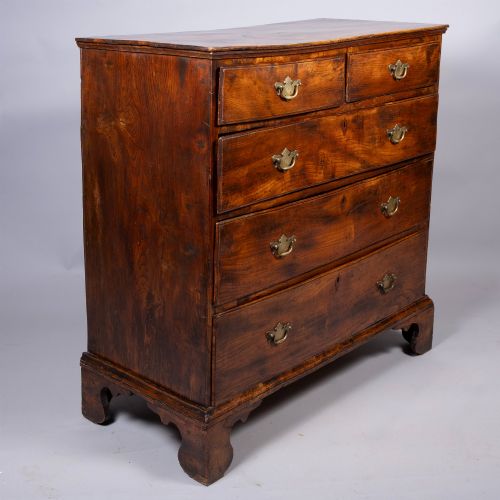
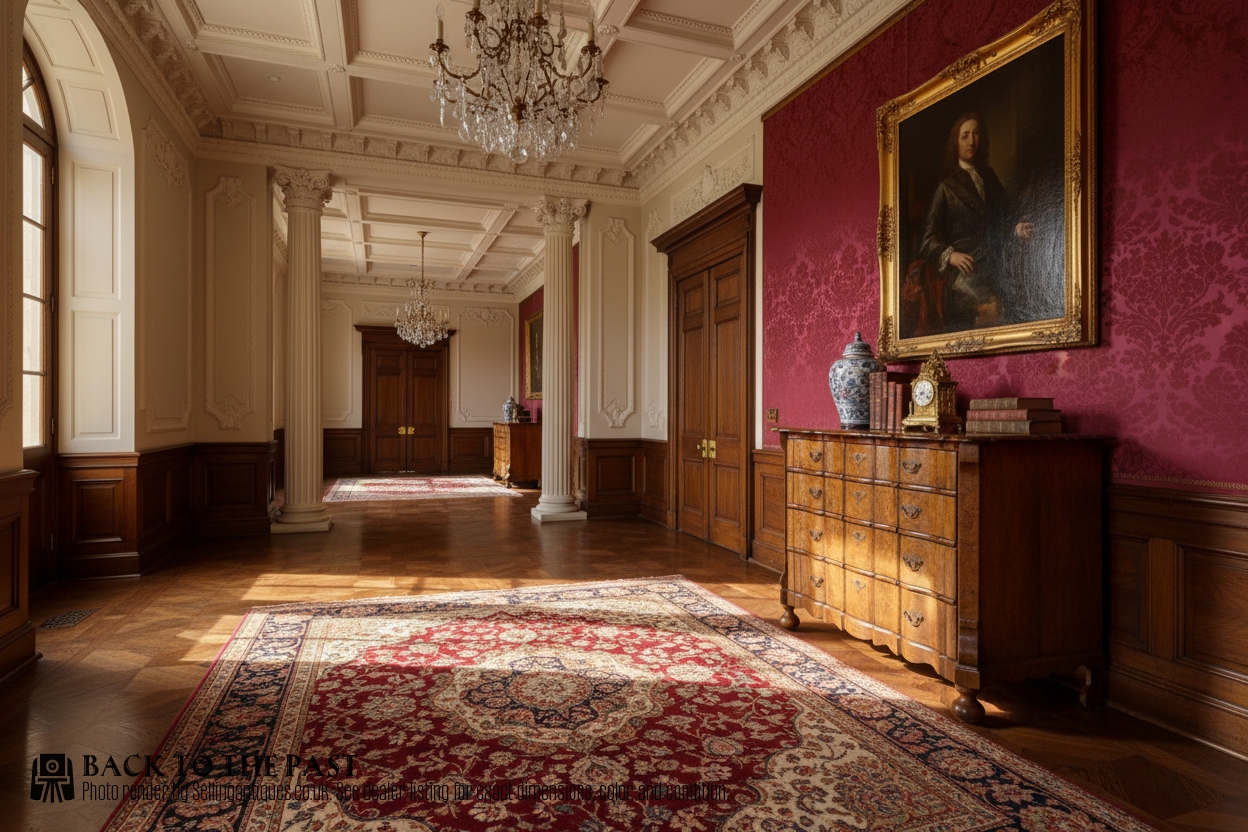
Elm storage drawers encompass a diverse array of utilitarian furniture, from substantial Georgian chests to compact table top cabinets and sideboards. When exploring elm storage drawers, buyers encounter pieces spanning the eighteenth and nineteenth centuries alongside twentieth-century examples.
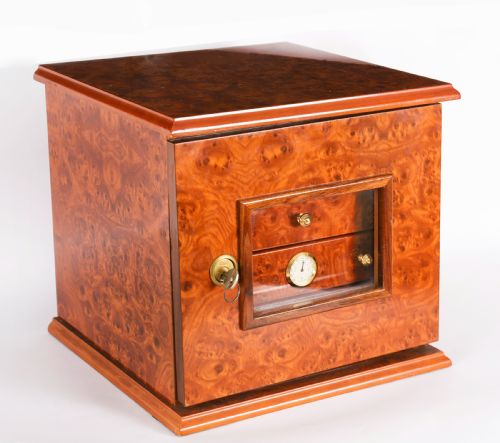
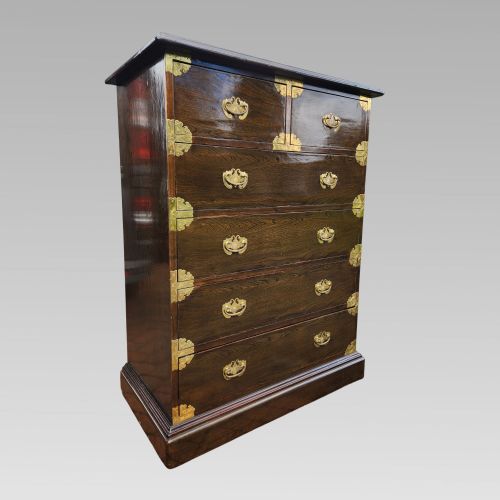
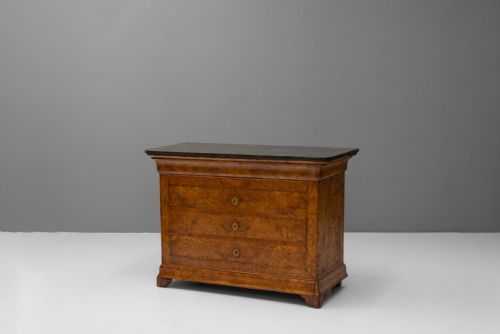
The selection ranges from regional European commodes and Dutch shaped-front chests to East Asian tansu chests and apothecary cabinets. Figured timber and burr elm panels feature prominently across these diverse forms, highlighting the natural grain of the wood.
What varies in quality
Quality rests in the selection of the timber, particularly where highly figured burr elm or consistent grain patterns enhance the visual impact of the piece. The subtlety of the dovetailing and the integrity of the original brass or iron hardware also distinguish finer examples.
Proportion and execution define the hierarchy, separating standard utilitarian boxes from sophisticated cabinetwork such as Dutch shaped-front commodes or detailed regional side cabinets. The preservation of surface patina contributes significantly to the character of older pieces.
Listings feature elm alongside oak, brass, iron, glass, and marble across periods spanning the eighteenth century to the 1940s.
Whytock and Reid
The Elm Storage Drawers Glossary
- Burr elm
- A growth distortion on an elm tree that produces highly figured, swirling wood grain patterns prized by cabinet makers. It is frequently sliced into veneers for decorative drawer fronts and panel surfaces.
- Commode
- A low chest of drawers or cabinet, often fitted with a marble top in European designs. The form developed in France before being adopted across various regions.
- Tansu
- Traditional Japanese mobile storage cabinetry featuring distinctive iron hardware and compartment layouts. These pieces reflect regional craftsmanship from the Taisho period and earlier.
- Mule chest
- A traditional storage chest featuring one or more functional drawers built into the base beneath a hinged lid. This hybrid form bridges the gap between coffer and chest of drawers.
- Patina
- The surface sheen and coloration developed through years of handling, waxing, and ageing. It signifies the maturity of antique wooden furniture.
Elm Storage Drawers: Frequently Asked Questions
How do I identify burr elm?
Burr elm is recognised by its dense, swirling grain patterns and circular eye formations caused by tree growth irregularities. It is typically utilised on focal points like drawer fronts and panels rather than structural frames.
Cabinet makers valued this figuring for its decorative impact, setting it apart from straight-grained elm boards used elsewhere on the same piece.
Are these drawers suitable for daily use?
Most elm storage drawers remain robust enough for regular service, provided the joints and runners are treated with care. Their dense timber construction originally served demanding domestic or commercial storage needs.
Placing them away from direct heat sources helps prevent timber movement in older carcases and keeps the traditional drawer action smooth.
How do Asian tansu chests differ from European drawers?
Asian tansu and sideboards typically rely on modular internal compartments, sliding doors, and exposed iron reinforcement braces. They utilise regional elm and native softwoods adapted to specific domestic storage tasks.
European chests focus on stacked horizontal drawer tiers with brass hardware, following classical proportions and cabinet-making traditions.