


Dutch Drawers
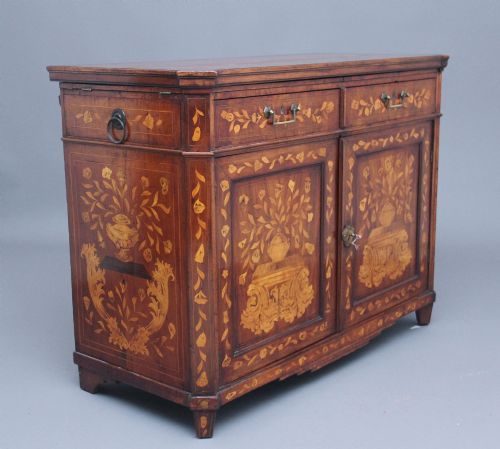
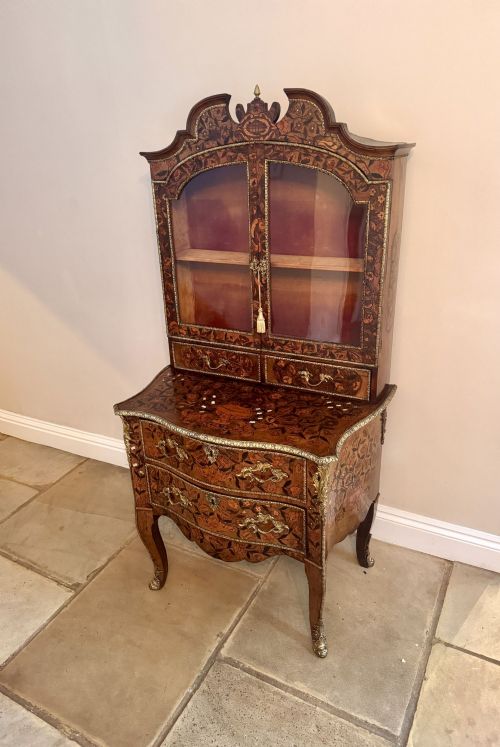
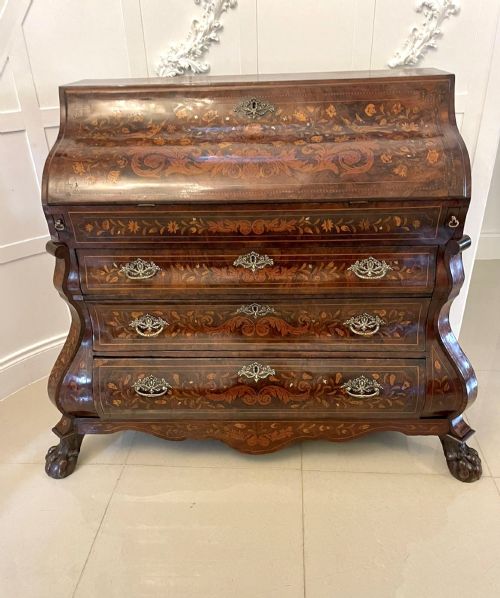
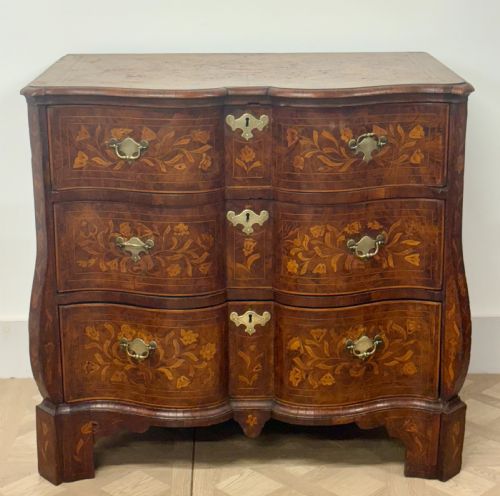
When you handle dutch antique drawers, you are dealing with pieces defined by bold bombé contours, rich burr walnut, and intricate floral marquetry.
Dutch Drawers
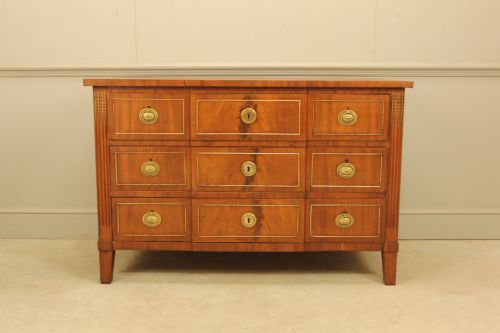
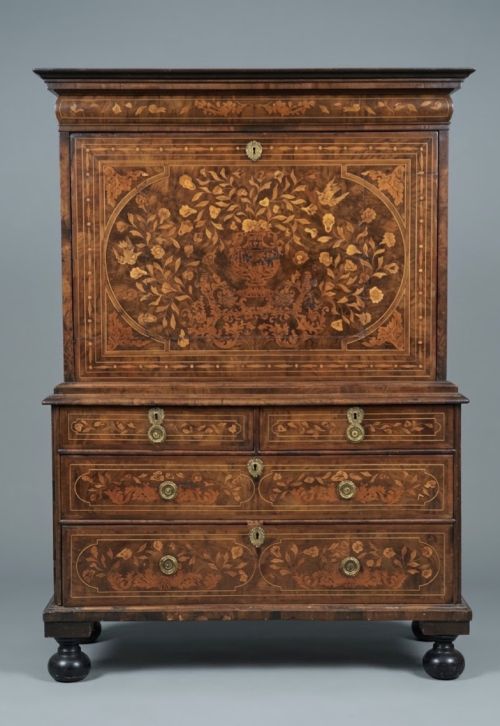
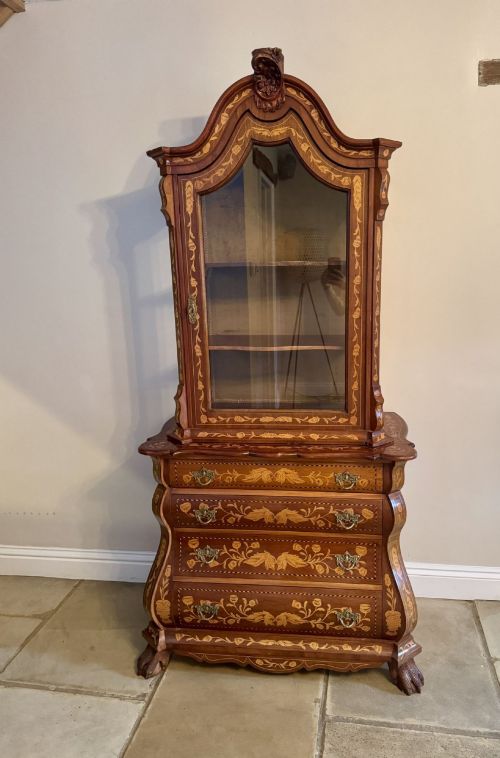
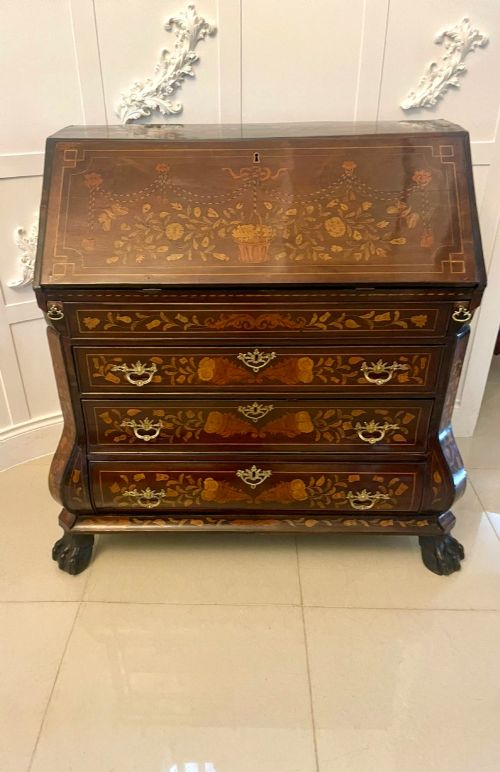
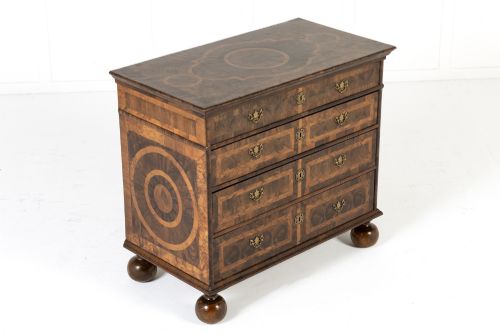
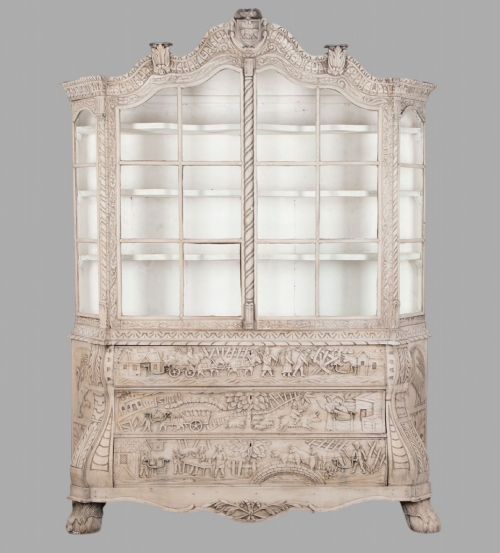
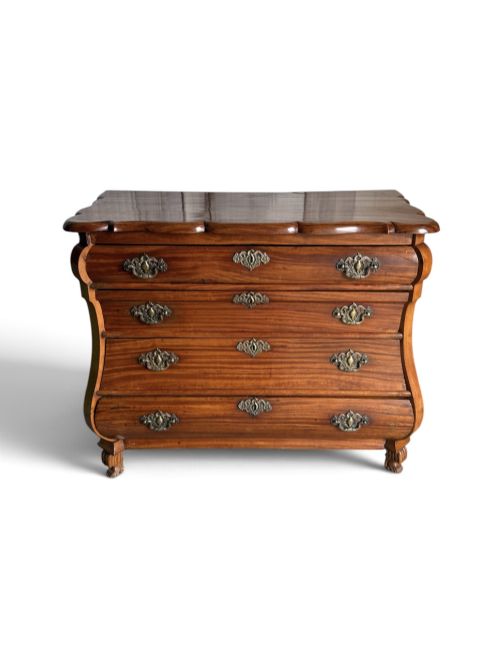
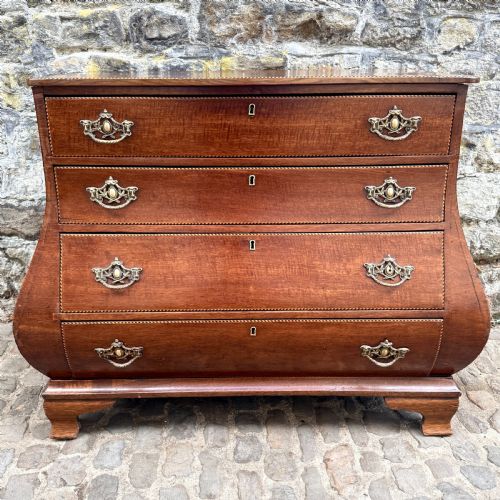
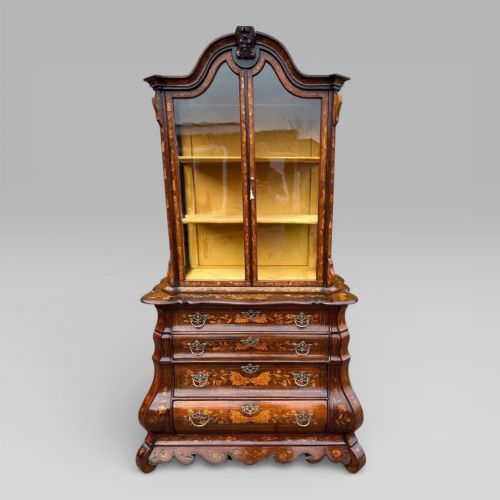
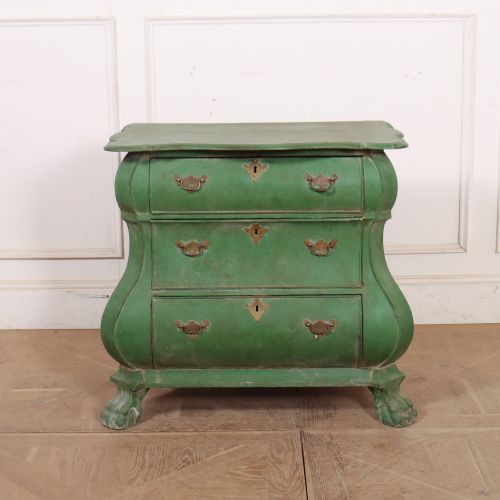
Dutch antique drawers encompass a range of storage forms, from monumental tall chests and bureau bookcases to compact commodes and dressing table mirrors. You will frequently encounter pieces shaped with a swelling bombé front, alongside flat-fronted examples in walnut, mahogany, and oak.
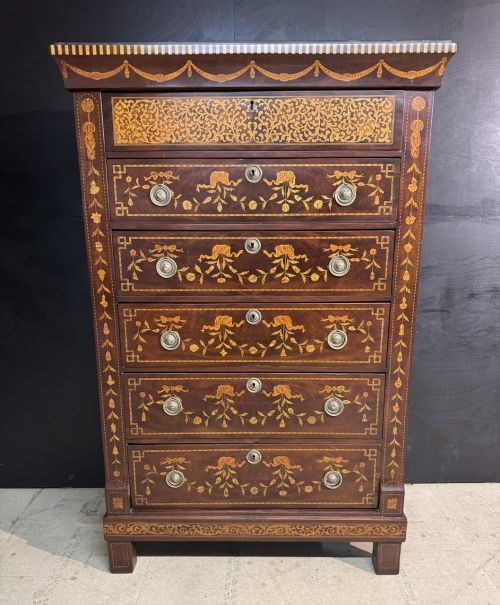
The material vocabulary spans native timbers like oak and elm alongside imported exotics, often surfaced with elaborate floral marquetry or fruitwood inlay. Pieces originate predominantly from the eighteenth and nineteenth centuries, reflecting periods of distinct stylistic shifts from baroque exuberance to neoclassical restraint.
These items served practical domestic functions for storing linens, clothing, and papers while simultaneously demonstrating the owner's status and taste through exceptional cabinet-making. On this page, the selection centres heavily on eighteenth-century burr walnut and marquetry pieces alongside later nineteenth-century interpretations.
What varies in quality
The distinction between ordinary and exceptional examples rests in the fidelity and complexity of the marquetry and the choice of veneer. Top-tier pieces exhibit seamless veneer matching across undulating bombé surfaces, where floral marquetry flows continuously without awkward interruptions at the drawer edges.
Structural integrity and the survival of original decorative brasses dictate the standing of a piece in the market. Cabinets retaining their original mounts, uncompromised drawer rails, and crisp carving without heavy restoration command greater respect from collectors.
Proportion and the handling of the silhouette separate master furniture from provincial workshop output. A successful bombé profile swells gracefully from the waist to the feet without appearing clumsy or disproportionate.
Dutch Drawers Retail Price Guide 2026
Typical asking prices for dutch drawers among the pieces listed under this phrase on Sellingantiques today, from the lower quarter to the upper quarter. They describe what is for sale here now, not the wider market.
Edwards and Roberts
The Dutch Drawers Glossary
- Bombé
- An outward-swelling, convex curved front and side profile characteristic of continental furniture. This shape requires advanced cabinet-making skill to execute correctly.
- Marquetry
- A decorative technique where small pieces of veneer are arranged to form pictorial or floral designs. Artisans utilise various tinted woods to create naturalistic shading.
- Commode
- A low chest of drawers originating in France and widely adopted in the Netherlands during the eighteenth century. These pieces usually feature multiple drawers and stand on short legs.
- Bureau
- A desk featuring a sloping fall-front that opens to reveal a fitted interior of small drawers and pigeonholes. Many examples incorporate secret compartments behind the main storage.
- Tallboy
- A tall chest of drawers constructed in two sections, placing a smaller chest atop a larger base. This form maximises storage capacity while maintaining a manageable floor footprint.
Dutch Drawers: Frequently Asked Questions
How do I spot a true eighteenth-century piece?
Examine the construction methods visible inside the drawers and at the back of the carcass. Hand-cut dovetails, uneven oak linings, and hand-beveled drawer bottoms indicate genuine period manufacture.
Look closely at the timber patination and the wear patterns around the brass handles. Eighteenth-century surfaces display a soft, accumulated polish that modern reproductions cannot replicate.
What is a bombe chest?
A bombé chest is a storage piece featuring pronounced convex curves on both the front and the sides. This dramatic silhouette swells outward from top to bottom.
Cabinet-makers achieved this form by building up thick timber cores or layering multiple veneer sheets over shaped frames. It represents the height of continental rococo design.
How should I care for burr walnut?
Keep burr walnut furniture away from direct sunlight and heat sources to prevent the delicate veneers from drying and lifting. Maintain stable room humidity throughout the year.
Apply a microcrystalline wax occasionally and buff gently with a soft cloth. Avoid silicone-based polishes that damage antique French polish finishes.
Are secret drawers common in these pieces?
Many eighteenth-century burr walnut commodes and bureaux incorporate hidden compartments within the interior fitments. Makers designed these spaces to secure valuables and private documents.
Accessing them usually requires sliding panels, releasing hidden spring latches, or lifting removable floor sections within pigeonholes. Discovering these elements adds to the pleasure of living with the furniture.