



Elm Country Dresser
An elm country dresser brings genuine vernacular warmth to a room through honest timber and straightforward proportions.
Elm Country Dresser
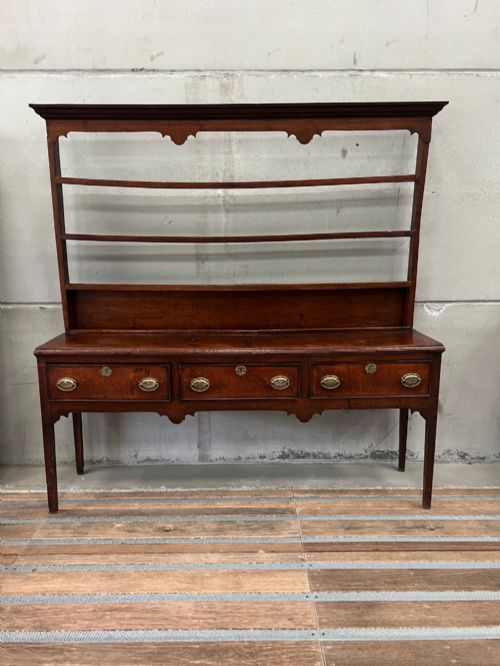
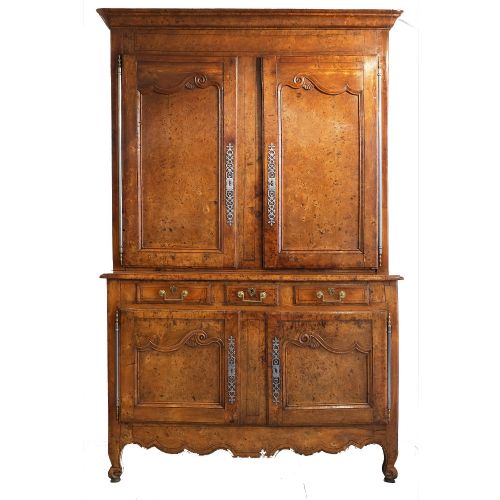
An elm country dresser combines practical storage with the robust character of domestic rural furniture, appearing in regional styles such as Welsh and French provincial forms. These sturdy pieces serve as functional display and storage units that anchor a kitchen or dining space with historic utility.
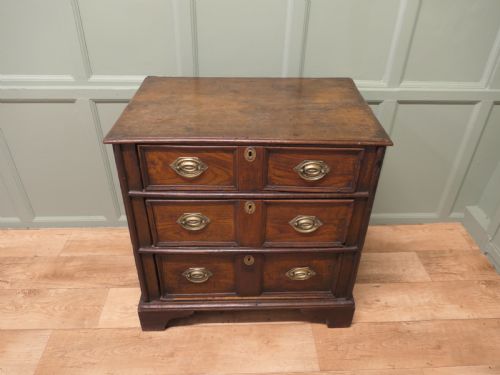
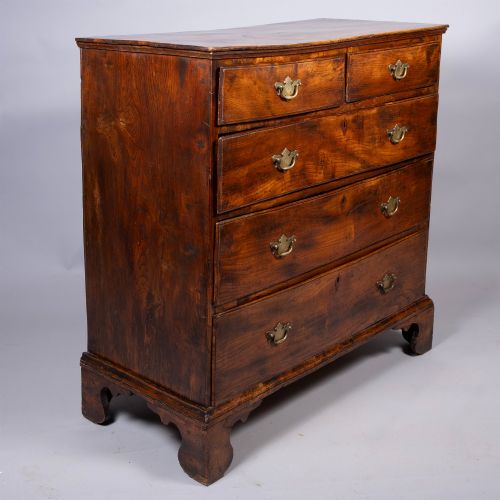
The selections available here span the eighteenth and nineteenth centuries, encompassing Georgian, Victorian, and continental provincial traditions. Most examples rely on heavy timber construction, pairing open plate racks or upper cabinets with lower drawer bases and cupboards.
How they were made
Cabinetmakers built these pieces primarily using native elm, often combined with oak for structural framing and ash for secondary supports. Selected sections of burr elm and burr walnut provided decorative grain patterns on drawer fronts and primary surfaces.
Joinery techniques relied on traditional pegged frames, hand-cut dovetails for drawers, and solid board construction for backs and tops. Metalwork was typically restricted to functional brass handles, escutcheons, and hinges that secured the heavy timber doors.
Elm Country Dresser Retail Price Guide 2026
Typical asking prices for elm country dresser among the pieces listed under this phrase on Sellingantiques today, from the lower quarter to the upper quarter. They describe what is for sale here now, not the wider market.
Many an old elm board bears the honest scars of rolling pastry and butter-churning long before it ever entered a collector's parlour.
What varies in quality
The visual appeal of an elm country dresser rests largely on the figuring of the timber and the depth of the surface patina. Richly grained burr elm panels and untouched beeswax finishes distinguish superior examples from plain utility pieces.
Proportion and regional vernacular detailing also dictate the standing of a piece, with balanced architectural cornices and crisply moulded drawer edges marking out finer cabinet work.
The Elm Country Dresser Glossary
- Welsh Dresser
- A traditional kitchen storage unit featuring open plate shelves above a base of drawers and cupboards. These pieces were designed to hold and display everyday earthenware and pewter.
- Deux Corps
- A large two-part cupboard or dresser common in French provincial furniture making. The upper section sits directly upon a deeper lower cabinet.
- Burr Elm
- A distinctive timber growth yielding swirling, knotty grain patterns prized for decorative cabinet fronts. Cabinetmakers utilised these figured sections to create striking visual contrast.
- Vernacular
- Furniture designed and built by local tradesmen for domestic utility rather than following strict metropolitan design rules. These pieces reflect regional materials and practical needs.
Elm Country Dresser: Frequently Asked Questions
What is an elm country dresser?
An elm country dresser is a traditional storage and display piece made from native elm timber, typically featuring lower cupboards or drawers with an upper section for plates. These pieces originated in rural households for daily domestic use.
Today, they provide substantial storage and bring historic character to modern kitchens, dining rooms, and hallways.
How do I care for antique elm furniture?
Antique elm requires consistent indoor humidity levels and protection from direct heat sources to prevent the timber from splitting or warping. Regular applications of beeswax nourish the wood and maintain its protective finish.
Avoid using modern silicone-based polishes, which can build up on the surface and dull the historic patina.
Where were these dressers made?
These pieces were produced across various rural regions in Britain and continental Europe by local joiners and provincial cabinetmakers. Regional traditions influenced whether a piece took a Welsh, English, or French provincial form.
Makers utilised locally felled timbers, which explains the prevalence of native elm, oak, and ash in their construction.
How do I date an elm dresser?
Dating relies on examining construction methods, timber preparation, and stylistic details such as mouldings, hardware, and drawer dovetailing. Eighteenth-century examples often display hand-sawn boards and pegged joinery.
Nineteenth-century pieces frequently incorporate machine-sawn timber and different brassware styles while retaining traditional regional forms.