




Eighteenth Century Wooden Table
An eighteenth century wooden table brings warmth and enduring utility to a room, offering genuine period character built from rich hardwoods.
Eighteenth Century Wooden Table
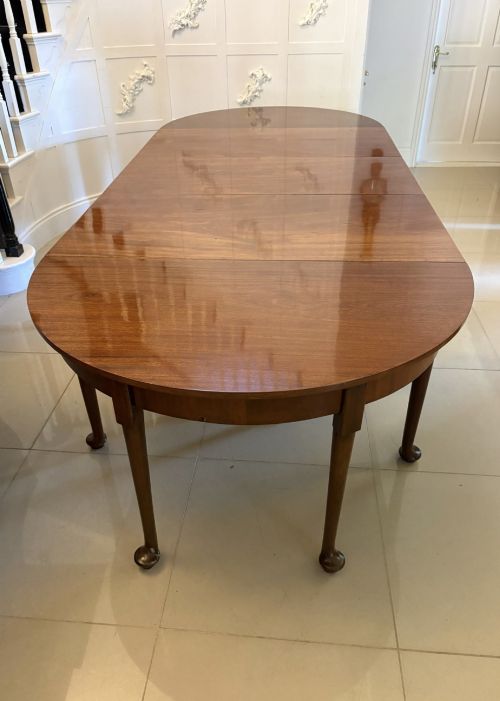
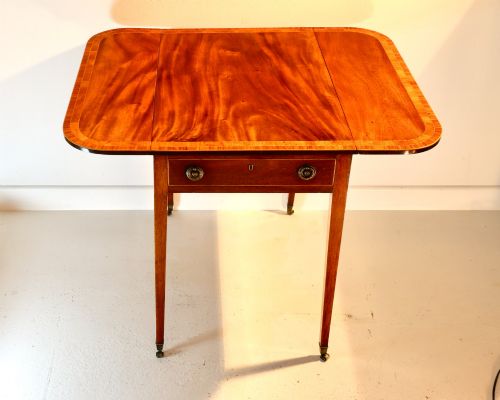
An eighteenth century wooden table encompasses a diverse array of forms designed for dining, writing, and serving, reflecting the domestic habits of the Georgian era and surrounding periods. You will encounter dining tables, side tables, Pembroke tables, and occasional tables spanning styles from English Country to Georgian, George III, and Italian Neo-Classical.
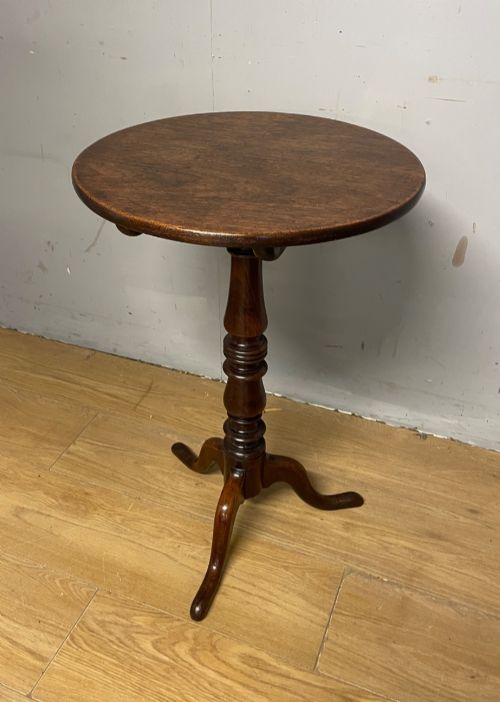
Mahogany and oak dominate the selection, frequently appearing alongside walnut, satinwood, kingwood, and painted wood in forms that include tilt-top wine tables, drop-leaf surfaces, and refectory designs. These practical items served various functional needs in period homes, ranging from grand reception rooms to rustic country kitchens.
The pieces on this page bridge the gap between robust utilitarian furniture and refined decorative arts, utilising timbers selected for their durability and grain. Whether considering a compact occasional table or a large dining surface, each example retains the proportion and construction methods characteristic of its period of origin.
What varies in quality
Proportion and the restraint of decorative detail dictate the hierarchy of these items, where crisp carving on tripod legs or subtle inlay work demonstrates the maker's command of the medium. Integrity of construction, including original hinges, handles, and structural joints, separates standard utility pieces from exceptional examples.
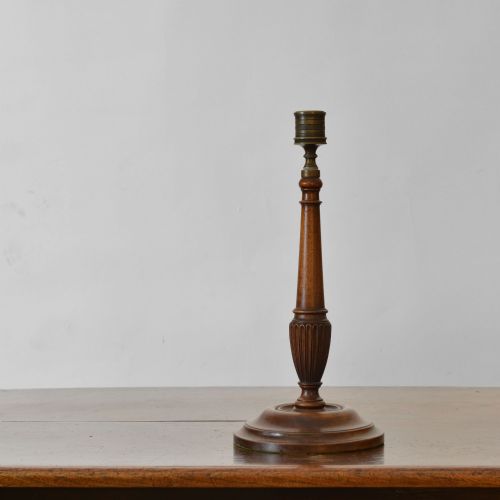
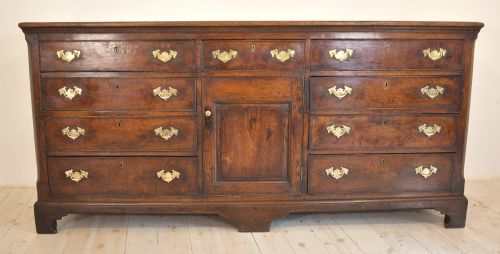
The listings show pieces spanning the eighteenth and nineteenth centuries, constructed primarily from mahogany, oak, and walnut with occasional brass fittings.
Turner of London
The Eighteenth Century Wooden Table Glossary
- Tilt top table
- A table with a mechanism allowing the tabletop to pivot into a vertical position when not in use, saving space in smaller apartments or chambers.
- Lowboy
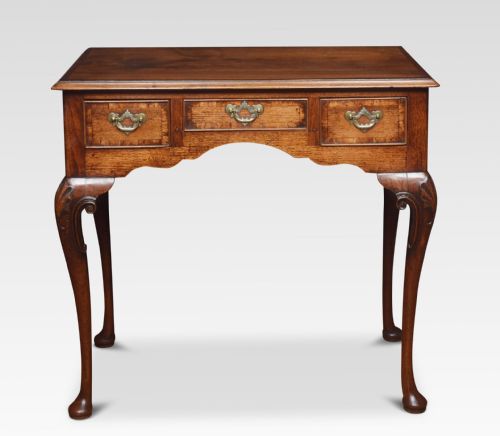
- A small dressing table or side table with one or more rows of drawers beneath the flat top, typically supported on slender legs.
- Refectory table
- A long, narrow dining table historically used in communal dining halls, characterised by sturdy wooden construction and stretcher bases.
- Butler tray
- A portable wooden tray with raised sides, often fitted with cut-out handles, designed to rest upon a folding wooden stand.
Eighteenth Century Wooden Table: Frequently Asked Questions
How do I identify a genuine period table?
Examine the timber, construction joints, and overall wear patterns to determine the age of a wooden table. Hand-cut dovetails and timber shrinkage indicate period authenticity.
Look closely at the underside and interior surfaces for tool marks and consistent ageing that match the recorded eighteenth or nineteenth century origins.
Are drop leaf tables sturdy for daily use?
Drop leaf tables provide robust surfaces when the hinged flaps are fully extended and supported by swing legs or brackets. The structural integrity relies on the original wooden hinges and pivoting mechanisms.
Care should be taken not to place excessive downward pressure on the unsupported outer edges of the leaves during meals or writing.
Where should I place a wine table?
A wine table suits placement beside an armchair or sofa, providing a convenient surface for a cup, glass, or book. Their compact tripod bases allow them to fit into tight corners.
Keep these smaller tables away from direct heat sources and strong sunlight to protect the polished mahogany or walnut surfaces.
What is the difference between an occasional table and a side table?
An occasional table generally refers to a small, movable piece like a tripod or wine table intended for intermittent use around a room. Side tables tend to be stationary and positioned against a wall for display or storage.
Both forms utilise timbers such as oak, mahogany, and walnut, reflecting the domestic requirements of their respective periods.