





Eighteenth Century Framed Art
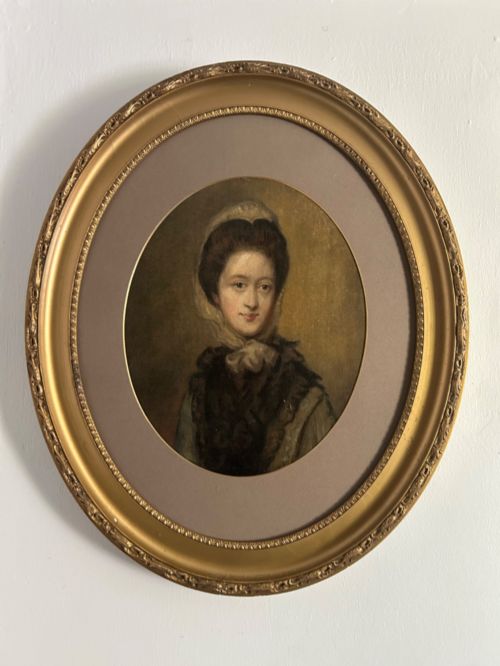
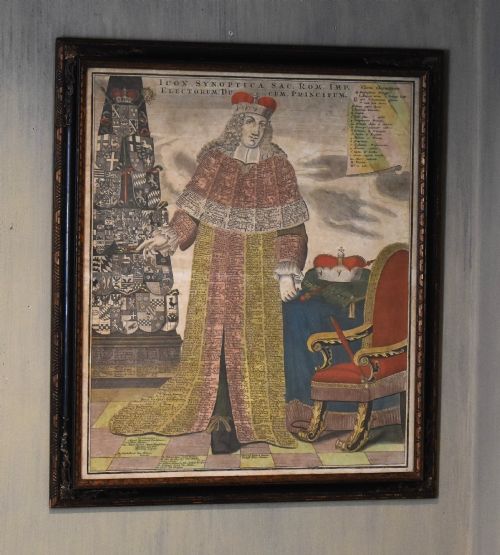
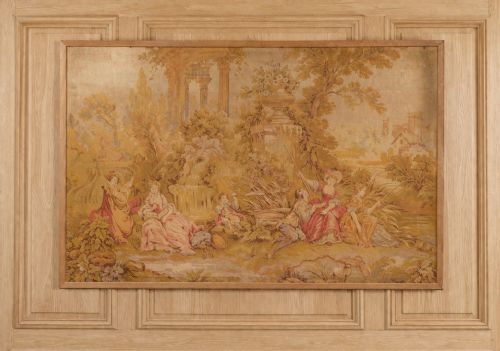
These pieces of eighteenth century framed art bring centuries of classical portraits, still lifes and tapestries into your interior.
Eighteenth Century Framed Art
When searching for eighteenth century framed art, buyers encounter a diverse selection of oil paintings, framed prints, engravings and woven tapestries. The majority of pieces originate directly from the eighteenth century and the Georgian period, alongside related works from the seventeenth and nineteenth centuries.
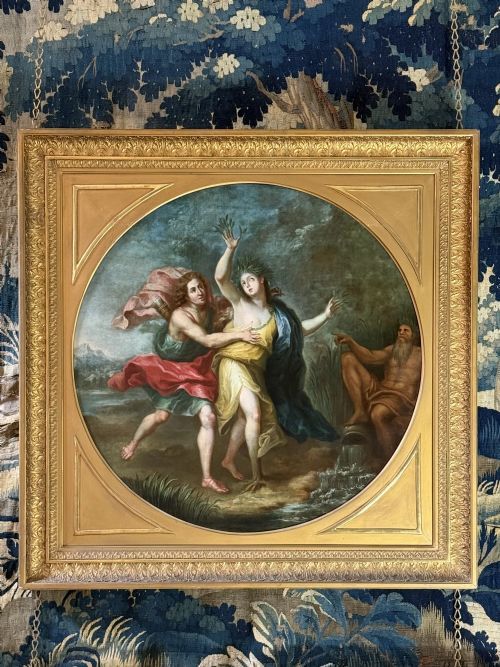
Subjects range widely from classical mythological scenes and regal portraits to floral still lifes and intricate pastoral landscapes. Collectors frequently find pairs and sets alongside single portrait studies and decorative wall art originating from British and European makers.
Materials and construction
Makers utilised traditional mediums such as oil on canvas, oil paint, paper and watercolours, often executed with meticulous brushwork or engraved with precision. Mezzotints and reverse painted glass provide alternative print techniques within the selection.
Works are typically preserved within period frames constructed from wood, accented with gesso and gold leaf or framed in walnut. Woven textile panels and needlework feature heavily alongside paper and canvas supports.
Materials recorded across the inventory include gold leaf, gesso, walnut, glass and canvas.
Judging quality in historic frames and works
Quality rests upon the preservation of the original surface, the clarity of the engraved lines or brushwork, and the integrity of the period framing. Finer examples display masterly execution in portraiture and composition by documented artists and engravers.
The relationship between the artwork and its mounting matters significantly, as original gilding, gesso work and period timber frames elevate the piece above later adaptations or replacements.
Charles-Antoine Coypel·Jean Mariette·John Smith·Charles Spooner·Horace Hone·Sir Joshua Reynolds·Jean-baptiste Joseph Pater·Simon François Ravenet·Bartolomeo Schedoni·Ozias Humphry·H. Singleton·James Latham·Nathaniel Hone·John Raphael Smith
The Eighteenth Century Framed Art Glossary
- Mezzotint
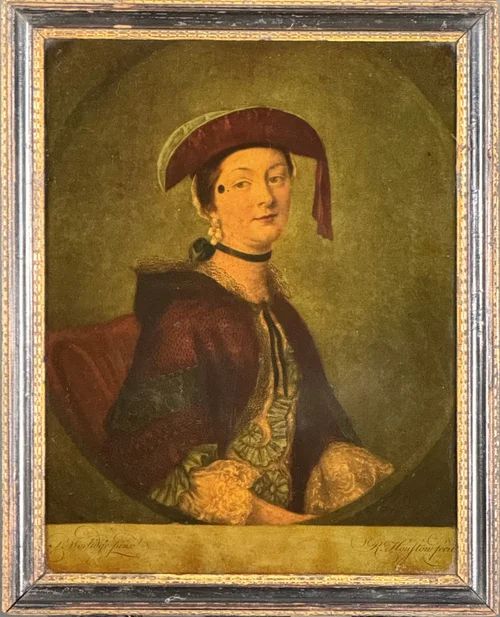
- A printmaking process of the printmaker's art that achieves tonal shades by roughening the metal plate. This technique allows for rich, velvety dark areas and subtle gradations.
- Gesso
- A plaster mixture applied to wood frames as a base for moulding and gilding. It provides a smooth surface for applying gold leaf.
- Engraving
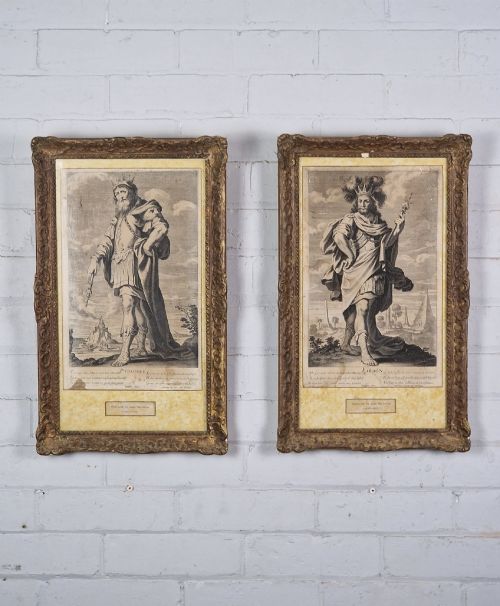
- A method of cutting design lines into a metal plate to hold ink for printing. The resulting impressions display remarkable line precision.
- Tapestry
- A form of textile art woven by hand on a loom. These large panels depict pictorial scenes using coloured threads.
- Baroque
- An artistic style characterised by dramatic movement and rich detail. It heavily influences the composition and theatricality of period paintings.
Eighteenth Century Framed Art: Frequently Asked Questions
How do I date eighteenth century art?
Dating relies on costume details, artistic styles, artist signatures and the physical characteristics of the paper, canvas or wood panel.
Examining the construction methods of the frame also provides vital clues to the age of the piece.
Are these works original period pieces?
The selection includes genuine eighteenth century creations alongside related works from adjacent periods such as the seventeenth and nineteenth centuries.
Each listing details the specific era and medium attributed to the item by the dealer.
How should I display antique tapestries?
Large woven tapestry panels require sturdy wall hanging systems that distribute the weight evenly across the timber frame or backing.
Keep textile pieces away from direct sunlight to protect the natural fibres and dyes.
What subjects are most common?
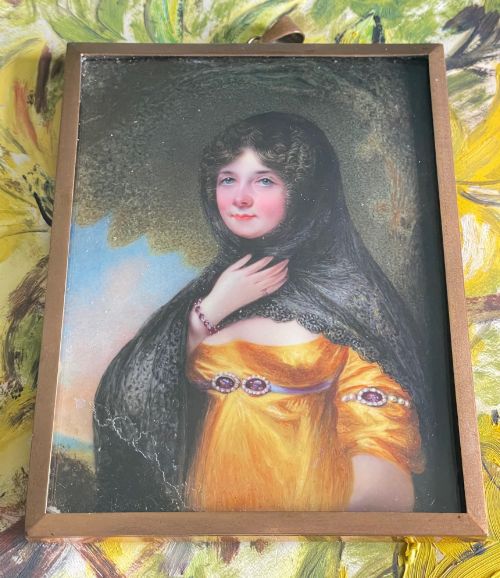
Portraits of gentlemen, ladies and historical figures appear frequently alongside floral and fruit still life compositions.
Mythological scenes, religious subjects and topographical engravings also form a significant portion of the available art.