

Edwardian Wooden Storage Box
An edwardian wooden storage box is a practical domestic container, from blanket chests to coal purdoniums, designed to keep rooms orderly.
Edwardian Wooden Storage Box
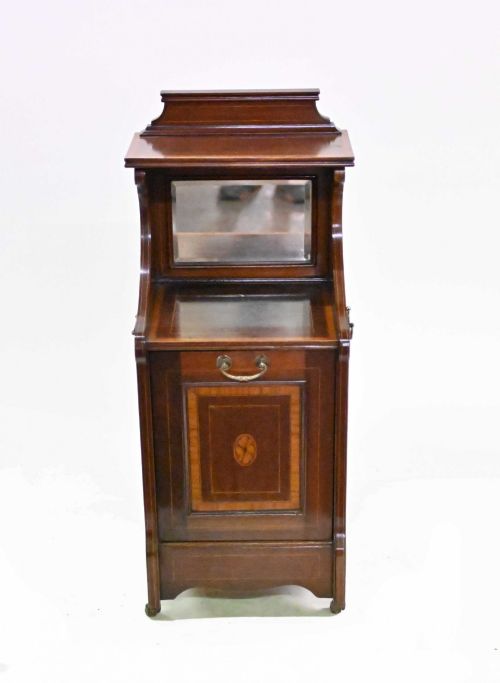
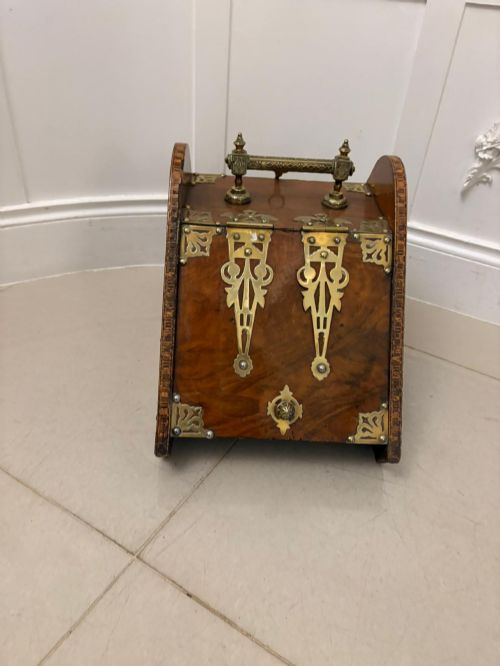
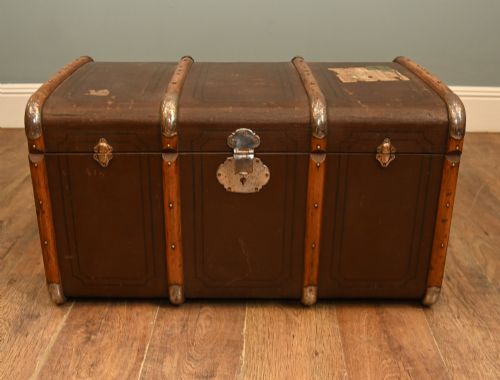
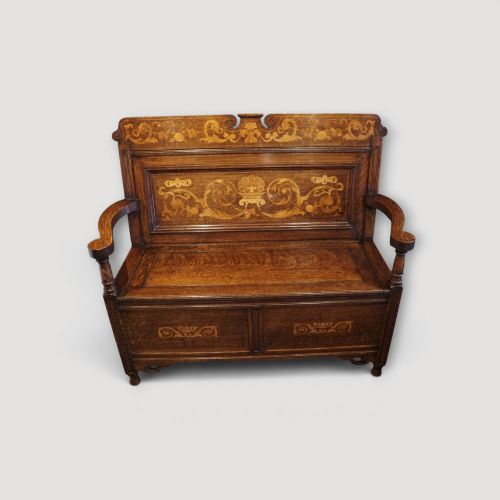
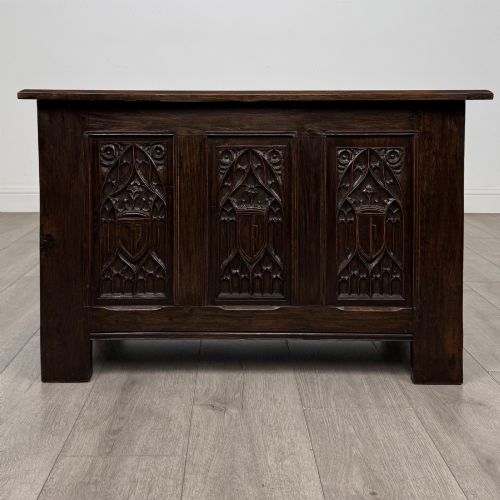
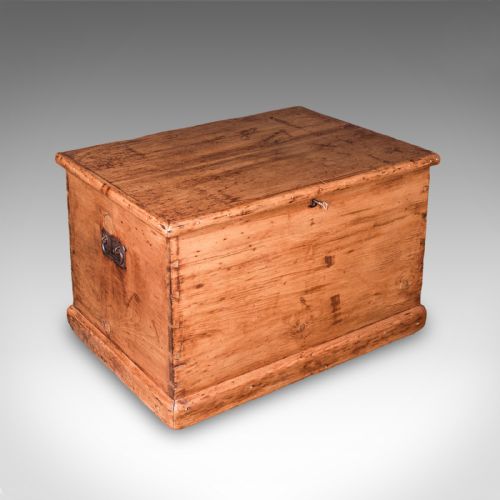
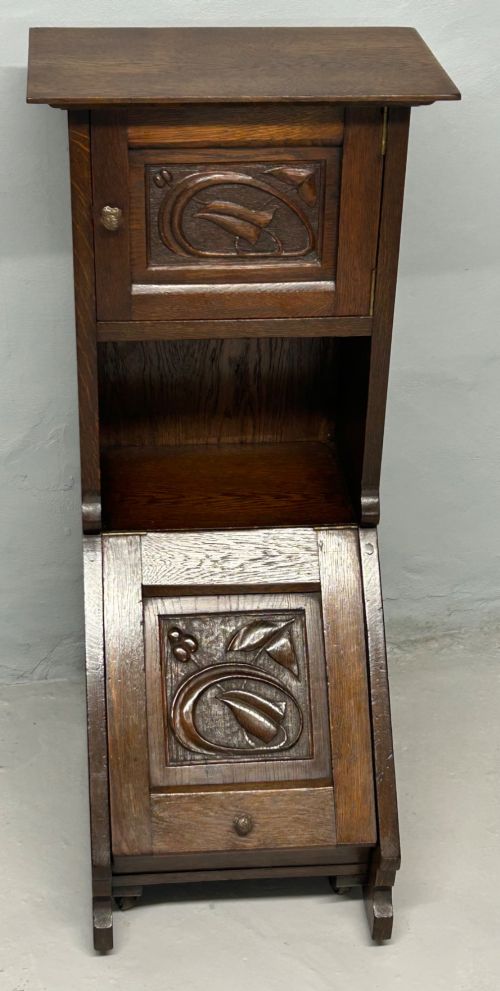
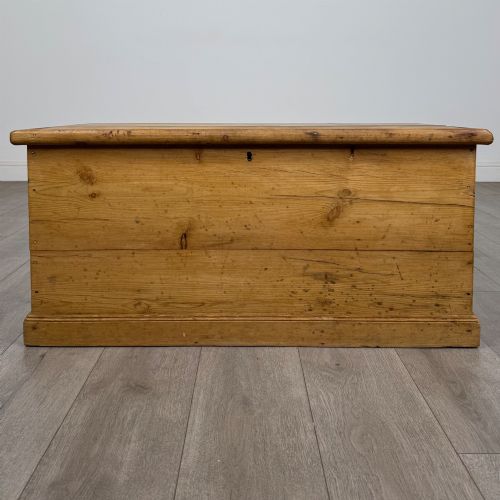
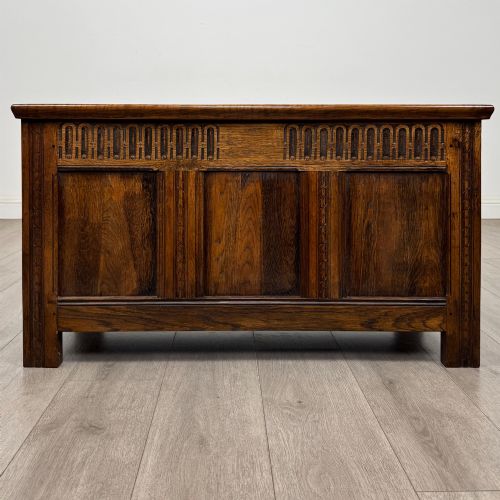
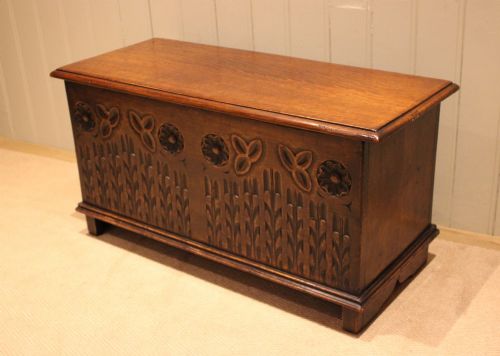
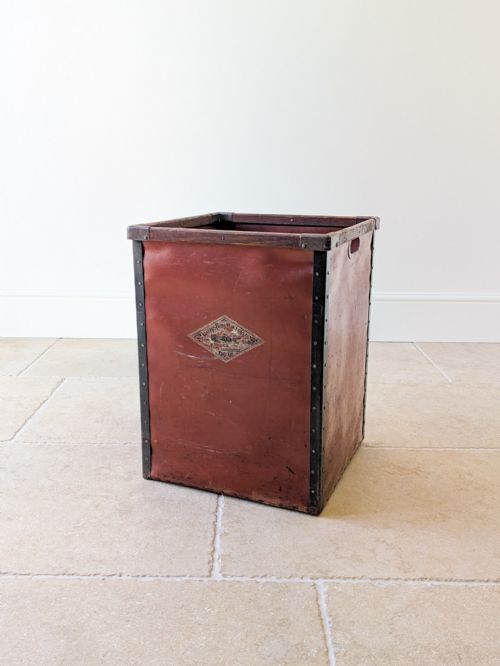
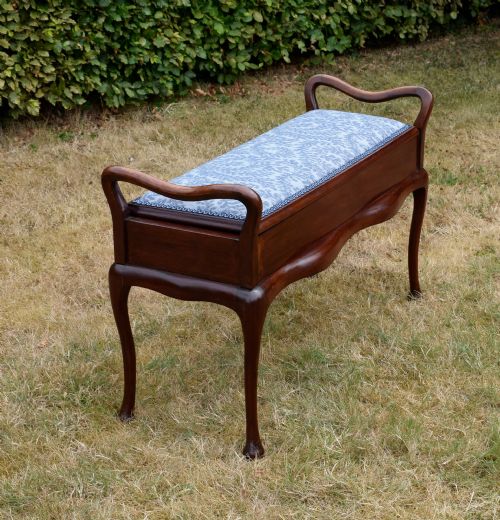
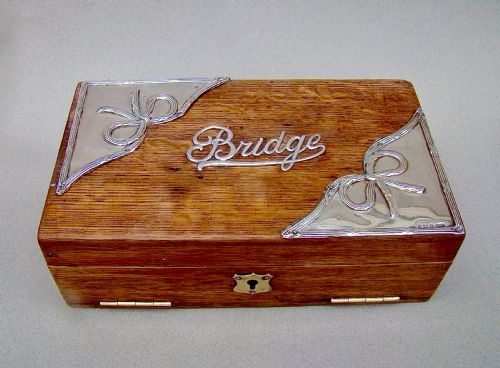
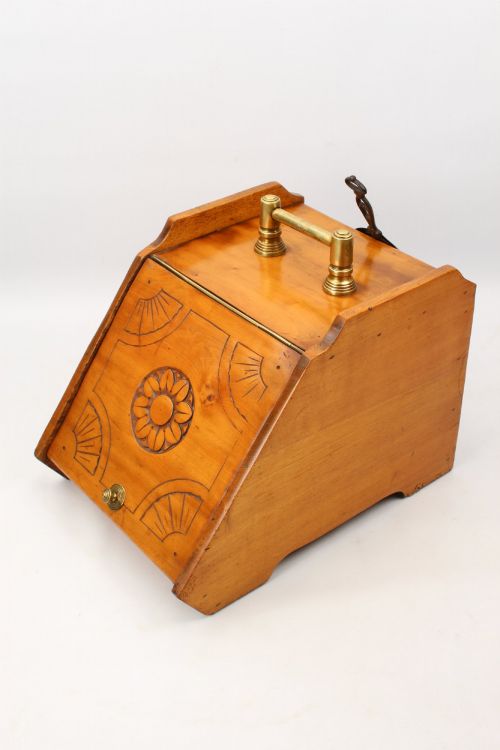
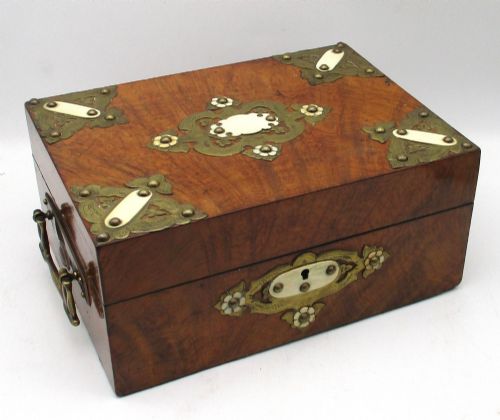
The edwardian wooden storage box appears in various forms on this page, spanning blanket chests, carved oak coffers, coal purdoniums, and musical or smokers cabinets. These pieces originate from the late nineteenth and early twentieth centuries, reflecting the domestic and utility requirements of the period.
Buyers seeking an edwardian wooden storage box most frequently encounter oak and pine examples featuring carved decoration, panelled construction, or integrated brass mounts. Many retain their original functional hardware, such as side handles and internal shovel compartments in coal containers.
Materials and Construction
Makers utilised solid timbers such as oak, mahogany, walnut, and pine, often joined with pegged or dovetailed joints to ensure durability under heavy use. Brass, iron, and steel fittings provide structural reinforcement and functional handles.
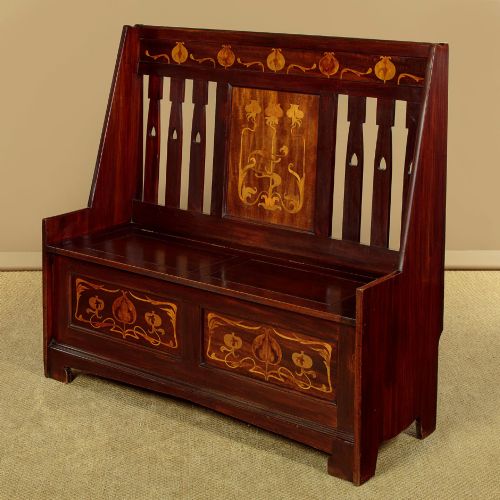
Surface finishes include wax polishing, carved detailing, and occasional inlaid motifs characteristic of the Arts and Crafts and Art Nouveau movements.
Edwardian Wooden Storage Box Retail Price Guide 2026
Typical asking prices for edwardian wooden storage box among the pieces listed under this phrase on Sellingantiques today, from the lower quarter to the upper quarter. They describe what is for sale here now, not the wider market.
Engine parts occasionally found secondary utility as heavy workshop toolboxes when peace arrived after wartime service.
Standards of Execution
Quality separates through the selection of timber and the precision of the joinery, with superior examples displaying finely figured grain and hand-carved panels rather than machine stamping. The retention of original hardware, working locks, and interior fittings elevates a piece.
Proportion and decorative restraint distinguish better workshops, where moulding profiles and brass mounts integrate cleanly with the primary wooden structure.
James Shoolbred and Co·Levi and Salaman
The Edwardian Wooden Storage Box Glossary
- Purdonium
- A specialised domestic box designed to hold coal for a fireplace, typically featuring a sloping front and a metal-lined interior with a matching shovel. These items often incorporate brass handles and wooden drop-down doors.
- Coffer
- A heavy wooden chest traditionally used for storing valuables or household goods, constructed with thick panels and sturdy framing. They frequently display carved fronts or linenfold panels.
- Settle
- A wooden bench with a high back and enclosed storage beneath the seat, combining seating with a practical box compartment. Examples from the Arts and Crafts period often feature high panelled backs and armrests.
- Campaign chest
- A portable storage box or chest made in sections with recessed brass handles, designed for easy transport by military officers. They utilise sturdy corner brackets to withstand travel.
Edwardian Wooden Storage Box: Frequently Asked Questions
What is a purdonium?
A purdonium is a dedicated Edwardian coal box designed to sit neatly by a fireplace. It typically houses a metal container and a small shovel inside an enclosed wooden cabinet.
These items allowed households to store fuel cleanly in domestic living spaces. Many versions feature decorative brass handles and carved panels matching other room furniture.
How do I identify Edwardian boxes?
Edwardian boxes generally date from the early twentieth century and often show influences from the Arts and Crafts or Art Nouveau movements. They utilise solid oak or pine with functional iron or brass hardware.
Construction methods include crisp machine and hand joinery, contrasting with the heavier, darker aesthetic of the preceding Victorian era. Carved foliage and geometric panels frequently appear on the exterior surfaces.
How were these boxes used?
These wooden containers served multiple practical functions across the home, from holding household blankets to storing card games, sheet music, or tobacco. They kept everyday items out of sight while providing sturdy surfaces.
Larger chests held linens or travel goods, whereas smaller specialty boxes sat on tabletops or desks. Their robust construction suited frequent daily handling.
Are the interiors original?
Many storage boxes retain their original linings, such as metal in coal scuttles or fabric and wood partitions in game and music cabinets. Inspecting the interior wood helps determine if trays or dividers remain intact.
Original hinges, locks, and drop handles are common indicators of an unaltered piece. Minor wear inside usually reflects the functional history of the object.