
Edwardian Wooden Server
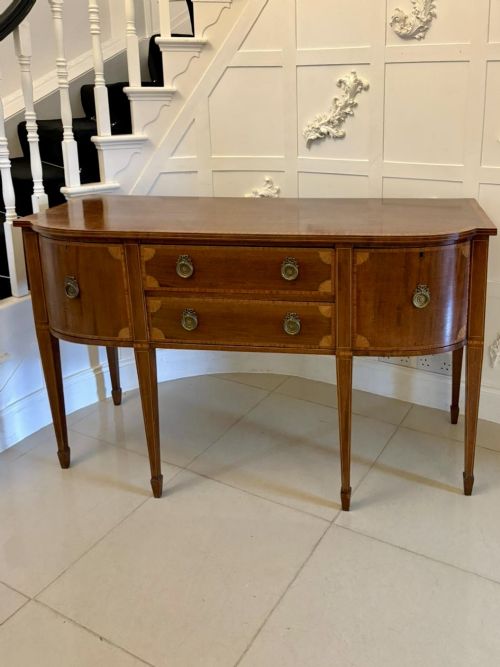
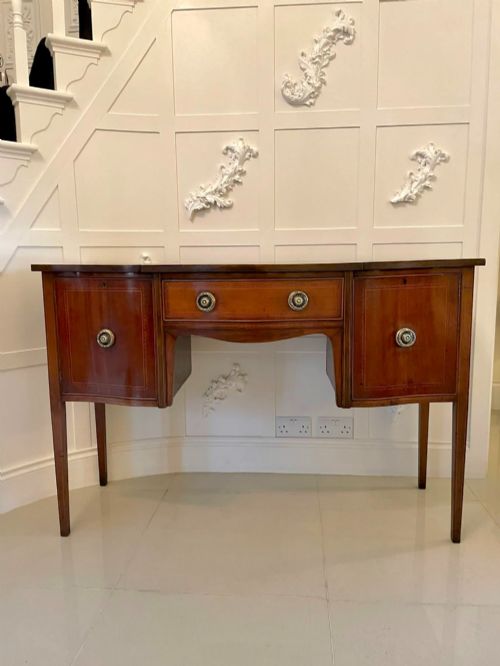
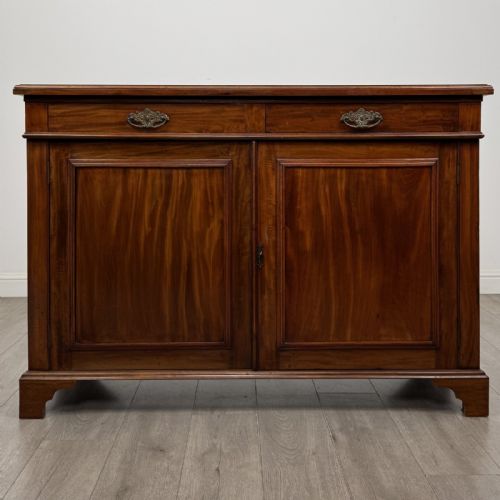
An edwardian wooden server is a practical serving piece designed for dining rooms, offering surface space and storage through drawers or cupboards.
Edwardian Wooden Server
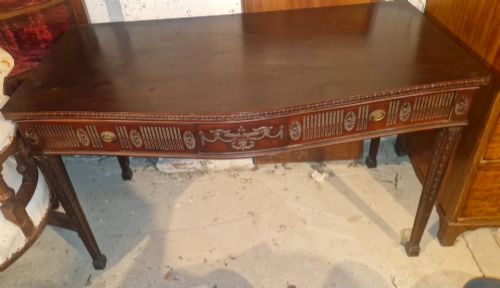
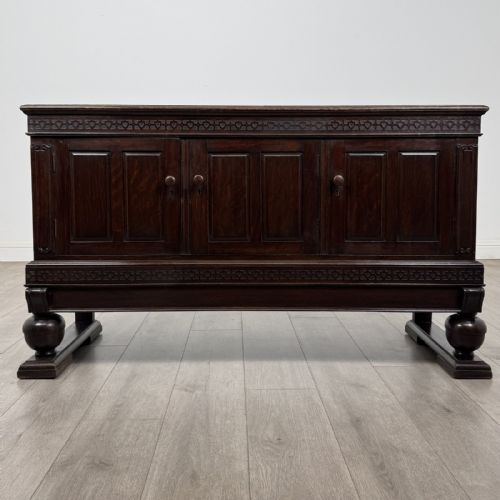
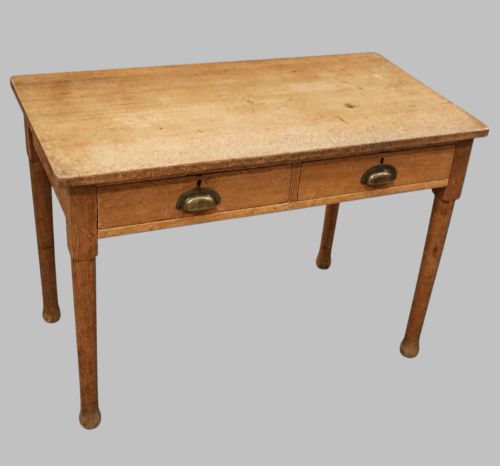
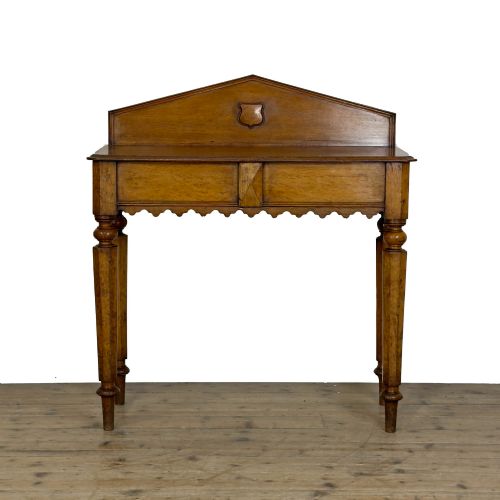
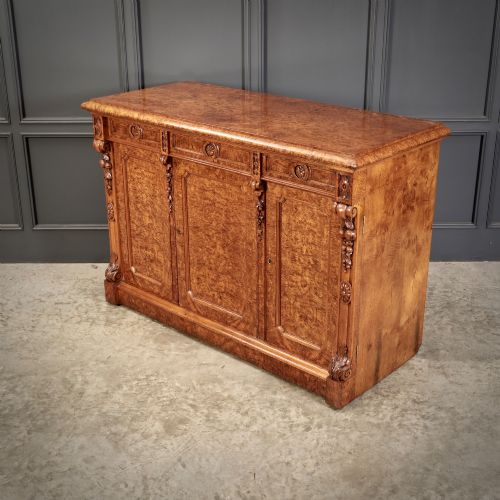
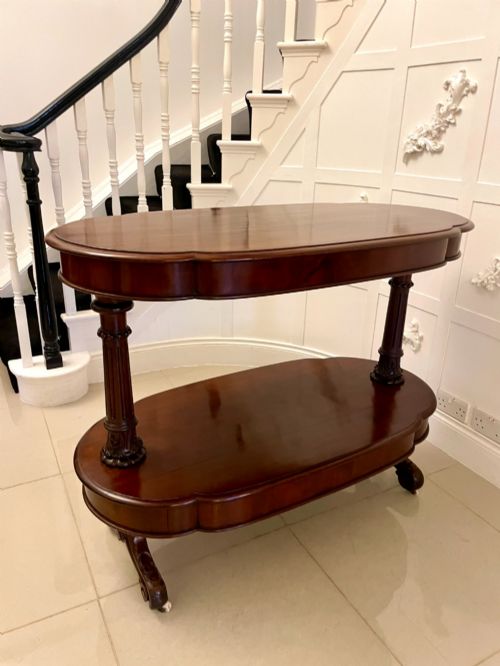
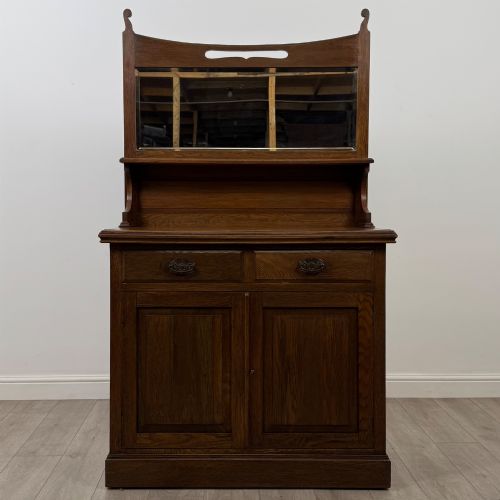
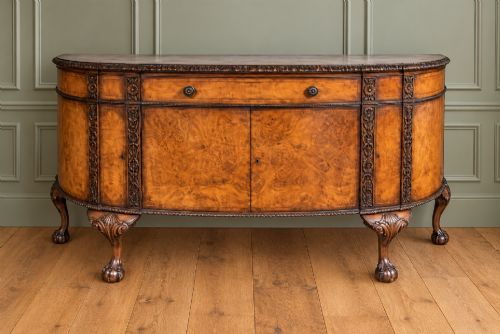
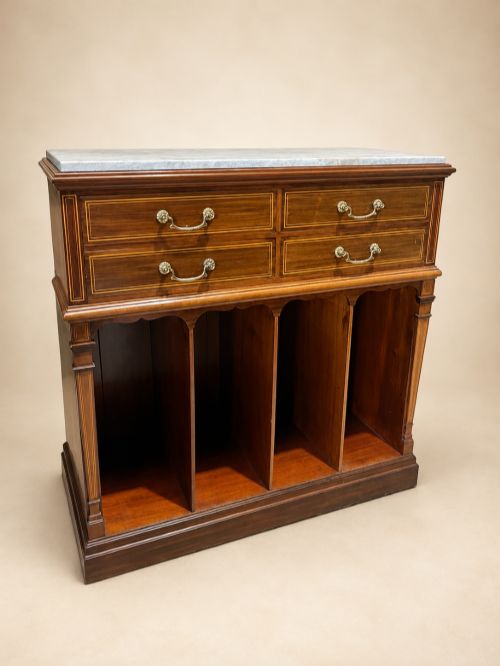
An edwardian wooden server encompasses various serving furniture such as sideboards, console tables, buffets, and dressers originating primarily from the Edwardian era, alongside related nineteenth century and early twentieth century pieces. These items serve dining rooms and halls by providing surfaces for food placement and storage for dining accessories.
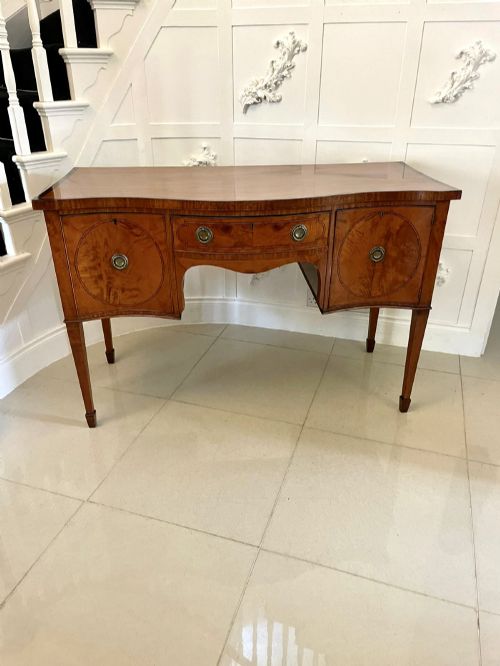
The material selection ranges from traditional oak and solid mahogany to figured veneers like burr walnut and satinwood. Many examples incorporate design revivals, drawing on Sheraton, Georgian, or Arts and Crafts styles to shape the overall silhouette.
Materials and Construction
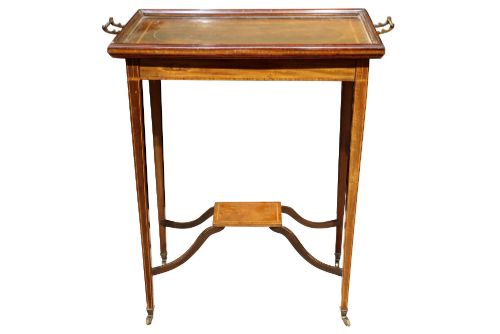
Makers utilised solid timbers alongside veneered surfaces, applying wood inlay and marquetry to mahogany, satinwood, and walnut carcasses. Structural support often relied on brass handles, mirror backs, and detailed foot designs including claw and ball or bracket feet.
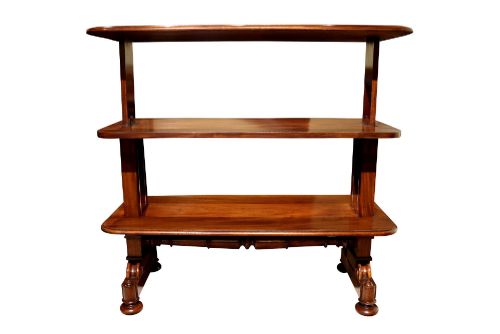
Surfaces frequently display crossbanding, shell inlay, and carved decoration. Internal configurations include drawers, glazed cupboards, and tiered shelving constructed to accommodate dining ware.
Listings feature woods including mahogany, oak, walnut, satinwood, and pine, alongside brass fittings and glass.
Gradations in Standard
Superior execution shows in the selection of figured timbers like burr walnut and flame mahogany, matched with precise wood inlay and crossbanding. The integration of maker stamps and fine brass hardware elevates an item above standard utility pieces.
Construction depth separates basic regional work from ambitious workshop output. Elaborate serpentine fronts, bow-fronts, and carved galleries require advanced joinery compared to plain flat-fronted carcasses.
Edward Barnsley·Whytock and Reid·M. D. Miller and Sons
The Edwardian Wooden Server Glossary
- Server
- A piece of dining furniture designed for holding food and tableware during meals. It resembles a sideboard or buffet but typically lacks extensive upper cabinetry.
- Crossbanding
- A strip of veneer applied across the grain of the primary wood to form a decorative border. This technique frames table tops and drawer fronts on formal cabinets.
- Marquetry
- The art of applying decorative pieces of veneer to a structure to form pictorial or geometric designs. It uses various coloured woods to create contrast.
- Bow-front
- A convex, curved cabinet front that projects outward. This shape appears on many Edwardian and Georgian serving pieces.
- Serpentine
- A furniture front characterised by a double curve, concave in the centre and convex at the ends. It demands precise carpentry to execute properly in solid wood or veneer.
Edwardian Wooden Server: Frequently Asked Questions
What is an edwardian wooden server used for?
These pieces function primarily in dining rooms to hold serving dishes, cutlery, and glassware during meals. They provide a sturdy surface top for food placement alongside enclosed storage beneath.
Beyond dining spaces, smaller console and hall variants find placement in entranceways for general storage and display purposes.
Are these servers suitable for modern dining rooms?
Their compact proportions and functional drawer and cupboard space make them practical for contemporary homes. They integrate easily into modern interiors while providing historical character and useful surface area.
Storage layouts accommodate modern dining accessories just as effectively as period tableware.
What wood types are common?
Mahogany forms the majority of surviving examples, often enhanced with flame grain patterns or satinwood inlay. Oak appears frequently in Arts and Crafts and dresser base formats.
Walnut and burr walnut selections offer highly figured alternatives across sideboard and console formats.