
Edwardian Hallway Console Table
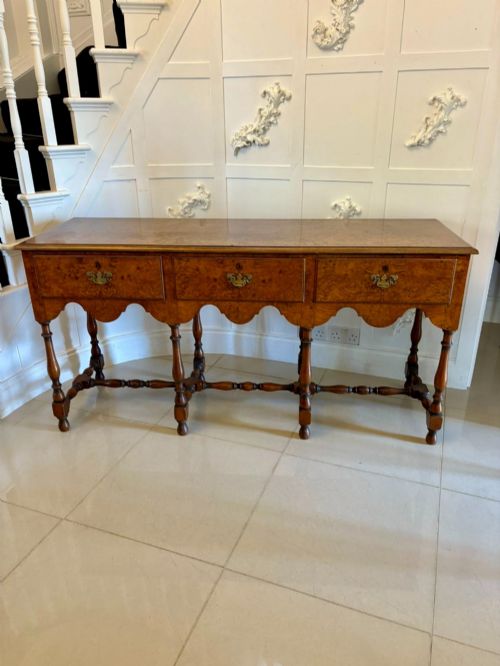
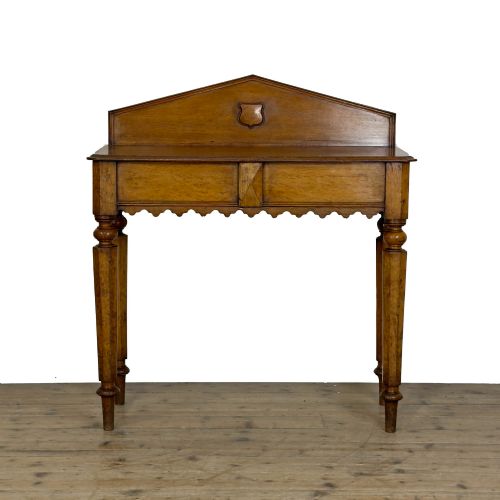
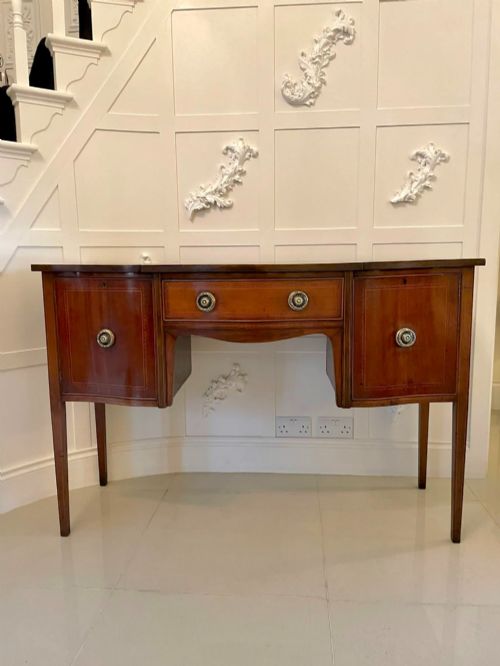
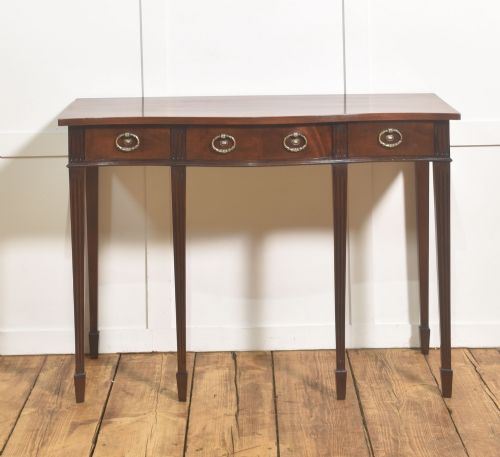
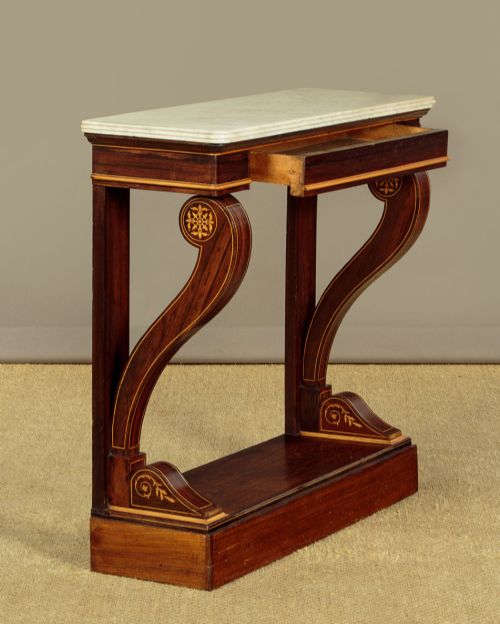
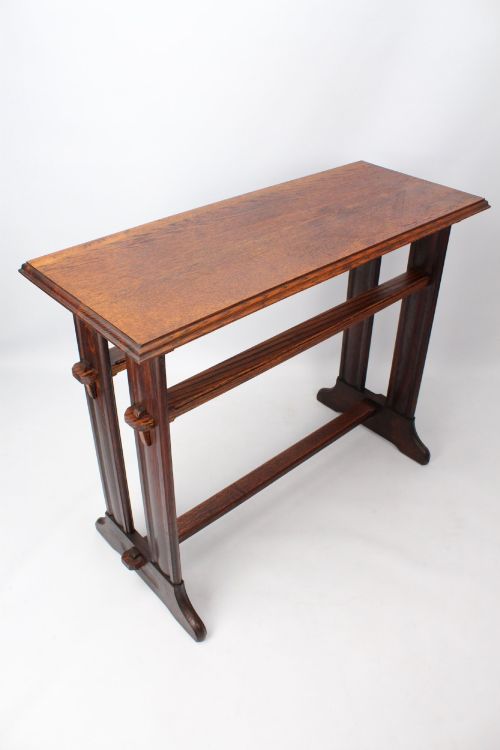
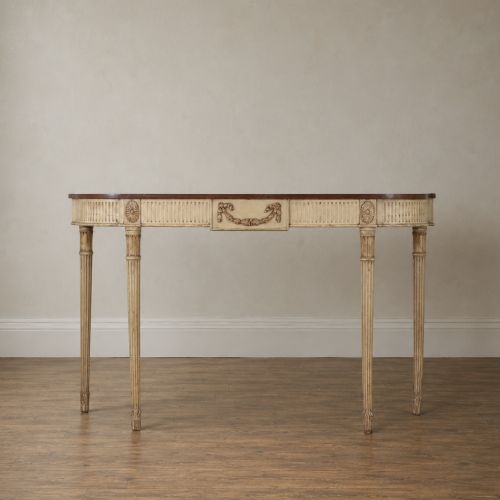
An edwardian hallway console table provides a narrow surface for a narrow space, merging domestic utility with period cabinet work.
Edwardian Hallway Console Table
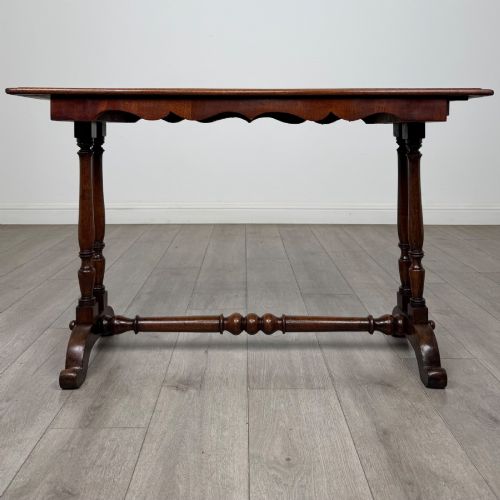
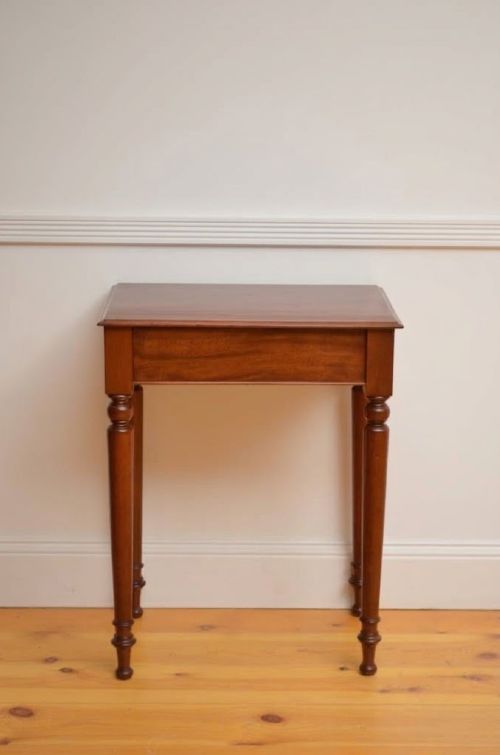
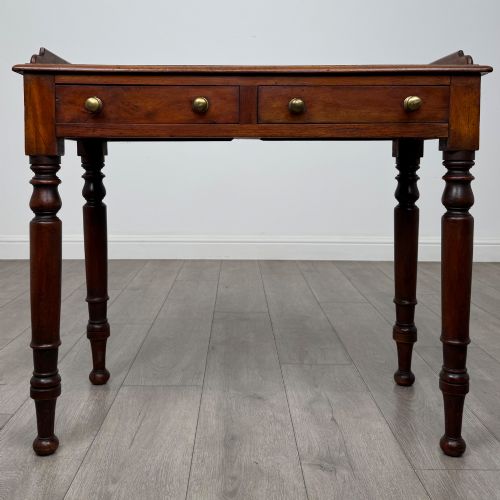
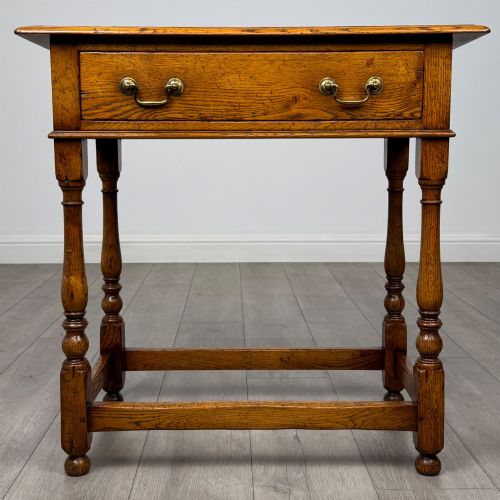
An edwardian hallway console table groups together narrow surfaces designed for passages and reception spaces, appearing alongside side tables, sideboards, and writing desks from the Victorian and Edwardian periods.
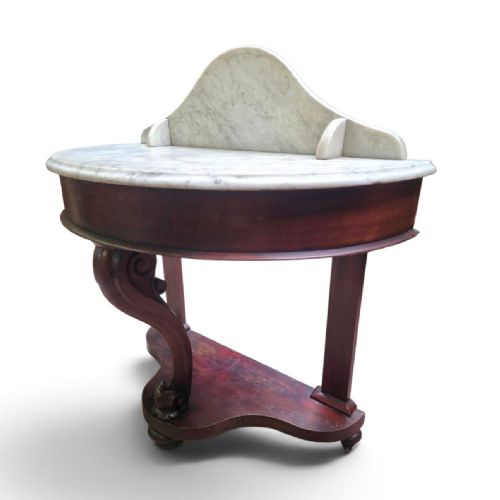
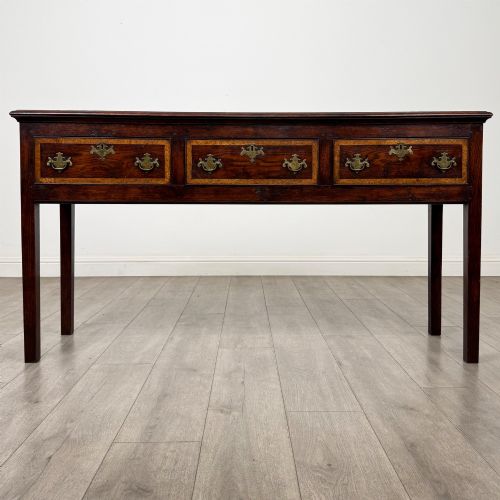
The selection ranges from simple oak hall tables and mahogany bow front forms to inlaid satinwood pieces and marble top consoles, reflecting the varied tastes of the nineteenth and early twentieth centuries.
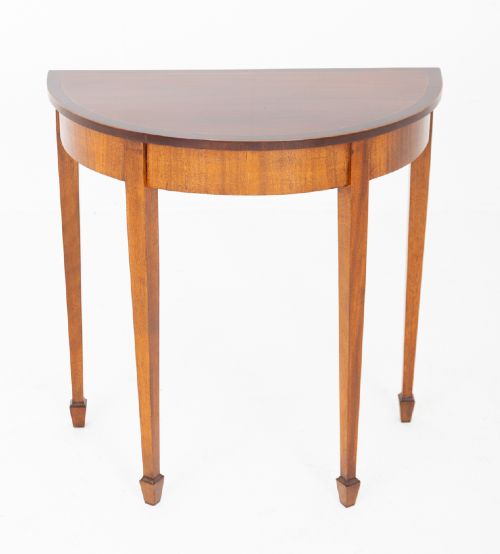
Makers and workshops of the era adapted earlier Georgian, Sheraton, and Gothic revivals to fit compact hallways, producing demi-lune shapes, serpentine fronts, and narrow proportions suited to restricted floor plans.
Distinctions in Execution
Quality rests in the selection of timber, visible in the depth of figured mahogany or the grain alignment on walnut surfaces.
Fine examples display crisp carving on oak and giltwood details, tight joinery in drawers, and balanced proportions across narrow console depths.
Listings feature pieces spanning the Victorian and Edwardian eras, constructed from mahogany, oak, walnut, marble, and brass.
Druce and Co
The Edwardian Hallway Console Table Glossary
- Console table
- A table designed to stand against a wall, frequently fixed or supported by brackets, offering a shallow surface for entryways.
- Serpentine
- A furniture front curving inward centrally and outward at the ends, creating a gentle undulating line.
- Demi-lune
- A half-moon or semicircular shape common in console and side tables designed for tight hallway placement.
- Inlay
- A technique where contrasting woods or materials are set into the surface to create decorative patterns.
- Cabriole leg
- A furniture leg that curves outward and then tapers inward, finishing in a pad or foot.
Edwardian Hallway Console Table: Frequently Asked Questions
Where should an edwardian hallway console table be placed?
These narrow tables suit entrance halls, narrow corridors, and tight reception spaces where floor area is limited.
Their shallow depth allows them to sit flat against a wall without obstructing passage.
How do I identify an Edwardian piece?
Edwardian pieces often display lighter timbers, subtle wood inlay, and restrained classical revivals compared to heavier Victorian designs.
Construction details and secondary woods help confirm the manufacturing era.
Can these tables be used for writing?
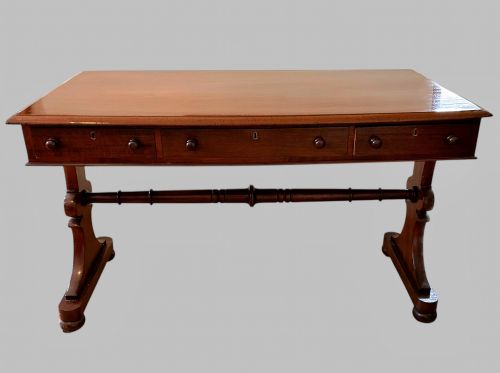
Some variants include drawers or writing surfaces, originating as side tables or writing desks adapted for narrow rooms.
Check the height and knee clearance if intended for regular desk work.
What materials are typical for these tables?
Mahogany, oak, and walnut dominate the selection, frequently paired with brass hardware and occasionally marble tops.
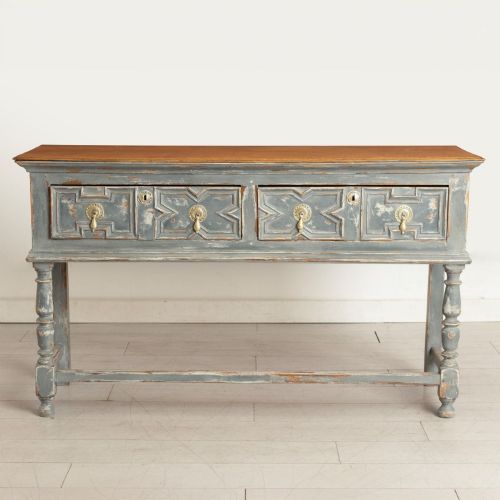
Inlaid satinwood and painted finishes appear on specific revival styles.