
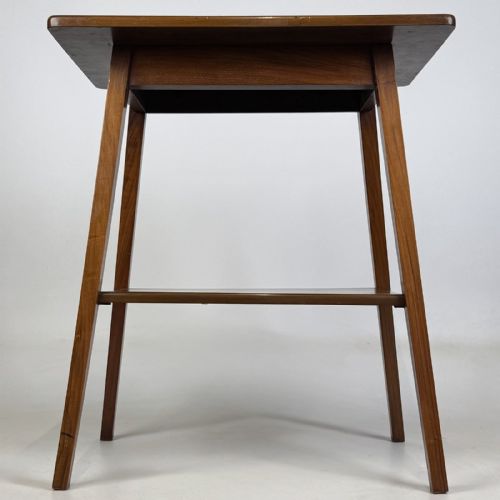
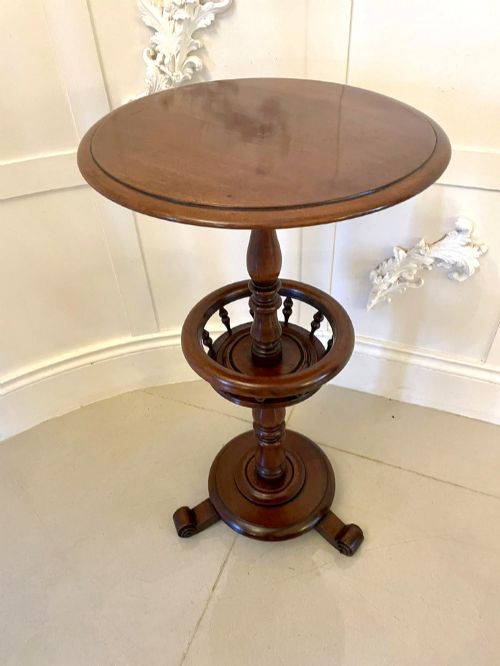
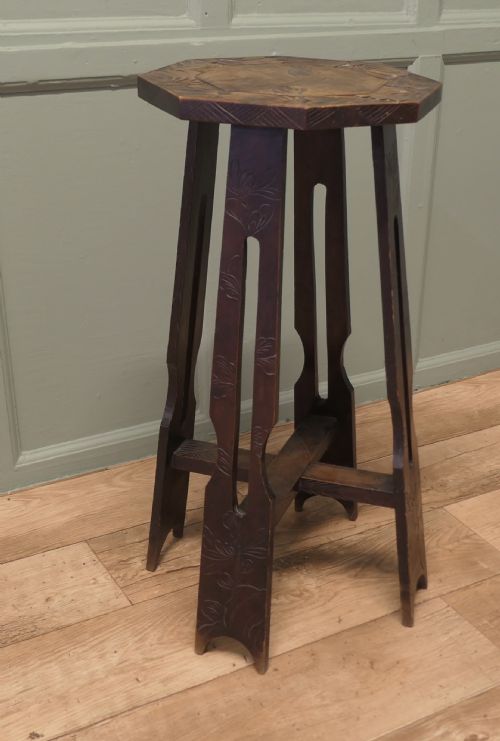
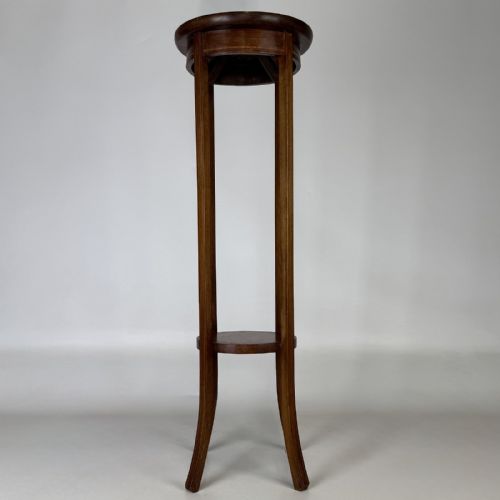
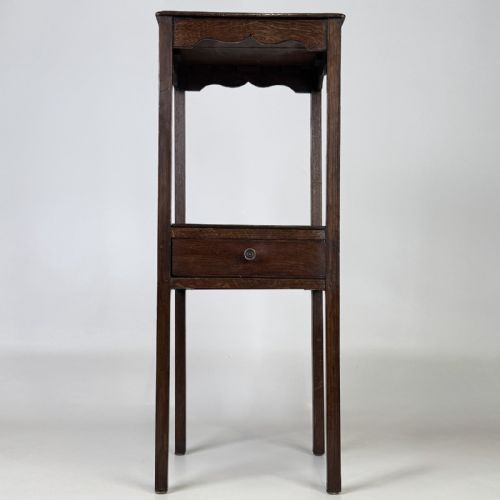
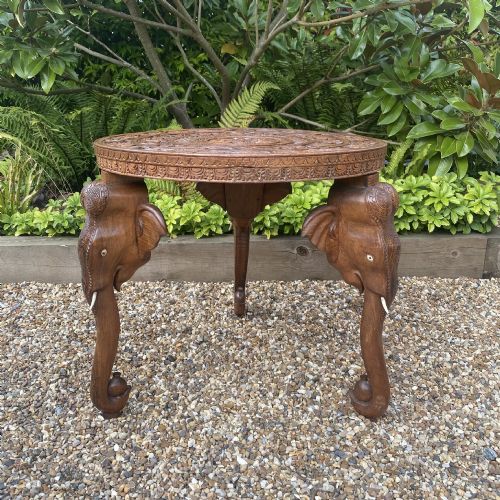
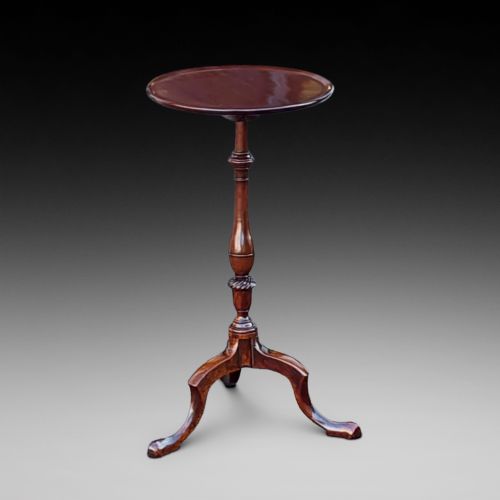
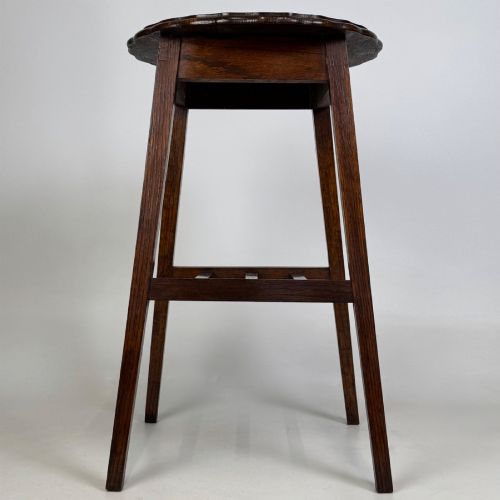

Edwardian Wooden Plant Stand
These edwardian wooden plant stand pieces elevate domestic greenery and display surfaces, bringing timber craftsmanship and period utility into a room.
Edwardian Wooden Plant Stand
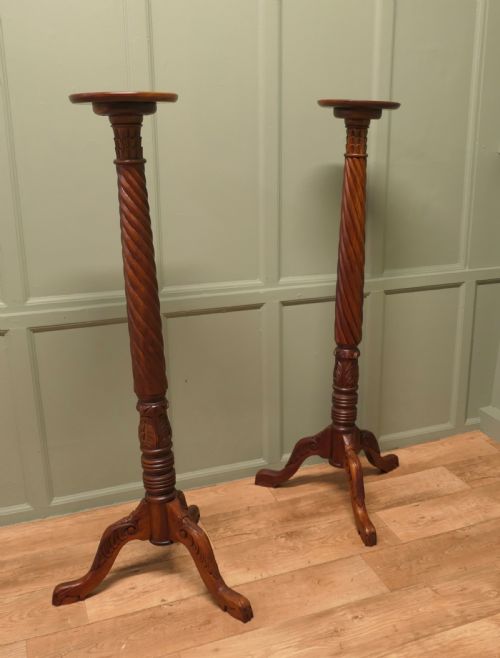
An edwardian wooden plant stand serves to elevate jardiniere pots, lamps, or decorative objects within a room. Buyers searching this phrase encounter elevated plant holders, torcheres, pedestals, and occasional tables designed for domestic display.
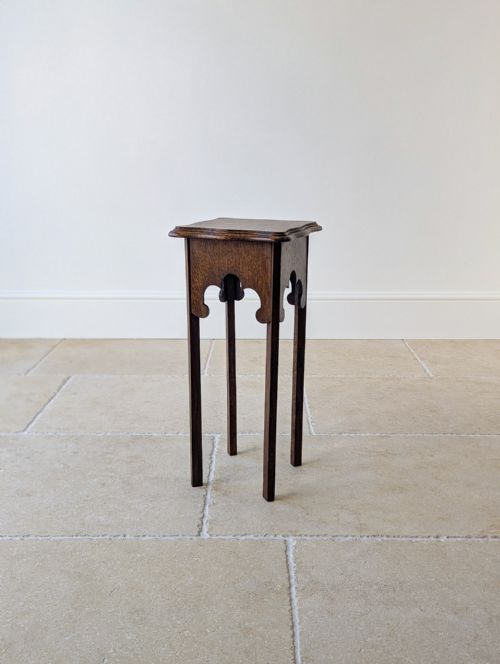
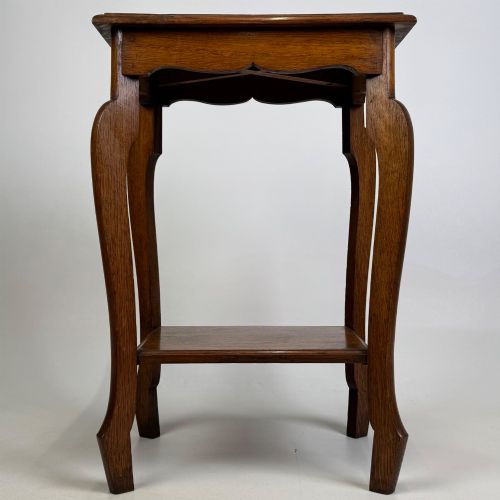
The pieces on this page stem primarily from the Edwardian period, alongside examples spanning from the nineteenth century to nineteen twenty. Forms range from tall, slender plant holders to multi-tiered occasional tables and octagonal side tables.
Makers and designers from the era utilised specific timber varieties to create functional furniture that suited domestic interiors. These objects merge utilitarian display needs with the cabinet-making styles of their respective decades.
Materials and Construction
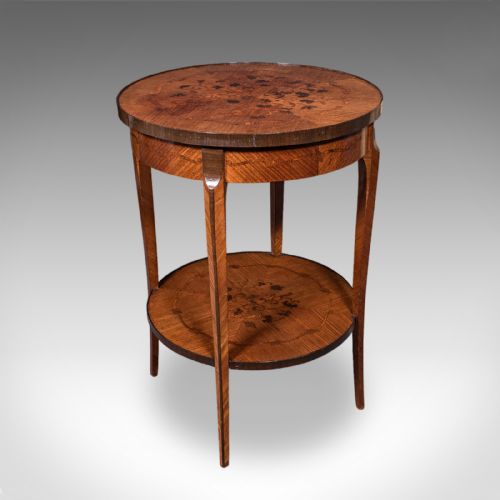
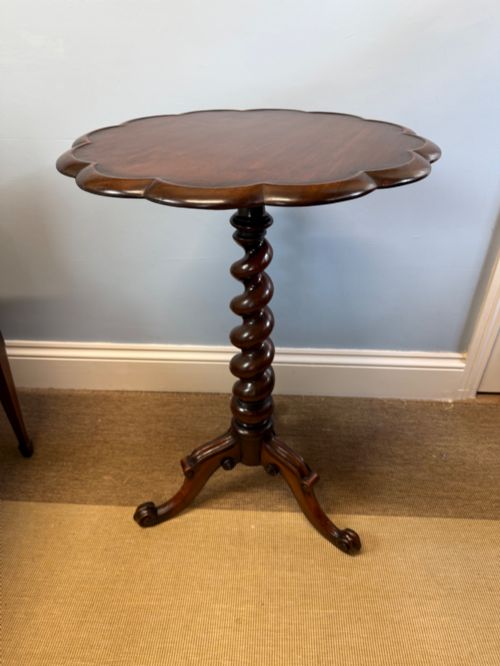
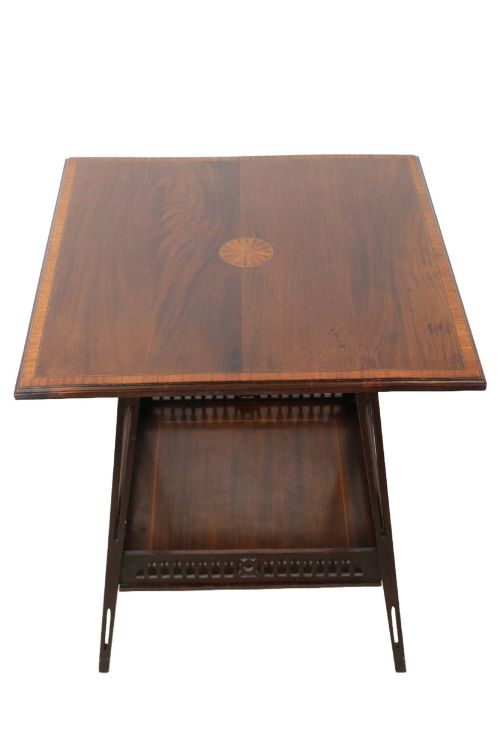
Cabinet makers constructed these pieces using solid timbers such as mahogany, oak, and walnut, frequently incorporating satinwood and wood inlay for surface decoration. Turned plinths, barley twist supports, and carved details demonstrate standard joinery and turning techniques of the period.
Surfaces exhibit varying treatments, from polished mahogany and oak to original paint and delicate chequered inlay work. Brass accents appear alongside timber elements on specific forms, while structural integrity relies on traditional joint construction.
Several pieces double happily as coffee tables or bust stands, proving that Edwardian ferns had very social lives.
Assessing Quality and Craftsmanship
Quality in these pieces rests upon the selection of timber, the crispness of turned or carved details, and the precision of any inlay work. Superior examples demonstrate balanced proportions, sturdy plinths or legs, and well-preserved surface finishes.
Makers of note and documented firms contribute to the distinction of individual items through refined joinery and distinctive stylistic touches such as Arts and Crafts influences or French styling. Pieces retaining original paint or untouched patination command greater interest from collectors.
Trevor Page & Co·Liberty & Co·William Birch·Baillie Scott·Druce & Co London
The Edwardian Wooden Plant Stand Glossary
- Torchere
- A tall, slender stand designed to support a lamp, plant, or decorative urn. These pieces typically feature a small top platform supported by a turned column or multiple legs.
- Jardiniere
- An ornamental pot or stand for holding plants or flowers. In furniture terms, it refers to the elevated receptacle or the dedicated stand built to display the plant.
- Inlay
- A decorative technique where pieces of contrasting timber, such as satinwood or specialised specimen woods, are inserted into recessed areas of a primary wood surface.
- Barley Twist
- A spiral turning technique applied to wooden table legs and support columns. This decorative form appears frequently on oak furniture from the late nineteenth and early twentieth centuries.
- Occasional Table
- A small, versatile table intended for light domestic use such as holding a lamp or book. Forms include octagonal, oval, and two-tier configurations.
Edwardian Wooden Plant Stand: Frequently Asked Questions
What is an edwardian wooden plant stand used for?
These stands serve primarily to elevate potted plants, jardiniere bowls, or table lamps above floor level. They bring height and botanical decoration into living spaces and hallways.
Beyond plants, many forms function as occasional tables for displaying decorative objects, small sculptures, or lighting fixtures. Their compact footprints suit corners and smaller rooms.
How do I identify an Edwardian period piece?
Edwardian furniture typically dates from nineteen hundred to nineteen ten, exhibiting lighter proportions than heavy Victorian pieces. Common indicators include mahogany or oak construction, subtle inlay work, and restrained decorative carving.
Makers of this era drew inspiration from Georgian styles and Arts and Crafts principles. Look for tapered legs, satinwood stringing, and balanced, functional designs.
Are Arts and Crafts plant stands different?
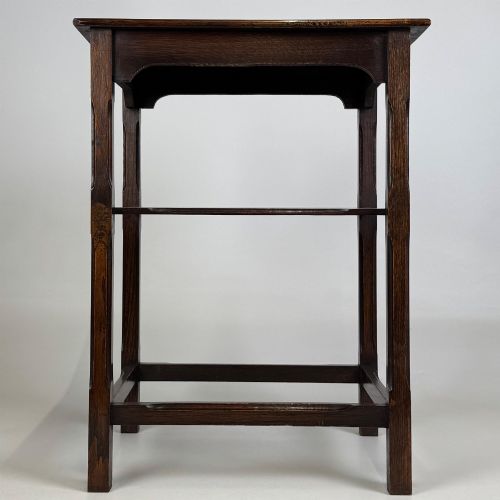
Arts and Crafts pieces emphasise honest construction, solid oak materials, and visible joinery rather than applied surface decoration. They often feature geometric shapes such as octagonal tops and sturdy, straightforward supports.
These designs reflect a movement away from mass-produced factory ornamentation towards handcrafted simplicity. They frequently pair utility with robust timber framing.
Where should I place a torchere stand?
Torchere stands suit empty corners, entrance halls, or spaces beside seating where height adds visual interest. Their slender profiles allow them to fit into narrow gaps.
Ensure the stand rests on a level surface, as tall, narrow furniture can be susceptible to tipping if placed in high-traffic walking paths.
How should I care for wooden plant stands?
Maintain timber surfaces by dusting regularly with a soft, dry cloth and occasionally applying appropriate furniture wax. Avoid placing wet pots directly onto wooden tops to prevent water rings.
Keep wooden furniture away from direct heat sources and strong sunlight to protect the polish and prevent timber movement or drying.