
Edwardian Wooden Nightstand
An edwardian wooden nightstand is a compact bedside piece offering useful storage, prized for its timber grain and period charm.
Edwardian Wooden Nightstand
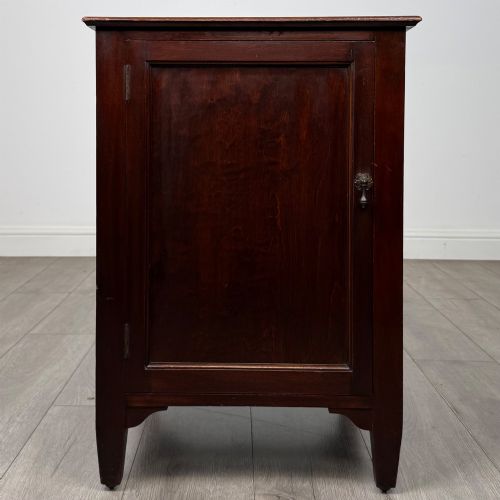
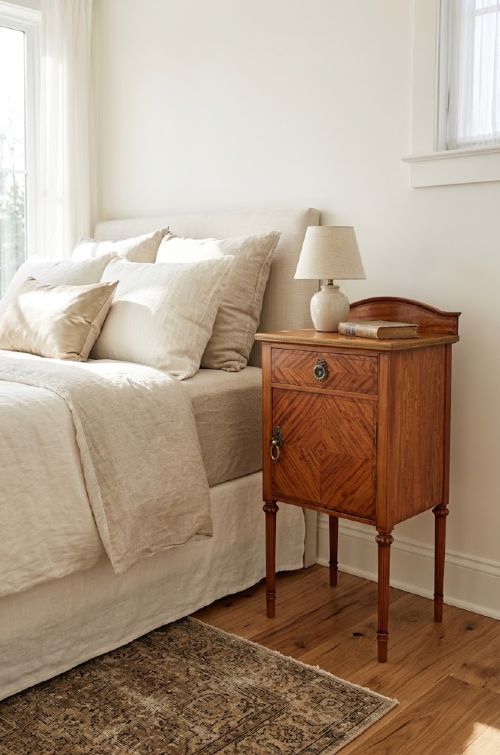
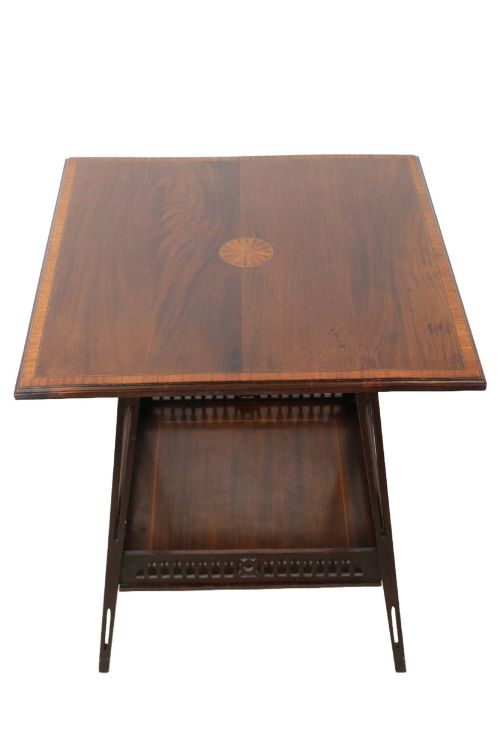
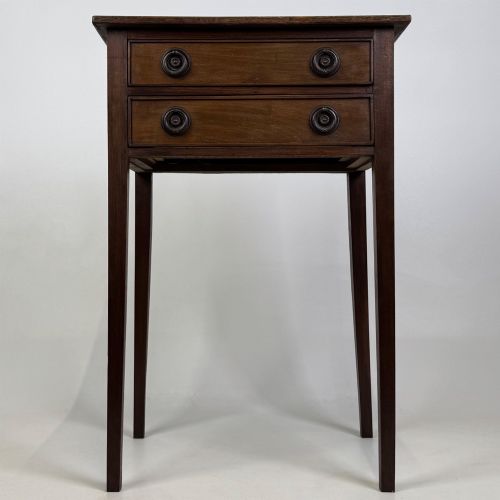
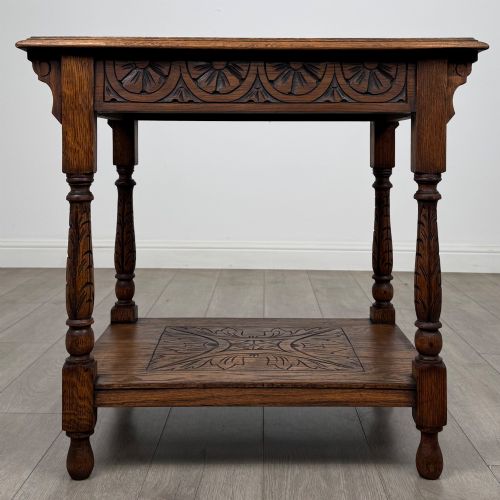
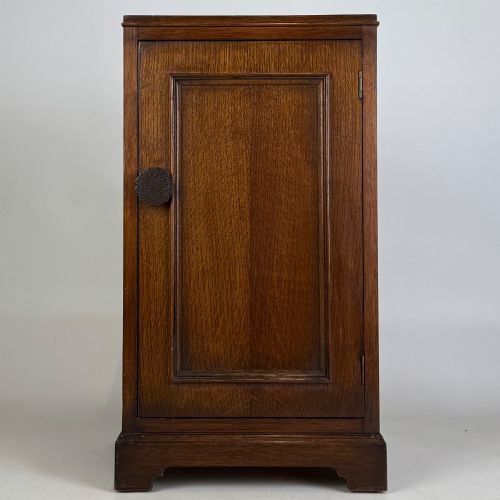
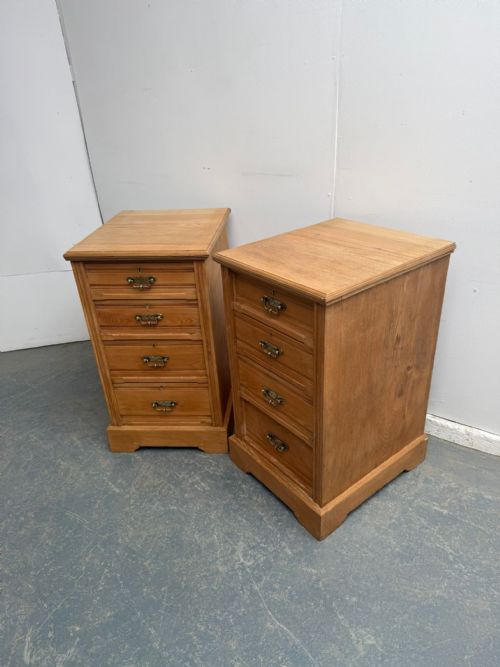
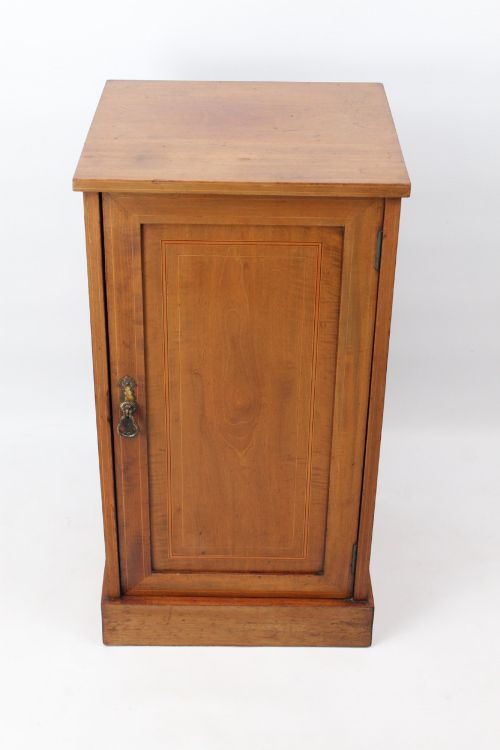
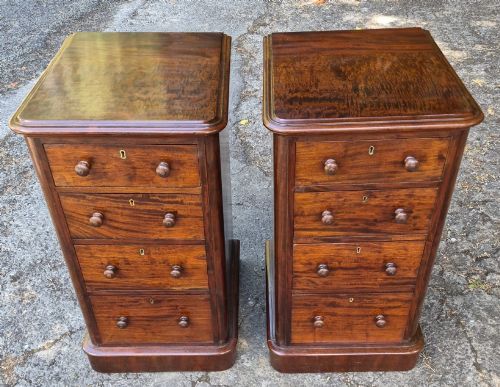
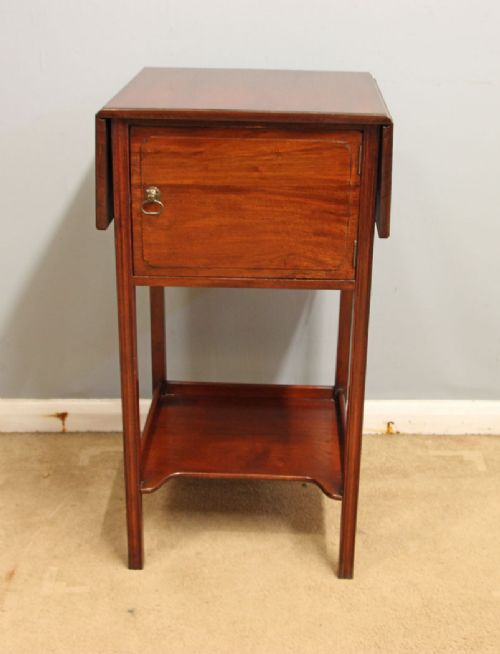
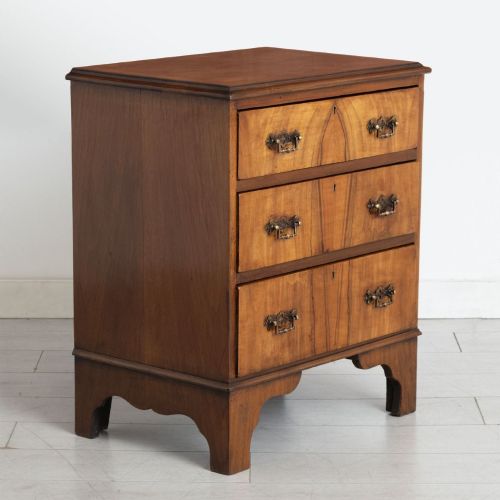
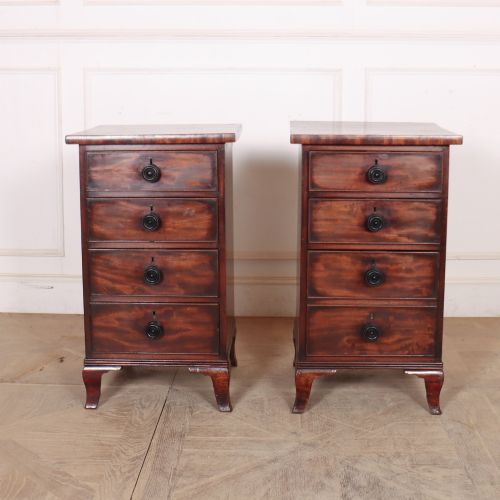
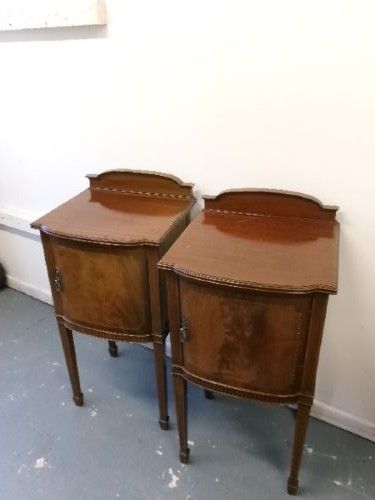
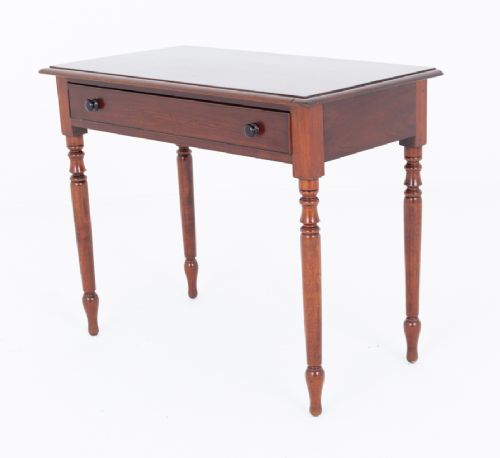
When searching for an edwardian wooden nightstand, buyers encounter a variety of forms designed to sit beside a bed. The selection includes bedside cabinets, small chests of drawers, and open side tables dating principally from the Edwardian period and the early twentieth century.
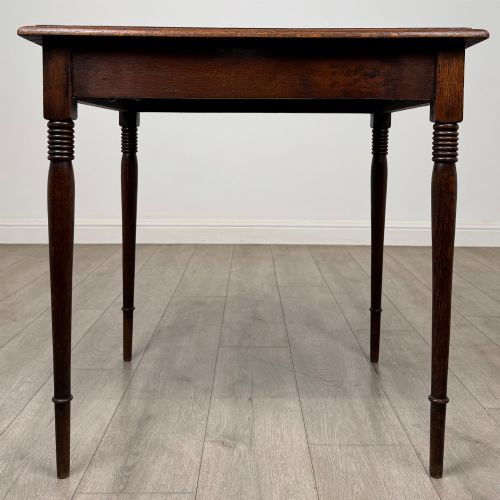
The pieces appearing most frequently take the form of enclosed cupboards or compact tables in mahogany and oak. Many examples reflect stylistic revivals, incorporating Sheraton details or simpler Arts and Crafts construction alongside traditional Edwardian designs.
Originating largely from English workshops, these items served practical bedroom functions for holding lamps, books, and night-time essentials. Their modest proportions make them adaptable for placement in modern domestic interiors.
Construction and materials
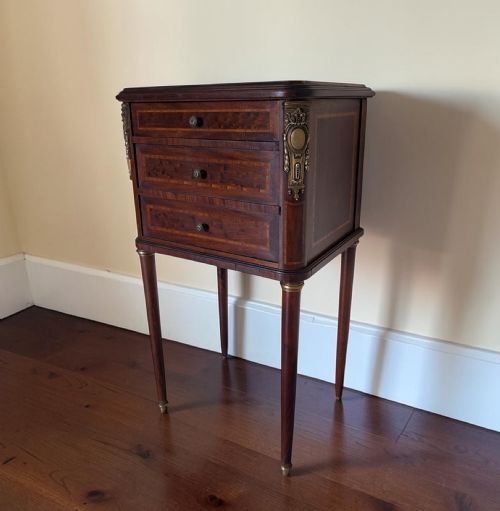
Makers relied primarily on solid hardwoods such as mahogany and oak, often enhancing surfaces with flame mahogany veneer or contrasting satinwood inlay. Ash and walnut also appear, particularly in pieces associated with the Arts and Crafts movement.
Joinery techniques prioritised durability, utilising panelled doors, dovetailed drawers, and turned or tapered legs. Metal hardware such as brass handles and hinges provided functional and decorative accents to the timber structures.
Listings feature timbers including mahogany, oak, satinwood, walnut, ash, and yew wood across Edwardian and Victorian periods.
Assessing quality and craftsmanship
The distinction between standard utility items and finer examples rests on the selection of timber and the precision of the cabinetmaking. Matched veneers, delicate string inlay, and well-executed carving elevate certain pieces above plain utilitarian storage.
Structural integrity and the preservation of original surfaces dictate the desirability of a piece. Retaining original brass fittings and maintaining the depth of the polished wood finish indicate superior care and manufacturing provenance.
Trevor Page & Co
The Edwardian Wooden Nightstand Glossary
- Nightstand
- A small bedside table or cabinet designed to hold personal items within arm's reach of the bed.
- Inlay
- A decorative technique where contrasting woods like satinwood are inserted into the primary timber surface to form patterns.
- Flame mahogany veneer
- A thin slice of mahogany displaying a dramatic, flame-like grain figure applied over a secondary wood core.
- Dovetailed drawer
- A box joint method interlocking wedge-shaped fingers, signifying robust and traditional drawer construction.
Edwardian Wooden Nightstand: Frequently Asked Questions
How do I identify an Edwardian nightstand?
Edwardian nightstands typically date from the early twentieth century and often feature lighter timbers, subtle inlay work, or simplified proportions compared to heavier Victorian predecessors.
Look for characteristics like Sheraton revival motifs, tapered legs, and fitted cupboards designed specifically for bedroom use during this era.
Were these pieces used only beside beds?
While primarily built as bedside cabinets or night tables, many forms double as small side tables, lamp tables, or compact chests of drawers.
Their versatile sizing allows them to function equally well in hallways or as occasional living room furniture.
What woods were commonly used?
Mahogany and oak dominate the selection, appearing either as solid timber or embellished with flame mahogany veneer and satinwood inlay.
Ash, walnut, and pine also feature in specific regional or stylistic groups such as Arts and Crafts pieces.
How do I care for polished wood surfaces?
Maintain the polished timber finish by dusting gently with a soft dry cloth and avoiding excessive moisture or direct sunlight.
Applying traditional wax periodically helps preserve the natural sheen and protects the antique wood grain over time.