





Edwardian Wooden Keepsake Box
An edwardian wooden keepsake box offers a charming repository for personal trinkets, combining period craftsmanship with enduring utility.
Edwardian Wooden Keepsake Box
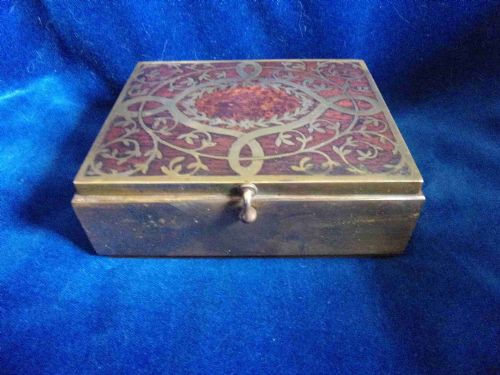
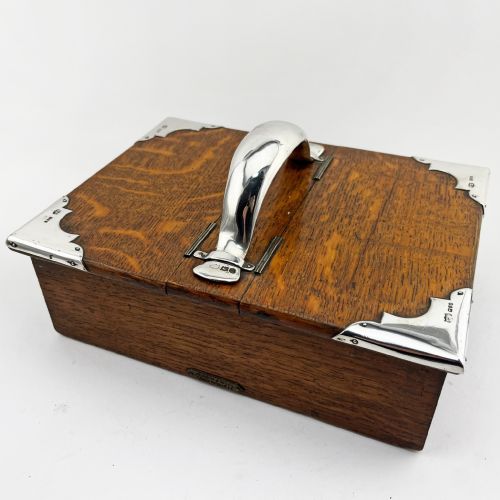
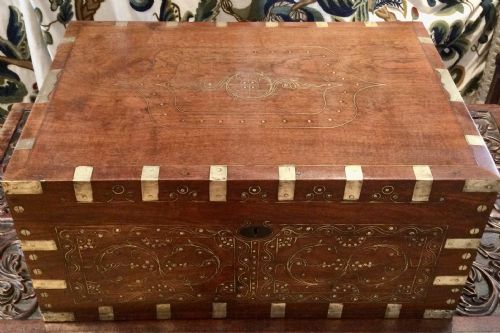
When searching for an edwardian wooden keepsake box, buyers encounter a diverse selection of small wooden receptacles originally designed to hold jewellery, gloves, letters, or personal treasures. The objects appearing on this page span the Victorian, Edwardian, and early twentieth-century periods, capturing the domestic storage habits of past decades.
While the search specifies the Edwardian era, the listings include related pieces from the nineteenth century through the 1920s, demonstrating how box forms evolved across reigns and stylistic movements. These containers range from plain storage boxes and glove boxes to fitted jewellery chests and specialised writing boxes.
The materials and decorative approaches vary considerably, encompassing British hardwoods alongside continental styles and colonial imports. Buyers find everything from utilitarian oak storage boxes to highly ornamented Tunbridge Ware and Art Nouveau examples.
Factors of quality
Quality in these wooden boxes rests upon the selection of timber and the precision of the joinery. Finer examples display carefully matched grain patterns, such as burr walnut or pollard oak, alongside tight, durable corner construction.
Edwardian Wooden Keepsake Box Retail Price Guide 2026
Typical asking prices for edwardian wooden keepsake box among the pieces listed under this phrase on Sellingantiques today, from the lower quarter to the upper quarter. They describe what is for sale here now, not the wider market.
Listings feature oak, walnut, burr walnut, mahogany, and ebony, alongside decorative mediums like velvet and brass.
Erhard and Sohne·Mappin and Webb
The Edwardian Wooden Keepsake Box Glossary
- Burr walnut
- A prized timber harvested from the wart-like growth on a walnut tree, yielding rich, swirling grain patterns. It was frequently used for high-status Victorian and Edwardian decorative boxes.
- Tunbridge Ware
- A form of woodwork originating in Kent, characterised by intricate mosaic patterns assembled from thousands of tiny tinted wood blocks. These geometric or pictorial designs adorned tea caddies and ladies' boxes.
- Oyster cut
- A method of slicing branches diagonally to produce circular or oval veneers with concentric growth rings. This technique creates a distinctive patterned surface on period table boxes.
- Glove box
- A long, narrow rectangular container manufactured to store fine leather gloves when not in use. These domestic accessories were popular items of personal property during the nineteenth and early twentieth centuries.
Edwardian Wooden Keepsake Box: Frequently Asked Questions
What were wooden keepsake boxes used for?
These boxes served multiple domestic functions, from holding correspondence and writing instruments to safeguarding jewellery, gloves, and small personal valuables. Their portable nature allowed owners to keep precious items organised within domestic bedchambers or parlours.
Over time, many of these containers transitioned from active utility to display pieces, preserving personal mementoes and household ephemera for future generations.
How can I distinguish an Edwardian box from a Victorian one?
Distinguishing between these periods involves examining the prevailing design motifs and construction traits. Victorian boxes often favour heavy timber construction with elaborate brass banding or rich burr walnut veneers.
Edwardian and later pieces frequently reflect cleaner lines influenced by Art Nouveau or Jugendstil movements, alongside simpler geometric forms that eschew excessive Victorian ornamentation.
Are these boxes suitable for daily use?
Most of these wooden boxes remain structurally sound and function well for storing contemporary jewellery, watches, or desk accessories. The sturdy timbers and fitted interiors continue to provide practical organisation.
Care should be taken to protect delicate historical surfaces, such as velvet linings or intricate inlay, from excessive moisture and direct sunlight during everyday handling.
What is Tunbridge Ware?
Tunbridge Ware refers to wooden items decorated with mosaic veneers made from numerous tiny sections of naturally coloured woods. Craftsmen arranged these blocks by hand to form detailed pictorial or geometric compositions.
This meticulous decorative technique creates a striking mosaic surface that remains highly sought after by collectors of nineteenth-century wooden boxes.