


Edwardian Wooden End Table
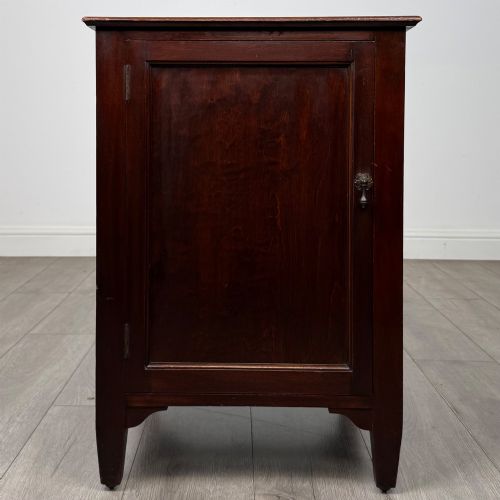
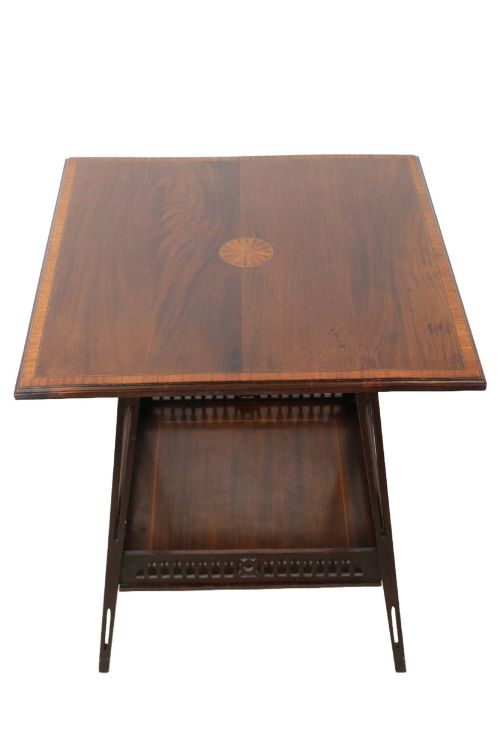
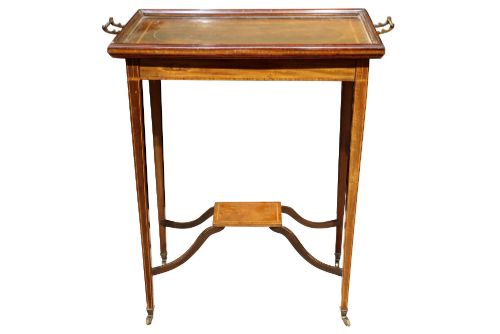
An edwardian wooden end table is a versatile domestic surface designed for sitting rooms, most commonly found here as an inlaid mahogany side table.
Edwardian Wooden End Table
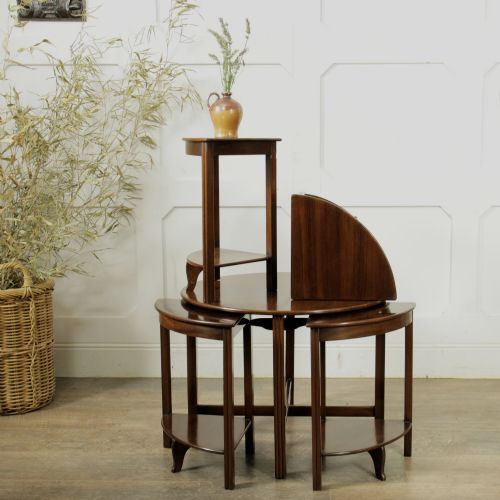
When you search for an edwardian wooden end table, you examine compact occasional pieces created primarily during the Edwardian period, alongside related Victorian and interwar examples. Side tables, lamp tables, and nests of tables dominate the forms, offering small footprints intended for lamps or books.
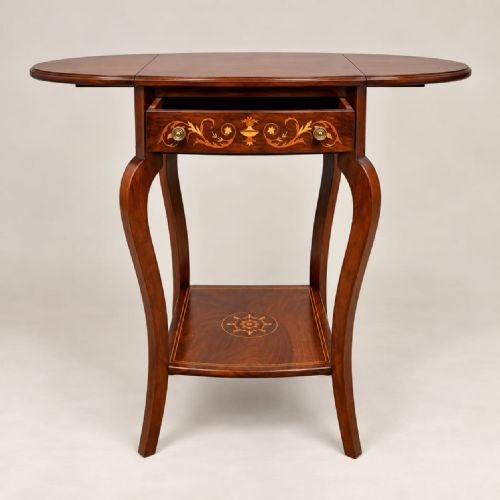
The materials span mahogany, oak, walnut, and satinwood, frequently enriched with boxwood stringing or decorative wood inlay. Makers adapted these surfaces for specific parlour duties, producing tray tops, drop leaves, and occasional tables with hinged or lift-up lids.
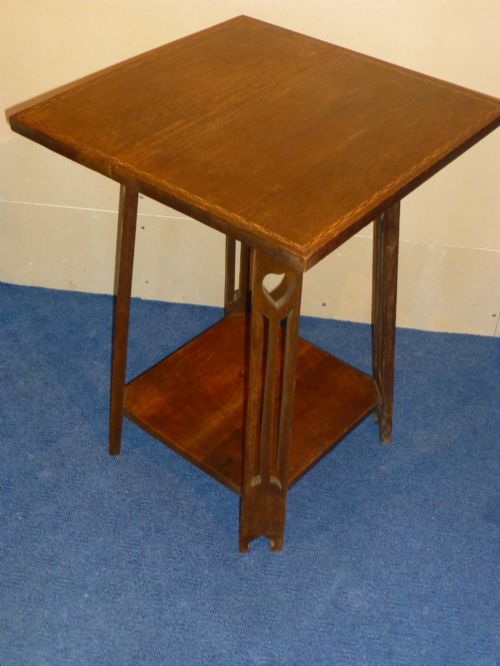
While strict Edwardian designs form the core of the selection, adjacent Late Victorian and 1920s pieces appear regularly. Arts and Crafts interpretations in oak demonstrate alternative regional aesthetics from the same broader era.
Materials and Construction
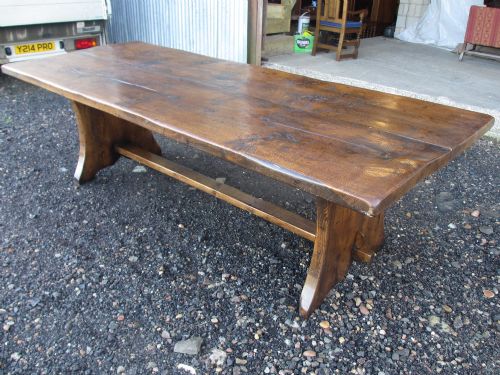
Cabinet makers utilised solid timbers alongside finely figured veneers, mounting mahogany and walnut upon supportive secondary woods. Timber selection dictated the visual weight of each edwardian wooden end table, whether polished to a deep shine or left with the textured grain of solid oak.
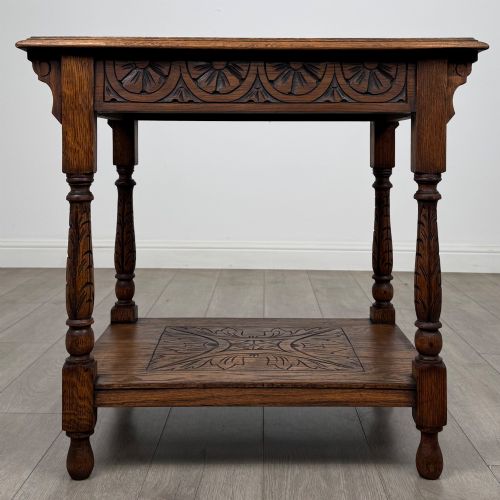
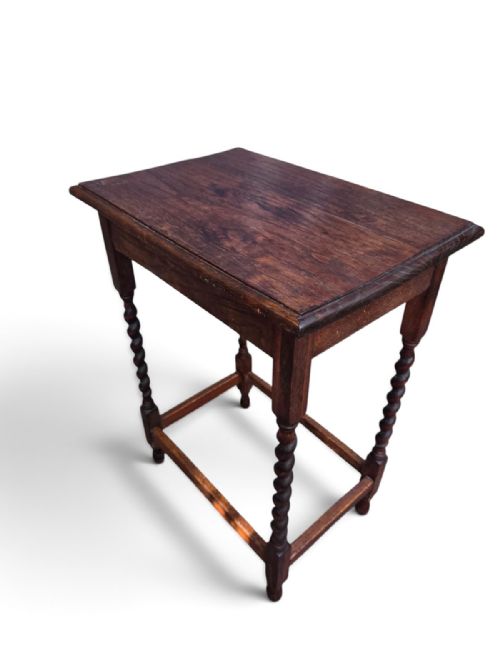
Inlay work relied on contrasting materials such as boxwood and lighter satinwood set into darker mahogany grounds. Turned elements, barley twist legs, and carved details required traditional joinery methods appropriate for domestic use.
Listings feature mahogany, oak, walnut, and exotic satinwood, spanning the Victorian, Edwardian, and interwar periods.
Quality and Detail
The distinction between standard commercial output and superior craftsmanship lies in the crispness of the timber inlay and the selection of figured wood veneers. Better examples display balanced proportions, precise mitres, and unwarped top surfaces that remain flat over time.
Hardware and secondary materials also indicate grade, with solid brass fittings and substantial timber thickness separating finer workshop pieces from simpler factory production.
Trevor Page & Co·Liberty & Co·William Birch·Baillie Scott·Archibald Knox
The Edwardian Wooden End Table Glossary
- Inlay
- A technique where pieces of contrasting wood or other materials are inserted into a recessed surface to form a decorative pattern. This method adds subtle linear detail or complex floral motifs to table tops.
- Satinwood
- A lustrous, hard timber native to Ceylon and India, prized for its golden yellow sheen and fine grain. It is often used for banding and contrasting details on mahogany furniture.
- Tray top
- A table top finished with a raised moulded rim around the perimeter, designed to prevent items from rolling off. This practical feature appears frequently on lighter occasional tables.
- Sutherland table
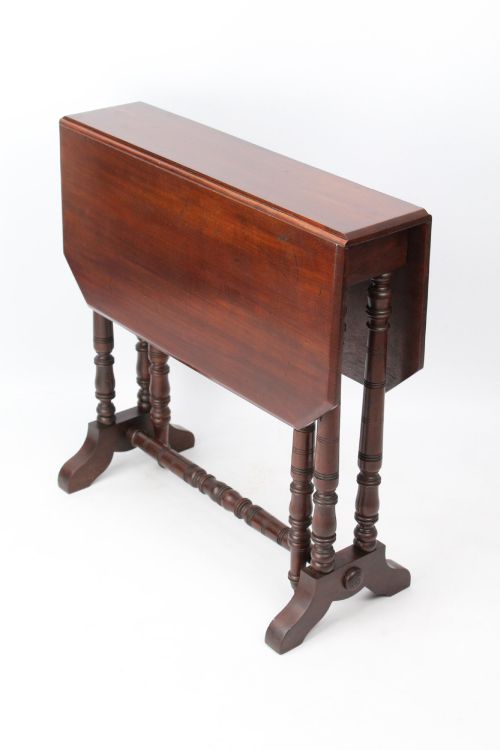
- A narrow drop-leaf table where the leaves fold down almost vertically on either side of a fixed central section. It stands on pivoted gatelegs designed to support the extended leaves.
Edwardian Wooden End Table: Frequently Asked Questions
What is an edwardian wooden end table used for?
These pieces served practical purposes in formal sitting rooms, holding small reading lamps, calling card trays, or decorative ornaments near seating areas.
Their compact dimensions allowed them to be moved easily around the room to suit the daily routines of the household.
How do I identify an edwardian wooden end table?
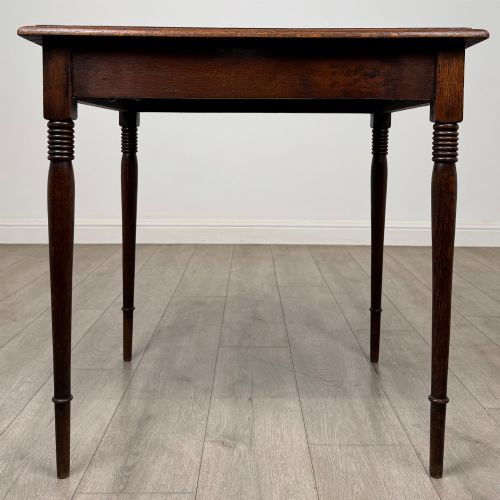
Look for characteristic construction traits such as tapered legs, satinwood stringing, and lighter proportions than heavy Victorian equivalents.
Many examples carry distinctive Edwardian design markers, including oval tops and delicate brass handles on small storage compartments.
Are these tables suitable for daily modern use?
Solid construction and durable timbers make these historical tables well suited for holding modern lamps, drinks, or small electronic devices.
Care should be taken to protect polished French polished surfaces from moisture and excessive heat using coasters.
How do I distinguish Edwardian from Victorian tables?
Victorian furniture generally employs heavier timbers, darker finishes, and more ornate carving or robust proportions.
Edwardian pieces tend to display lighter framing, brighter mahogany or satinwood highlights, and a greater emphasis on delicate inlaid decoration.