



Edwardian Wooden Double Bed
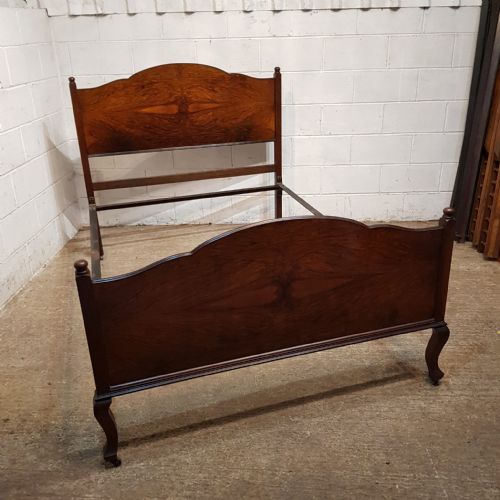
An Edwardian wooden double bed gives a bedroom genuine period proportion, crafted to sleep two in solid timber.
Edwardian Wooden Double Bed
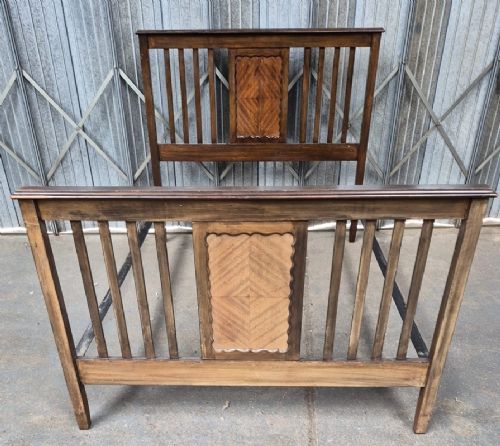
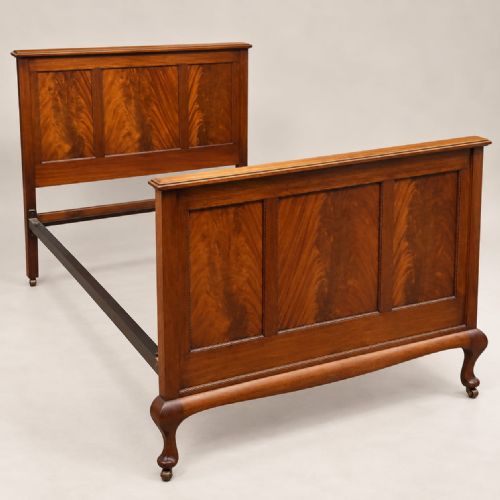
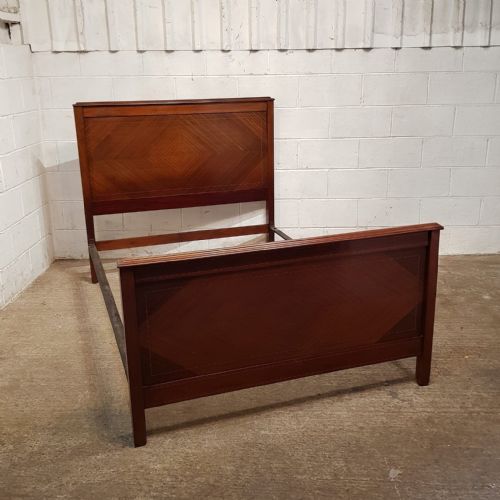
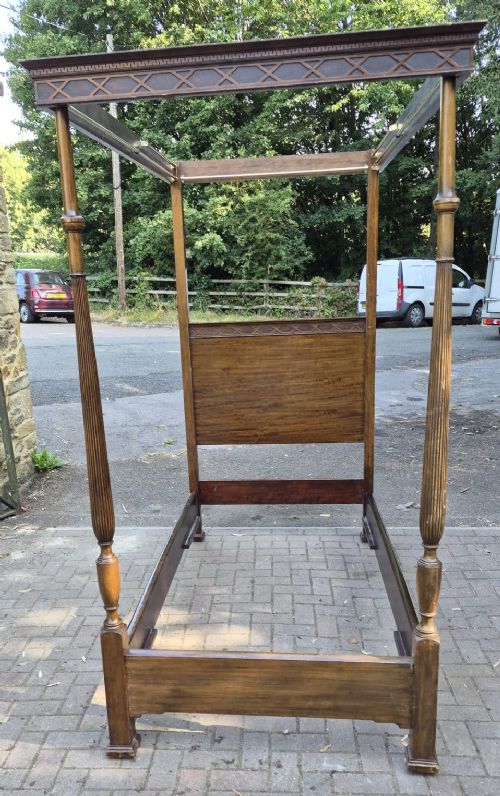
When searching for an Edwardian wooden double bed, one encounters sturdy frames built in the Edwardian era, alongside pieces spanning from the late Victorian period up to the nineteen-twenties. These furniture pieces take the form of standard double bedsteads, designed to support mattresses at a generous width using timber headboards and footboards.
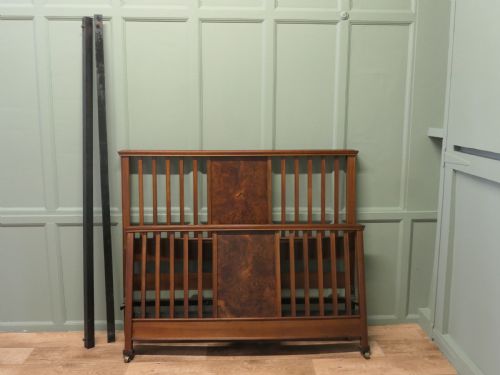
The prevailing examples seen here are constructed from rich mahogany, often complemented by satinwood, burr walnut, and iron or brass details. Stylistic influences draw heavily from the Georgian Revival, alongside distinct Edwardian interpretations and occasional Art Nouveau flourishes.
How these beds were made
Cabinet makers utilised dense hardwoods such as mahogany and walnut, frequently selecting burr veneers to create striking grain patterns on large panels. Timber frames were constructed with sturdy joinery, combining structural softwoods and irons where internal support was required.
Decoration relied on skilled woodworking techniques, including marquetry inlay, painted satinwood finishes, and moulded rails. Brass and iron elements were incorporated to strengthen joints and accent the wood.
Edwardian Wooden Double Bed Retail Price Guide 2026
Typical asking prices for edwardian wooden double bed among the pieces listed under this phrase on Sellingantiques today, from the lower quarter to the upper quarter. They describe what is for sale here now, not the wider market.
Some double frames incorporate hidden iron rails beneath polished mahogany panels, proving that nineteenth-century comfort relied on secret industrial strength.
What varies in quality
The distinction between standard frames and superior examples lies in the selection of timbers and the fineness of the cabinet work. Superior pieces display carefully matched burr walnut or figured mahogany veneers, alongside intricate marquetry and painted detail.
Simpler frames rely on plain timber construction with modest mouldings, whereas finer workshops executed sophisticated Georgian Revival designs or curved Art Nouveau panels that demanded advanced carpentry skill.
Maple and Co
The Edwardian Wooden Double Bed Glossary
- Bedstead
- A framework of wood or metal that supports a bed, distinct from a modern divan base. These frames incorporate headboards and footboards.
- Burr walnut
- A prized wood grain obtained from walnut tree growths, displaying intricate swirling patterns. Cabinet makers used it for decorative veneering.
- Marquetry
- The art of applying pieces of veneer to a structure to form decorative patterns. Craftsmen utilised various coloured woods to create pictorial designs.
- Satinwood
- A durable, lustrous timber from tropical trees with a yellowish sheen. It served both as solid wood and as a delicate veneer.
- Georgian Revival
- A design style mimicking the proportions and ornamentation of eighteenth-century furniture. Edwardian makers frequently adopted these classical motifs.
Edwardian Wooden Double Bed: Frequently Asked Questions
Will a standard modern mattress fit an antique double bed?
Most antique double beds were built to Victorian and Edwardian sizing standards, which can differ slightly from contemporary mattress dimensions. It is essential to measure the internal rails precisely before purchasing a modern mattress.
Many period bedsteads accommodate standard modern double mattresses with minor adjustments to the internal slat system. Consulting the specific width and length of the wooden rails ensures a proper fit.
How are antique wooden bedsteads assembled?
These beds typically utilise heavy metal bolts or traditional slot-in joinery to connect the headboard, footboard, and side rails securely. This design allowed furniture to be dismantled easily for transport and reassembled in the bedroom.
Careful handling during assembly protects the antique timber joints and veneer edges. Ensuring the frame squares up correctly on an even floor prevents strain on the side rails.
How do I care for polished mahogany and walnut furniture?
Maintaining wood surfaces requires dusting with a soft, dry cloth and avoiding modern silicone sprays or excessive moisture. Natural beeswaxes applied sparingly help nourish the grain and preserve the polish.
Keeping the bed away from direct heat sources and strong sunlight prevents the timber from drying out or splitting. Stable room temperatures protect both solid woods and delicate decorative veneers.
What distinguishes Edwardian furniture from late Victorian pieces?
Edwardian furniture often displays lighter proportions and brighter timber tones compared to the heavier, darker woods favoured during the late Victorian era. Makers embraced neoclassical revivals alongside early twentieth-century innovations.
While late Victorian pieces can share similar construction methods, Edwardian design frequently incorporates simpler lines or refined inlay work. Both eras utilised quality mahogany and walnut, reflecting the transition in domestic tastes.