


Edwardian Wood Light
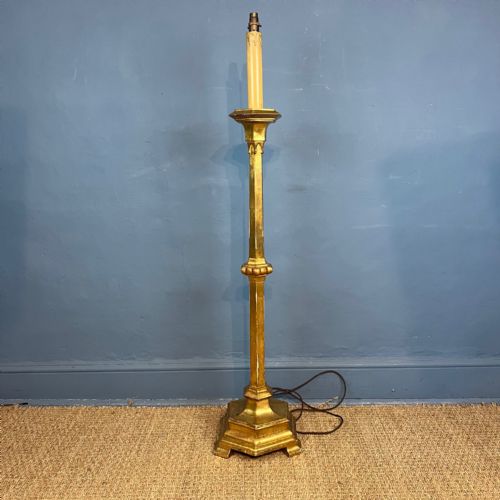
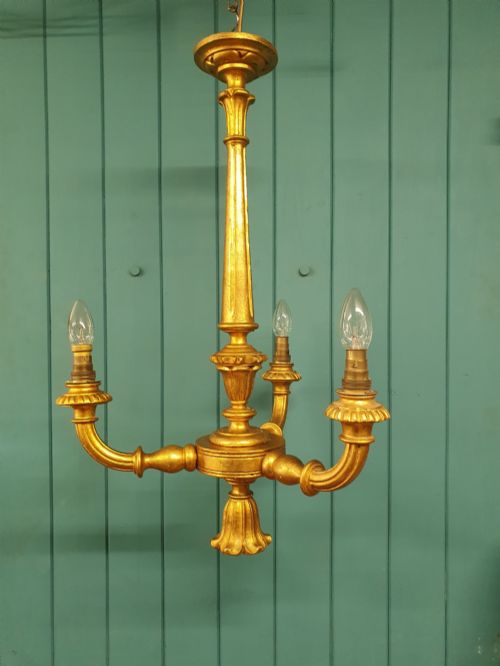
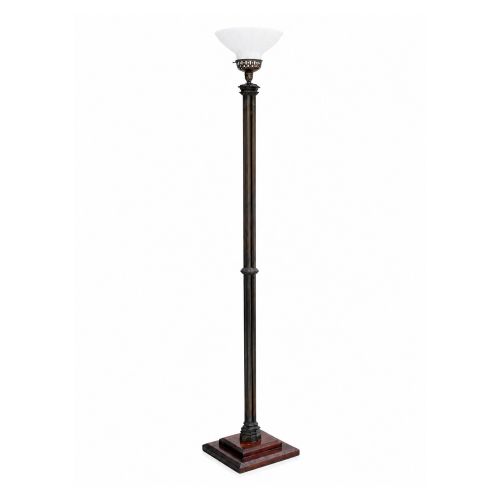
Edwardian wood light pieces bring warmth and functional illumination through standard lamps and floor lamps crafted in oak, mahogany, and ash.
Edwardian Wood Light
When you search for Edwardian wood light, you encounter tall floor lamps, standard lamps, and table lamps that bring period character to interior spaces. These items originate predominantly from the early twentieth century, spanning the Edwardian era alongside adjacent 1900, 1910, 1920, and 1930 periods.
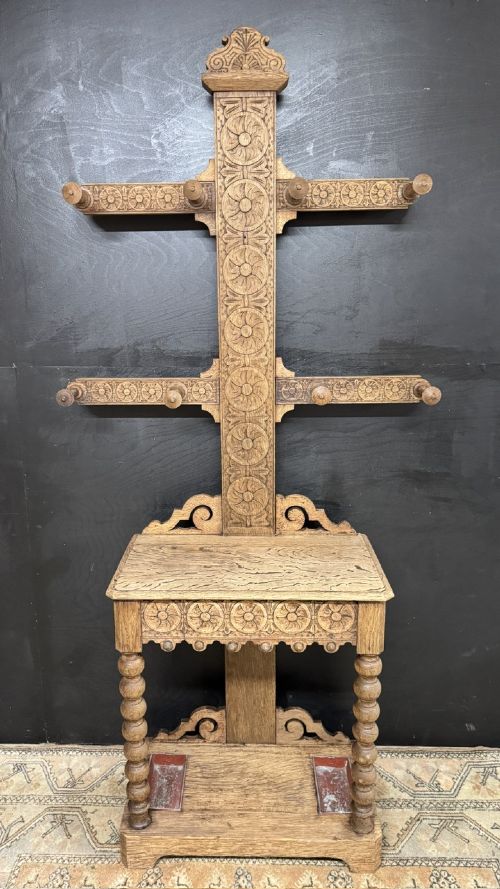
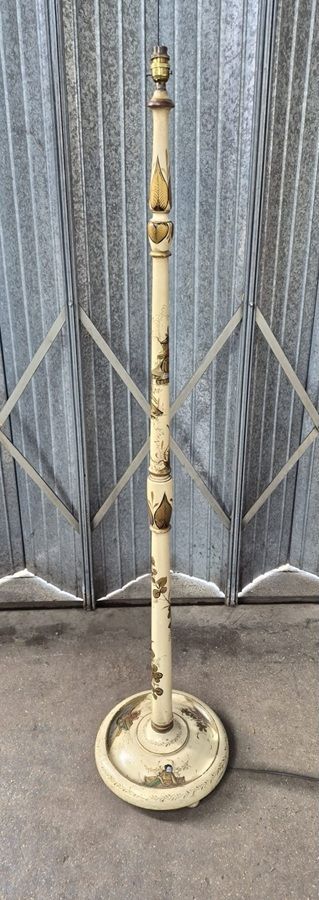
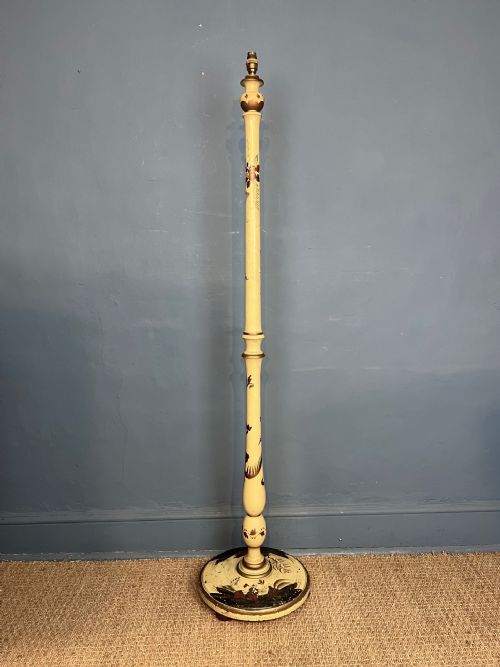
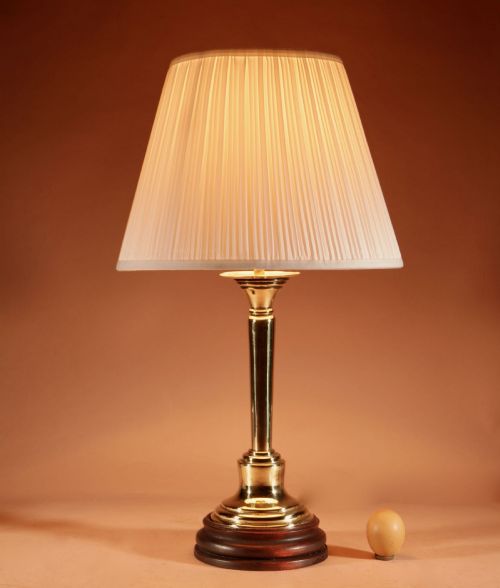
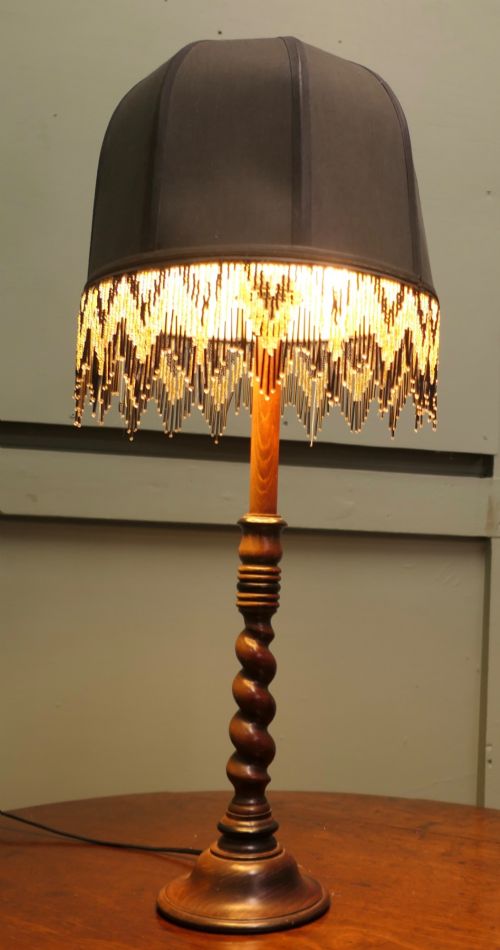
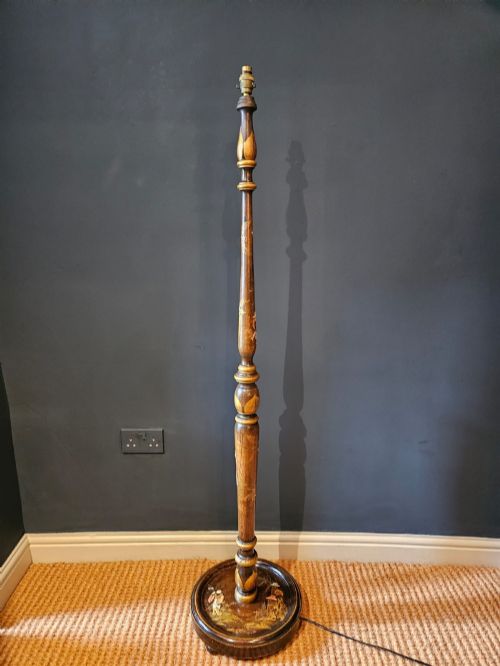
The standard lamps and floor lamps on this page appear in various turning styles, including barley twist designs alongside painted Chinoiserie decorated finishes. Alongside these upright lights, you find smaller occasional pieces such as candlesticks made from turned wood and brass.
The timbers utilised in these pieces reflect the domestic output of British workshops and continental makers from the period. Oak, mahogany, walnut, ash, and beech form the structural core of these items, often paired with metal fittings and fabric shades.
Materials and construction methods
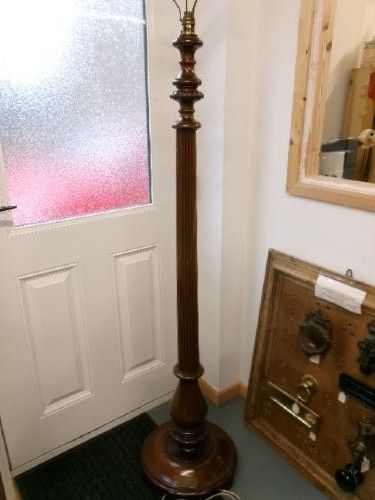
Makers of the period turned solid woods like beech, oak, and ash on lathes to create the tall shafts of floor lamps and candlesticks. Mahogany and walnut timbers were selected for heavier standard lamps, providing stability at the base while allowing for carved details.
Surface treatments range from waxed finishes that highlight natural grain to decorative painted schemes such as Chinoiserie lacquer work. Brass and copper components frequently accompany the wooden bodies, serving as structural connectors or candleholders on the lamps.
Edwardian Wood Light Retail Price Guide 2026
Typical asking prices for edwardian wood light among the pieces listed under this phrase on Sellingantiques today, from the lower quarter to the upper quarter. They describe what is for sale here now, not the wider market.
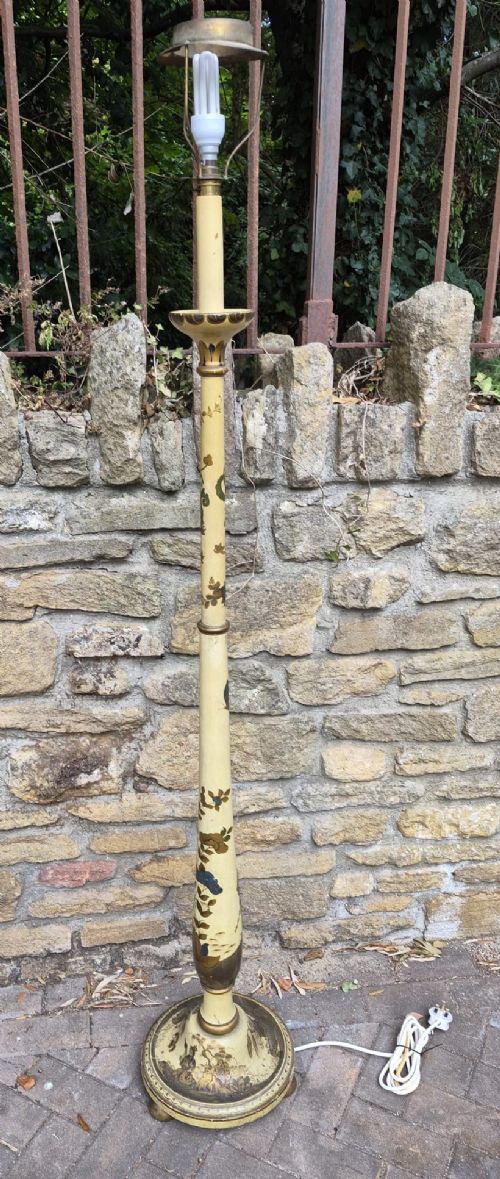
One cheerful standard lamp arrives in crimson Chinoiserie, proving that Edwardian lighting knew how to command a room.
Factors influencing quality
The grade of timber and the complexity of the turning dictate the tier of a piece, with dense hardwoods providing superior weight and balance. Simple beech columns sit at the accessible end, whereas figured mahogany and intricately carved oak standards represent higher ambition in design.
The integrity of the original surface finish maintains the character of the object, distinguishing untouched waxed or polished timber from later alterations. Decorative applications like hand-painted Chinoiserie detail require precision to elevate standard lighting into a statement object.
Howard and Sons
The Edwardian Wood Light Glossary
- Standard lamp
- A tall floor-standing lamp designed to illuminate a room from a corner or beside seating furniture. These wooden uprights often feature turned columns and weighted bases.
- Chinoiserie
- A European decorative style emulating Chinese artistic traditions, frequently appearing on these listings as painted lacquered lamp standards.
- Barley twist
- A spiral turning technique applied to wooden columns and candlestick shafts, popular during the early twentieth century and revival periods.
- Arts and Crafts
- A design movement prioritising traditional craftsmanship and honest use of materials, visible in the solid ash and oak pieces found here.
Edwardian Wood Light: Frequently Asked Questions
How do I identify standard lamps from this era?
Standard lamps from the early twentieth century display characteristic timber selections, such as solid oak, mahogany, or beech. You will often notice turned wooden shafts resting on substantial weighted bases.
Details like hand-painted decoration, brass fittings, and traditional wax finishes help confirm the period origins of these floor-standing lights.
Where should I place a standard lamp?
Standard lamps work well positioned beside armchairs, sofas, or in dark corners that require ambient illumination. Their vertical height makes them practical reading lights without occupying table space.
Matching the wood tone of the lamp base to nearby furniture helps integrate the piece naturally into an existing room scheme.
What woods were used for these lamps?
Makers utilised a variety of domestic and imported timbers for lighting standards, with oak and mahogany being common choices. Beech and ash also appear frequently in turned columns and structural components.
Finishes range from natural waxed grain to polished surfaces and elaborate Chinoiserie painted decoration over a prepared wooden ground.