



Edwardian Wood Floor Lamp
An edwardian wood floor lamp brings period warmth to a corner, combining height and steady light.
Edwardian Wood Floor Lamp
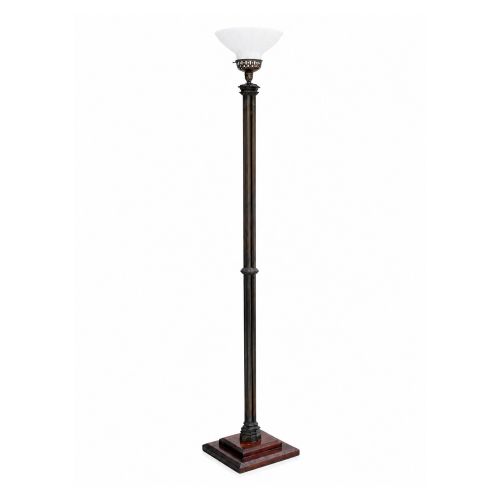
An edwardian wood floor lamp stands tall to cast ambient light, often taking the form of a standard lamp turned from solid timber. You will frequently meet examples from the Edwardian era alongside pieces stretching from the Victorian period into the nineteen thirties.
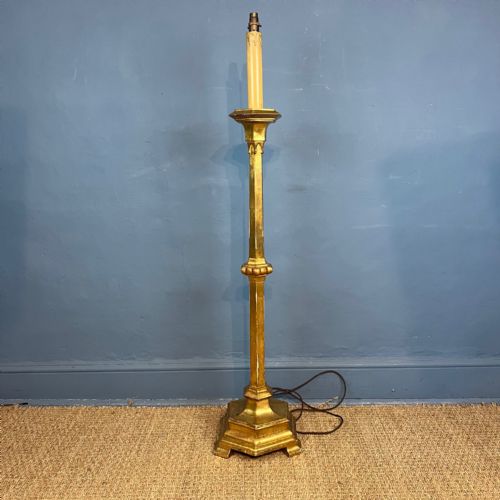
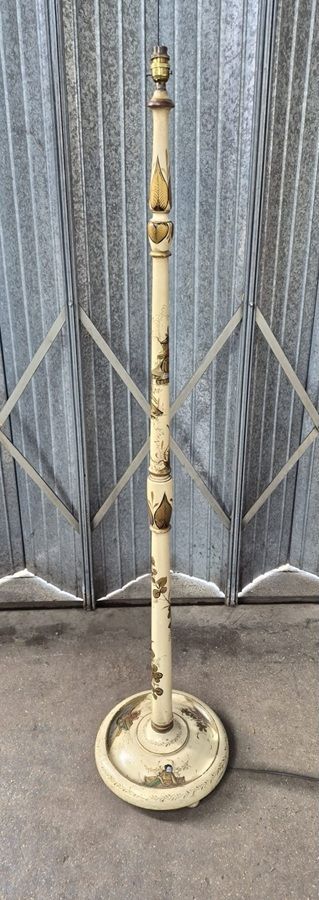
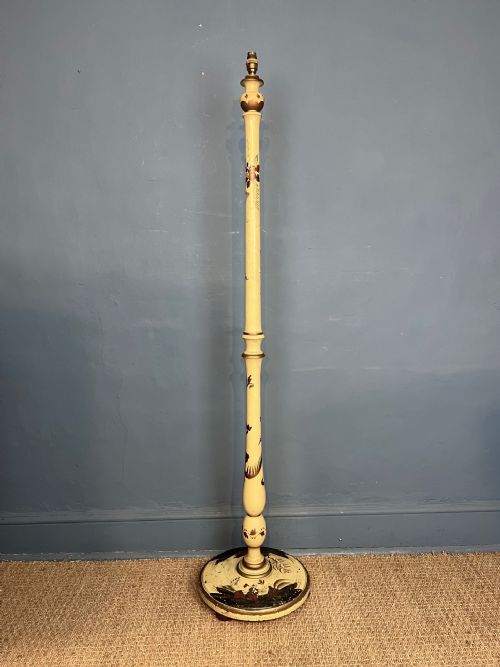
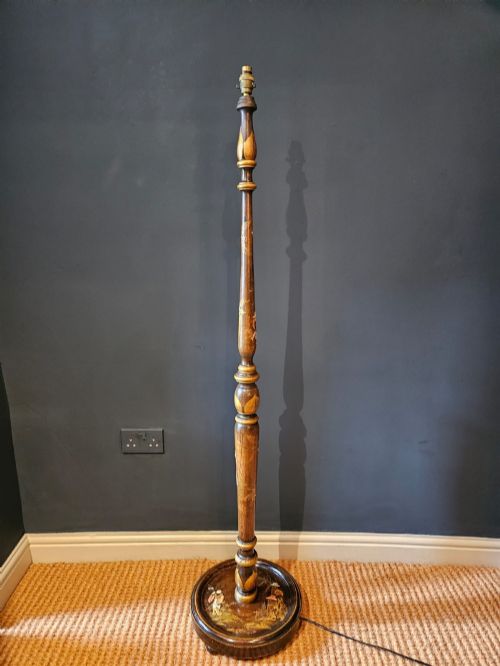
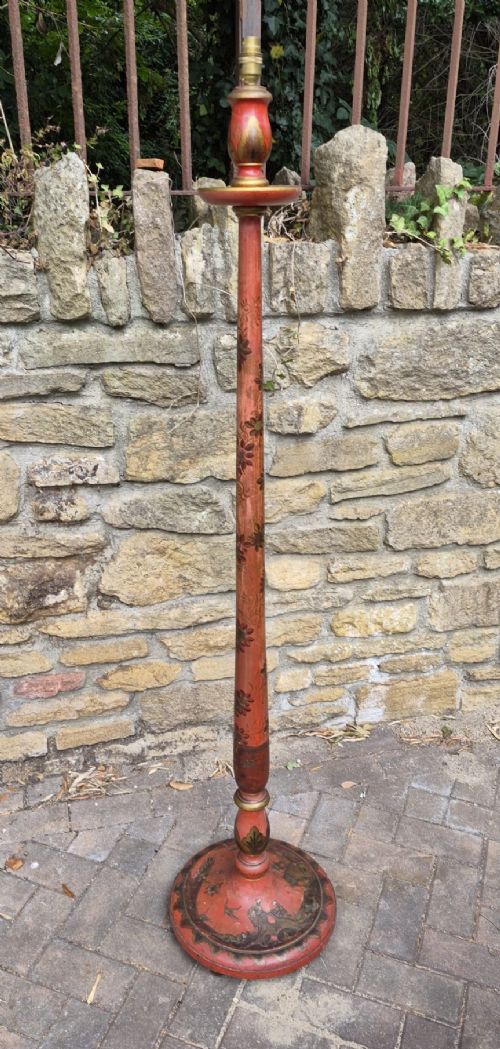
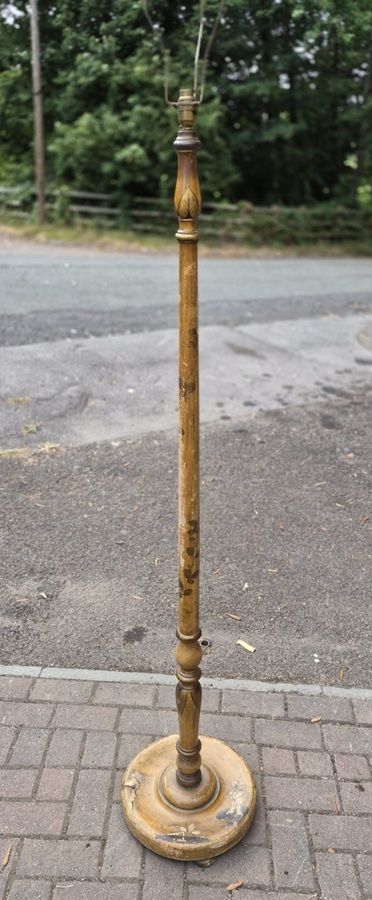
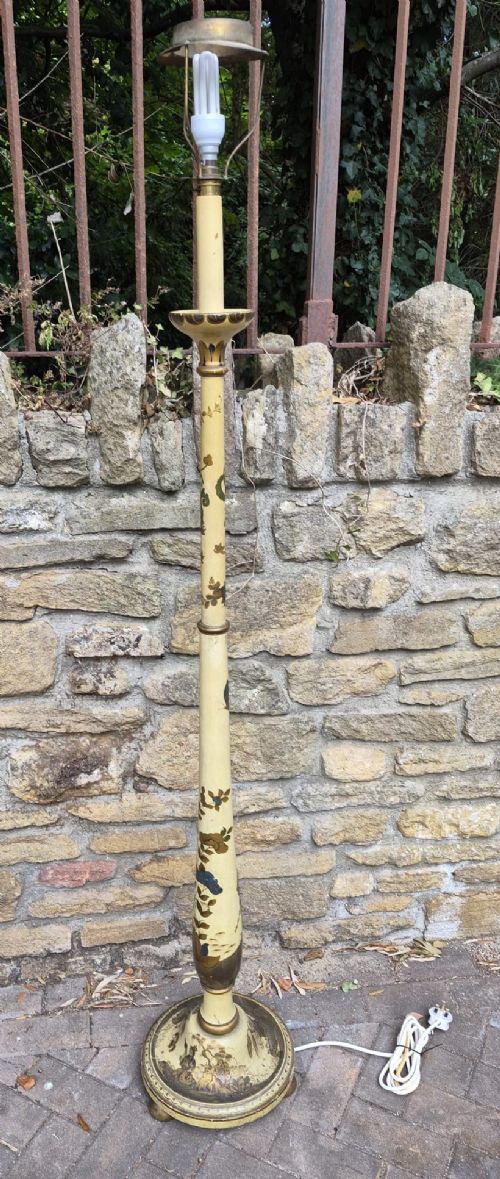
Makers shaped these upright lights from varied woods including mahogany, oak, walnut, beech, and padouk. Alongside plain turned shafts, you will find decorative finishes such as lacquer, painted wood, and Chinoiserie decoration.
The selection ranges from simple cottage style floor lamps to elaborate revival styles like Gothic Revival, William IV Revival, and Regency Revival. Some examples incorporate practical additions like a Canterbury base alongside the lamp standard.
How they were made
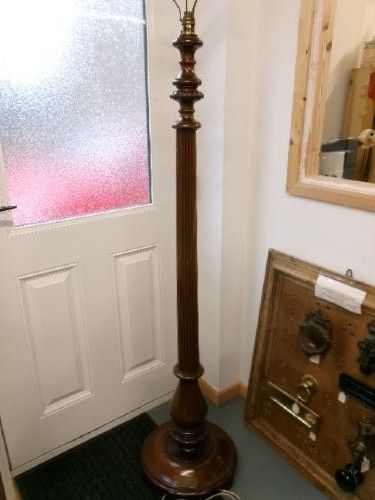
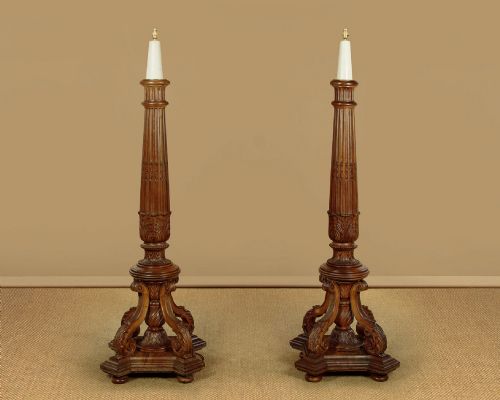
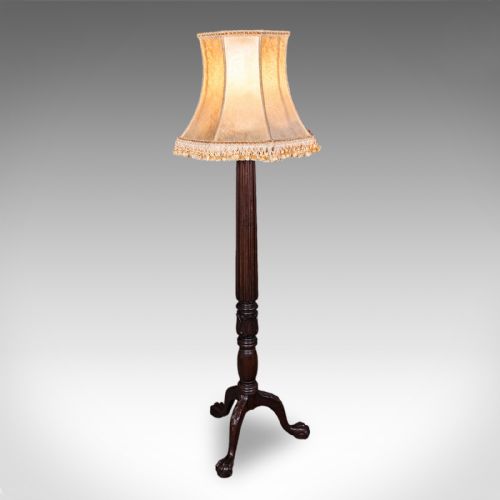
Carpenters shaped timber on lathes to produce slender, turned columns mounted on sturdy weighted bases. Mahogany and oak provide the structural backbone for many shafts, while beech and walnut appear in turned floor standing formats.
Decorative pieces receive hand-painted finishes and lacquer, particularly noticeable in Chinoiserie standard lamps adorned with oriental motifs. Metal components such as brass fittings integrate with the timber work to secure the electrical wiring and shades.
Edwardian Wood Floor Lamp Retail Price Guide 2026
Typical asking prices for edwardian wood floor lamp among the pieces listed under this phrase on Sellingantiques today, from the lower quarter to the upper quarter. They describe what is for sale here now, not the wider market.
Listings feature woods spanning mahogany, oak, walnut, beech, padouk, and painted timber alongside brass and fabric elements.
What varies in quality
The fineness of the woodturning dictates the visual weight of the standard lamp, separating simple utility pieces from ambitious decorative columns. Crisp carving on mahogany or padouk demonstrates superior craftsmanship compared to plain, unadorned shafts.
The execution of surface decoration alters the character entirely, from simple painted wood to intricate Chinoiserie lacquer work. Heavier timber bases and balanced proportions ensure the tall floor lamp remains stable and upright.
The Edwardian Wood Floor Lamp Glossary
- Standard lamp
- A tall floor standing light fixture designed to hold a shade at eye level. This term appears interchangeably with floor lamp across many listings.
- Chinoiserie
- European interpretation of Chinese and East Asian artistic traditions, featuring painted motifs and lacquered surfaces. It appears frequently on decorated standard lamps from the early twentieth century.
- Gothic Revival
- An architectural and decorative style drawing on medieval pointed arches and structural forms. This aesthetic influences the heavier wooden floor standards from the period.
- Regency Revival
- A style looking back to the early nineteenth century elegance of classical lines and dark timbers. Mahogany standard lamps often adopt these refined classical proportions.
- Canterbury
- A low wooden stand fitted with partitions for holding sheet music or books. Some floor lamp combinations integrate this compartmentalised base directly beneath the standard.
Edwardian Wood Floor Lamp: Frequently Asked Questions
How do I choose the right height?
Consider the ceiling height of your room and the seating arrangement where the lamp will stand. Standard lamps need enough elevation to project light over furniture without exposing the bulb directly to seated eyes.
Matching the proportions of the wooden shaft to the scale of your room ensures the piece looks balanced rather than overwhelming.
Where should I place a standard lamp?
Position your floor lamp in a dark corner or beside an armchair to create a warm, layered reading pool. The tall wooden column adds vertical interest to empty wall spaces.
Keep the lamp near a wall socket to avoid trailing cables across open floor areas where people walk.
How do I date an antique wooden floor lamp?
Examine the timber species, turning style, and surface finish to determine the period of manufacture. Mahogany and oak pieces often reflect Edwardian or later revival tastes, while painted Chinoiserie finishes point toward specific decorative movements.
Hardware details and wiring channels can also offer clues about when the lamp was first assembled or later adapted.