


Edwardian Wood Credenza
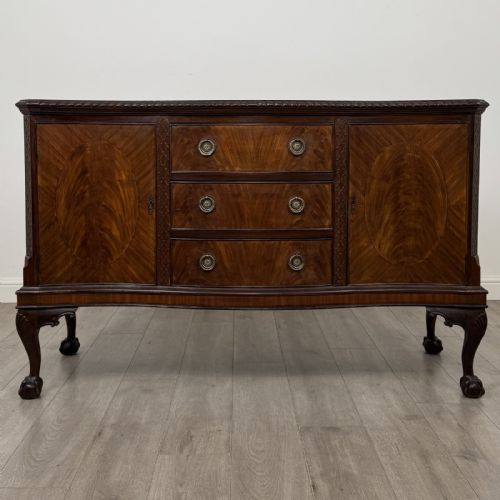
An Edwardian wood credenza or related sideboard brings balanced proportions and rich cabinet timber into a room.
Edwardian Wood Credenza
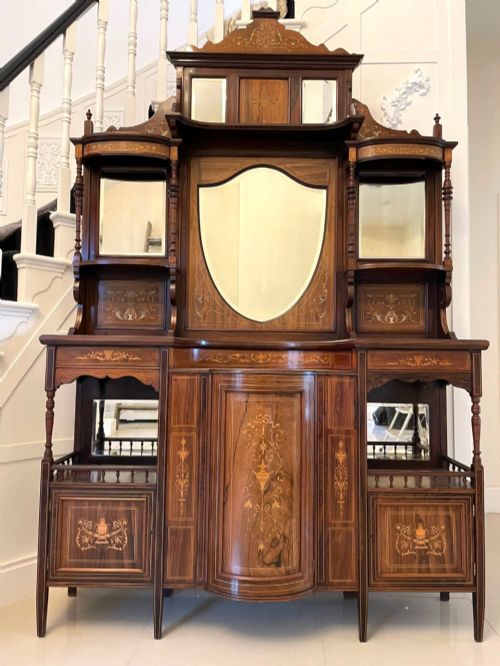
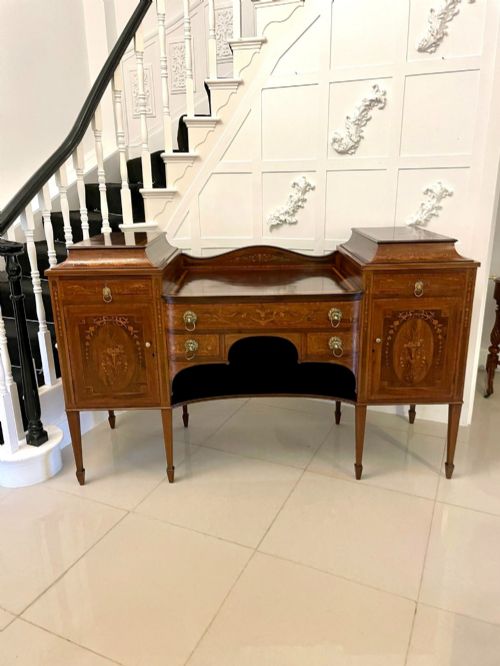
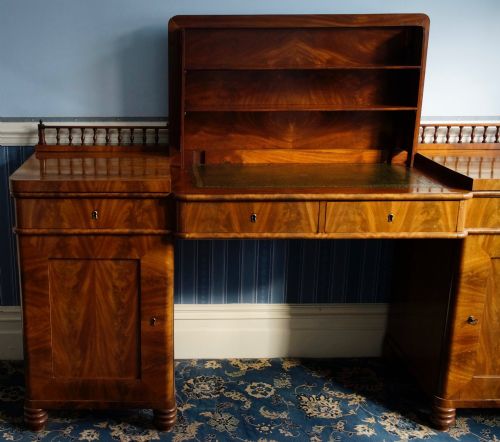
When you search for an edwardian wood credenza, you encounter sophisticated case pieces intended for dining rooms and principal reception rooms. The selection includes sideboards, side cabinets, display cabinets, and servers spanning the Edwardian period, Victorian era, and late nineteenth century.
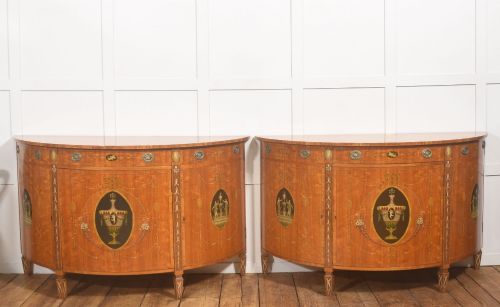
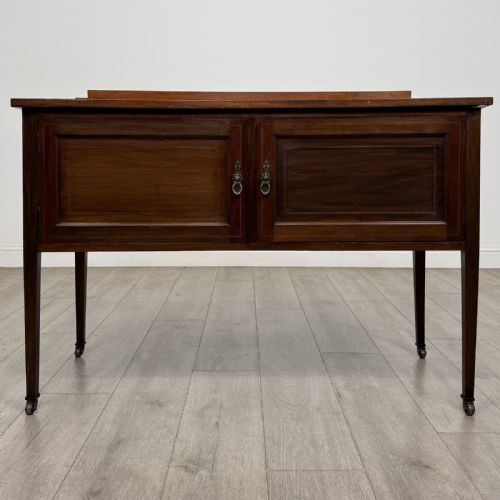
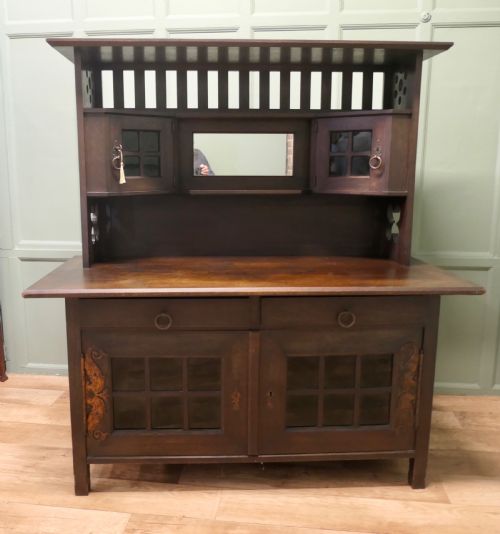
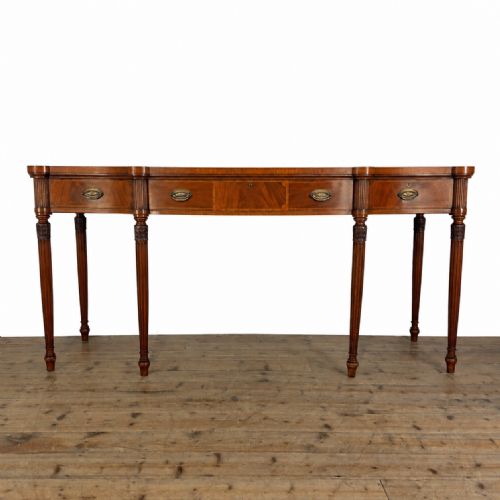
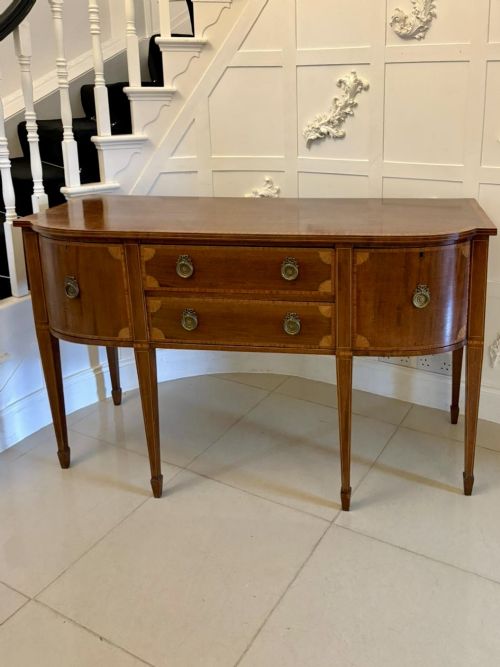
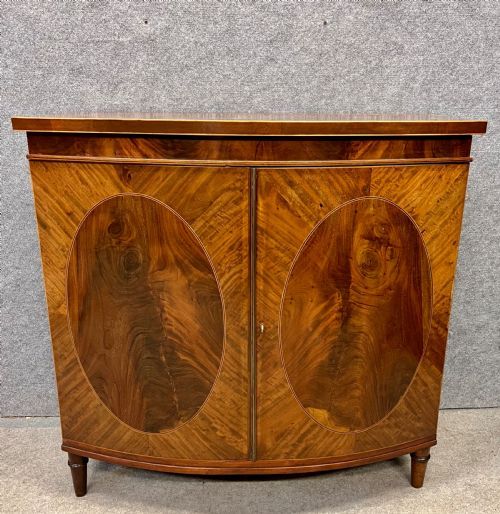
The most frequent form on this page is the Edwardian mahogany sideboard, often featuring bow fronts, satinwood crossbanding, or inlaid marquetry. Alongside these sit robust oak cupboards displaying Arts and Crafts, Jacobean Revival, or Gothic influences.
Makers and designers working in this sphere drew heavily on earlier vocabularies, producing Sheraton Revival, Adam Revival, and Edwardian Chippendale pieces. These items combine practical storage with the decorative refinement characteristic of late nineteenth and early twentieth century domestic interiors.
Materials and construction methods
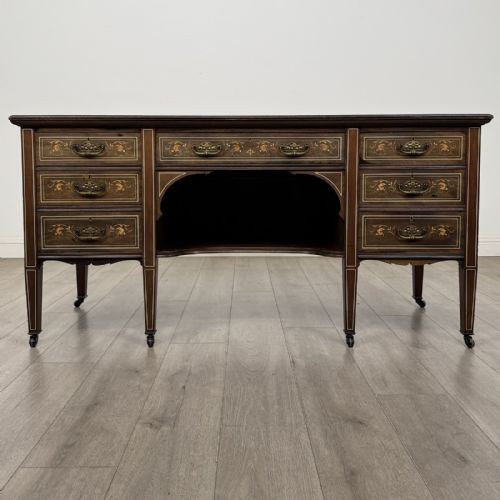
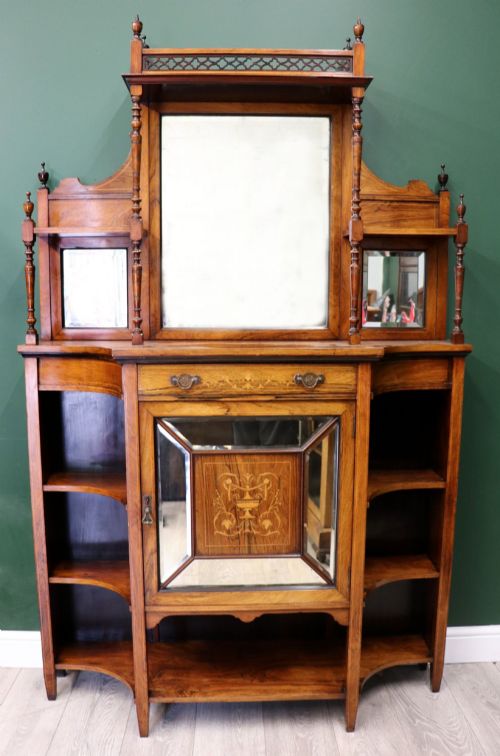
Makers relied primarily on solid mahogany, oak, and rosewood timbers, frequently enhanced by decorative surfaces such as flame mahogany veneer, satinwood, burr yew, and walnut. Marquetry and crossbanding added intricate linear detail and contrasting grain patterns to the primary wood structure.
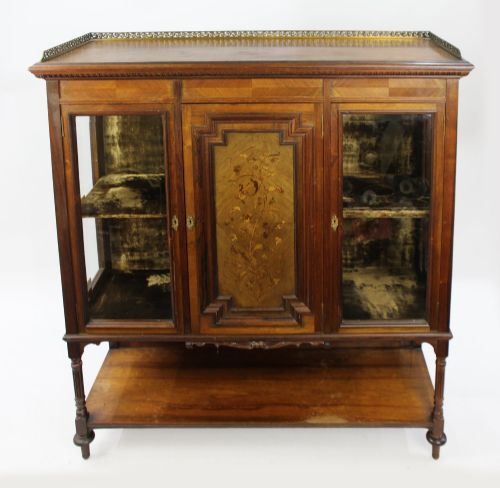
Structural embellishments involved skilled carving, turning for legs and barley twist supports, and the application of brass hardware, mirrors, and glass panels. These techniques produced sturdy cabinets and sideboards designed for daily utility as well as display.
Edwardian Wood Credenza Retail Price Guide 2026
Typical asking prices for edwardian wood credenza among the pieces listed under this phrase on Sellingantiques today, from the lower quarter to the upper quarter. They describe what is for sale here now, not the wider market.
Design revivals dominate the period styles, with Sheraton, Adam, Jacobean, and Arts and Crafts interpretations appearing across sideboards and cabinets.
Distinctions in craftsmanship and design
Quality rests upon the selection of timber and the precision of the cabinetmaker's joinery, visible in the alignment of drawers, the tightness of mitres, and the depth of carved or inlaid decoration. Pieces executed by documented firms or master workshops exhibit superior handling of secondary timbers and more ambitious marquetry compositions.
The integration of secondary elements such as original brass handles, undamaged bevelled mirror glass, and well-figured veneer distinguishes the finer examples from standard commercial production of the period.
Leonard Wyburd for Liberty and Co·Whytock and Reid·Hewetsons London
The Edwardian Wood Credenza Glossary
- Crossbanding
- A narrow strip of veneer applied to the border of a panel or top, running perpendicular to the grain of the central wood.
- Marquetry
- Formed by fitting together small pieces of veneer to create pictorial or geometric designs on furniture surfaces.
- Satinwood
- A lustrous, yellowish timber native to India and Ceylon, frequently utilised for banding, stringing, and marquetry in revival furniture.
- Pier cabinet
- A low freestanding cabinet designed to fit against the wall space between windows.
- Credenza
- A low dining room or parlour cabinet featuring cupboards, frequently adapted to include central glass-fronted display sections.
Edwardian Wood Credenza: Frequently Asked Questions
Where should I place an Edwardian credenza?
These pieces suit dining rooms, living rooms, and large hallways where their surface area and interior storage serve a practical purpose. They anchor a wall while providing a suitable platform for lamps, ceramics, or decorative objects.
Ensure the room has sufficient floor space to allow cabinet doors and drawers to open fully without obstruction from other furniture.
How do I care for polished wood surfaces?
Maintain the timber by dusting regularly with a soft, dry cloth and applying natural beeswax periodically to nourish the polish. Avoid placing furniture in direct sunlight or near heat sources to prevent the wood from drying and warping.
Keep liquids away from the top surface and use coasters under any items placed on the wood to protect the finish.
What is the difference between a sideboard and a credenza?
While both provide storage for dining ware and household items, a traditional sideboard stands at a height convenient for serving food. A credenza often sits lower to the ground and frequently incorporates enclosed cupboards rather than open serving surfaces.
In nineteenth and twentieth century usage, the terms occasionally overlap depending on the specific proportions and regional naming conventions of the maker.
How do I identify Edwardian revival styles?
Edwardian cabinetmakers frequently drew inspiration from Georgian and Sheraton designs, incorporating lighter proportions, satinwood inlay, and refined stringing. These pieces combine eighteenth-century decorative motifs with the cleaner lines favoured at the turn of the twentieth century.
Examine the interior construction and secondary woods, which typically reveal the later nineteenth or early twentieth-century manufacturing date despite the historical design influence.