



Edwardian Wine Coaster
These edwardian wine coaster pieces protect the table while keeping the bottle moving smoothly between guests after dinner.
Edwardian Wine Coaster
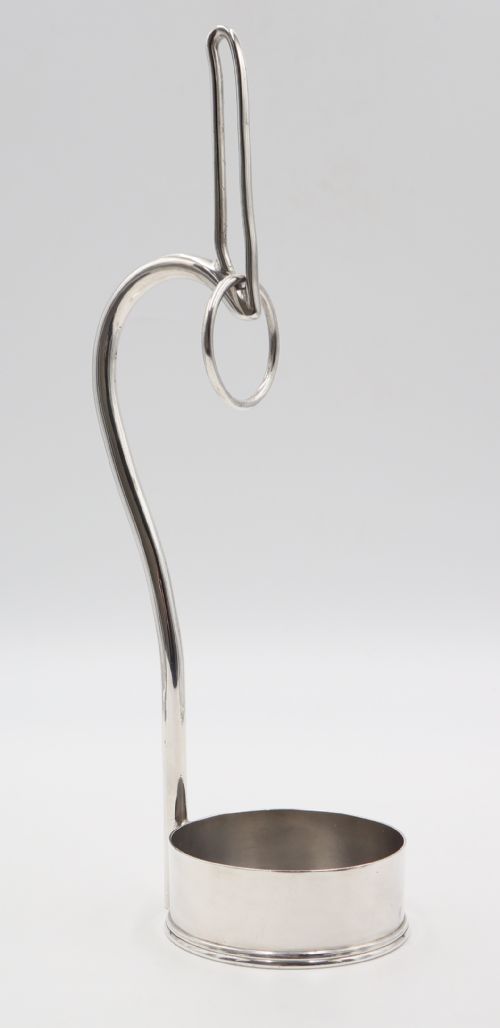
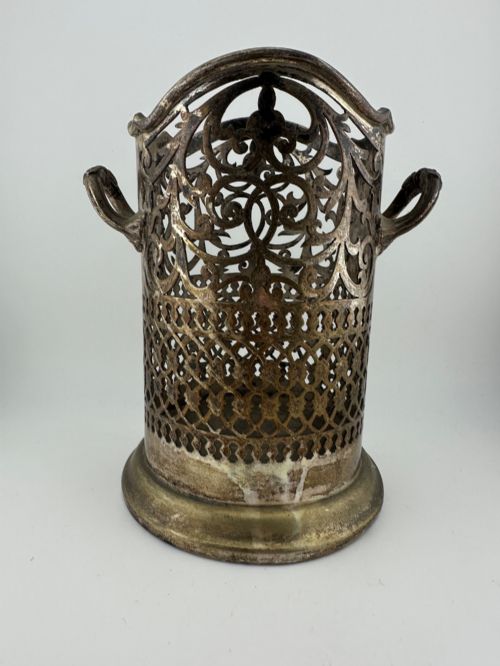
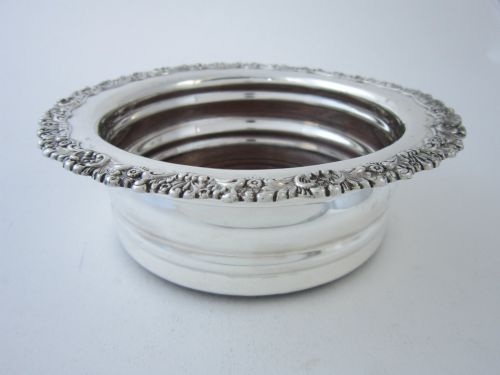
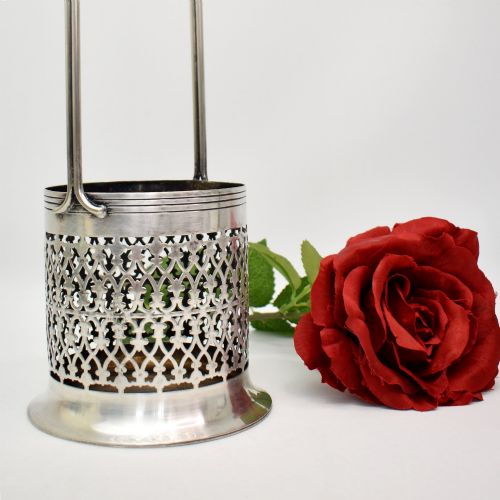
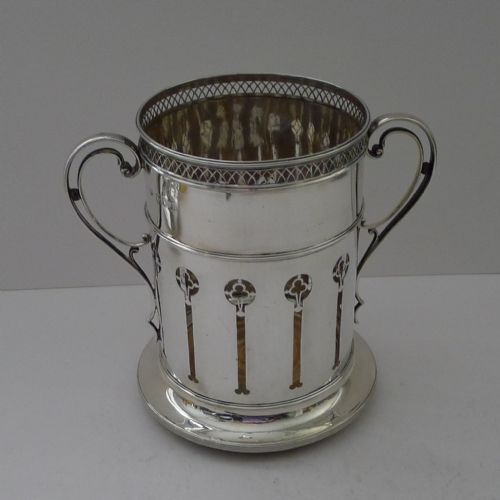
An edwardian wine coaster is a low, circular vessel designed to hold a wine or champagne bottle on the dining table. The form appears most frequently in silver plate combined with wood, alongside solid sterling silver examples from the early twentieth century.
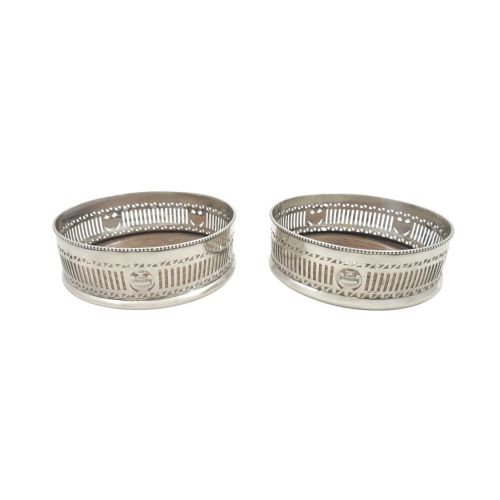
Makers produced single coasters as well as matched pairs and larger formats for multiple bottles. The materials and styles span the Edwardian period, George V years, and occasional Georgian revivals.
How they were made
Silversmiths shaped sterling silver and silver plate into pierced or solid galleries, often incorporating turned mahogany bases to support the weight of the glass. Felt linings were fitted underneath to protect polished dining surfaces from friction.
Manufacturers utilised brass and steel elements in specific mechanisms, while others mounted heavy silver rims onto polished wood bases with central button mounts.
Edwardian Wine Coaster Retail Price Guide 2026
Typical asking prices for edwardian wine coaster among the pieces listed under this phrase on Sellingantiques today, from the lower quarter to the upper quarter. They describe what is for sale here now, not the wider market.
Listings feature silver plate, sterling silver, brass, mahogany, and felt across Edwardian, George V, and Victorian periods.
What varies in quality
Quality rests in the weight of the metal and the precision of the join between the metal gallery and the wooden base. Finer examples display crisp piercing and substantial gauge silver or thick plating that resists wear.
The choice of timber matters greatly, with well-figured mahogany bases showing superior turning compared to plain secondary woods. Maker marks from established silversmiths elevate the standing of a piece.
Brook and Son Edinburgh·Christofle·Asprey·D and J Welby
The Edwardian Wine Coaster Glossary
- Gallery
- The upright outer rim of the coaster, often pierced or chased with decorative motifs. It keeps the bottle secure as the piece moves across the mahogany.
- Silver plate
- A layer of silver fused to a base metal, usually copper or nickel brass. This technique allowed makers to offer substantial tableware at a lower cost than solid silver.
- Magnum
- A larger bottle format requiring wider coasters designed specifically to hold the increased diameter. These larger pieces often feature reinforced bases.
- Turned wood
- Timber shaped on a lathe to form the flat base insert of the coaster. Mahogany is the most frequent wood seen in these mounts.
- Pierced work
- Metal cut through in decorative patterns such as vertical slits or geometric trellis designs. This lighter gallery style was common in Edwardian silver.
Edwardian Wine Coaster: Frequently Asked Questions
How do I clean a silver plated coaster?
Use a soft cloth and a gentle silver cream formulated for plated items, taking care not to let moisture soak into the wooden base.
Keep abrasive pads away from the metal surface to preserve the remaining plate layer over the base metal.
Can these hold champagne bottles?
Standard coasters suit normal wine bottles, while larger magnum sizes accommodate champagne bottles securely.
Check the internal diameter of the gallery before placing wider sparkling wine bottles inside.
Why do some coasters have wooden bases?
The wooden insert provides a stable, flat floor that dampens sound and protects the base of the glass bottle.
Mahogany was selected for its durability and rich dark tone which contrasted well against the silver.
How do I date an Edwardian coaster?
Examine the hallmarks on sterling silver pieces for specific date letters and assay office symbols corresponding to the early 1900s.
Silver plated items rely on style cues, maker marks, and construction details rather than official date hallmarks.