
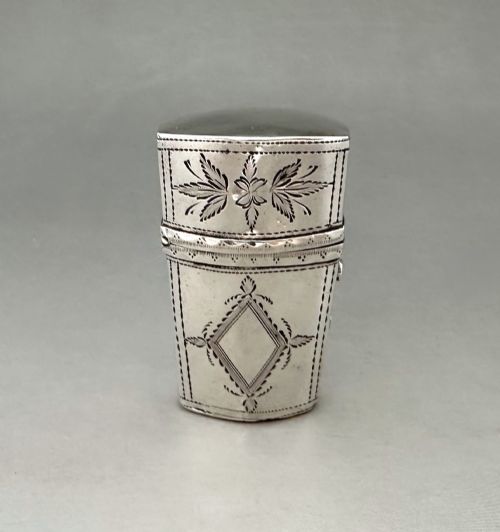

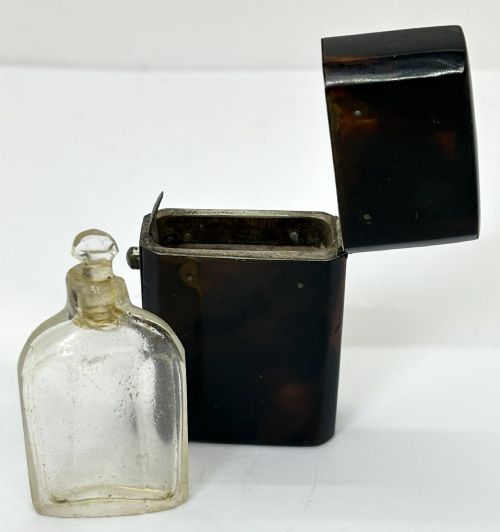

Silver Bottle Holder
A silver bottle holder gathers decanters, wine bottles, and barware on the table with practical elegance.
Silver Bottle Holder Forms
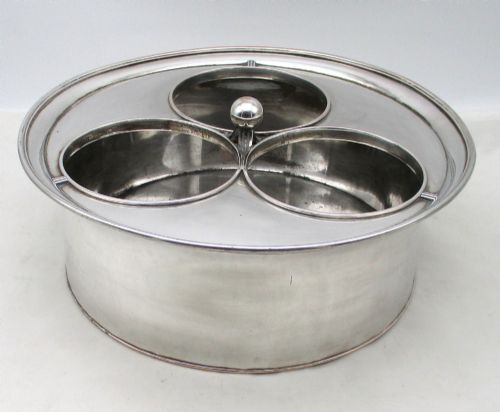
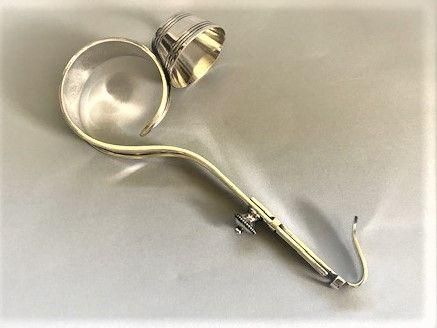
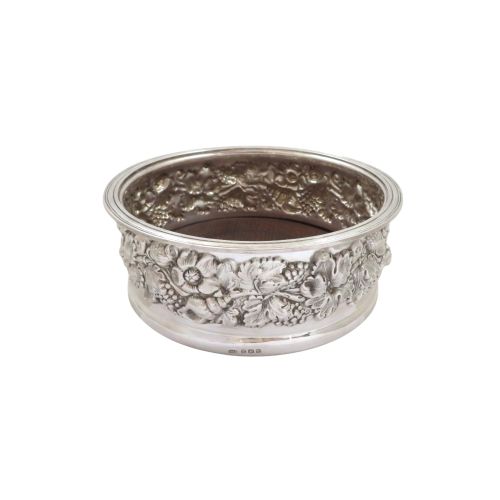
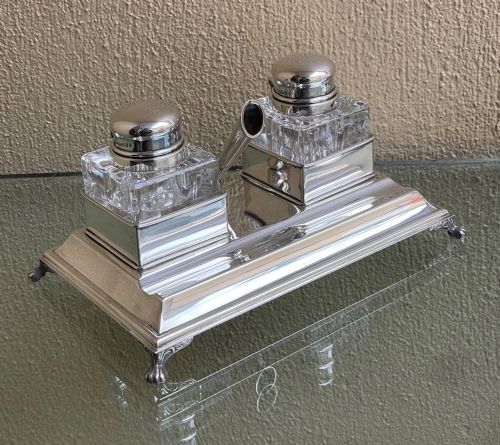
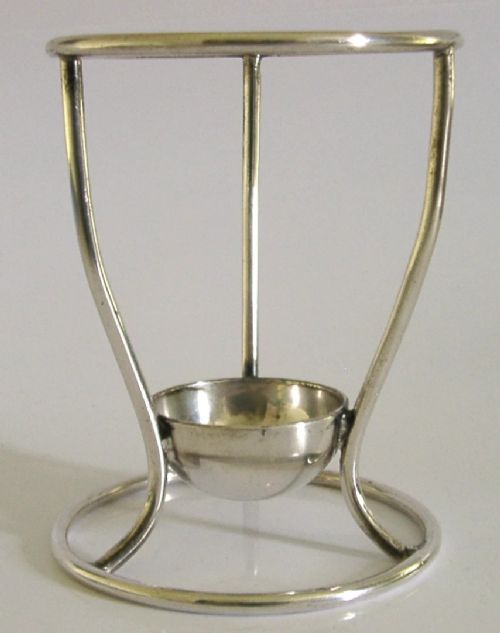
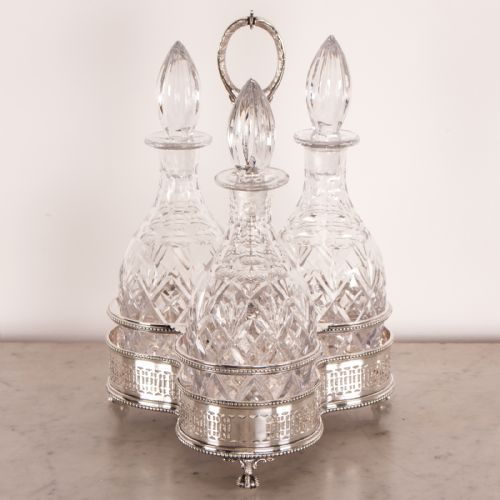
A silver bottle holder is a specialised vessel designed to cradle wine bottles, decanters, and soda syphons securely on the dining table or sideboard. These pieces appear across various forms, including single bottle stands, multi-bottle wine coolers, and rolling wine wagons.
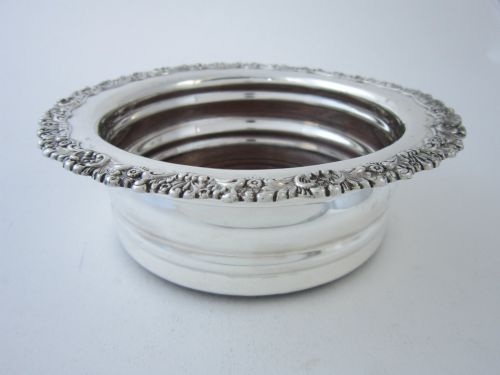
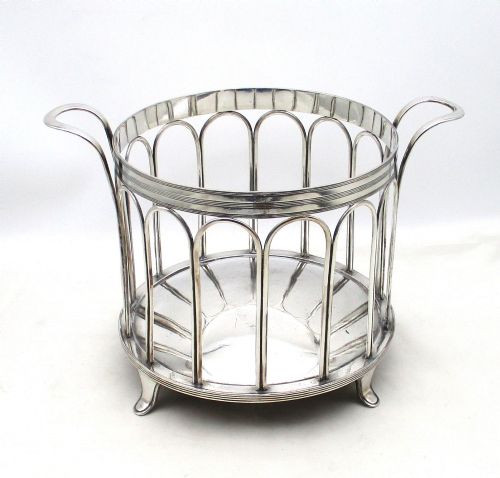
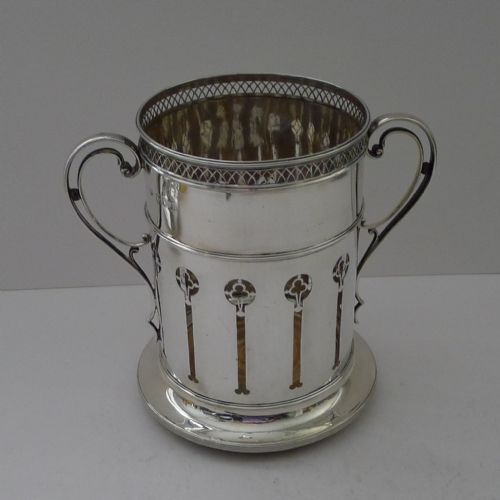
The pieces on this page span the nineteenth century into the twentieth century, encompassing Georgian, Victorian, Edwardian, and Art Nouveau periods. Buyers encounter round coasters, tall pierced cylinders, and low frames fitted with wooden bases.
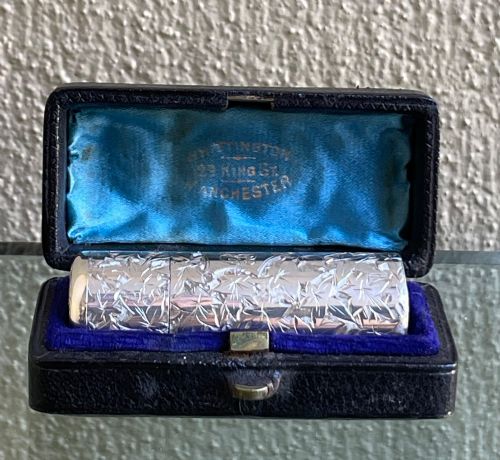
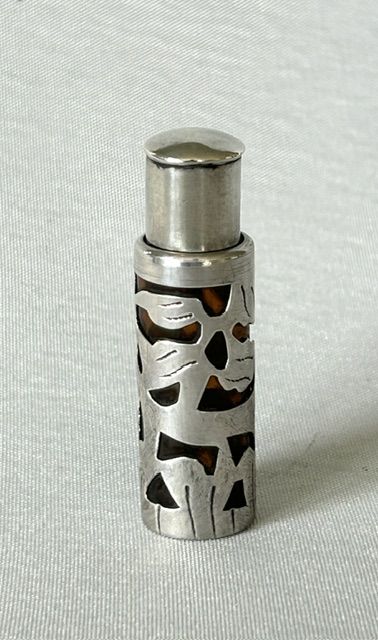
Origins stretch from English workshops to Birmingham factories, reflecting domestic dining traditions. Beyond standard wine service, forms adapt to hold perfume bottles, scent flagons, and torpedo soda bottles.
Materials and Construction
Makers utilised silver plate over copper, old Sheffield plate, and solid sterling silver, often pairing metalwork with turned wooden bases. Silver plated copper and solid silver give the bodies structural rigidity and a bright reflective finish.
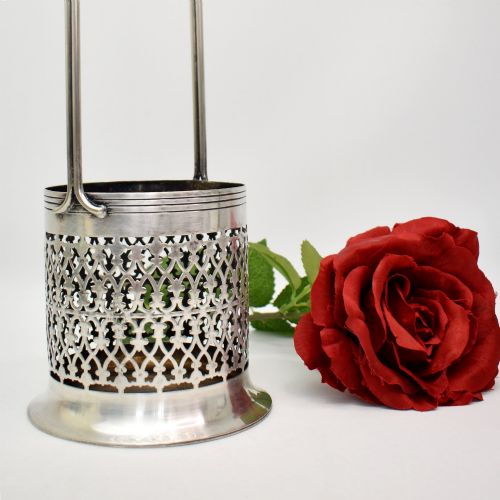
Construction techniques include piercing sheet metal into openwork patterns, casting heavier mounts, and turning wood to line the interior base. Solder joins handles, rims, and galleries to the main cylinder, while wooden inserts protect polished tabletops.
Listings feature items from the 19th Century, 1900, and 1920, fashioned in silver plate, copper, and wood.
Distinctions in Execution
Quality rests in the crispness of pierced gallery work, the weight of the metal base, and the structural integrity of the solder joints. Heavier solid silver or thick silver plate displays superior longevity compared to thinner plated alternatives.
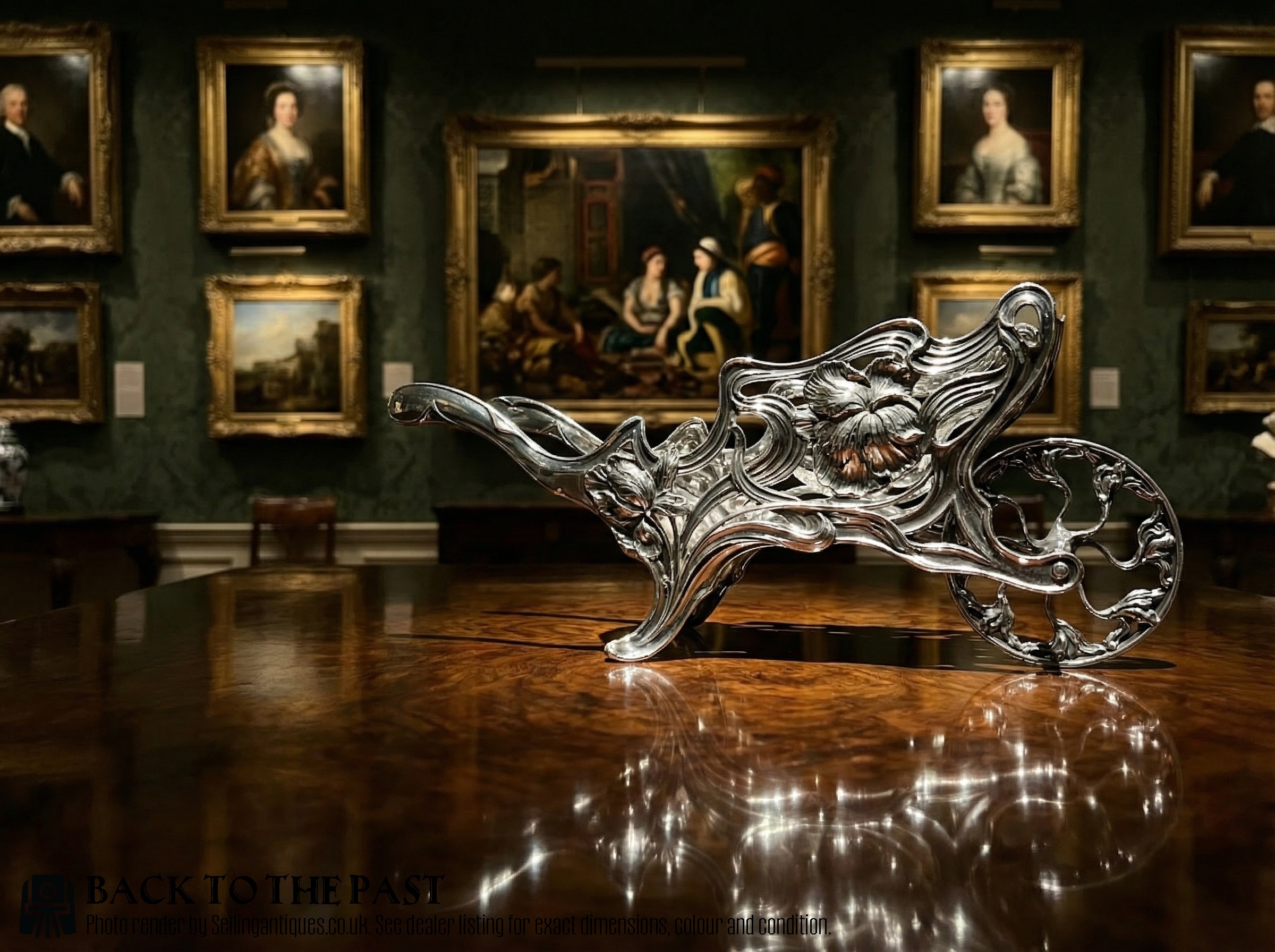
Design ambition separates standard vessels from exceptional examples, seen in organic Art Nouveau whiplash curves, novelty perfume forms, and multi-bottle wine wagons fitted with wheels.
Martin Hall & Co·George Bowen & Sons·Asprey & Co·Mappin & Webb·William Hutton·Barnards·Henry Wilkinson·Rupert Favell & Co·Robert Garrard·William Allen·Synyer & Beddoes
The Silver Bottle Holder Glossary
- Old Sheffield Plated
- A technique fusing a thin sheet of silver to a thicker copper core by heat and pressure. This method creates a durable material with characteristic warm undertones where the copper shows through wear.
- Syphon Stand
- A taller holder specifically sized to support heavy glass soda or mineral water syphons. These stands often feature sturdy handles for safe pouring at the table or bar.
- Pierced
- A decorative technique involving cutting open patterns through the metal wall. Pierced galleries reduce the weight of the holder while showcasing the glass bottle within.
- Wine Wagon
- A wheeled serving carriage designed to transport decanters across the dining table. These multi-bottle holders allow guests to pass port and wine smoothly.
- Wine Coaster
- A small, flat-bottomed tray designed to protect wooden tabletops from condensation rings. They frequently share materials and design motifs with taller bottle holders.
Frequently Asked Questions
What fits in a silver bottle holder?
These holders accommodate standard wine bottles, port decanters, champagne bottles, and soda syphons depending on the internal diameter. Smaller variations are tailored for scent and perfume bottles.
Measurements vary across individual pieces, so checking the internal aperture ensures a proper fit for specific modern or antique bottles.
How were bottle holders used originally?
During formal dining, servants or hosts used them to protect polished mahogany tables from spills and condensation rings. Bottle holders also allowed wine and port to be passed securely around the company.
Heavier multi-bottle carriers and wheeled wagons served larger gatherings, keeping several vintages close at hand during long meals.
How do I clean silver plate?
Maintenance requires gentle cleaning with a specialist silver cloth or mild polish to preserve the plating over copper. A soft cloth prevents abrasive damage to engraved or pierced details.
Wooden bases should be kept dry, using beeswax sparingly to nourish the grain without touching the surrounding metal.
How do I date an antique holder?
Dating relies on hallmarks stamped into the metal, stylistic cues, and manufacturing methods. Assay office marks and maker stamps provide precise years for solid silver pieces.
Silver plated items often show style markers such as Georgian neoclassical symmetry, Victorian heavy ornamentation, or Edwardian lightness.