
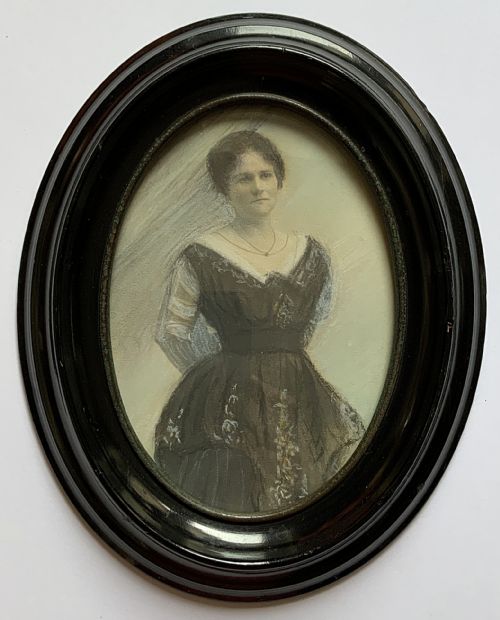


Edwardian Watercolour Portrait
These edwardian watercolour portrait pieces capture the quiet charm of the early twentieth century on delicate paper.
What They Are
An edwardian watercolour portrait captures individual likenesses through translucent washes of paint on paper. These works reflect the visual culture of the period spanning from the late nineteenth century into the early decades of the twentieth century.
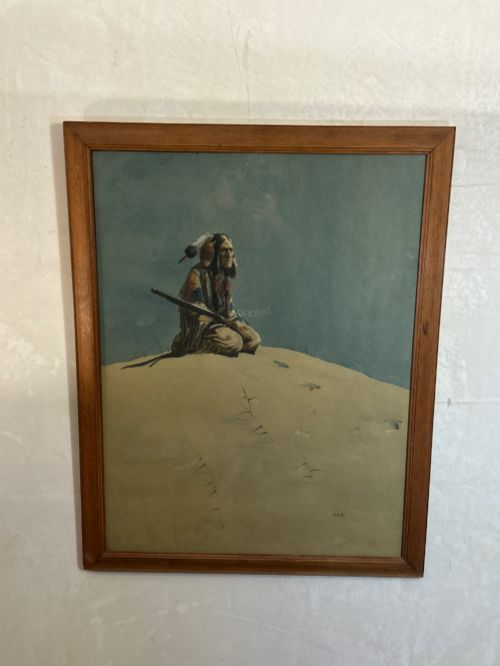
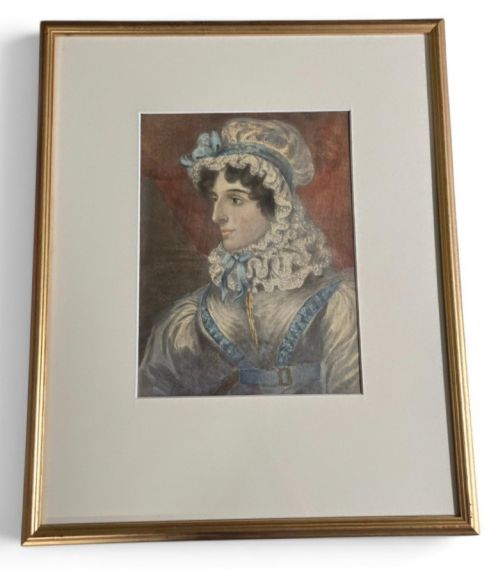
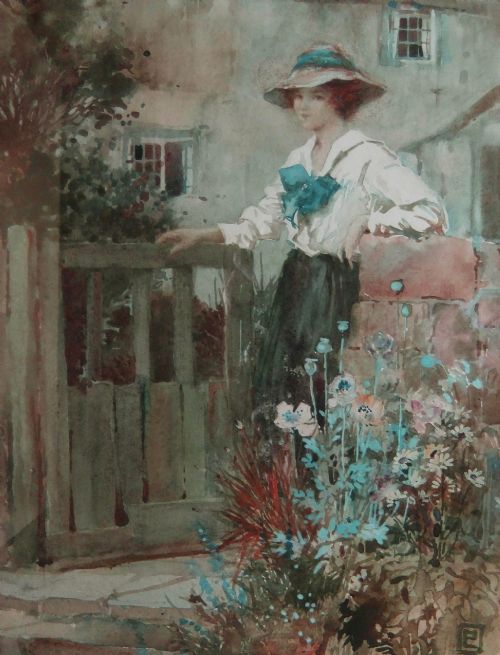
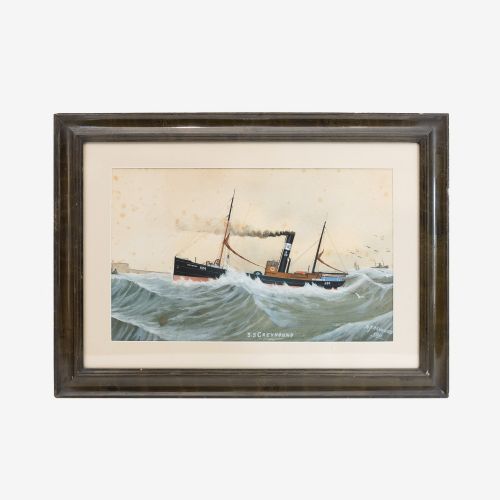
The subjects range from detailed studies of young girls in large hats to illustrative works and animal subjects. Framed examples often combine wood timber frames with glass protection to preserve the delicate painted surfaces.
Examples on this page draw upon British Impressionism and Edwardian illustration styles. The forms include framed artwork and wall art paintings created with watercolour paint and ink.
How They Were Made
Artists built these compositions using watercolour paint and ink upon paper grounds. The application of pigment relies on water-soluble binders that allow for subtle layering and transparent colour effects.
Finished works often incorporate gold leaf details to accent the painted imagery. Protective framing utilised wood timber mouldings and glass glazing to shield the fragile paper from environmental damage.
Retail Price Guide 2026
Typical UK retail prices for edwardian watercolour portrait, calculated from the Sellingantiques database of over a million retail prices indexed since 2003. This retail price guide relies exclusively on Sellingantiques data; no external sources or auction records are used, so the figures do not describe the wider market.
Listings feature works created between eighteen ninety and nineteen twenty, utilising paper, timber, glass, and gold leaf.
What Varies in Quality
The hierarchy of these works rests upon the surety of the brushwork and the expressive capture of the sitter. Skilled hands manage pigment transparency with precision, whereas lesser examples rely on heavy, flat applications of wash.
Preservation of the paper ground and the integrity of the watercolour pigments dictate the visual strength of the piece. Works that retain their original framing materials and clean paper surfaces demonstrate higher fidelity to their period origins.
John Hassall·Percy Lancaster·Richardson·Eveline Lance
The Edwardian Watercolour Portrait Glossary
- Watercolour
- A painting method in which the paints are made of pigments suspended in a water-based solution. This medium is prized for its luminous and translucent qualities.
- Edwardian
- Pertaining to the reign of King Edward VII and the broader stylistic era up to the First World War. This period produced distinct illustrative and painterly traditions.
- Gold Leaf
- Gold beaten into extremely thin sheets used for gilding and decoration. It provides bright metallic accents within framed works.
- British Impressionism
- An artistic movement influenced by French techniques that emphasised light and spontaneous brushwork. Practitioners captured fleeting atmospheric effects in paint.
Frequently Asked Questions
What is an edwardian watercolour portrait?
These works are original paintings on paper executed in water-soluble pigments during the early twentieth century. They preserve likenesses and illustrative scenes using traditional media.
They represent the artistic output of a distinct historical period spanning from the late nineteenth century to around nineteen twenty. Each piece reflects the aesthetic standards of British illustration and impressionism.
How should I frame a watercolour?
Watercolours require framing behind glass with acid-free mounts to prevent direct contact with the glazing. This setup protects the delicate paper and water-soluble pigments from moisture and light damage.
Traditional wood timber mouldings suit the period character of these works. Keeping the paper away from the glass ensures air circulation and long-term preservation.
How do I date these paintings?
Dating relies on visible artist signatures, period inscriptions, and stylistic markers characteristic of the early twentieth century. The paper stock and framing materials also offer clues to the age of the object.
Catalogues often reference specific years associated with the creation or exhibition of the artwork. Comparing the subject matter to documented works from the same era helps confirm the timeline.
Where were these portraits displayed?
Original watercolours from this era traditionally hung in domestic parlours and drawing rooms as personal domestic decoration. Framed artwork served to adorn wall spaces in middle-class and upper-class homes.
Unlike oil paintings on canvas, works on paper were frequently kept in portfolios or displayed away from direct sunlight. This controlled placement helped maintain the vibrancy of the watercolour washes over time.