


Edwardian Wall Mount
An Edwardian wall mount brings practical hanging and display space into a hallway or room using period timber and metal.
Edwardian Wall Mount
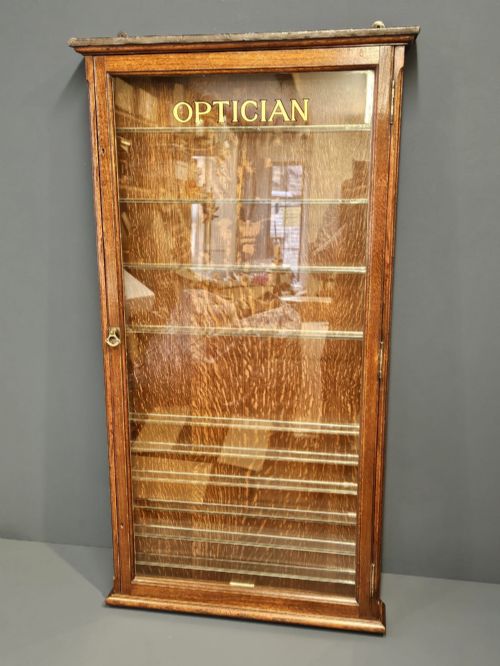
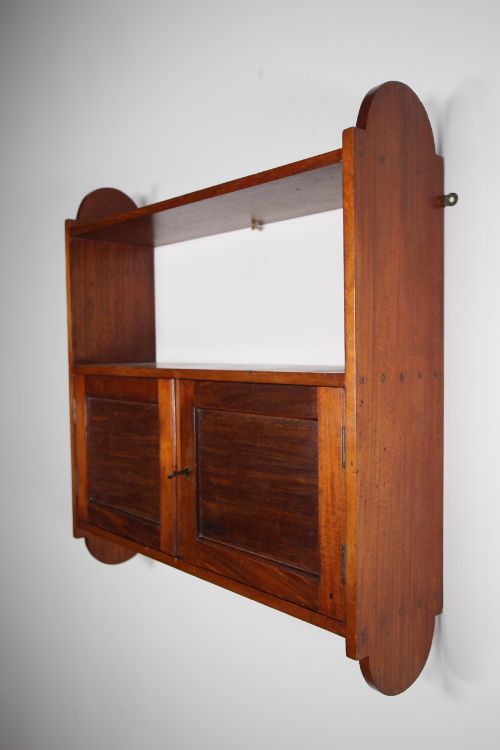
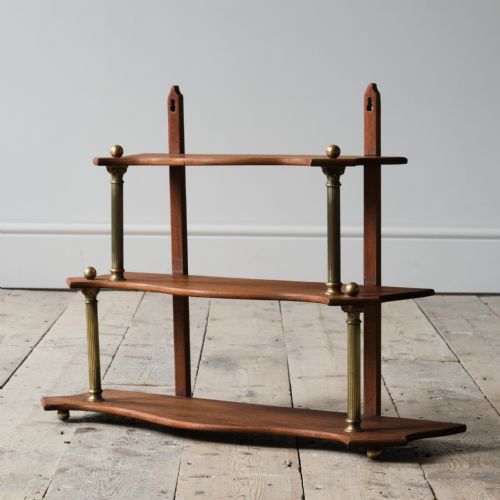
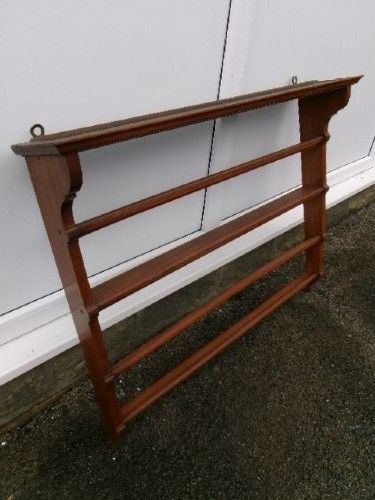
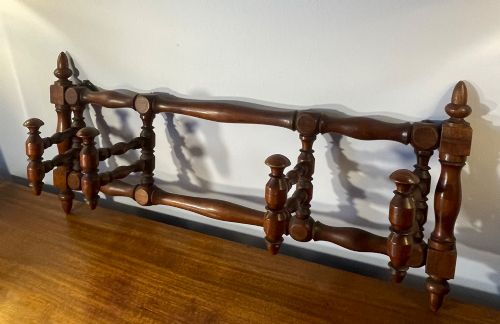
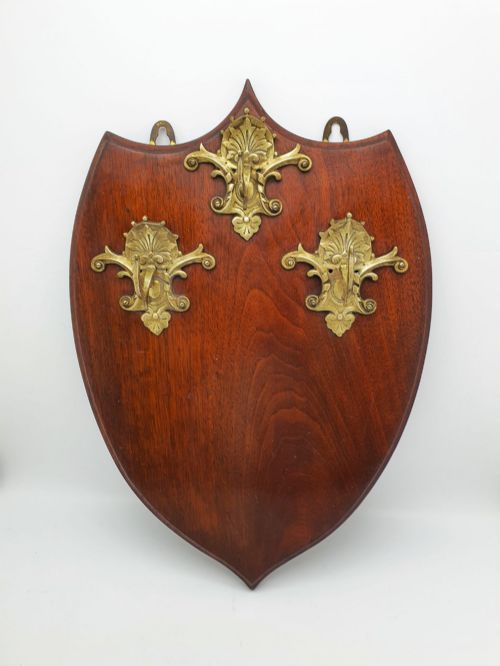
When searching for an edwardian wall mount, a buyer encounters practical items designed to fix directly onto domestic surfaces to save floor space. The selections span coat racks with brass hooks, hanging wall cabinets, and timber display shelves.
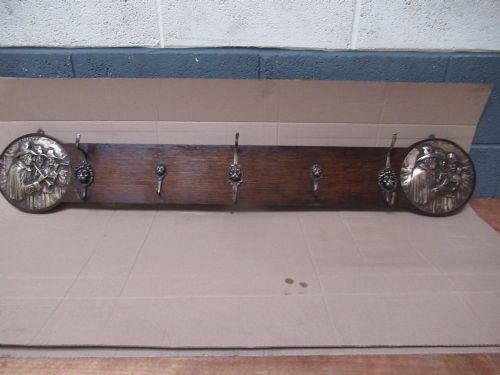
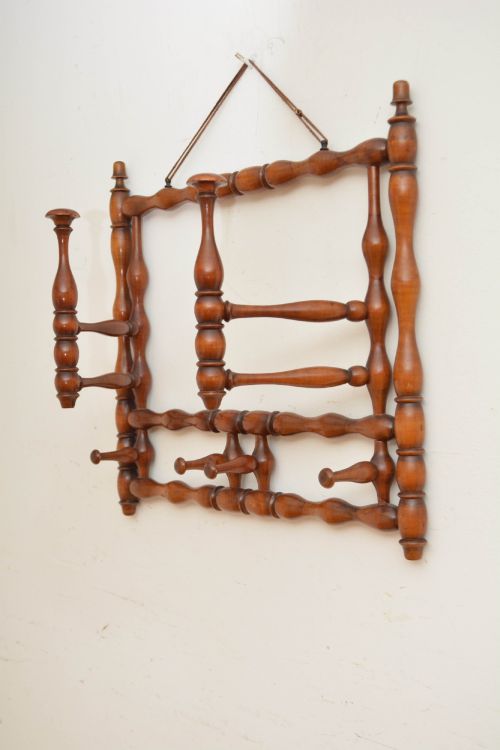
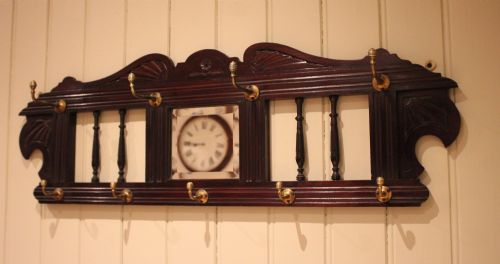
The version most commonly met on this page is the wooden coat rack fitted with metal hooks, often rendered in oak or mahogany. These pieces date primarily from the early twentieth century and the surrounding decades.
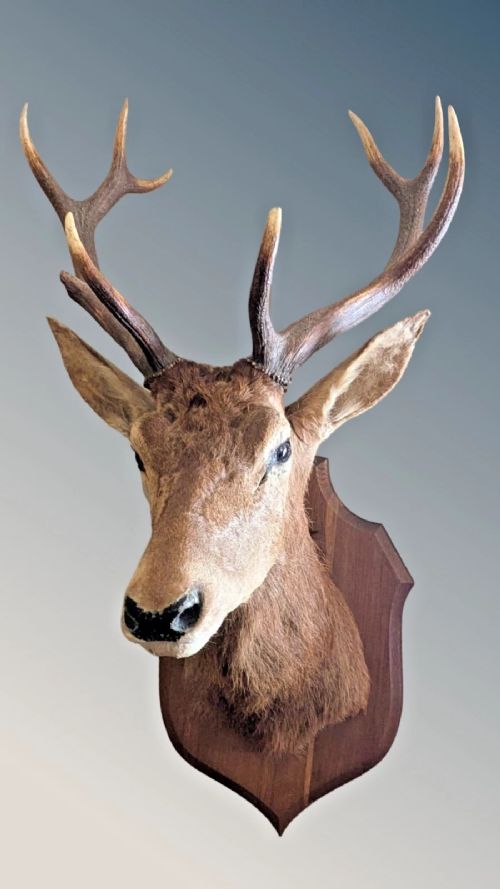
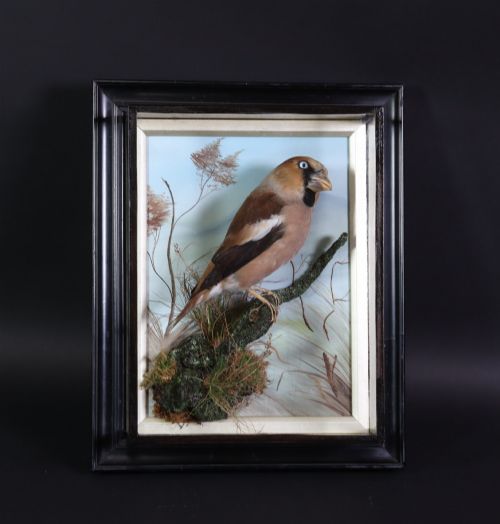
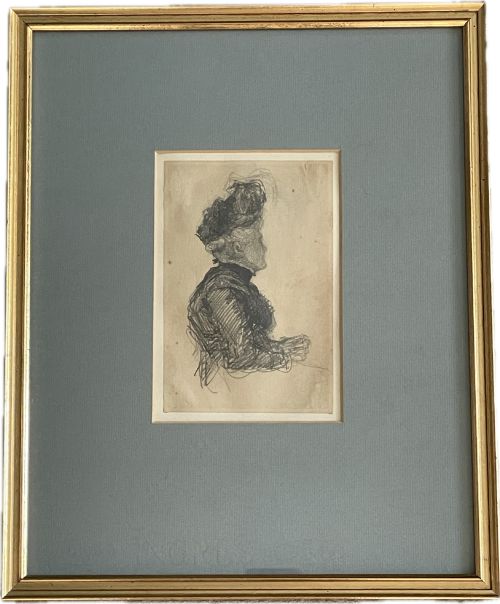
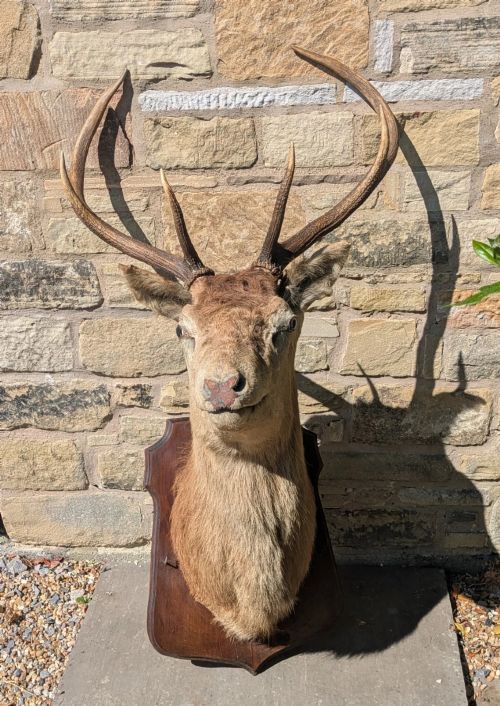
Alongside utility fixtures, the selection encompasses decorative items including framed prints, barometers, and taxidermy mounts. Each piece serves a specific functional or display purpose within a domestic interior.
Materials and construction
Makers utilised solid timbers such as oak, mahogany, and walnut to build the foundational structures of these wall fixtures. These woods were chosen for their durability and grain, frequently complemented by brass, cast iron, and glass hardware.
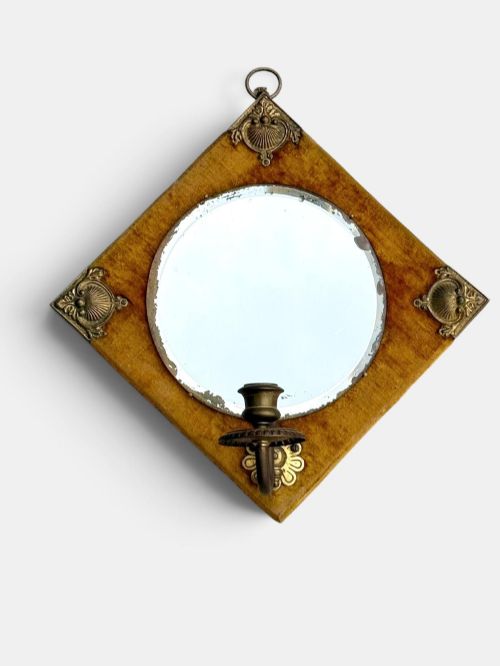
Surface ornamentation involved simple inlays, bevelled mirror glass, and turned wooden components. Metal elements like coat hooks and cabinet mounts were cast or forged and securely fastened to the wooden backplates.
Edwardian Wall Mount Retail Price Guide 2026
Typical asking prices for edwardian wall mount among the pieces listed under this phrase on Sellingantiques today, from the lower quarter to the upper quarter. They describe what is for sale here now, not the wider market.
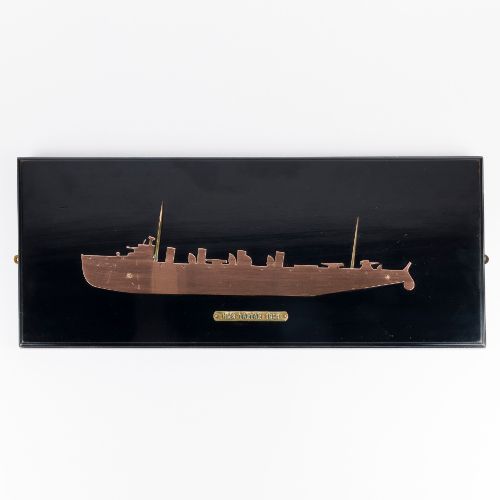
Several listings feature illustrated tales of Japanese fairies alongside mounted animal heads and pawnbrokers' trade signs.
Assessing quality and finish
Quality rests in the selection of timber and the integrity of the joinery rather than surface decoration alone. Solid oak and mahogany structures with substantial brass fittings outlast veneered alternatives.
The integration of hardware defines the standard of the piece, visible in securely seated screws and well-preserved metal patination. Original components indicate a higher grade of manufacture than later replacements.
Heals·Peter Spicer & Sons·Warwick Goble·Louis Wain
The Edwardian Wall Mount Glossary
- Wall mount
- Any fixture designed to be secured directly to a vertical surface rather than resting on the floor. This category includes shelves, cabinets, racks, and mirrors.
- Arts and Crafts
- A design style prioritising traditional craftsmanship, visible grain, and simple utility over excessive ornamentation. It appears frequently in oak shelving and clock designs from the period.
- Taxidermy mount
- The preserved skin and form of an animal or bird prepared for wall display. Examples include stag heads and mammal masks.
- Backplate
- The flat wooden board that supports attached hooks, shelves, or mirrors and anchors the entire assembly to the wall. It distributes the weight across fixing points.
Edwardian Wall Mount: Frequently Asked Questions
How do I hang an antique coat rack safely?
Fix the backplate directly into wall studs or use appropriate heavy-duty cavity anchors to support the weight of garments.
Ensure the screws match the original countersunk holes in the brass or timber mounts to prevent splitting the wood.
What rooms suit an edwardian wall cabinet?
These small cabinets suit hallways, kitchens, or bathrooms where floor space is limited and compact storage is required.
Opticians and linen cabinets offer shallow shelving ideal for organising small personal items or glassware.
How do I distinguish Edwardian timber from Victorian?
Edwardian items often feature lighter golden oak or mahogany finishes with simpler, airier lines compared to heavier, darker Victorian counterparts.
The Arts and Crafts influence in the early twentieth century also introduced honest construction with exposed joints and hammered brass.
Can these wall shelves hold heavy books?
Most wall hanging shelves and racks are designed for light display, such as magazines, plates, or small ornaments.
Check the depth of the ledges and the strength of the side brackets before placing dense objects like hardback books on them.