


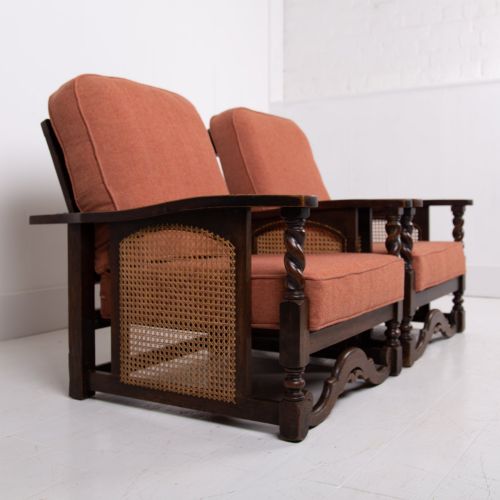
Edwardian Upholstered Seat
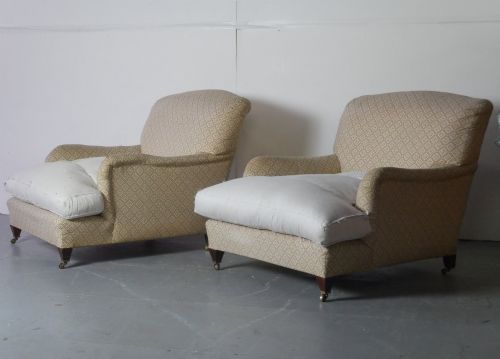
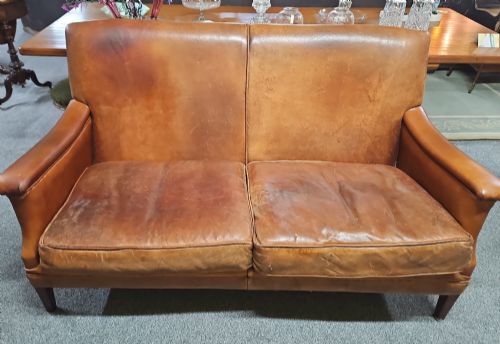
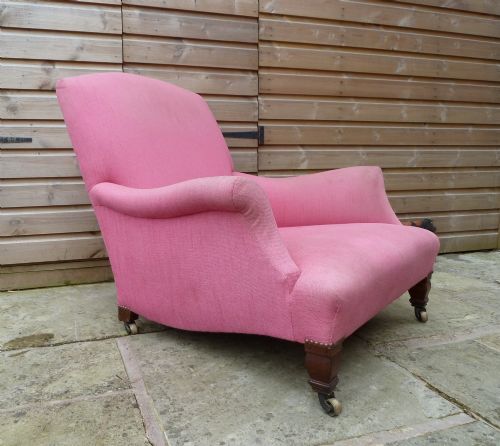
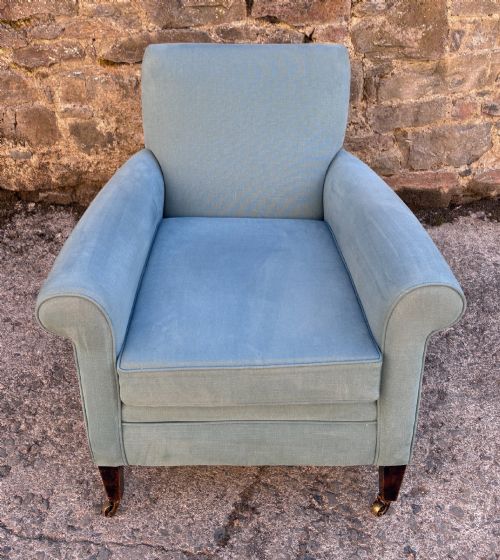
When you search for an edwardian upholstered seat, you are looking at practical and decorative furniture ranging from deep-seated armchairs to slender window benches.
Edwardian Upholstered Seat
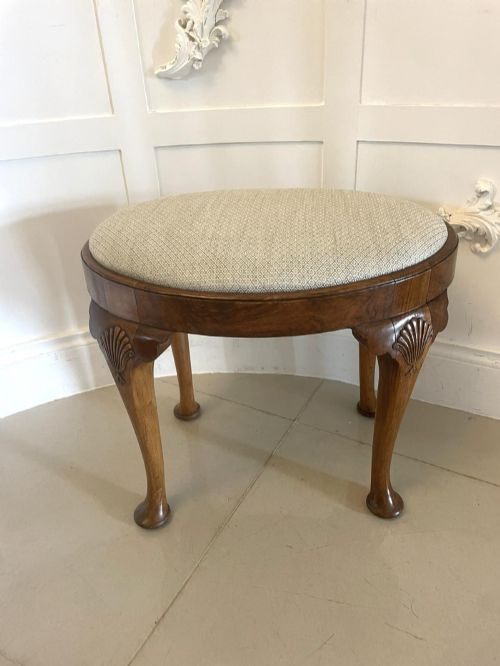
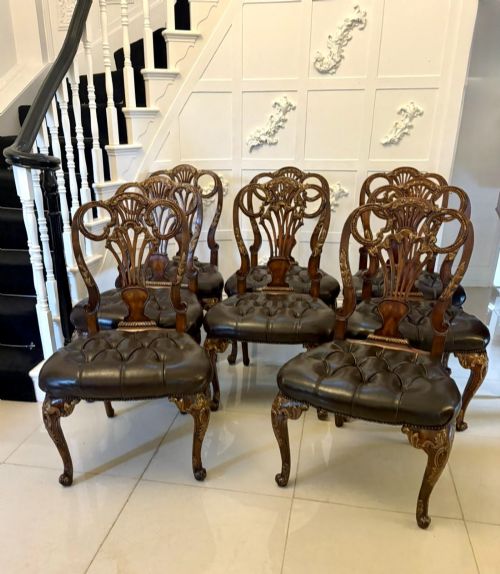
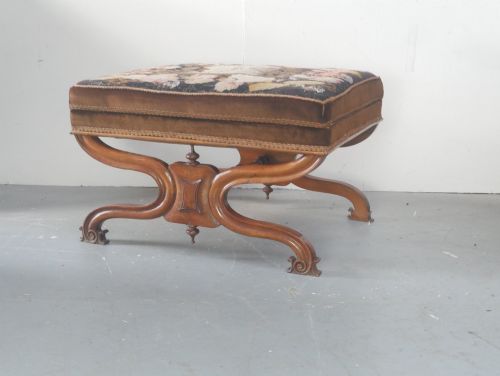
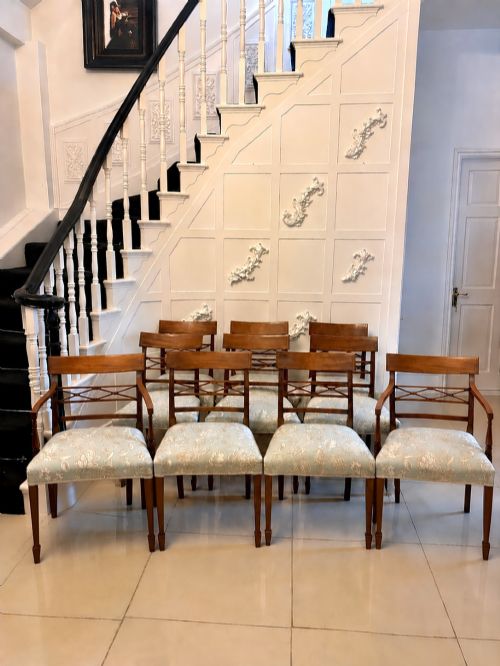
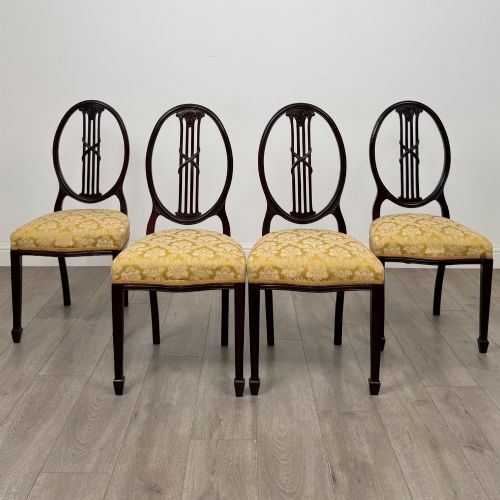
When searching for an edwardian upholstered seat, buyers encounter a diverse selection of furniture forms including armchairs, small sofas, stools, and dining chairs originating mainly from the early twentieth century. These pieces reflect both the formal tastes of the period and the comfortable inclinations of country house styling.
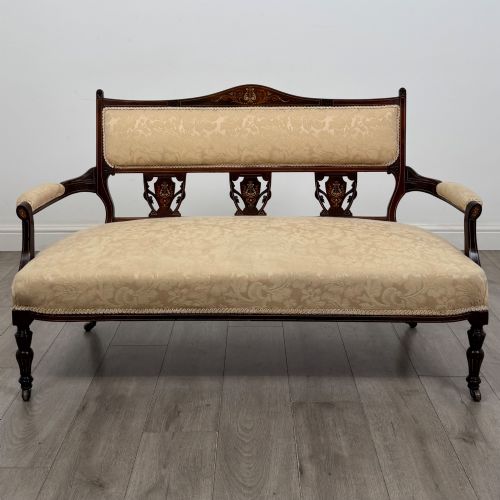
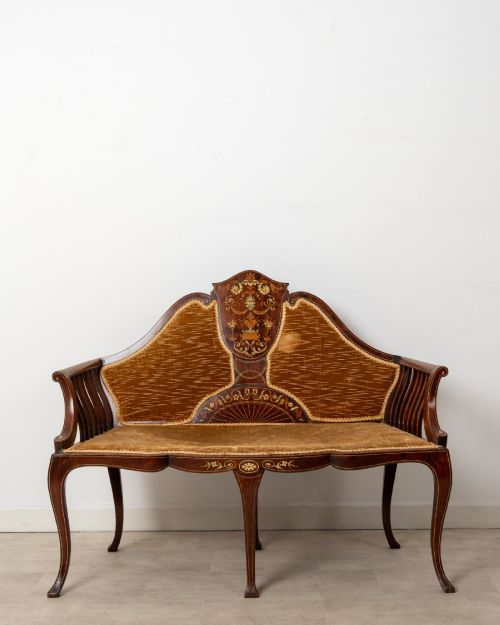
The most common items found in this category are mahogany framed parlour chairs, piano stools with hinged or adjustable tops, and low cottage settees. Many feature decorative inlay or carved woodwork typical of the era, combining functional seating with polished decorative presence.
Makers and designers of the period often drew inspiration from earlier Georgian and Sheraton styles, resulting in refined silhouettes that integrate easily into contemporary interiors. Whether selecting a compact window bench or a deep-seated lounge chair, buyers are choosing versatile seating grounded in historical design.
How They Were Made
The framing of these pieces relies predominantly on dense timbers like mahogany, walnut, and oak, often shaped through traditional joinery and reinforced with corner blocks. Inlaid details utilise contrasting woods such as satinwood, while other examples employ turned or carved wooden supports.
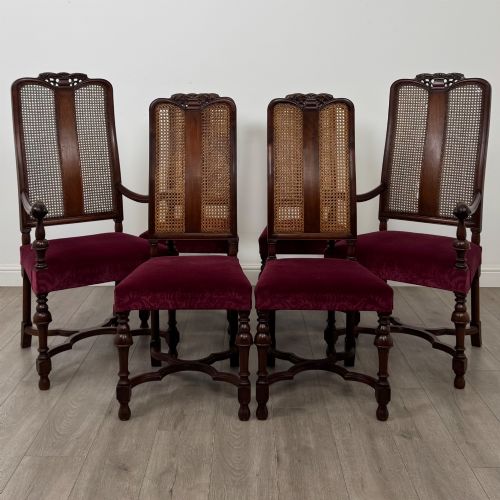
Upholstery techniques of the era involve supportive internal webbing and coil springing covered with layered padding, finished in materials ranging from patterned velvet and woven cotton to leather. Caning is also utilised on select bergere frames for a lighter decorative texture.
Music lovers can track down piano benches equipped with hidden compartments designed to swallow up unruly piles of sheet music.
What Varies in Quality
The distinction between standard production items and superior pieces often lies in the crispness of the woodwork carving, the complexity of any marquetry inlay, and the weight of the timber frame. Finer examples display meticulous attention to structural joints and balanced proportions.
Quality is further demonstrated by the integrity of the internal upholstery build and the choice of covering fabric, where professional hand-stitched finishing maintains the intended shape and comfort of the seat over decades of use.
Charles Tozer·Maple and Co·Whytock and Reid·Hampton and Sons·SF Cullen
The Edwardian Upholstered Seat Glossary
- Bergere
- An enclosed armchair with cane webbing panels on the back and sides. This French-inspired form provides a lighter visual weight than fully upholstered frames.
- Inlay
- A decorative technique where contrasting pieces of wood or other materials are inserted into recesses in the primary surface. It frequently defines Edwardian cabinetwork and seating frames.
- Duet Piano Stool
- An extended seating bench designed for two players, often featuring a lift-up lid for sheet music storage. They are constructed in matching hardwoods to accompany period keyboard instruments.
- Serpentine Seat
- A front seat rail curved outward in the centre and inward at the sides. This contour softens the geometric lines of dining and salon chairs.
- Camel Back
- A sofa or settee backrest featuring a gentle, sweeping convex curve resembling a camel's hump. It is a classic silhouette repeated across various revival styles.
Edwardian Upholstered Seat: Frequently Asked Questions
How do I clean an antique upholstered seat?
Surface dust can be removed using a soft brush attachment on a vacuum cleaner, taking care around aged fabric and fragile trim. Professional cleaning is recommended for deeper textile restoration to protect historic internal stuffing.
Wooden frames benefit from occasional dusting with a dry cloth and sparing application of appropriate wax polish. Avoid using harsh chemical sprays that might degrade the timber finish or surrounding fabric.
Are these seats suitable for daily use?
Many Edwardian chairs and settees remain robust enough for everyday seating when their frames and internal webbing are sound. Deep-seated armchairs and sturdy dining chairs are particularly adaptable to modern living spaces.
Pieces with delicate inlay or antique silk textiles require a more gentle approach and are best placed in low-traffic rooms. Assessing the internal support helps determine whether a piece can handle regular sitting.
Can I reupholster an Edwardian seat?
Reupholstering is a common practice that breathes new life into worn frames while preserving the underlying structure. Traditional materials and methods are often retained to maintain the correct profile and sitting height.
Choosing appropriate historic or complementary modern fabrics ensures the finished piece respects its original Edwardian character. Skilled upholsterers can also repair minor joint looseness while updating the cover.
What defines Edwardian furniture style?
Edwardian design bridges late Victorian heaviness and the cleaner lines of the twentieth century, often incorporating lighter woods and neoclassical revival motifs. Furniture from this era balances formal elegance with an increasing demand for domestic comfort.
Inlay work, Sheraton revival influences, and satinwood banding frequently appear alongside deep-sprung lounge seating. This eclectic mix allows the pieces to blend easily into traditional and contemporary interiors alike.