



Edwardian Two Seat Settee
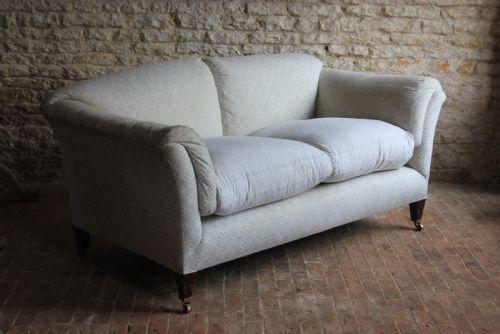
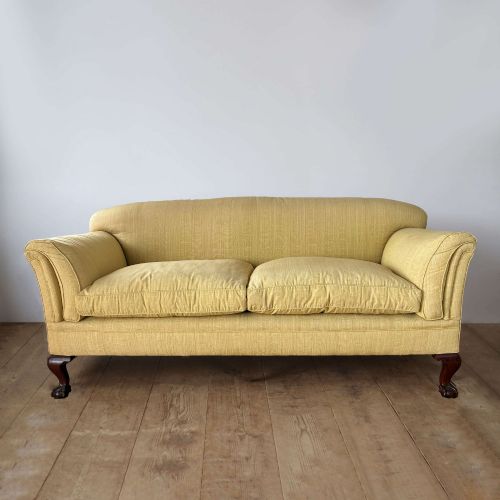
When you want an edwardian two seat settee, you are looking for compact, light-scaled seating built for the drawing rooms and parlours of the early twentieth century.
Edwardian Two Seat Settee
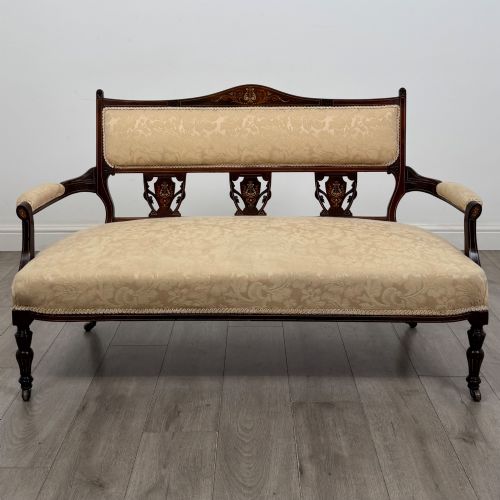
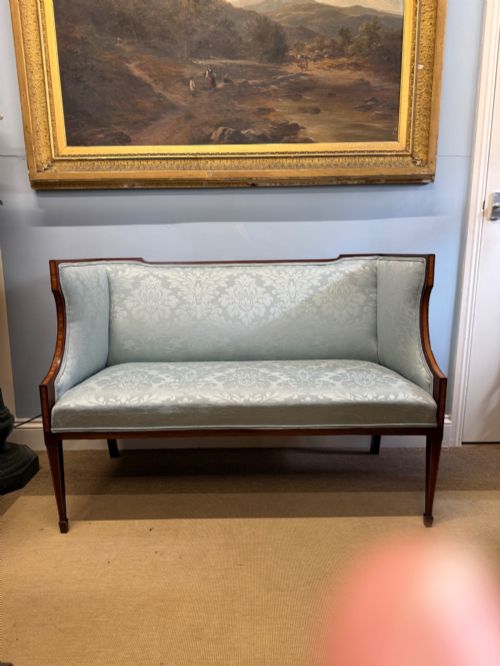
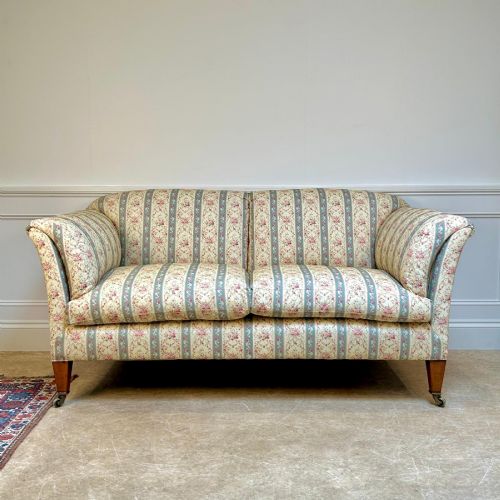
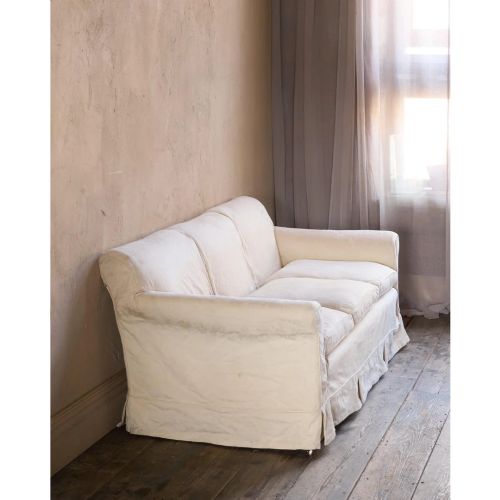
An edwardian two seat settee is a compact upholstered seat designed for lighter, more versatile drawing room use than bulky Victorian furniture. These pieces reflect a shift towards slender proportions and decorative refinement around the turn of the twentieth century.
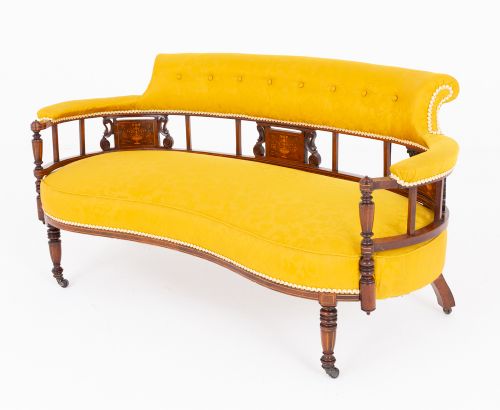
You will most frequently find mahogany frames finished with satinwood inlay, along with rosewood and walnut variants. Many examples lean on classical revival styles, incorporating delicate lines, tapered legs and upholstered backs tailored for salon spaces.
How they were made
Makers built these frames using solid timber, predominantly mahogany and walnut, often applying contrasting veneers and satinwood stringing. Inlaid details utilised fine marquetry to create floral or geometric motifs along the crest rails and front aprons.
Upholstery methods involved traditional stuffing and springing secured to webbing, finished with tight fabric covers or loose cushions. Canework also appeared on lighter salon chairs and couches from this period.
Listings feature mahogany, walnut, satinwood, and rosewood frames paired with fabric, velvet, brass, and cane.
What varies in quality
The standard of an edwardian two seat settee depends largely on the crispness of its timber carving and the precision of its inlaid marquetry. Finer examples display meticulous hand-cut veneers and dense, durable framing timbers rather than simple surface decoration.
Proportion and structural integrity distinguish superior output from standard commercial pieces of the era. Well-balanced frames with tight joinery maintain their poise and comfort over decades of use.
Howard and Sons
The Edwardian Two Seat Settee Glossary
- Satinwood inlay
- A decorative technique using contrasting light-coloured wood inserted into recesses within a darker primary timber.
- Marquetry
- Elaborate veneer patterns arranged in pictorial or decorative designs across the wooden frame.
- Bergere
- A French-style upholstered armchair or sofa featuring enclosed wooden sides filled with cane webbing.
- Camak back
- A gently curved sofa back profile that resembles the natural humped curve of a camel's back.
- Drop-arm
- A movable sofa arm mechanism that can be lowered horizontally to create a daybed configuration.
Edwardian Two Seat Settee: Frequently Asked Questions
Where should I place a settee?
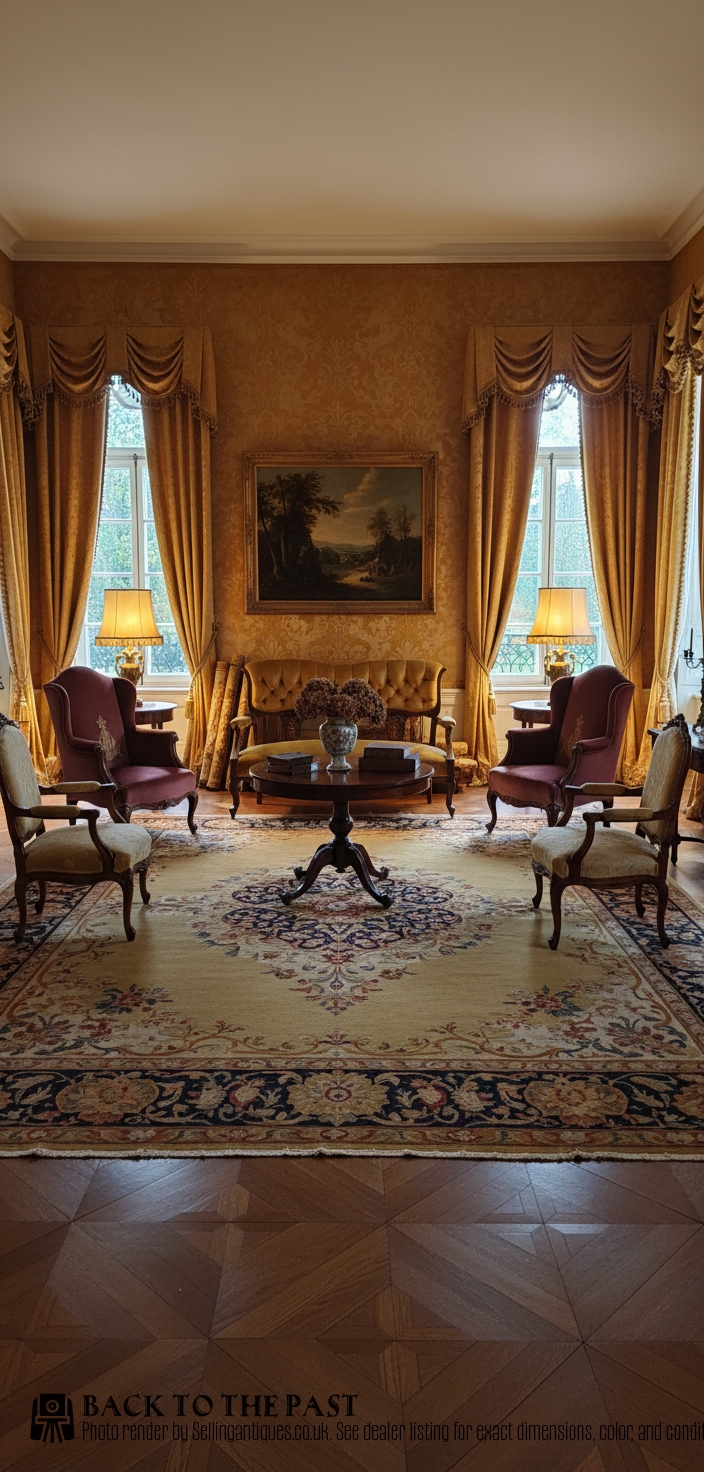
These compact seats fit easily into reception rooms, hallways or large bedrooms where a full-sized sofa would overwhelm the floor plan. Their lighter frames make them straightforward to reposition against a wall or beneath a window.
In period settings, they complement window seats and low tables without blocking natural light sources.
Can I use modern fabric for re-upholstery?
Modern textiles work well on these frames provided the weight and pattern suit the slender proportions of the woodwork. Choosing a fabric with appropriate durability ensures the piece handles regular daily sitting.
Traditional patterns such as damasks or simple linens often respect the original aesthetic of the furniture.
How do I care for inlaid wood?
Keep wooden surfaces away from direct sunlight and steady heat sources to prevent the veneers and satinwood inlay from drying out or lifting. Regular dusting with a soft, dry cloth preserves the polished finish.
Applying a quality furniture wax occasionally helps maintain the moisture and lustre of the timber.
Are these settees comfortable for daily use?
Most models feature sprung seats and padded backs designed for upright parlour sitting rather than deep lounging. Deep-seated country house variants offer a more relaxed sit compared to formal salon pieces.
Checking the internal webbing and padding helps determine the actual support level of each individual seat.