



Edwardian Two Over Three
Edwardian two over three chests of drawers combine generous storage with refined proportions, offering a practical centrepiece for any bedroom.
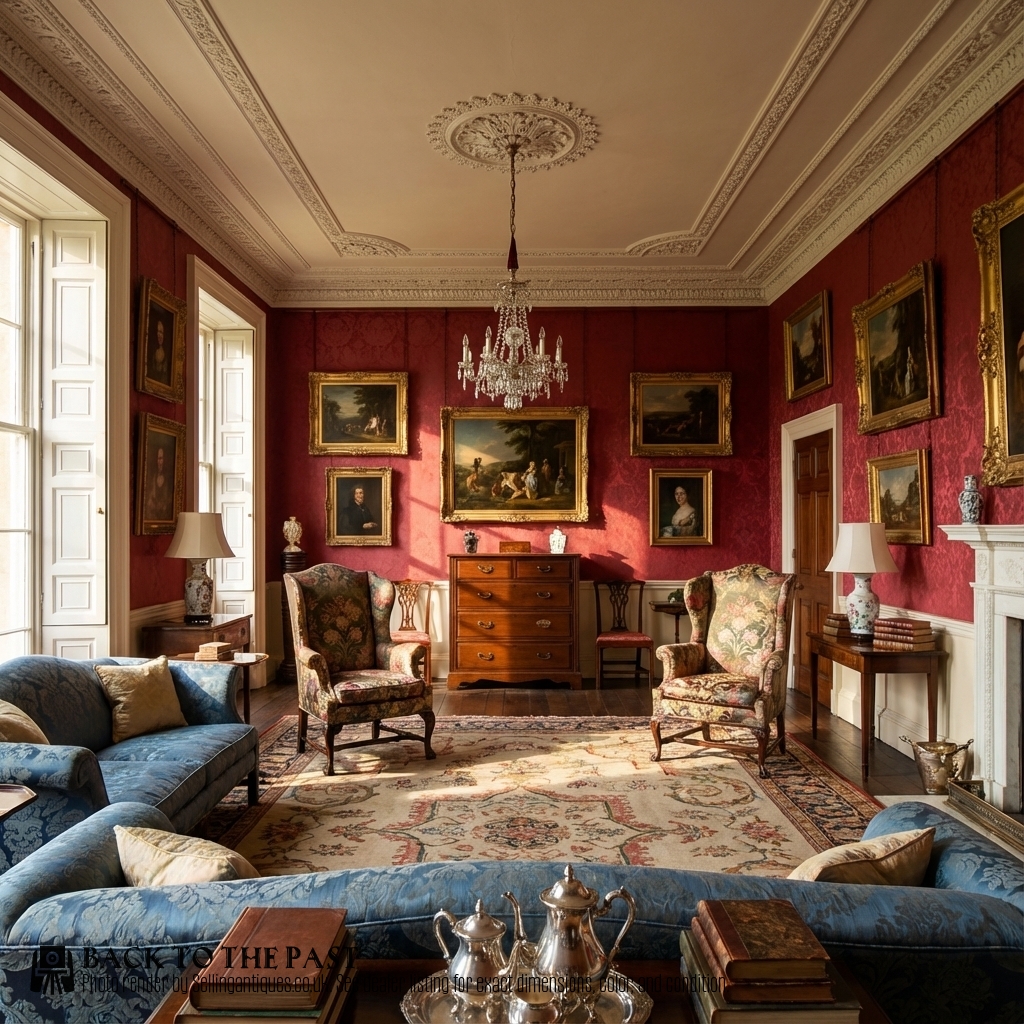
Edwardian Two Over Three
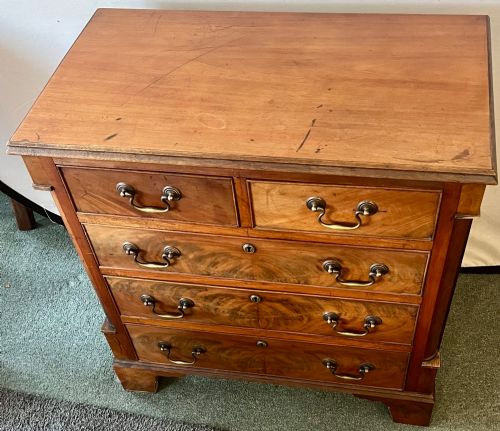
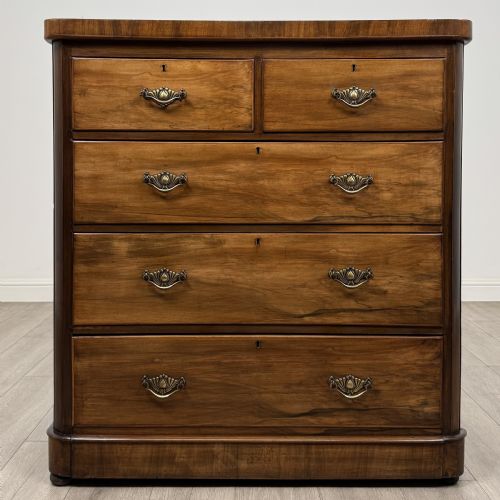
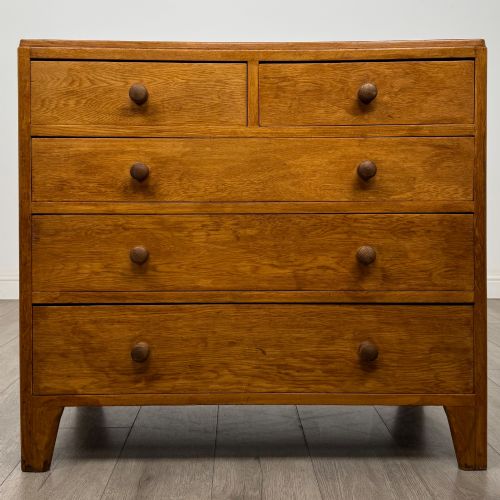
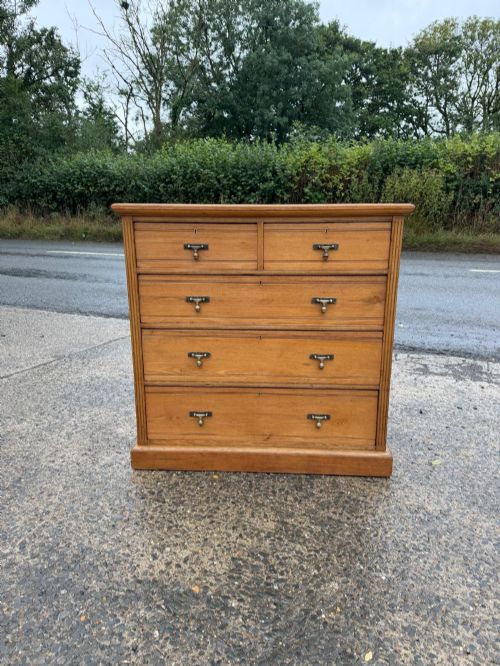
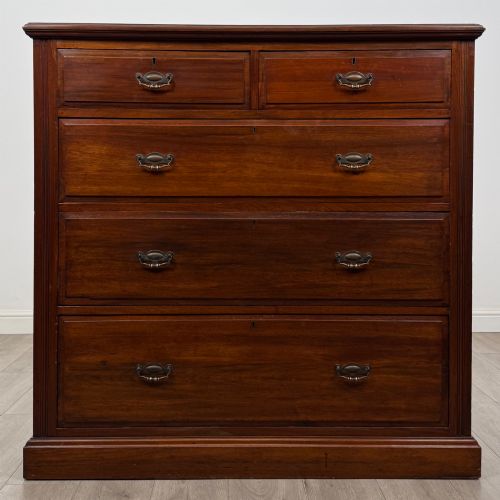
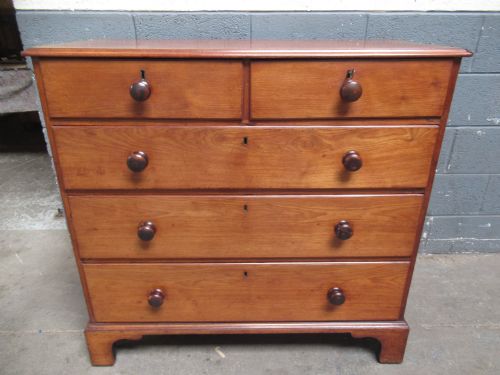
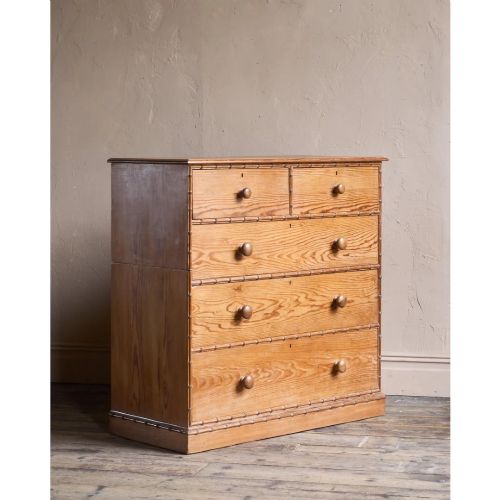
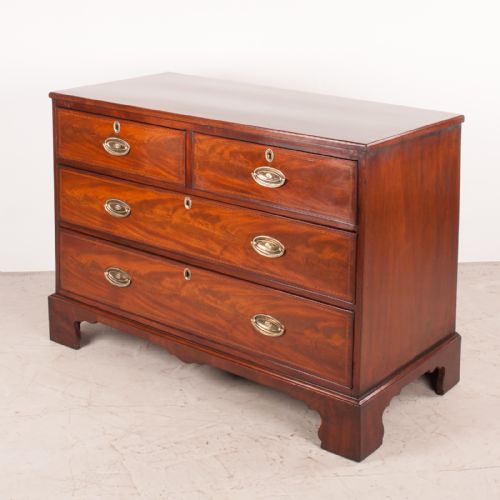
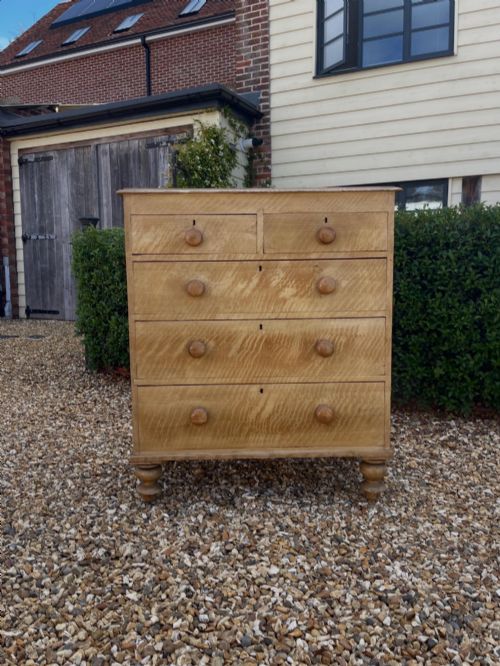
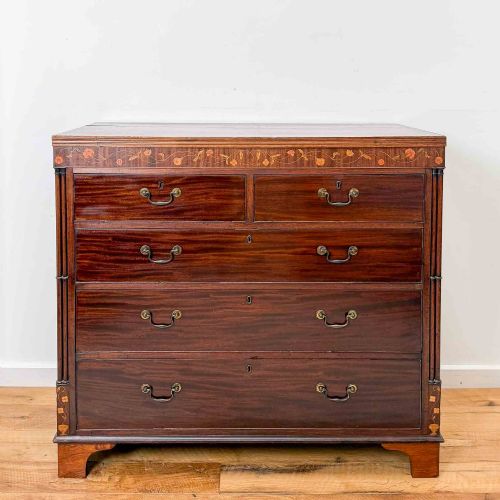
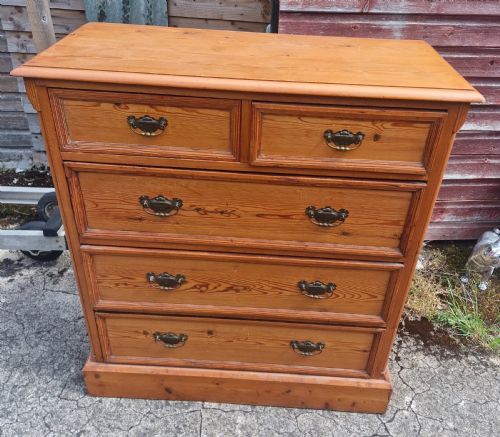
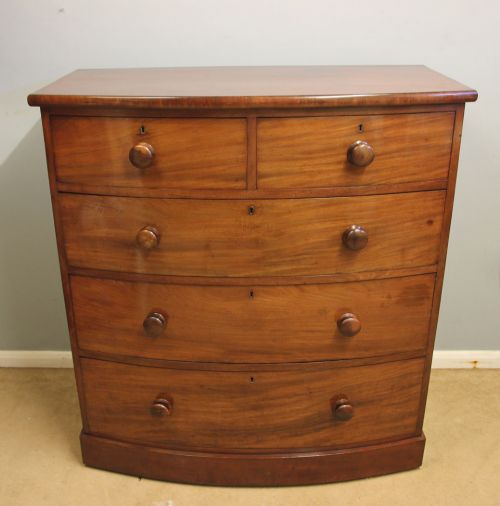
An Edwardian two over three chest of drawers arranges two smaller drawers above three longer ones, creating a balanced and orderly facade. This layout provides versatile storage for smaller items up top and bulkier garments below.
While the search targets the Edwardian era, the evidence shows these pieces appear across Victorian, nineteenth-century, and eighteenth-century periods. Mahogany, satinwood, and pine form the core materials found in these chests of drawers.
Buyers will encounter various styles ranging from classic Edwardian and Victorian country to Arts and Crafts designs. The typical configuration remains a sturdy chest of drawers suited to daily domestic use.
What Varies in Quality
The choice of primary timber and secondary woods establishes the foundational grade of each chest of drawers. Finely figured mahogany or satinwood sits at a different level from utilitarian pine.
The precision of the wood inlay and the crispness of the boxwood details reveal the hand of a skilled maker. Original hardware and undisturbed surface finishes elevate the integrity of the piece.
Listings feature mahogany, pine, satinwood, and ash alongside brass hardware and wood inlay.
Howard and Sons·Harris Lebus·Morison and Co
The Edwardian Two Over Three Glossary
- Edwardian
- A period spanning from roughly 1901 to 1910, known for lighter, often more refined furniture designs than the preceding Victorian era.
- Mahogany
- A durable, reddish-brown tropical hardwood favoured by cabinet makers for its rich grain and stability.
- Satinwood
- A lustrous, yellowish timber often used for veneers and decorative inlay work on high-grade furniture.
- Inlay
- A technique where pieces of contrasting wood or boxwood are inserted into depressions in the base wood to create decorative patterns.
Edwardian Two Over Three: Frequently Asked Questions
How do I date an Edwardian chest?
Edwardian pieces typically date from the first decade of the twentieth century, displaying lighter timbers and more restrained decoration than Victorian furniture.
Examining the construction methods and secondary woods inside the drawers helps confirm the period.
Are these chests made of solid wood?
Many examples utilise solid timbers such as mahogany, pine, or ash, while others incorporate wood veneers over a secondary wood carcase.
Both solid construction and veneered surfaces were standard practices among period cabinet makers.
Where should I place this chest?
These chests work well in bedrooms as primary storage or in hallways where surface space and drawer capacity are both useful.
The balanced proportions of a two over three layout suit both traditional and contemporary interiors.