





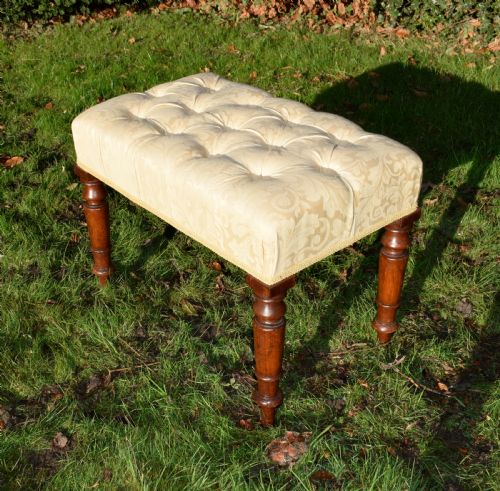

Edwardian Turned Leg Bench
These edwardian turned leg bench pieces offer solid seating and footrests rooted in turn-of-the-century craftsmanship.
Edwardian Turned Leg Bench
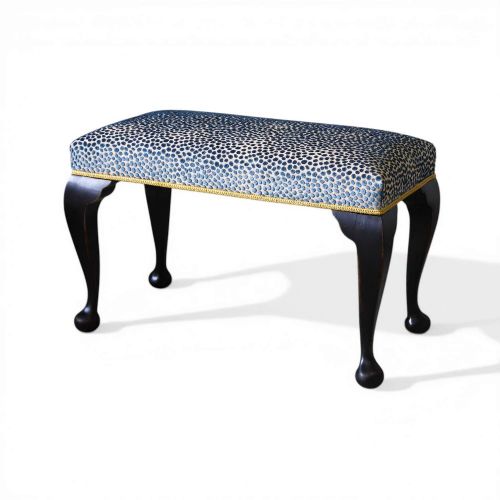
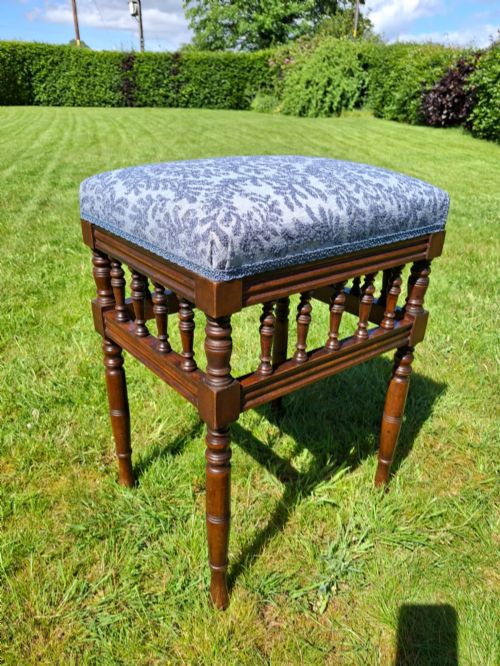
When searching for an edwardian turned leg bench, buyers encounter a variety of low seating forms including footstools, window seats, and piano stools. These items span periods from the nineteenth century into the early twentieth, drawing on Edwardian Country and Victorian styles.
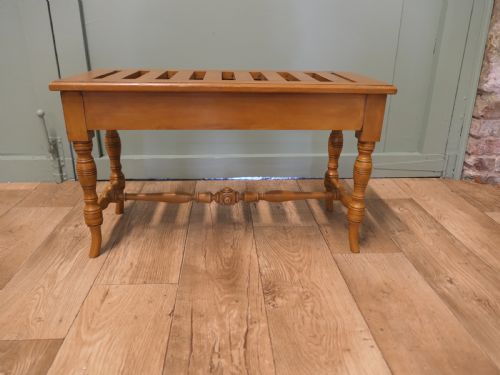
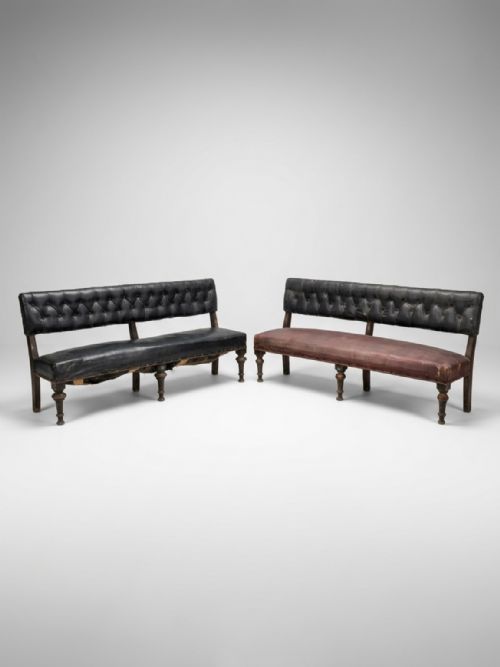
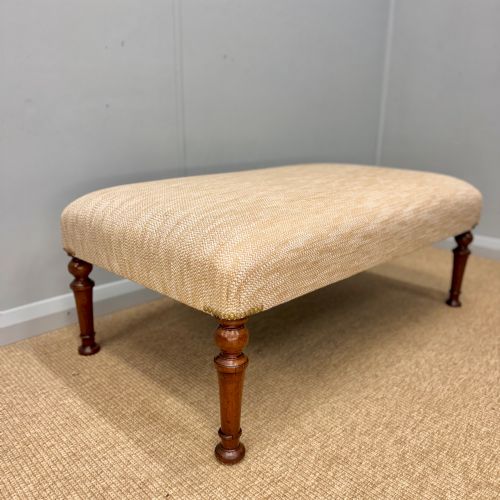
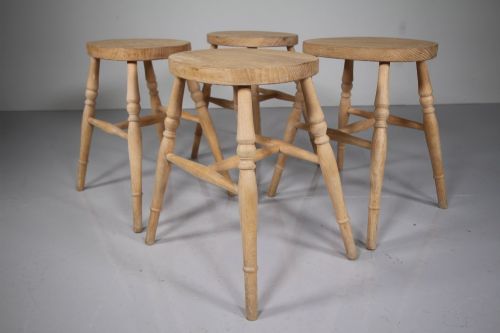
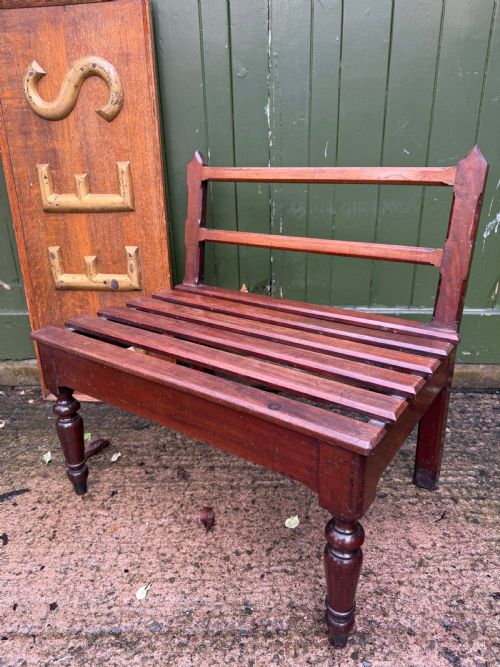
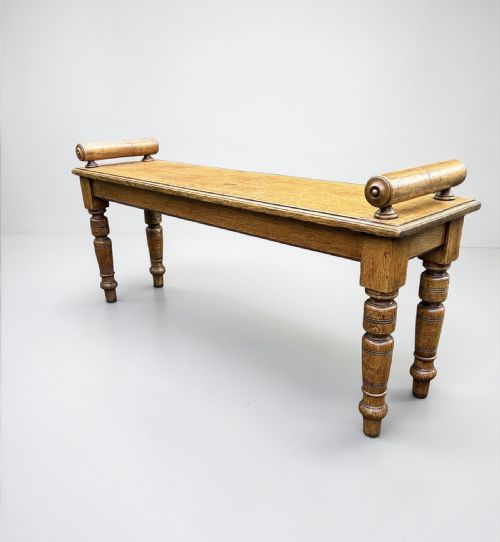
The pieces on this page range from long upholstered footstools to oak hall benches and mahogany luggage stands. Turned legs provide the defining structural support across these variations, creating sturdy frames designed for practical daily use.
Materials and construction methods
Construction relies heavily on timbers such as mahogany, oak, walnut, and ebonised wood, sometimes shaped with carved or turned wooden legs. Brass castors appear on several examples to aid movement across floor surfaces.
Edwardian Turned Leg Bench Retail Price Guide 2026
Typical asking prices for edwardian turned leg bench among the pieces listed under this phrase on Sellingantiques today, from the lower quarter to the upper quarter. They describe what is for sale here now, not the wider market.
Listings feature timbers including mahogany, oak, walnut, and satinwood across Victorian and Edwardian periods.
Distinctions in quality
Quality rests upon the selection of timber and the precision of the woodturning on the legs. Superior pieces display crisp detailing in the woodwork and robust joinery that withstands heavy weight.
The standard of upholstery and the integrity of secondary materials like brass hardware or cane work further differentiate standard utilitarian items from finer domestic furnishings.
The Edwardian Turned Leg Bench Glossary
- Turned leg
- A structural support shaped on a lathe to create cylindrical, bobbin, or spiral profiles. This method gives stability and decorative form to the piece.
- Window seat
- A long, low bench traditionally placed beneath a window for seating. These often feature upholstered tops or carved wooden frames.
- Luggage stand
- A low support frame with deep proportions, built to hold baggage in a hallway or bedroom. They frequently incorporate raised rear upstands.
- Ebonised wood
- Timber treated with a dark stain or finish to imitate ebony. This technique was popular for achieving a formal, dark surface appearance.
- Castor
- A small wheel attached to the base of a leg to allow smooth rolling across floors. They are commonly fashioned from brass on nineteenth-century seating.
Edwardian Turned Leg Bench: Frequently Asked Questions
Where should I place a window seat?
Window seats suit entryways, hallways, or beneath low windows where they provide accessible seating without blocking light.
Their compact proportions also make them useful at the foot of a bed or beside a living room wall.
How do I care for upholstered stool frames?
Keep wooden frames dusted and treat timber surfaces with appropriate wax or polish to maintain the finish.
Vacuum fabric upholstery gently and avoid placing items in direct sunlight to protect textile colours.
What is the difference between a footstool and a bench?
Footstools generally sit lower to the ground and are designed primarily to support feet while sitting in an armchair.
Benches offer higher seating surfaces intended for people to sit upon directly in hallways or living areas.
How can I identify Edwardian seating?
Edwardian furniture often exhibits lighter construction, simpler lines, and influences from country styles compared to heavy Victorian pieces.
Turned legs and satinwood inlay frequently appear on items produced during this period.