



Edwardian Tub Back Seat
An edwardian tub back seat brings curved, wrap-around comfort to a study or parlour, combining period woodwork with supportive upholstery.
Edwardian Tub Back Seat
An edwardian tub back seat encompasses open armchairs, desk chairs, and occasional seating built with a continuous curved back rail that sweeps down into low arms. You encounter pieces spanning the Edwardian period, the wider early twentieth century, and late Victorian years.
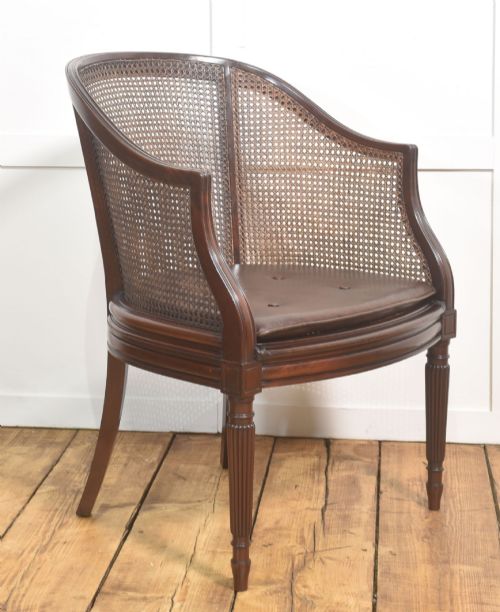
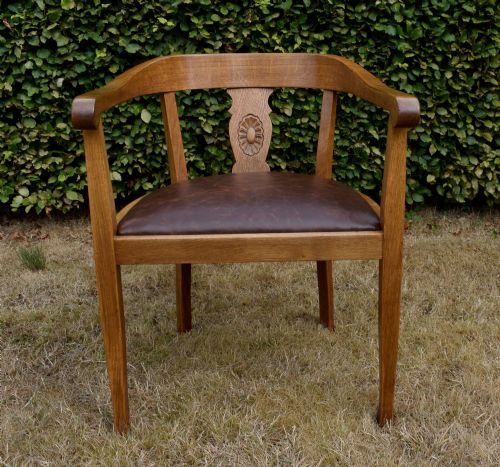
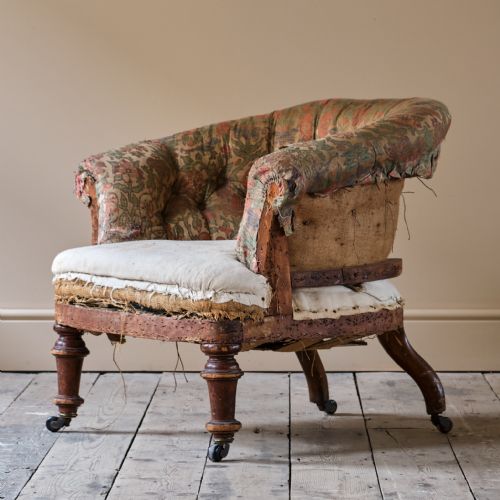
The form appears in mahogany, oak, and beech, frequently outfitted with cane panels, leather hides, or textile upholstery. Makers adapted the traditional tub shape into swivel desk chairs, boudoir seating, and library armchairs suited to domestic and office use.
While most examples are single armchairs, the inventory also includes occasional sofas, corner chairs, and matched suites. Styles stretch from plain timber frames to inlaid mahogany and revived Jacobean or French aesthetics.
What varies in quality
The choice of timber and the execution of the frame dictate the baseline quality of an edwardian tub back seat. Dense mahogany and figured oak show superior grain selection compared to utility beech frames.
Refinement in carving, delicate wood inlay, and the tightness of cane or leather work separate standard utilitarian pieces from fine parlour or library seating.
Edwardian Tub Back Seat Retail Price Guide 2026
Typical asking prices for edwardian tub back seat among the pieces listed under this phrase on Sellingantiques today, from the lower quarter to the upper quarter. They describe what is for sale here now, not the wider market.
Listings feature mahogany, oak, beech, and walnut frames paired with cane, leather, and velvet.
The Edwardian Tub Back Seat Glossary
- Tub chair
- An armchair featuring a continuous curved back and armrest in one rounded enclosure. This shape provides enclosed seating comfort.
- Bergere
- An upholstered armchair with a wooden frame where the back and sometimes sides consist of tight cane work. It frequently pairs with a loose seat cushion.
- Smoker's bow
- A low wooden Windsor-style armchair with a turned spindle back and a bowed arm rail. These sturdy chairs served offices and smoking rooms.
- Inlay
- A technique where contrasting woods or materials are inserted into recessed cavities of the primary wood surface to create decorative patterns. Edwardian makers applied this frequently to mahogany.
Edwardian Tub Back Seat: Frequently Asked Questions
Where did people put tub chairs?
An edwardian tub back seat found placement in studies, bedrooms, and drawing rooms as a versatile occasional chair. The curved back offered draught protection and comfortable reading posture.
Smaller models functioned easily as desk chairs or boudoir seating, while larger library versions sat beside reading tables.
How do I spot an Edwardian piece?
Edwardian seating typically displays lighter mahogany frames, subtle string inlay, and tapered legs rather than heavy Victorian carving. The overall aesthetic leans toward proportion and delicate decoration.
Dates cluster around the early twentieth century, bridging late Victorian mass production with lighter Edwardian design preferences.
Are these chairs comfortable?
The enclosed tub shape naturally supports the back and sides, making these chairs suited for extended sitting. Sprung bases and padded leather or fabric upholstery add further comfort.
Cane-backed versions rely on loose cushions to soften the rigid woven support.
Can I use one at a desk?
Certain variations were explicitly built as desk or office chairs, featuring swivel mechanisms or sturdy oak and mahogany construction. Their low arms fit neatly beneath standard writing tables.
Ensure the seat height aligns with your desk before daily use.