
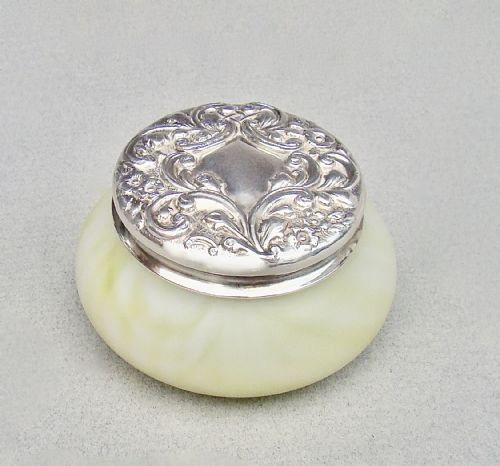
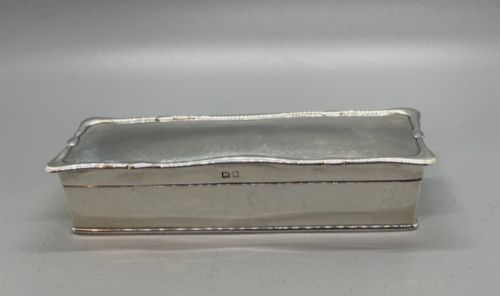
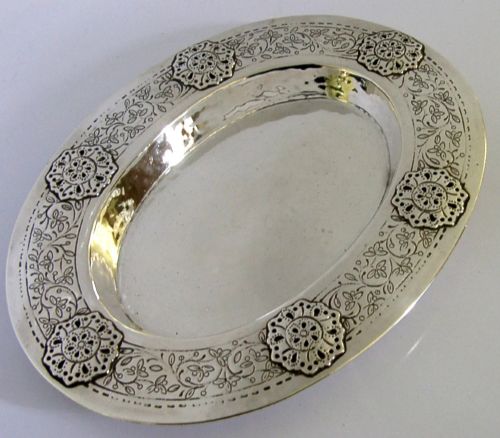
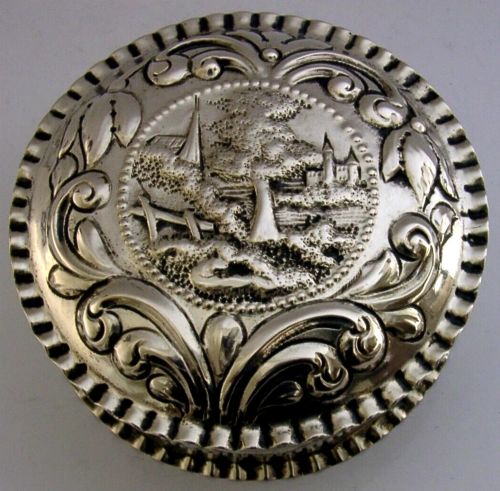

Edwardian Trinket Dish
When you search for an edwardian trinket dish, you uncover small receptacles designed to hold pins, rings, and daily valuables with period elegance.
Edwardian Trinket Dish
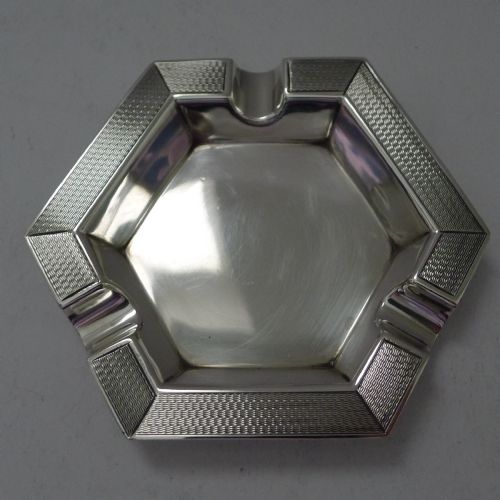
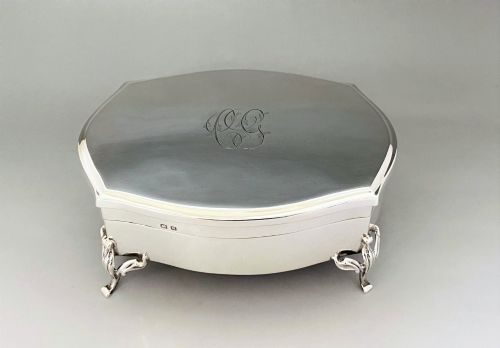
The selections span shallow pin trays, pierced bonbon dishes, ring trees, and lidded boxes originating around the early twentieth century.
Examples often display motifs from the Art Nouveau movement or Rococo Revival alongside traditional English sterling silver and porcelain forms.
How They Were Made
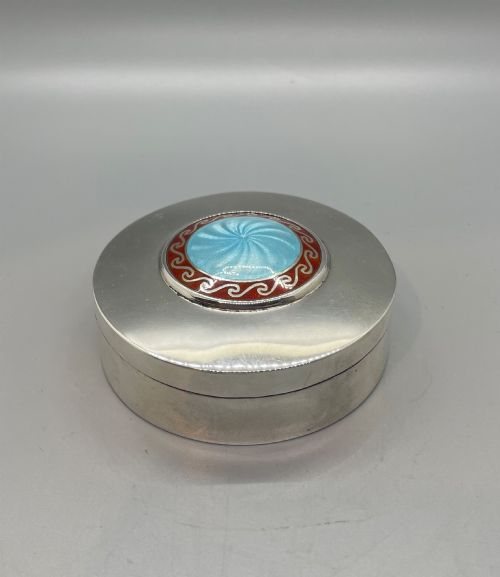
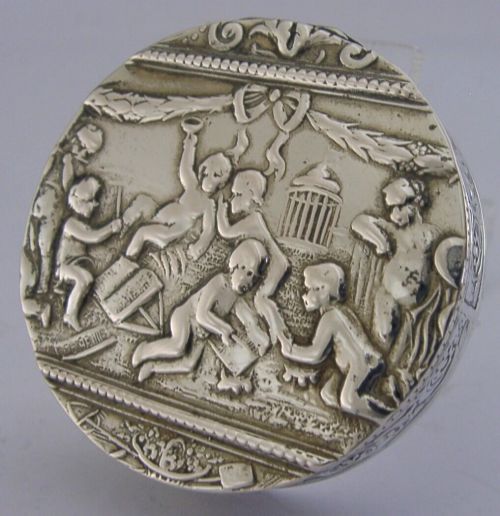
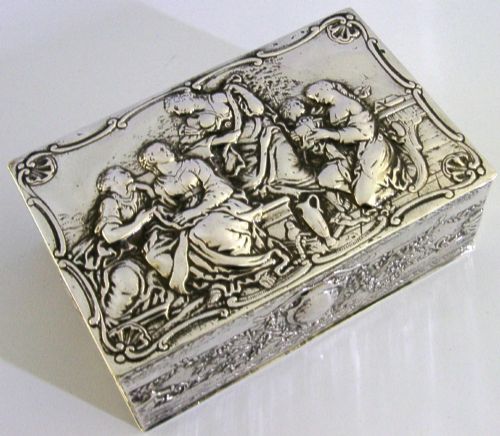
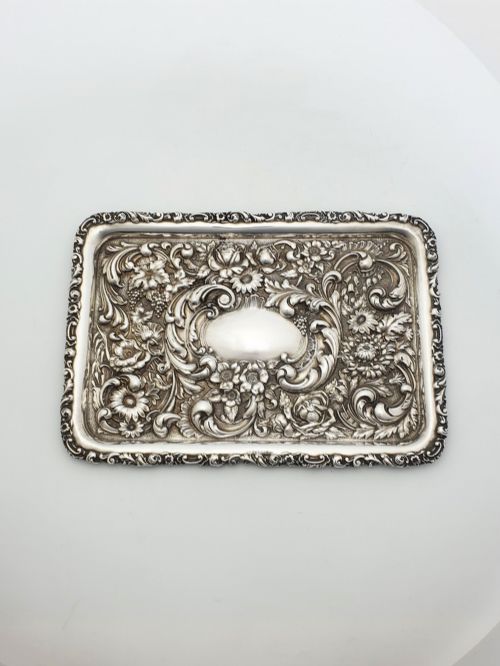
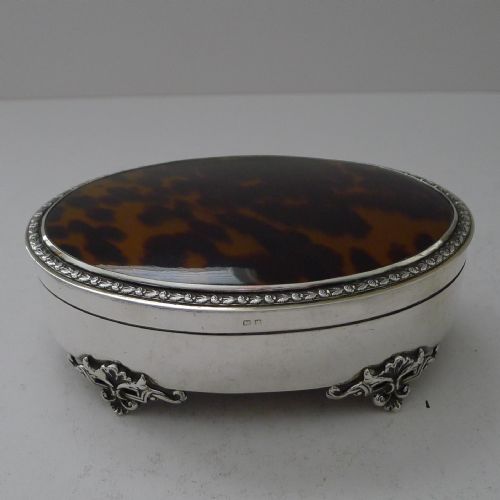
Silversmiths shaped solid silver through repoussé, piercing, and casting, often pairing the metal with cut glass, enamel, or tortoiseshell.
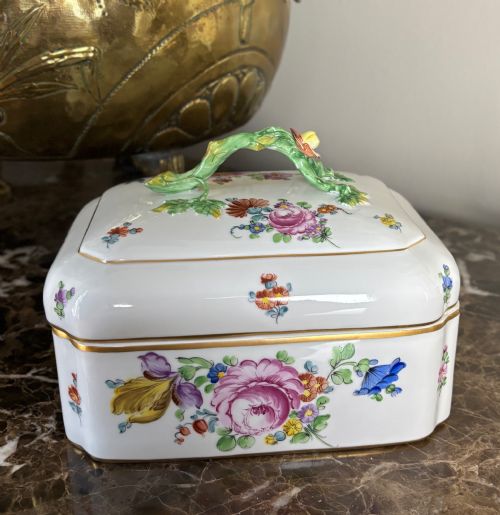
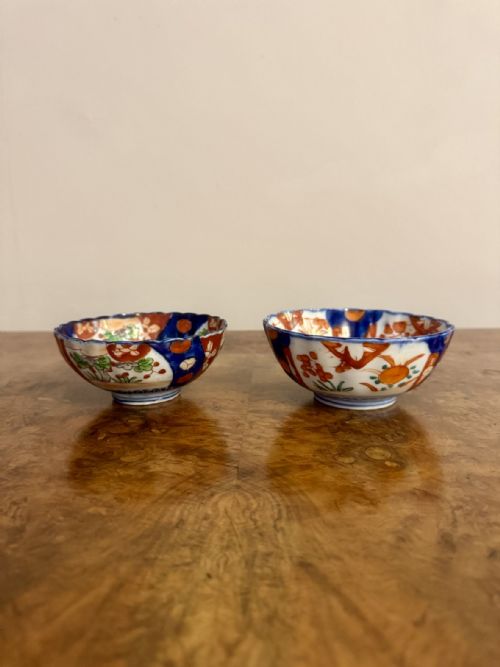
Ceramic pieces utilise porcelain, satin glass, and blush ivory glazes adorned with hand-painted floral sprays and gilding.
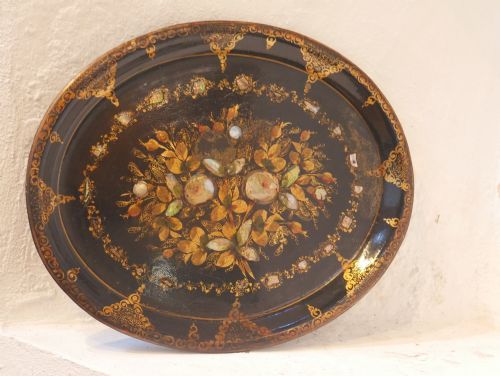
Craftsmen also employed copper, brass, and papier-mâché to produce smaller trays and boxes.
Listings feature sterling silver, porcelain, and cut glass alongside materials like enamel, tortoiseshell, and brass.
What Varies in Quality
The distinction rests in the depth and crispness of the repoussé work, the weight of the silver, and the finesse of any hand-painted or enamelled decoration.
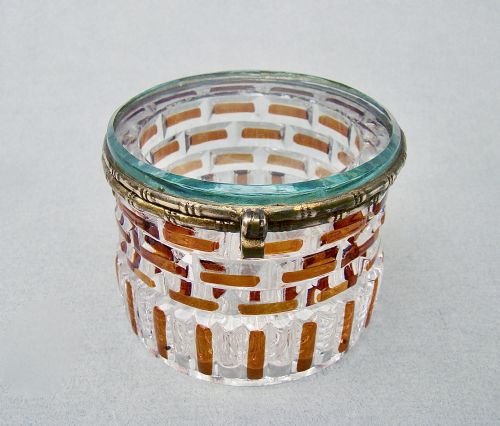
Pieces featuring integrated materials like tortoiseshell, amber glass, or citrene stones demonstrate higher ambition in design and assembly.
Maker marks and legible town hallmarks provide a reliable measure of provenance and established workshop standards.
William Neale·A. Bromet & Co·Liberty & Co·William Comyns·Robert Pringle & Sons·John Grinsell & Sons·Henry Matthews·Goldsmiths & Silversmiths Co·James Dixon & Sons
The Edwardian Trinket Dish Glossary
- Repoussé
- A metalworking technique where the artisan hammers a design from the reverse side to form raised ornamentation on the front. This creates textured floral and figural reliefs on silver trays.
- Pin Dish
- A small, shallow receptacle intended for holding straight pins on a dressing table. These often feature pierced borders or figural scenes.
- Ring Tree
- A central upright stem mounted on a small dish, designed to hold rings securely. They appear frequently in silver and ceramic formats.
- Blush Ivory
- A specialised porcelain body with a soft, warm cream ground usually associated with Royal Worcester. It provides a subtle backdrop for floral sprays and gilding.
- Piqué
- A decorative technique involving inlaid gold or silver pinwork into tortoiseshell or ivory. It adds delicate geometric or floral patterns to lidded boxes.
Edwardian Trinket Dish: Frequently Asked Questions
What is an edwardian trinket dish used for?
These small receptacles were placed on dressing tables, desks, or hall stands to hold rings, pins, and loose coins at the end of the day.
Today they serve a similar purpose while adding period decorative character to modern interiors.
How do I clean silver trinket dishes?
Solid silver items benefit from gentle washing in warm soapy water and careful drying with a soft cloth to preserve the metal surface.
Avoid abrasive polishes that might wear down delicate repoussé relief work or damage inset enamel and tortoiseshell panels.
Are these dishes made only of silver?
While silver is common, many examples incorporate cut glass, porcelain, brass, copper, and enamel.
Maker workshops frequently combined metals with glass or ceramic bodies to create varied textures for the dressing table.
How can I identify an edwardian piece?
Authentic pieces often bear hallmarks indicating assay offices in cities such as Birmingham, London, or Sheffield alongside specific date letters.
Stylistic cues like Art Nouveau curves and Rococo floral motifs also help place the object in the correct era.