


Edwardian Travel Chest
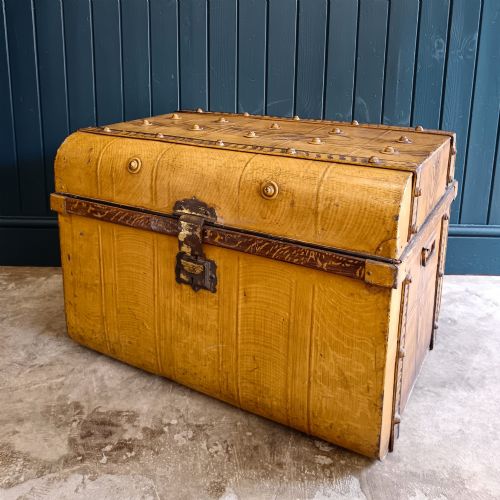
An edwardian travel chest is a sturdy piece of luggage designed for journeys by rail or ship, prized for its robust construction and historic character.
Edwardian Travel Chest
When you search for an edwardian travel chest, you encounter robust luggage built for movement during the late nineteenth and early twentieth centuries. These trunks served passengers on ocean liners, trains and military campaigns across the globe.
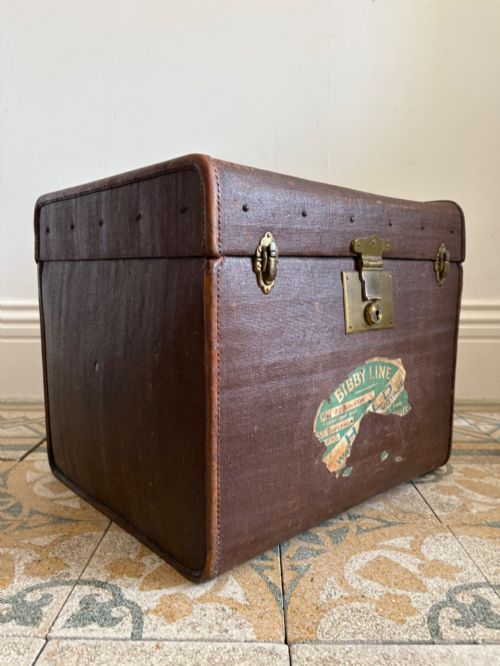
The pieces appearing on this page span the Victorian, Edwardian and early twentieth century periods, taking forms such as steamer trunks, campaign chests, hat boxes and picnic cases. Materials range from leather and canvas to teak, oak, camphorwood and sheet metal.
How they were made
Maker workshops built these chests using durable woods like teak, oak and camphorwood, often reinforced with iron, brass or steel bands to withstand rough handling in transit. Leather and canvas coverings provided weather resistance, secured with metal studs and corner brackets.
Many examples incorporated interior compartments, trays and fitted sections for specific items like silverware, hats or garments. Handles in leather or metal were riveted firmly to the sides for lifting.
Some trunks retain original travel labels and railway stickers, whispering tales of long-forgotten voyages across continents and oceans.
What varies in quality
Quality rests upon the integrity of the materials, the robustness of the structural hardware and the presence of maker signatures or stamps. Pieces featuring specialist fittings, original brass bindings and well-preserved interiors command greater interest.
The degree of original travel labels, monograms and provenance also influences distinction, reflecting the journeys and history carried by the individual trunk.
Allen of London·John Pound·Louis Vuitton·Goyard·Drawco
The Edwardian Travel Chest Glossary
- Steamer trunk
- A low-profile travel chest designed to fit beneath a cabin berth on a steamship. These trunks often feature flat or slightly curved tops.
- Campaign chest
- A portable set of drawers or a trunk made in sections for military officers on the move. They typically include brass corner brackets and recessed handles.
- Camphorwood
- An aromatic timber prized for campaign furniture and chests due to its insect-repellent properties. It protected stored garments during long voyages.
- Portmanteau
- A large leather suitcase or trunk that opens into two equal compartments. The term derives from French roots describing luggage carried on horseback or coach.
- Hat box
- A specialised rigid container shaped to hold headwear safely during travel. These often appear in leather or canvas with fitted internal supports.
Edwardian Travel Chest: Frequently Asked Questions
What is an edwardian travel chest?
An edwardian travel chest is a durable trunk or luggage case produced during the early twentieth century for journeys by rail, sea or road. These pieces were constructed to protect clothing and personal possessions against the rigours of transit.
They appear in various forms, from flat-topped steamer trunks to specialised hat boxes and picnic cases, utilising materials such as leather, canvas, oak, teak and metal.
How were these chests used?
Travellers utilised these chests to pack wardrobe essentials, uniforms and valuables for extended journeys on ocean liners and trains. Military officers and colonial administrators relied on robust campaign trunks for relocations.
Interior compartments, trays and zinc linings kept contents organised and protected from moisture during overseas voyages and field campaigns.
How do I live with one at home?
These chests function well as coffee tables, end tables or blanket boxes in living spaces and bedrooms. Their hinged lids allow them to double as hidden storage for household items.
Placing a trunk in a hallway or bedroom introduces texture and historical character through weathered leather, canvas or polished wood.
How can I tell the period?
Dating relies on construction methods, materials, hardware styles and maker marks or travel labels. Victorian and Edwardian pieces often display hand-riveted brass bindings, dovetail joints and specific timber choices like camphorwood or teak.
Signatures from makers such as Louis Vuitton or Goyard, alongside shipping labels from specific shipping lines, help narrow the date of manufacture.