




Edwardian Three Door Cabinet
An edwardian three door cabinet provides generous storage with balanced proportions, offering a practical centrepiece for any traditional interior.
Edwardian Three Door Cabinet
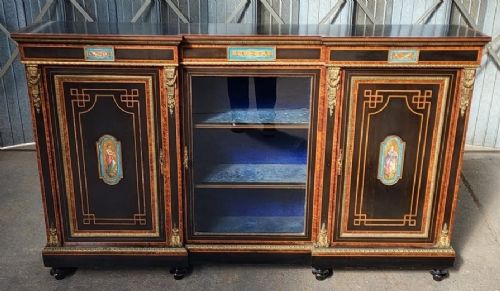
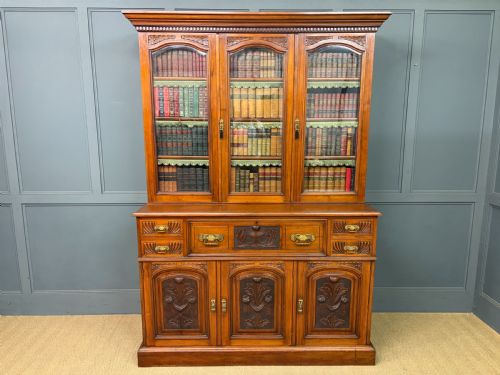
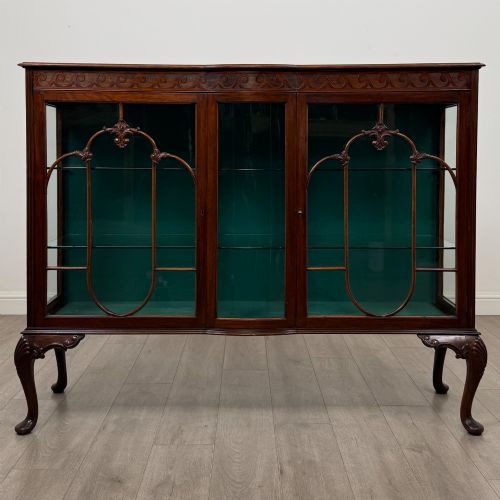
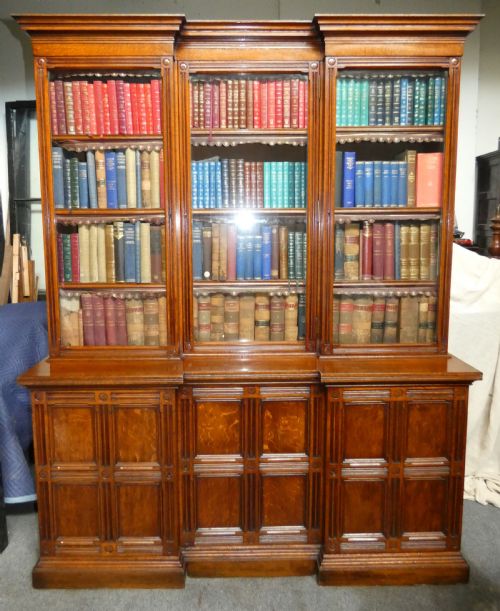
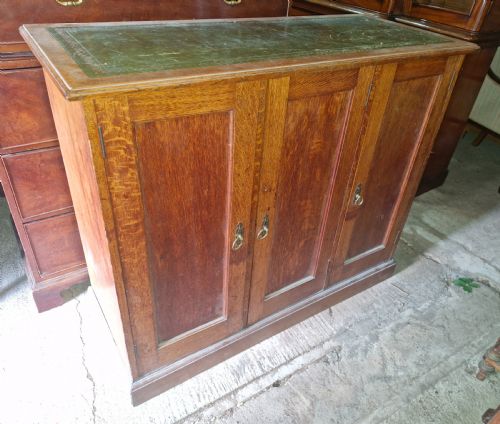
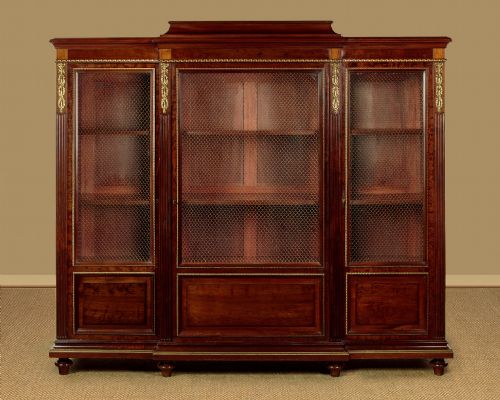
An edwardian three door cabinet typically manifests as a bookcase, display cabinet, or wardrobe originating from the early twentieth century. These substantial pieces frequently utilise mahogany, oak, or walnut timbers to achieve their tripartite layout.
While the search points specifically to the Edwardian period, buyers frequently encounter related nineteenth century Victorian examples alongside early twentieth century adaptations. These variations reflect the enduring popularity of the three-door format across adjacent eras.
Makers working within these styles applied revivalist influences, ranging from Chippendale and Sheraton motifs to Arts and Crafts simplicity. This variety ensures that forms span from glazed display units to robust oak storage cupboards.
Materials and Construction
Cabinet makers constructed these pieces using solid and veneered timbers including mahogany, walnut, oak, and satinwood, frequently enhanced with marquetry inlay. Brass mounts, ormolu details, and glass panels were integrated to furnish doors and display sections.
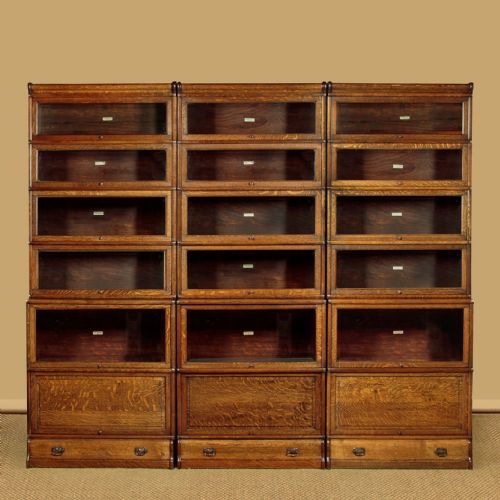
Traditional joinery methods secured the tripartite carcasses, while sectioned designs incorporated specialised stacking mechanisms for modular use. Surface finishes relied on polished wood grains and occasional limed treatments to highlight the natural timber.
Current listings demonstrate a prevalence of oak and mahogany timbers across Edwardian and Victorian storage forms.
The Measure of Quality
Excellence in these cabinets rests upon the selection of timber figures, such as burr walnut, birds-eye maple, or curl mahogany, matched symmetrically across the three doors. Superior examples display refined marquetry inlay and crisp carved detailing rather than plain surfaces.
The integration of original hardware, such as brass mounts and functioning locks, distinguishes finer workshops from standard production items. Sound structural integrity, neatly fitted glass panels, and well-preserved internal shelving complete the assessment of high grade craftsmanship.
Edwards and Roberts·Waring and Gillow·Globe Wernicke·Lebus
The Edwardian Three Door Cabinet Glossary
- Breakfront
- A piece of furniture where the central section projects forward from the flanking outer sections. This arrangement creates visual depth across the three doors.
- Ormolu
- Gilded bronze ornamentation applied to furniture surfaces for decorative effect. It frequently appears alongside mahogany and ebonised timbers.
- Marquetry
- Decorative veneer patterns formed from different woods laid down in intricate designs. Craftsmen utilised this technique to adorn panel doors.
- Sectional bookcase
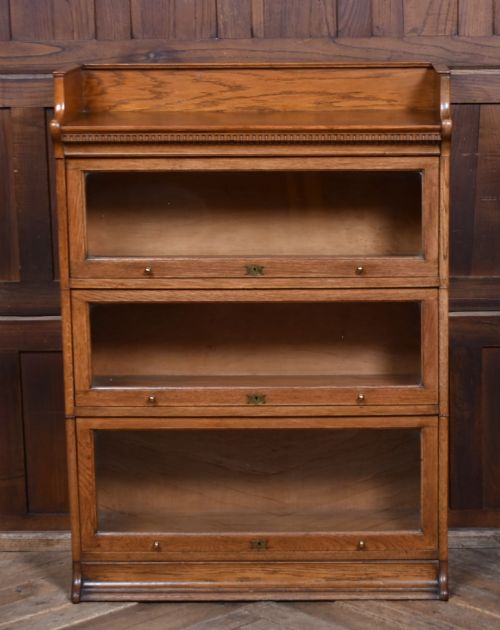
- Modular shelving units designed to stack in distinct tiers. These pieces often feature glass lifting doors for office or library use.
Edwardian Three Door Cabinet: Frequently Asked Questions
How do I identify an Edwardian piece?
Edwardian furniture generally exhibits lighter timbers and refined classical revival motifs compared to heavy Victorian predecessors. Makers often employed mahogany, satinwood, and subtle inlay rather than dense dark polishes.
Examination of internal construction and drawer linings also assists in confirming the early twentieth century origin of the cabinet.
Were these cabinets meant for books?
Many three door formats served as library bookcases or display units to house substantial private collections. Glazed doors protected volumes while allowing visible storage.
Alternative configurations functioned as wardrobes or general storage cupboards depending on the interior fittings.
How do I care for polished wood?
Maintain polished mahogany and oak surfaces by avoiding direct sunlight and excessive humidity fluctuations. Regular dusting with a soft dry cloth preserves the original sheen of the timber.
Apply occasional traditional wax polish sparingly to nourish veneered and solid surfaces without building up residue.