


Edwardian Taxidermy Glass Case
These edwardian taxidermy glass case examples preserve natural history under glass, offering a domestic view of birds, fish and mammals.
Edwardian Taxidermy Glass Case
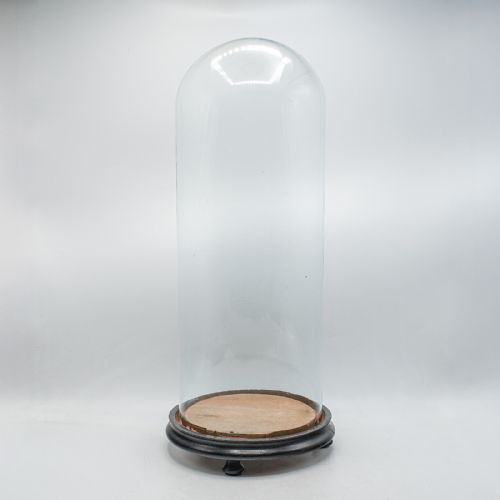
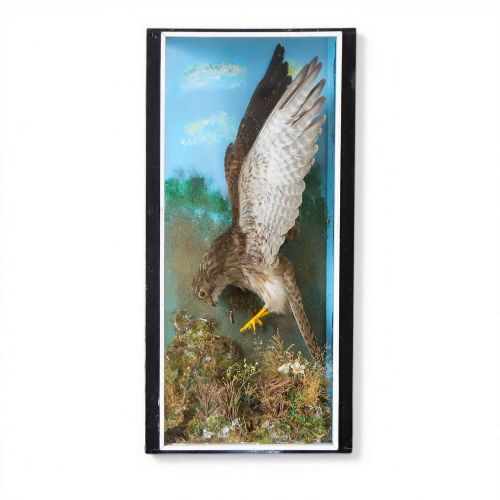
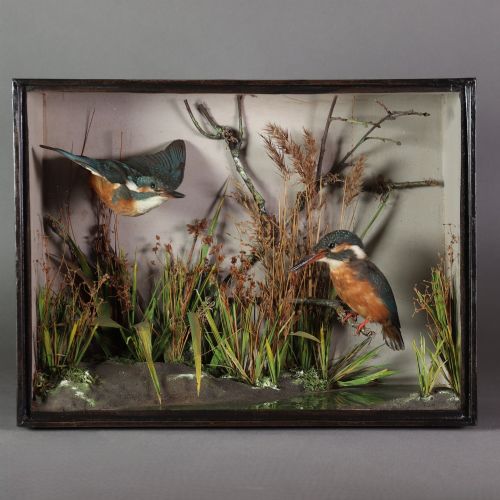
An edwardian taxidermy glass case preserves natural specimens within glazed protection, serving as a focal point for domestic natural history displays. These pieces include tall and wide display domes, wall cabinets, and painted dioramas containing birds or fish.
The objects span periods from the late Victorian era through the Edwardian years and into the early twentieth century. Common subjects range from kingfishers and waxwings to a white pheasant, an otter and golden carp.
Materials and Construction
Makers housed natural specimens within blown or formed glass domes and glazed wooden cases, utilising timber such as oak and mahogany. Ebonised wood frequently provided a dark, contrasting base or frame for the display.
Internal settings often incorporated painted backdrops and natural materials like snow scenes to mimic the habitat of the taxidermy specimen. Cases were sealed carefully to protect the feathers, fish scales or paper elements from dust and moisture.
Among the preserved subjects, an African Grey parrot watches over the collection alongside golden carp and kingfishers.
Factors of Quality
Quality depends upon the skill of the taxidermist in capturing a natural posture and the clarity of the glass enclosing the specimen. Works by notable practitioners demonstrate superior artistry in both the preservation of the animal and the construction of the habitat.
The choice of housing also influences distinction, with well-joined timber frames, painted dioramas and bell-bottom domes showing finer craftsmanship than standard enclosures.
T. E. Gunn·S. King·J Cooper and Sons
The Edwardian Taxidermy Glass Case Glossary
- Taxidermy specimen
- The preserved skin of an animal mounted in a lifelike state. These specimens form the central visual focus of the glass case.
- Display dome
- A curved glass cover resting on a wooden base to protect delicate objects. They appear in tall and wide formats across the collection.
- Ebonised wood
- Timber treated to resemble ebony, providing a dark and uniform finish. This material frequently frames Edwardian and Victorian display cases.
- Diorama
- A three-dimensional scene depicting animals in a simulated natural habitat. Painted backgrounds enhance the sense of depth within these cases.
Edwardian Taxidermy Glass Case: Frequently Asked Questions
What is an edwardian taxidermy glass case?
An edwardian taxidermy glass case is a protective enclosure displaying preserved animals, birds or fish under glass.
These pieces combine natural history specimens with wooden bases, frames or glass domes designed for domestic display.
How should I clean the glass?
Clean the exterior glass carefully using a soft cloth and a mild glass cleaning solution. Avoid spraying liquid directly onto the case to prevent moisture reaching the timber or the specimen.
Dust the wooden frames and bases gently with a dry, soft brush to protect the finish.
Where should I place a glass case?
Position the case away from direct sunlight and strong heat sources to protect the feathers, paper elements and taxidermy materials from fading.
Select a stable surface such as a sideboard or wall bracket where the display remains secure from accidental knocks.
How do I identify an Edwardian piece?
Edwardian pieces often feature specific timber mouldings, glass forms and construction techniques typical of the early twentieth century. Comparing the style of the wooden base and the label or signature can help determine the period.
Records and archives of known taxidermists also assist in dating individual dioramas and domes.