
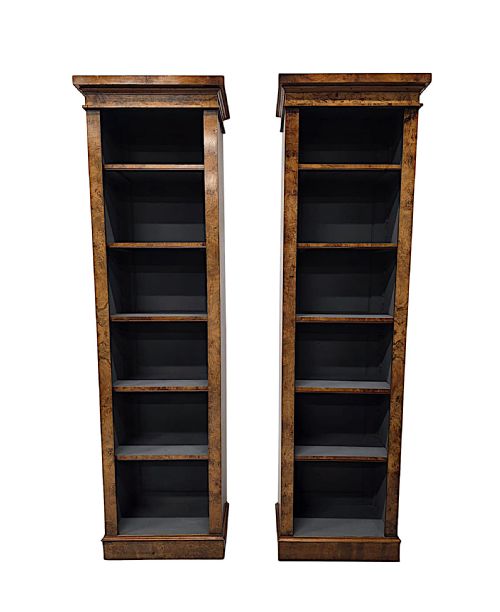
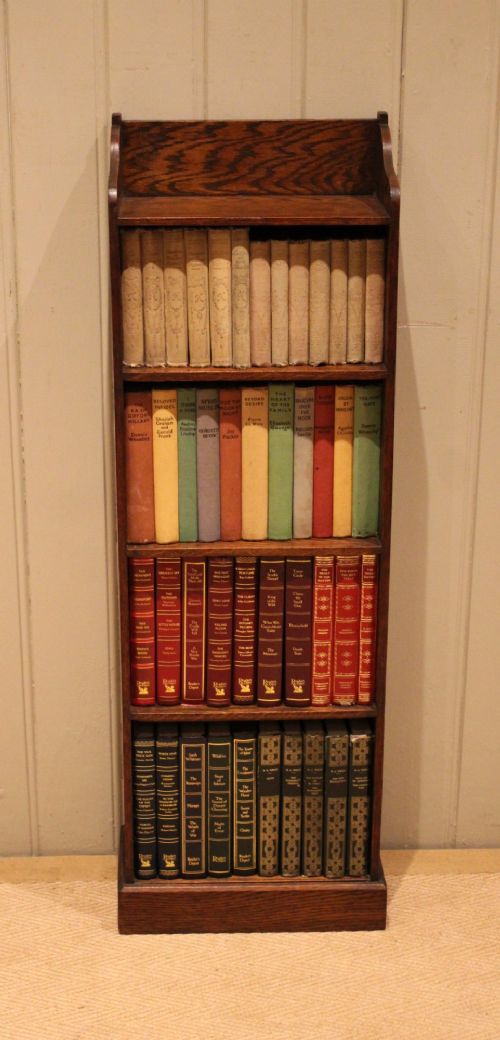
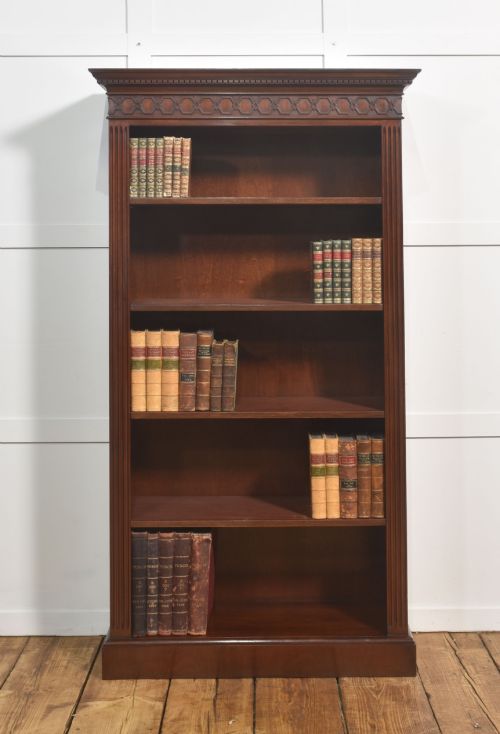
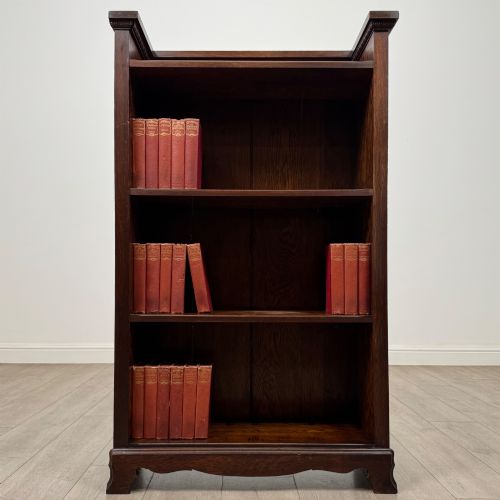
Edwardian Tall Bookcase
When hunting an edwardian tall bookcase, you step into an era of vertical timber storage designed to command rooms with presence and utility.
Edwardian Tall Bookcase
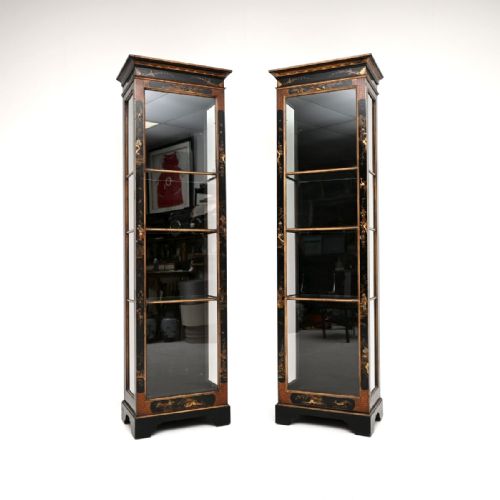
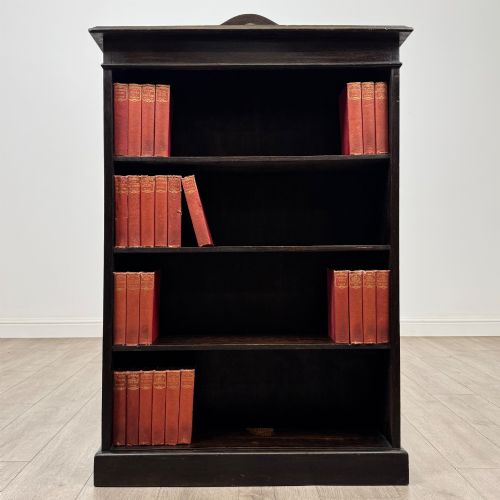
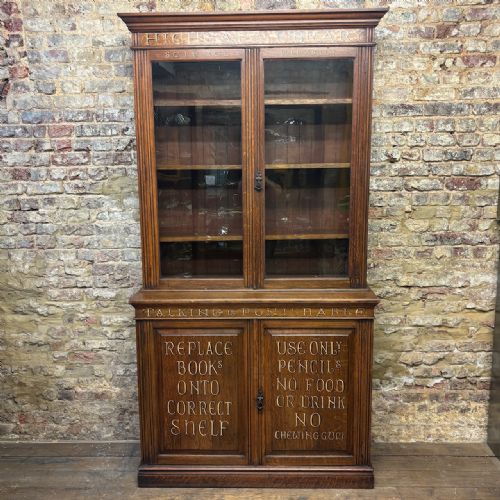
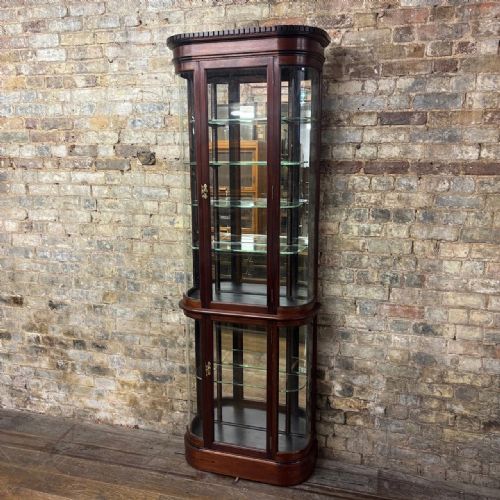
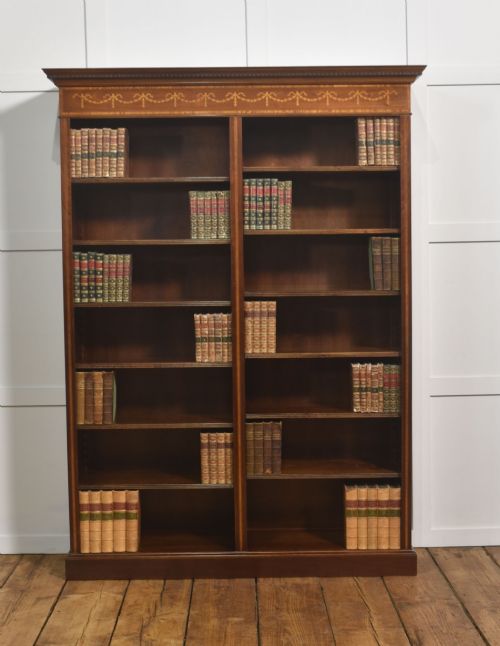
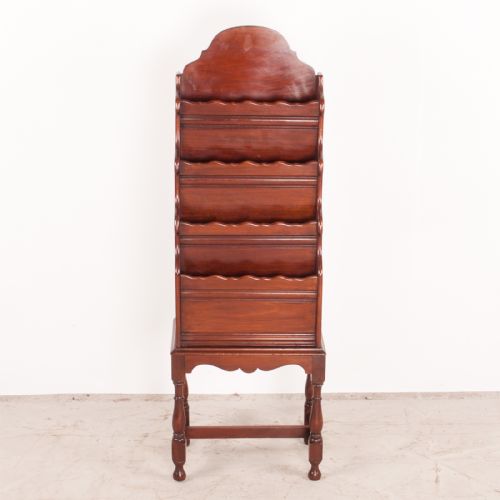
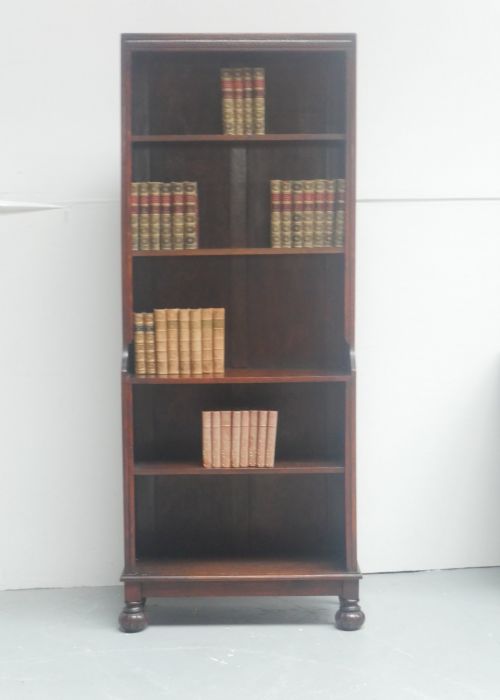
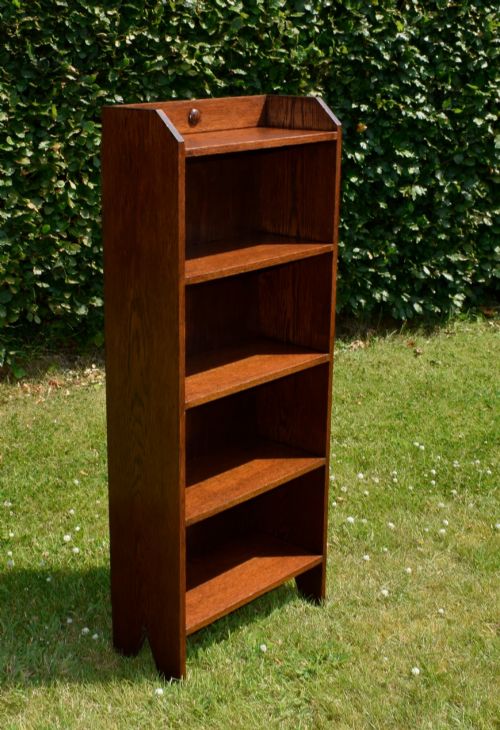
An edwardian tall bookcase is a vertical storage piece primarily originating from the early twentieth century, designed to house growing home libraries in high-ceilinged rooms. These pieces manifest most frequently as open-fronted upright shelving or glazed cabinet formats standing above standard eye level.
While the majority of examples date from the Edwardian period and the surrounding decades of 1900 to 1910, similar upright proportions extend across Victorian and Georgian Revival revivals. Buyers encounter robust oak library units alongside refined mahogany or walnut variations fitted with adjustable shelving.
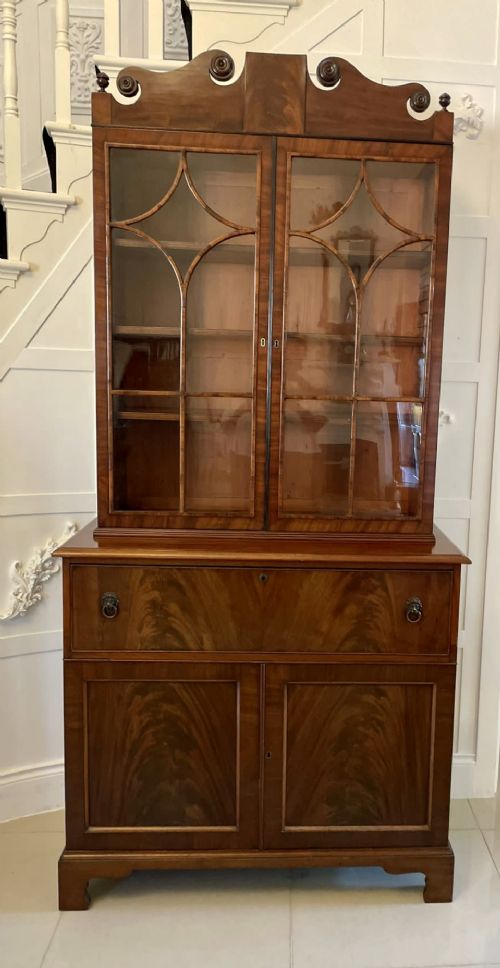
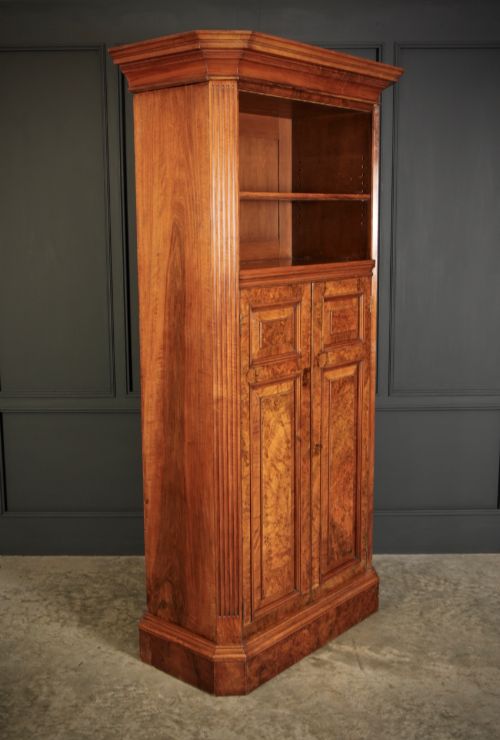
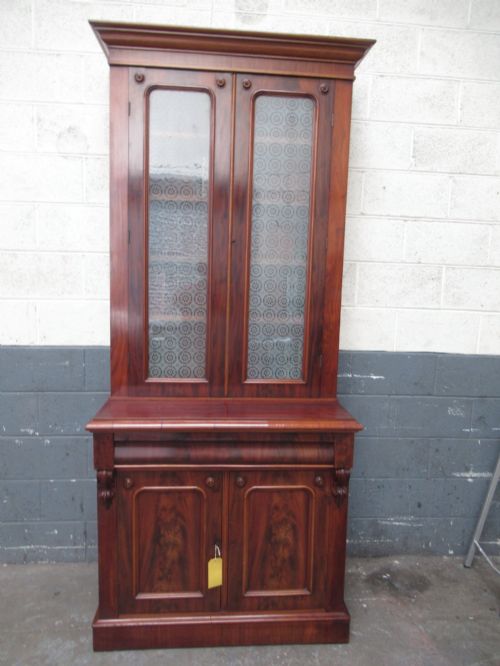
The format prioritises floor-space economy by stretching upward, often incorporating lower cupboards, leaded glass doors, or secretaire pull-down desks. These tall configurations appear across domestic sitting rooms, studies, and school libraries from the era.
Materials and Construction
Makers relied heavily on solid hardwoods like oak and mahogany for structural integrity, frequently applying figured veneers such as burr walnut and satinwood to display surfaces. Timber selection governed both the weight and visual gravity of the upright frame.
Joinery techniques combined traditional frame-and-panel construction with inventive hardware like brass fittings and adjustable shelf ratchets. Glazed doors utilised timber glazing bars or leaded cames to secure individual panes within tall cabinet frameworks.
Some Edwardian revolving models let readers spin an entire library tower with a gentle push of a single finger.
Grading Quality
Quality rests on the integrity of the timber selection and the precision of the cabinetwork, distinguishing workshop-produced library units from commercial output. Fine examples display carefully matched veneer grains and thoughtful proportions that maintain stability across considerable height.
Wylie Lochhead of Glasgow·E.A. Taylor·Minty·Gunn
The Edwardian Tall Bookcase Glossary
- Secretaire bookcase
- A hybrid form incorporating a fitted writing drawer with a drop-down fall front positioned above lower shelving or cupboards. This allowed library users to write letters without leaving their book collection.
- Waterfall bookcase
- A distinct shelving format where each tier recedes in depth from bottom to top, following a stepped profile. The resulting silhouette resembles cascading water.
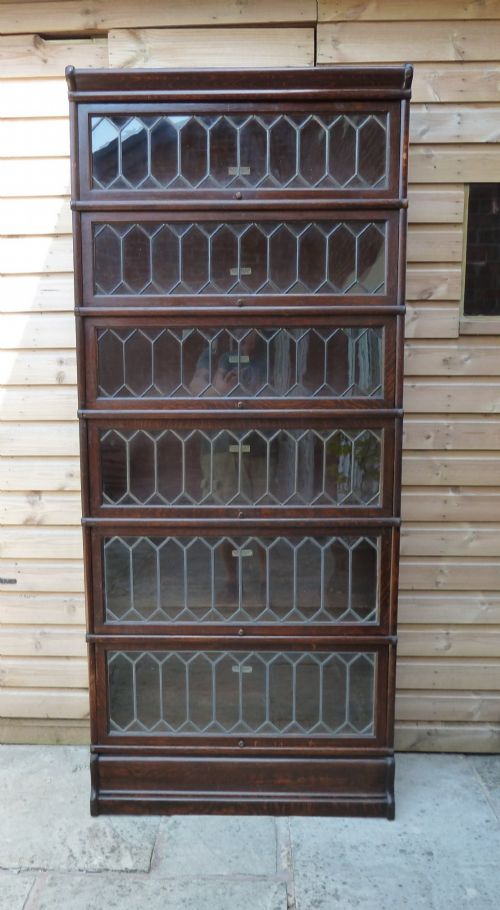
- Globe Wernicke
- A patented modular bookcase system utilising stacking glazed sections that lift and slide inward on metal tracks. This American invention became popular in Edwardian offices and libraries for protecting fragile volumes.
- Sheraton Revival
- A decorative style popular around 1900 drawing inspiration from eighteenth-century neoclassical designs. Pieces often feature delicate inlay, boxwood stringing, and tapered supports.
- Boxwood stringing
- A thin inlay technique using contrasting light boxwood lines embedded into darker timbers like mahogany. It frames panels and outlines shelves to add crisp linear definition.
Edwardian Tall Bookcase: Frequently Asked Questions
How do I spot a true Edwardian piece?
Authentic pieces from this era typically display characteristic timber patination, traditional pegged or dovetailed joinery, and period hardware styles. Examining the secondary timbers inside drawers and behind backboards confirms the period construction methods.
Makers of this era also favoured specific decorative motifs like boxwood stringing and Sheraton Revival inlay. Comparing these construction traits against known listings helps verify the timeline.
Are the shelves usually adjustable?
Many tall library units feature adjustable shelving systems utilising wooden ratchets, brass studs, or metal strip supports. This adaptability allowed owners to accommodate varying book sizes as collections evolved.
Fixed shelves do appear, particularly in simpler open-fronted formats or smaller cabinets. Checking the interior uprights reveals whether the original adjustment mechanism remains intact.
How much weight can the shelves hold?
Solid hardwood construction provides robust support for heavy rows of volumes, especially in oak and mahogany library pieces. The thickness of the timber and the span between upright supports dictate overall load capacity.
Modern users should distribute heavier folios evenly across supported sections to prevent long-term timber bowing. Adjustable shelf brackets require proper seating within their slots to maintain stability.
What is a secretaire section?
A secretaire section is a pull-out drawer featuring a hinged writing surface that folds down to reveal small pigeonholes and accessory drawers. This integrated desk space added functional versatility to tall storage furniture.
These compartments often retain small maple or walnut interior drawers with tiny brass pulls. The design allowed studies and home offices to combine writing desks and bookcases into a single vertical footprint.