

Edwardian Tableware Set
An edwardian tableware set brings formal dining rituals to life through matching cruet sets, tea services, and cased silver.
Edwardian Tableware Set
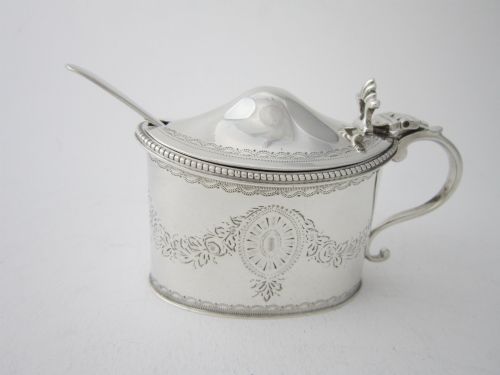
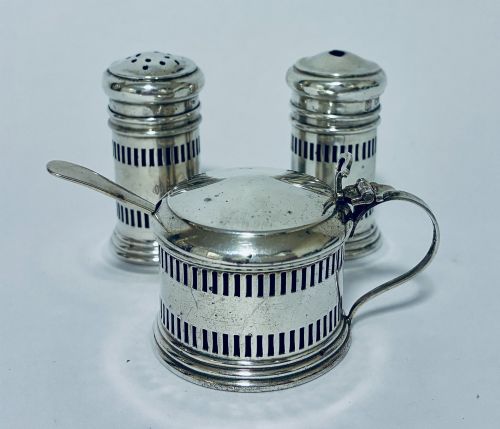
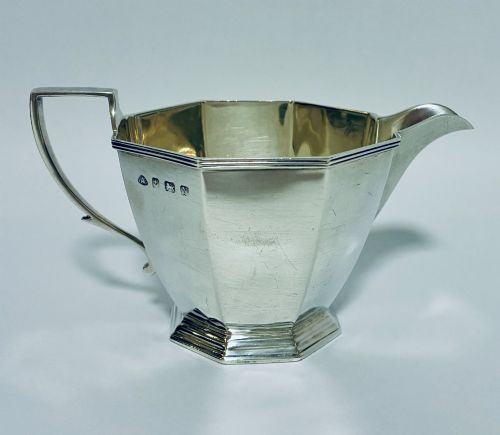
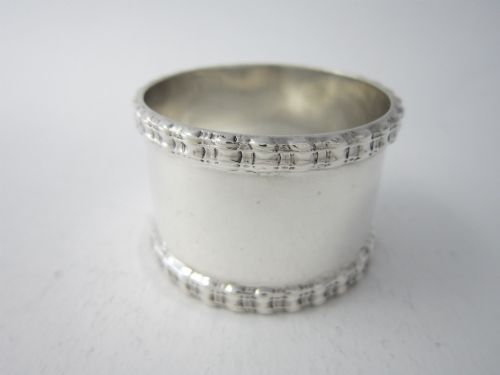
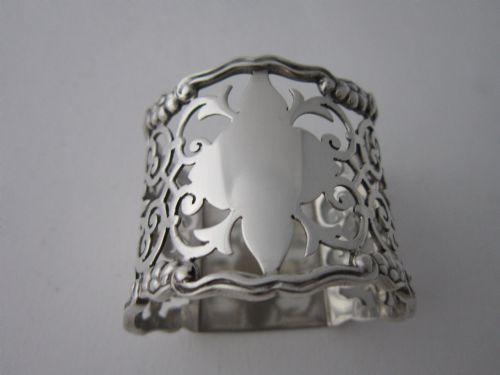
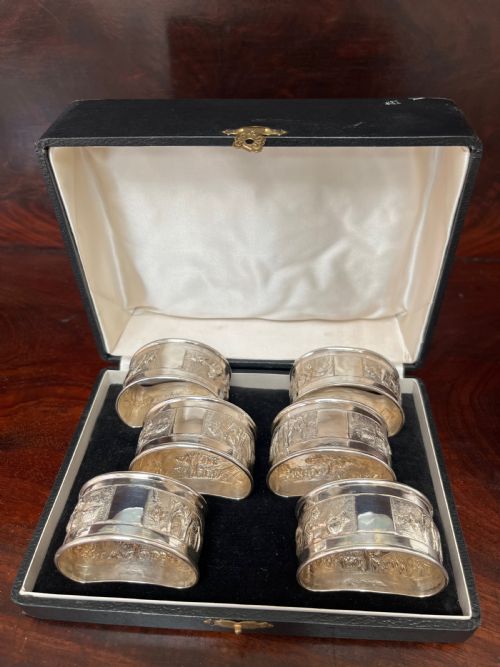
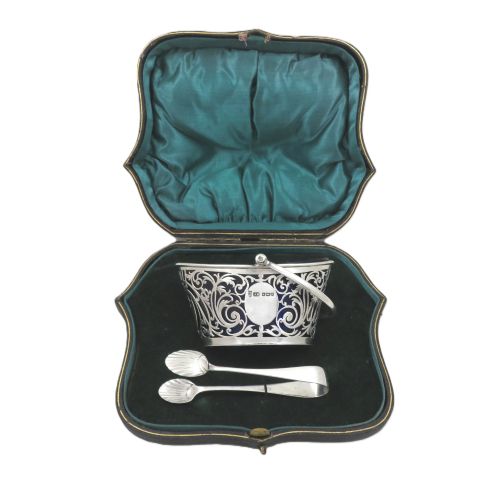
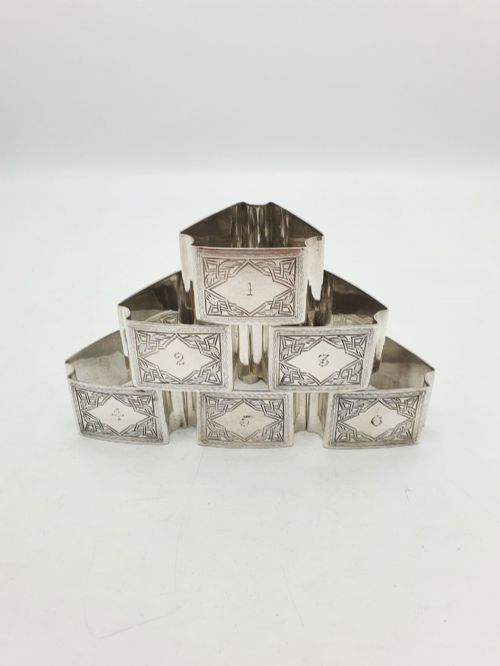
An edwardian tableware set comprises matched groupings designed for dining and entertaining, ranging from cased cruet sets and tea services to individual groupings of napkin rings and butter dishes. These groupings reflect the structured dining customs of the period, providing coordinated utensils and vessels for condiments, beverages, and courses.
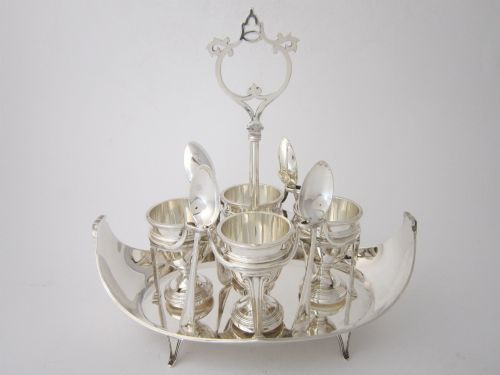
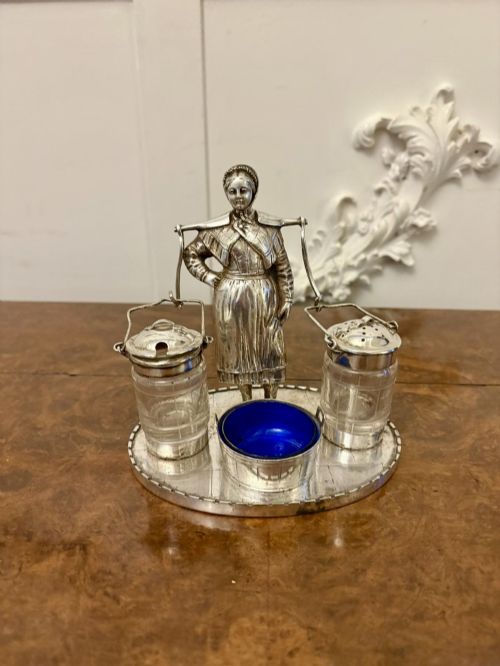
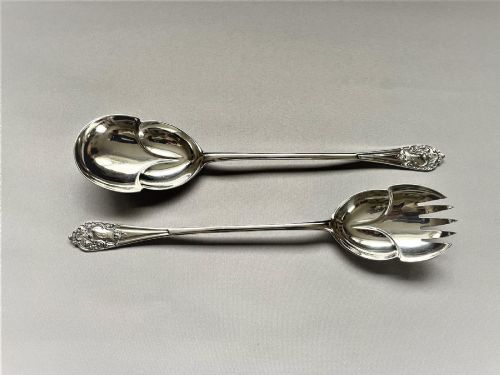
The selections encountered here span multiple forms including egg cruet sets, toast racks, salad servers, and cut glass condiment stands. While many items date strictly to the Edwardian era, related pieces from late Victorian, George V, and Art Nouveau periods frequently appear alongside them to form functional table services.
Materials and Manufacture
Makers utilised sterling silver and silver plate extensively, shaping metal through techniques such as piercing, embossing, and intaglio engraving. Many pieces incorporate cut glass inserts, porcelain plates from potteries like Doulton Burslem, or stoneware bodies.
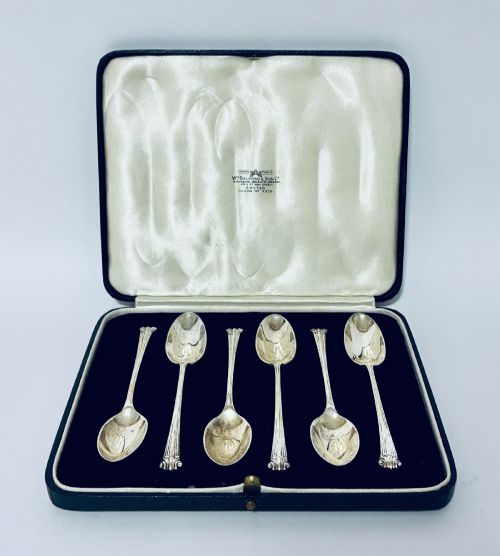
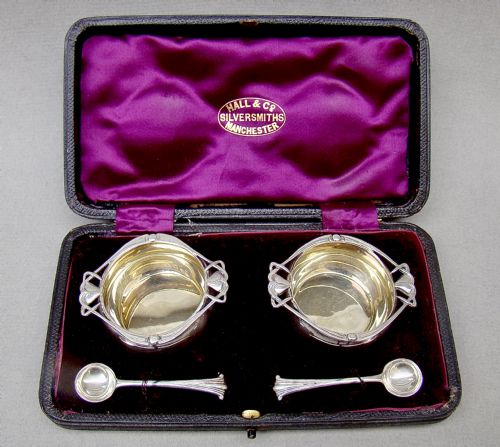
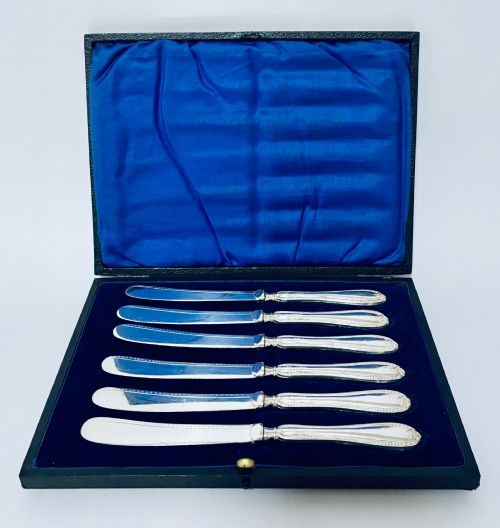
Presentation sets often feature custom housing lined with silk and velvet to protect the polished metal and glass components. Butter knives, lobster picks, and fruit serving sets combine metal handles and blades with fitted storage containers designed for formal hospitality.
Edwardian Tableware Set Retail Price Guide 2026
Typical asking prices for edwardian tableware set among the pieces listed under this phrase on Sellingantiques today, from the lower quarter to the upper quarter. They describe what is for sale here now, not the wider market.
Form categories include cruet sets, napkin rings, tea services, butter dishes, toast racks, and wine glasses.
Assessing Quality and Execution
The distinction between standard utility items and superior pieces rests on the weight of the silver, the crispness of embossed or pierced ornamentation, and the preservation of original fitted cases. Heavier gauge silver and deeply carved cut glass demonstrate greater material investment and skilled craftsmanship.
Completeness of a set and the presence of original silk-lined boxes significantly influence the character of an edwardian tableware set. Matching numbers across napkin rings or fully intact cruet bottles with matching stoppers indicate higher initial commissioning standards.
Stevens & Williams·Josiah Williams & Co·Goldsmiths & Silversmiths·Walker and Hall·Doulton Burslem·C.T. Burrows & Sons·Asprey & Co·Harrods
The Edwardian Tableware Set Glossary
- Cruet set
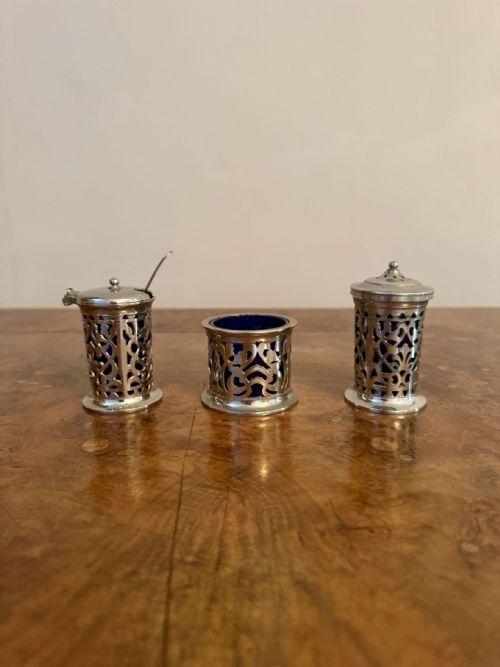
- A matched grouping of condiment containers holding salt, pepper, mustard, and oils for the dining table. These sets typically sit in a dedicated silver or silver-plated stand.
- Sterling silver
- A silver alloy containing 92.5 percent pure silver by mass, with the remainder consisting of other metals like copper for durability. British pieces bear hallmark stamps confirming this standard.
- Silver plate
- A base metal, often copper or nickel brass, coated with a thin layer of pure silver. This technique provided the appearance of solid silver at a more accessible cost during the period.
- Intaglio
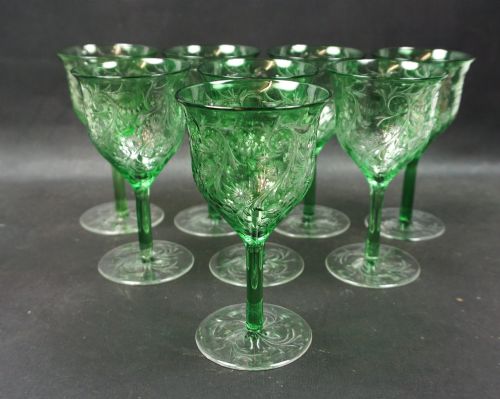
- A design carved into the surface of glass or gemstone so that the impression sits below the outer plane. On wine glasses, this creates a detailed tactile pattern.
- Toast rack
- A small metal frame with vertical dividers designed to hold slices of toast upright. This kept the toast crisp by allowing air to circulate around each slice.
Edwardian Tableware Set: Frequently Asked Questions
What is in an edwardian tableware set?
An edwardian tableware set includes coordinated items for dining, such as cruet bottles, condiment stands, napkin rings, tea services, and butter dishes.
These groupings were assembled for formal meals, providing matching utensils and vessels for guests and hosts alike.
How were silver plated items cleaned originally?
Original maintenance involved specialised soft cloths and mild pastes formulated specifically for thin silver coatings without stripping the finish.
Careful polishing preserved the bright surface without wearing away the underlying base metal.
Can I use these sets for modern dining?
Many pieces, such as napkin rings, toast racks, and salad servers, function well for contemporary meals and gatherings.
Silver plate and sterling items require hand washing rather than dishwasher cleaning to protect their finishes and soldered joints.
How do I identify a period piece?
Examination of hallmarks stamped onto silver components reveals the assay office, standard of metal, and specific year of production.
Stylistic cues such as Art Nouveau curves or Edwardian proportions further help date unmarked silver-plated or glass objects.