



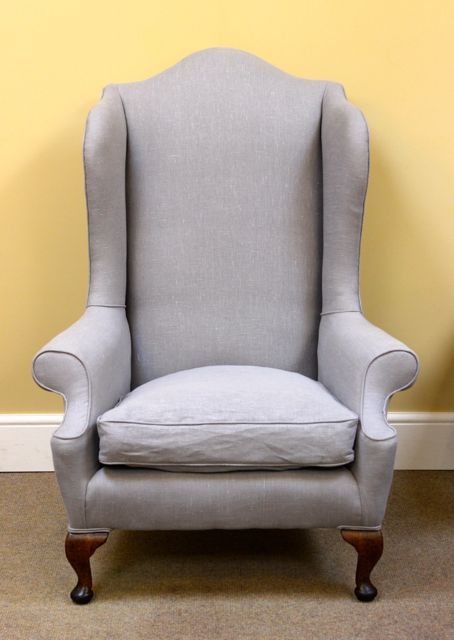


Edwardian Style Wing Chair
These Edwardian style wing chairs combine deep-seated comfort with historic revival forms, offering a distinguished fireside presence for any traditional interior.
Edwardian Style Wing Chair
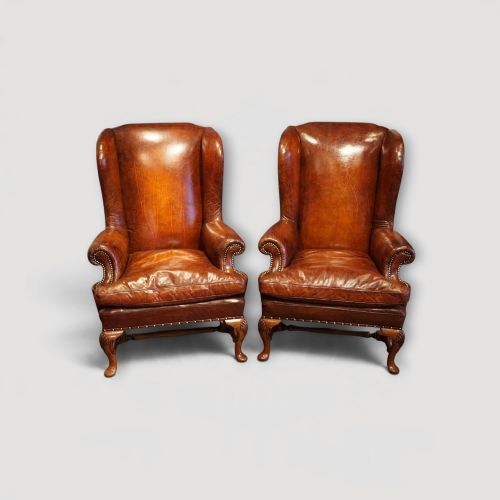
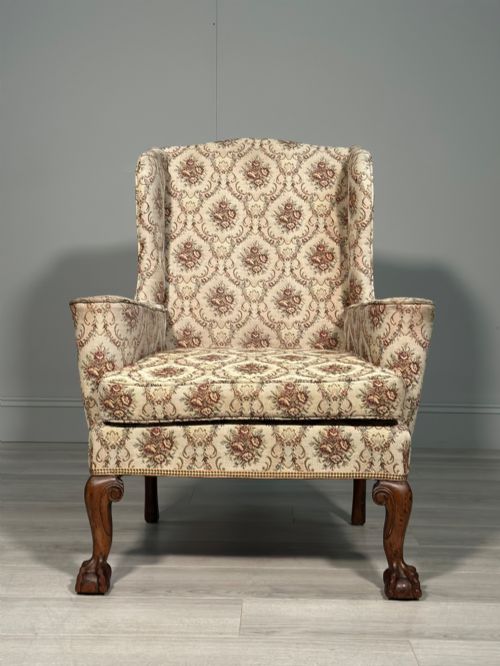
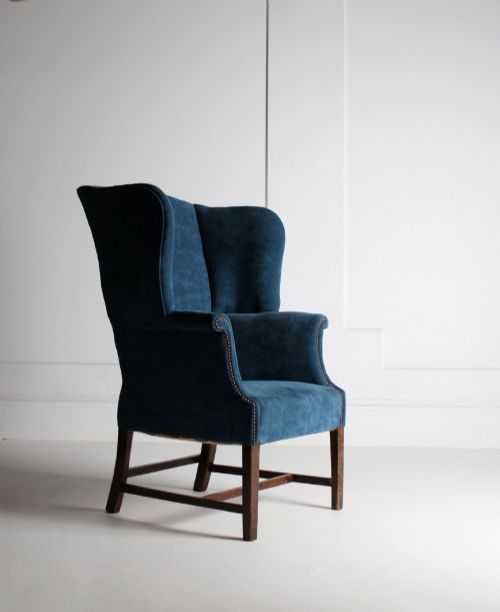
When you search for an edwardian style wing chair, you encounter a refined seating form rooted in earlier Georgian, Queen Anne and Chippendale revivals. These armchairs bridge the gap between antique heritage and domestic comfort, often displaying high upholstered backs and protective side wings.
The versions most frequently met here span the late nineteenth century into the early twentieth century. Makers of this period frequently drew inspiration from eighteenth-century precedents, creating balanced proportions suited to country houses and parlours alike.
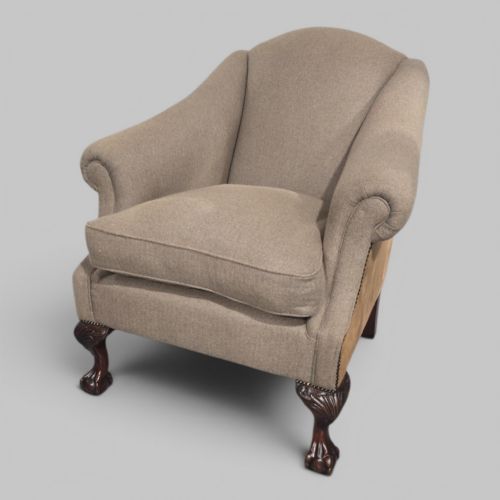
The selection encompasses standard armchairs alongside occasional variants such as bergère styles, barrel backs and low rocking chairs. Each piece retains the characteristic enclosed seating area designed originally to deflect draughts.
How they were made
Construction relies heavily on timber framing, predominantly utilising mahogany, walnut and general solid wood for the structural skeletons and exposed legs. Brass details occasionally appear on castors or decorative studwork securing the upholstery edges.
Upholstery defines the visual and tactile nature of these chairs, employing leather, hide, velvet, wool, hessian and woven fabrics. Traditional stuffing and webbing methods provide the supportive tension beneath the outer textile layers.
Edwardian Style Wing Chair Retail Price Guide 2026
Typical asking prices for edwardian style wing chair among the pieces listed under this phrase on Sellingantiques today, from the lower quarter to the upper quarter. They describe what is for sale here now, not the wider market.
Listings feature periods spanning from the eighteenth century through the Regency era to Edwardian revivals, utilising mahogany, leather, velvet and brass.
What varies in quality
The integrity of the underlying timber frame and the precision of the revival carving distinguish standard examples from finer workshops. Timber selection ranges from plain utility woods to richly figured mahogany and walnut.
Upholstery execution and material grade also determine the standing of a piece, from simple hessian and wool to supple faded leather and hide. The balance of the proportions relative to historical revival styles dictates overall visual success.
Sopwith·Gillow
The Edwardian Style Wing Chair Glossary
- Bergère
- An enclosed armchair with woven cane or upholstered panels set into the wooden frame. It originated in France and gained popularity during various British revival periods.
- Wingback
- An armchair featuring projecting side panels attached to the arms and back. This traditional design originally protected sitters from cold draughts near open hearths.
- Chippendale Revival
- A decorative style from the late nineteenth and early twentieth centuries copying mid-eighteenth-century motifs. It frequently incorporates carved mahogany woodwork and substantial proportions.
- Hide
- A heavy, durable animal leather used extensively for upholstery on traditional armchairs. It develops a soft patina over decades of regular use.
- Hessian
- A coarse woven fabric typically utilised as an internal foundation material for webbing and stuffing. It supports the top layers of upholstery.
Edwardian Style Wing Chair: Frequently Asked Questions
What is an edwardian style wing chair?
An edwardian style wing chair is an upholstered seat produced around the turn of the twentieth century that imitates earlier eighteenth-century furniture designs. These pieces typically feature high backs with protective side wings and exposed wooden legs.
They emerged during a period of intense interest in historical revivals, blending antique aesthetics with updated comfort standards for contemporary homes.
How were wing chairs originally used?
These armchairs were placed near fireplaces in country houses and parlours to shield occupants from cold draughts. The side wings trapped heat from the fire around the sitter's head and shoulders.
Over time, they transitioned from functional protection devices into prominent decorative seating items for reading and formal reception rooms.
How do I identify the period?
Dating relies on examining the timber frame, upholstery techniques and stylistic revival cues. Pieces from the early twentieth century often combine Georgian proportions with Edwardian materials and construction methods.
Evidence of earlier craftsmanship appears in hand-carved mahogany details and traditional stuffing materials like horsehair and hessian beneath the leather or fabric.
What materials are used?
The structural frames are typically built from solid mahogany, walnut or general timber. Brass is frequently found on decorative nailheads and small support castors.
Surface coverings range from wool and velvet to green leather and hide, supported internally by traditional webbing and stuffing layers.
How do I care for leather upholstery?
Leather-upholstered chairs require placement away from direct heat sources and strong sunlight to prevent the hide from drying out. Regular dusting with a soft cloth maintains the surface.
Periodic application of appropriate leather conditioners helps preserve the suppleness and natural patina of antique hide.